Ankarafantsika National Park
"Most people drive past this park on the way to somewhere else. I've never understood why."
A dry forest reserve wrapped around a wide, crocodile-holding lake, roadside on the route between Mahajanga and the highlands but rarely stopped for.
The RN4 between Antananarivo and Mahajanga runs directly through Ankarafantsika, close enough that most travelers see it only as a windshield blur of dry forest and a sign warning about lemur crossings, before continuing on toward the coast. I’d done that drive myself once, years earlier, and told myself I’d stop next time. This was next time.
A Forest That Runs on Less Water
Ankarafantsika protects one of the largest remaining tracts of western dry deciduous forest in Madagascar, a habitat type that’s been cleared far more aggressively than the eastern rainforest and survives now mostly in fragments like this one. The trees here are smaller and more widely spaced than in the humid east, many of them deciduous in the true sense, dropping their leaves in the dry season to conserve water — which gives the forest a strange, skeletal beauty for much of the year, sunlight reaching all the way to a dusty, leaf-littered floor.
Sifakas at Eye Level
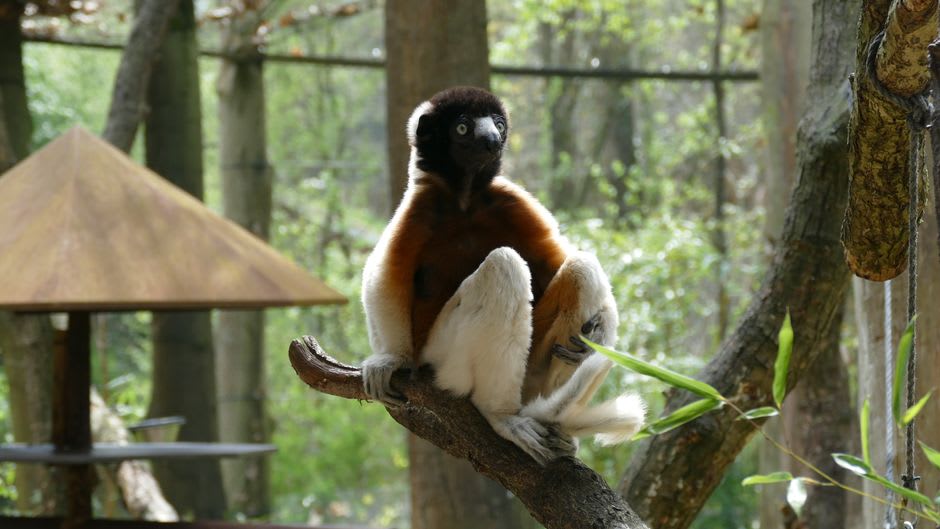
My guide, a soft-spoken man named Willy who’d worked the park for over a decade, found a family of Coquerel’s sifaka within the first stretch of trail — pale-furred, chestnut-patched, moving through the canopy in that signature sifaka style of near-vertical leaps between trunks that always looks more like flying than climbing. One young sifaka came low enough that I could see the individual hairs on its face lit up backlit by a shaft of morning sun, entirely unbothered by us standing directly beneath it. Willy also pointed out a fork-marked lemur high in the branches, quieter and more skittish than the sifaka, gone before I’d properly focused the camera.
Lake Ravelobe and Its Residents
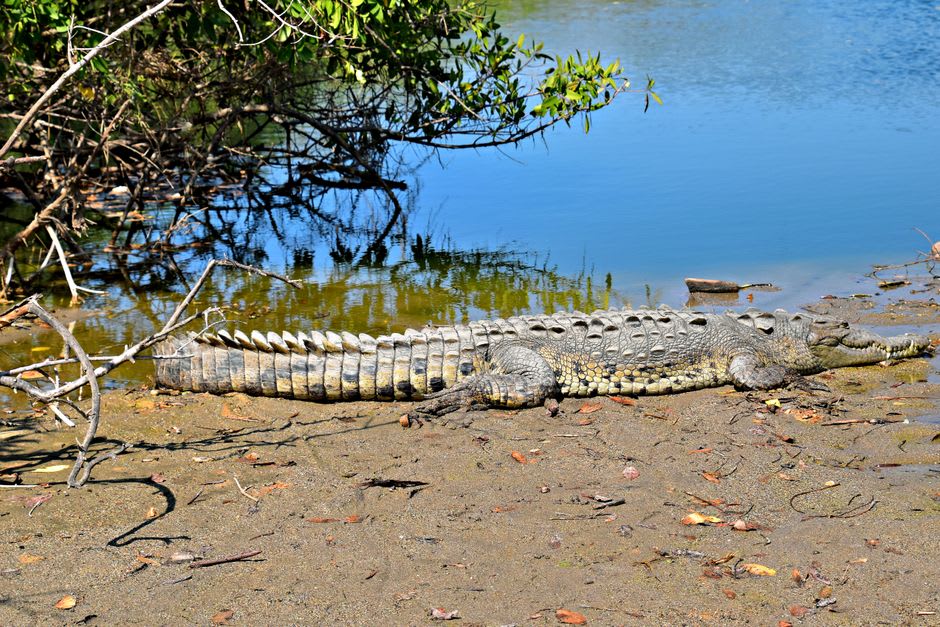
The park’s centerpiece for most visitors is Lac Ravelobe, a broad, still lake near the entrance that holds a substantial Nile crocodile population, along with herons, egrets, and the occasional fish eagle working the shallows. A short boardwalk lets you get close without getting close, which felt like the right amount of proximity — I watched one crocodile hold position motionless for the better part of twenty minutes, only its eyes above the waterline, before sliding under without a ripple.
The Research Station Down the Road
A short drive from the main visitor area, the Ampijoroa research station has run long-term studies on the park’s lemur populations for decades, and some of the researchers were happy to talk between fieldwork sessions — one told me about tracking radio-collared sifaka groups through territorial disputes that played out over years, which made the half hour I’d spent watching one family feel appropriately small in scale.
By late afternoon the heat had flattened everything into stillness, cicadas the only sound, and I sat by the lake with a bottle of warm water thinking about how easy it would have been to keep driving past all of this, the way I nearly had the first time.
When to go: April through November for passable roads and active daytime wildlife. The park sits directly on the RN4, making it an easy stop between Antananarivo and Mahajanga.
Keep exploring
More from Madagascar
 madagascar
 Ankarana Reserve
A northern fortress of razor-edged limestone rising from dry forest, riddled with caves that hold crocodile pools and Malagasy sacred sites in equal measure.
Explore madagascar
 Antananarivo
Madagascar's improbable capital stacked across twelve hills, where French colonial facades lean against highland palaces and the market at Analakely sells everything from zebu parts to SIM cards at competitive speed.
Explore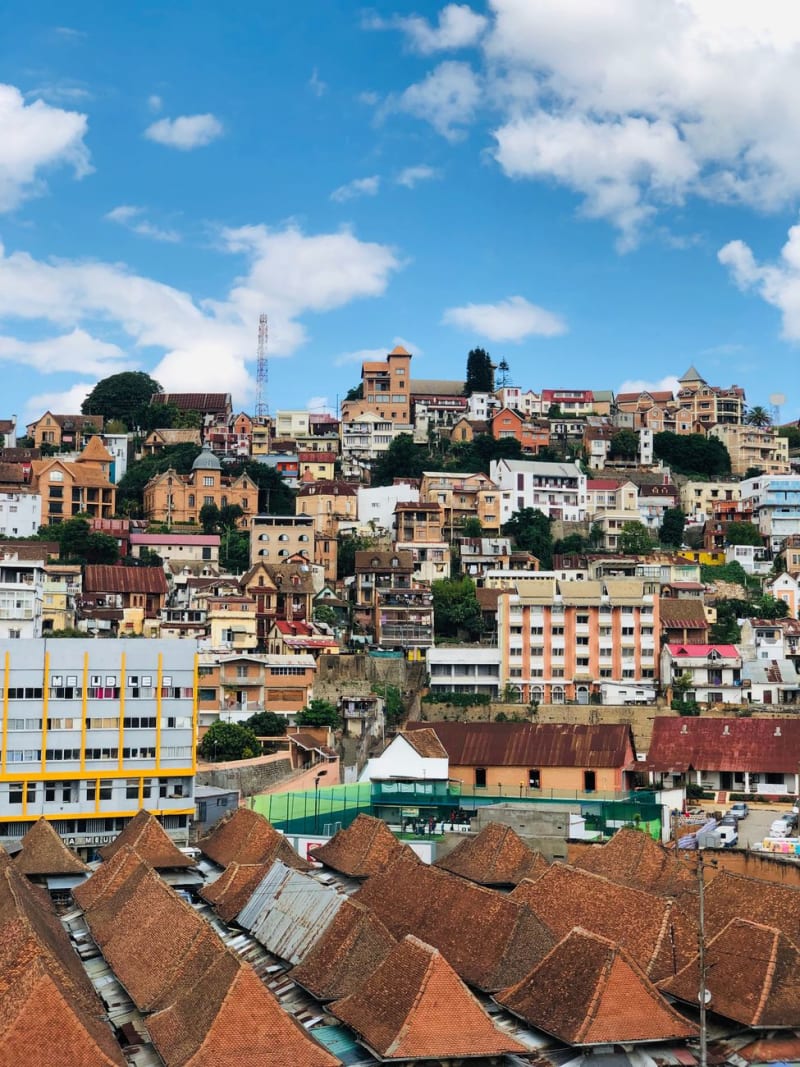 madagascar
 Antsirabe
A faded highland spa town of pastel colonial villas and thousands of brightly painted rickshaws, where thermal springs and craft workshops fill the cool mountain air.
Explore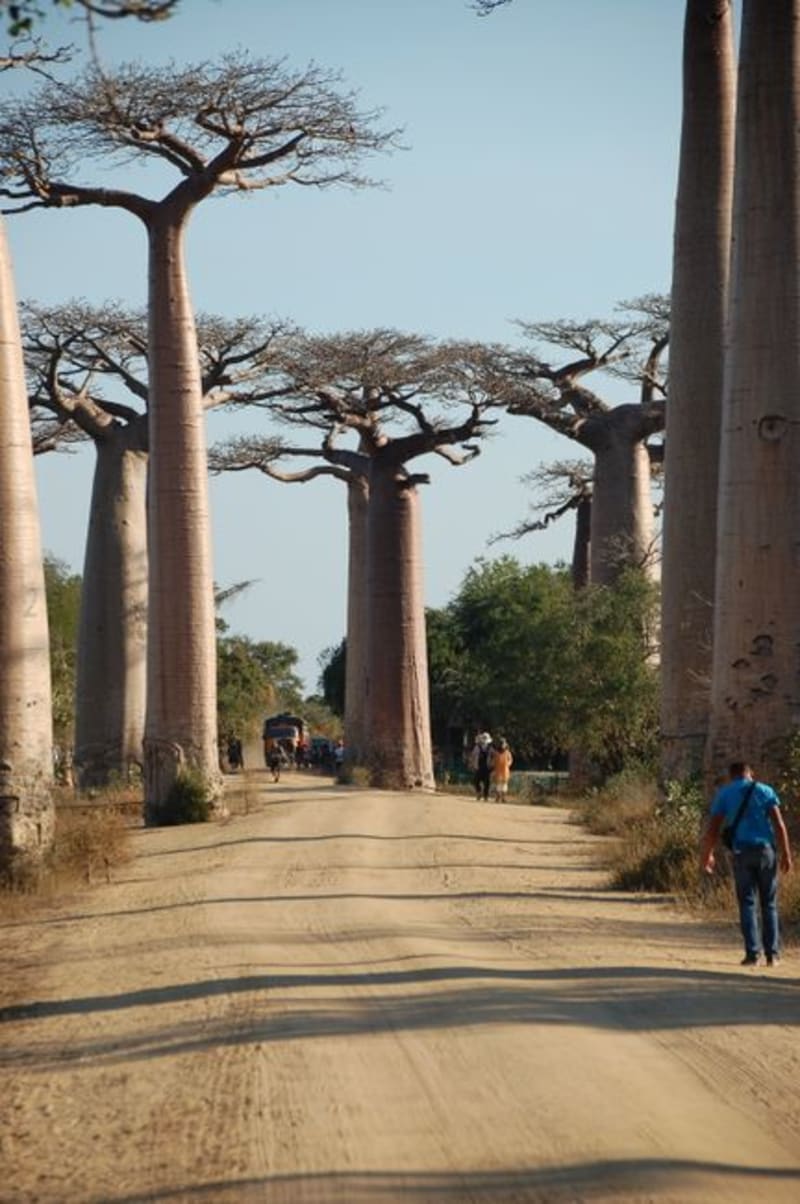 madagascar
 Baobab Amoureux
Two baobabs outside Morondava that grew into each other over centuries, twisted into a single trunk that locals read as a love story.
Explore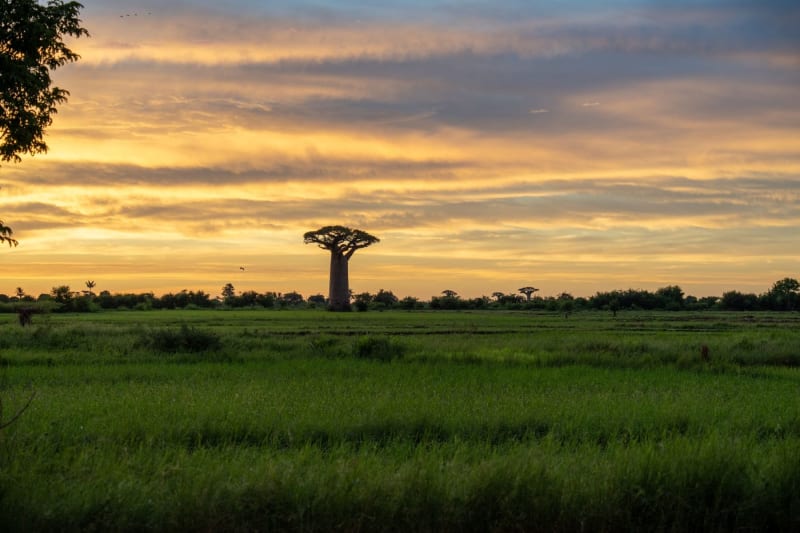 madagascar
 Baobab Avenue
Ancient baobab trees 800 years old lining a laterite road at sunset — Madagascar's most iconic image.
Explore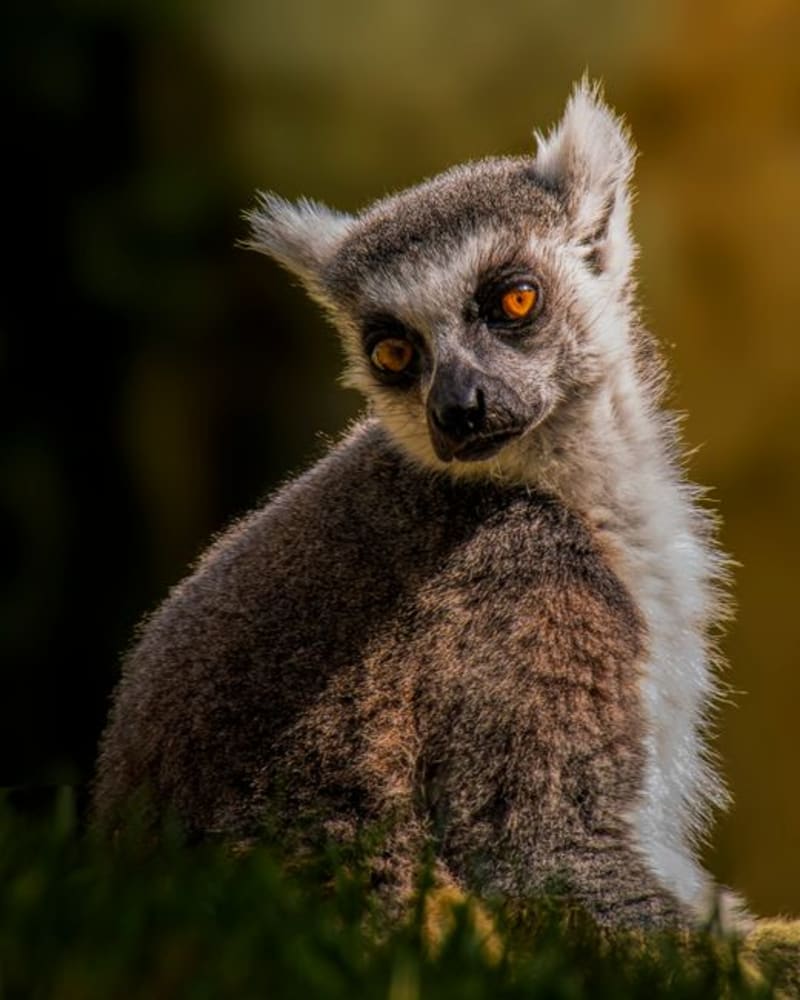 madagascar
 Berenty Private Reserve
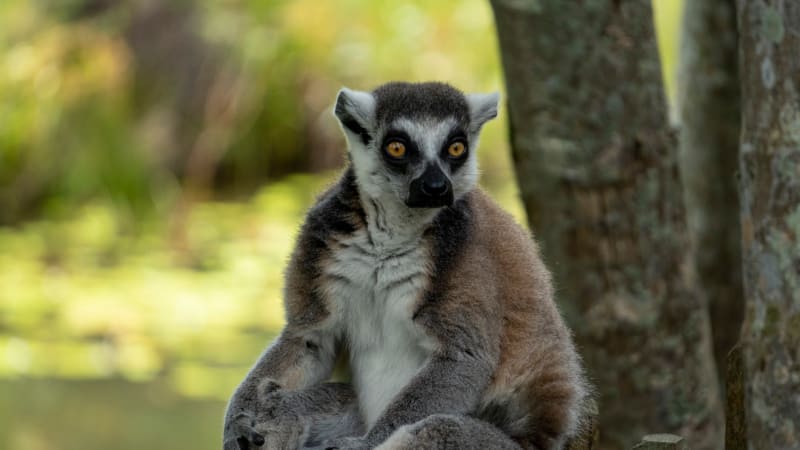
A private reserve in the deep south where ring-tailed lemurs sunbathe in yoga poses and sifaka cross open ground in a sideways dance.
Explore