Anja Community Reserve
"I counted past forty lemurs and lost track. The guide told me that was maybe a third of what lived there."
A small community-run park of granite boulders near Ambalavao holding one of the densest ring-tailed lemur populations in Madagascar.
Anja sits just south of Ambalavao, a modest patch of granite outcrop and forest that on paper shouldn’t compete with Madagascar’s larger national parks — it’s small, entirely community-owned and managed rather than run by the national parks authority, and took me under two hours to walk in full. What it lacks in scale it makes up for in sheer density: Anja holds, by most estimates, several hundred ring-tailed lemurs across a reserve you can properly explore in a single unhurried morning.
A Community That Chose This
What makes Anja distinct isn’t only the lemurs but the model behind the reserve — established in the mid-1990s and run entirely by the local Betsileo community, who chose conservation and guided tourism over continued deforestation and hunting after seeing the lemur population declining. Entry fees and guiding income go directly back into the village, and my guide, a young woman named Voninavoko, talked with obvious pride about how the reserve had funded a new school building and a water project in the years since it opened. It’s one of the more convincing conservation success stories I encountered anywhere in the country, precisely because the incentive structure lines up so cleanly.
Lemurs That Don’t Bother Hiding
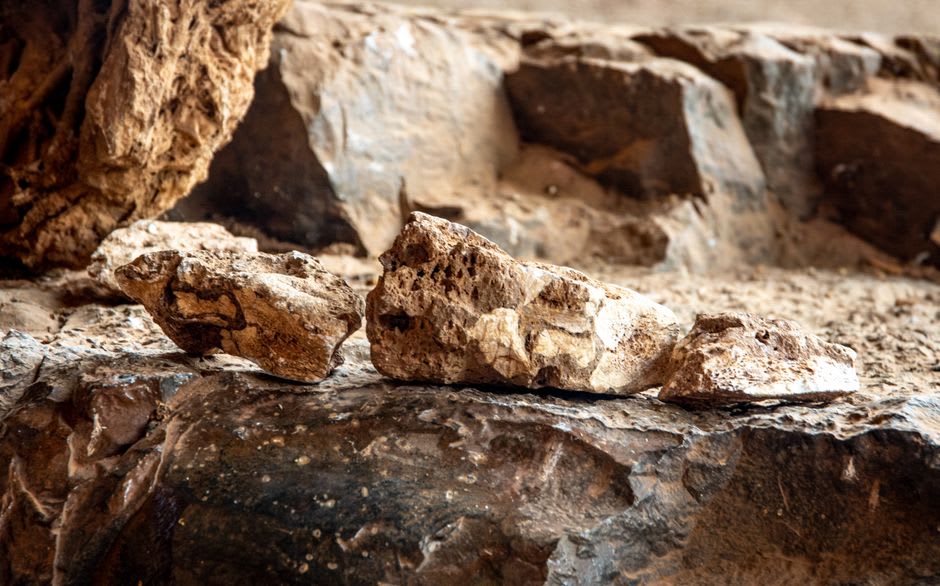
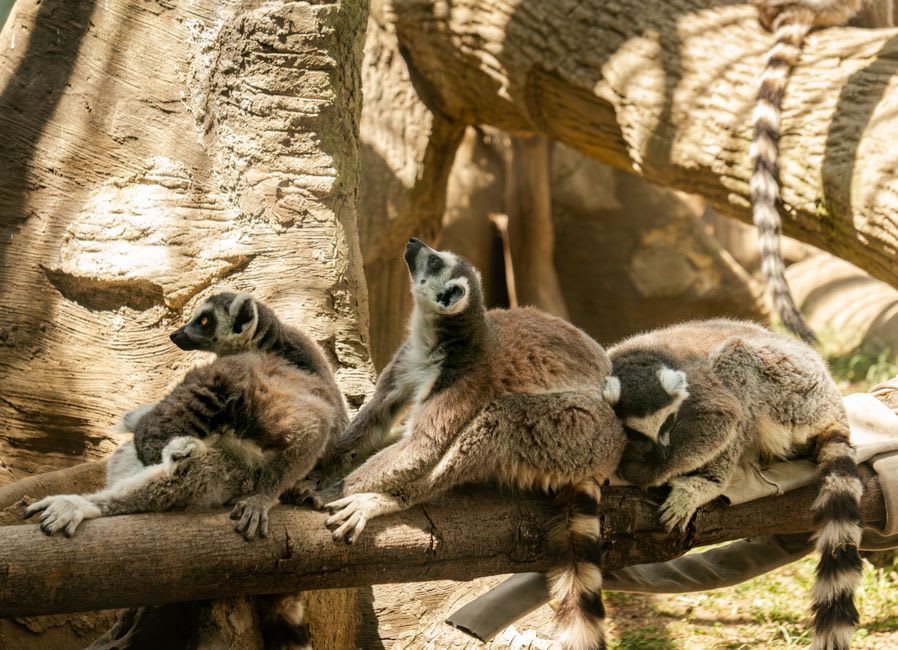
The ring-tailed lemurs here have grown so accustomed to visitors that finding them barely requires effort — we found our first troop within five minutes of entering, a dozen animals sprawled across a sun-warmed boulder in poses of complete surrender to the morning heat, tails hanging loose over the rock edge like something draped there deliberately. Ring-tails are more terrestrial than most lemur species, comfortable moving across open ground between boulders rather than staying in the canopy, and watching a troop cross a clearing single file, tails held vertical like a row of exclamation marks, was worth the visit on its own.
Into the Granite
The reserve’s granite formations include a scramble-able cave system locals call the “sacred cave,” used historically as a hiding place during regional conflicts, and a network of natural corridors between boulders that Voninavoko navigated with the easy familiarity of someone who’d grown up playing in them. From the highest accessible point, the view opens out over Ambalavao’s rice paddies and the road heading toward Andringitra’s peaks in the distance, granite in every direction it seemed possible to look.
Anja is often treated as a quick stop between Fianarantsoa and Isalo, a two-hour box to tick on a longer itinerary, and I understand why given the schedules most people are working with. But it deserves to be judged on its own terms — a small, community-owned, genuinely thriving pocket of forest that’s done more with less than some far larger parks I visited on the same trip.
When to go: Year-round; the reserve is small enough to visit comfortably even as a brief stop, though arriving early avoids both the midday heat and the tour bus crowds.
Keep exploring
More from Madagascar
 madagascar
 Ankarafantsika National Park
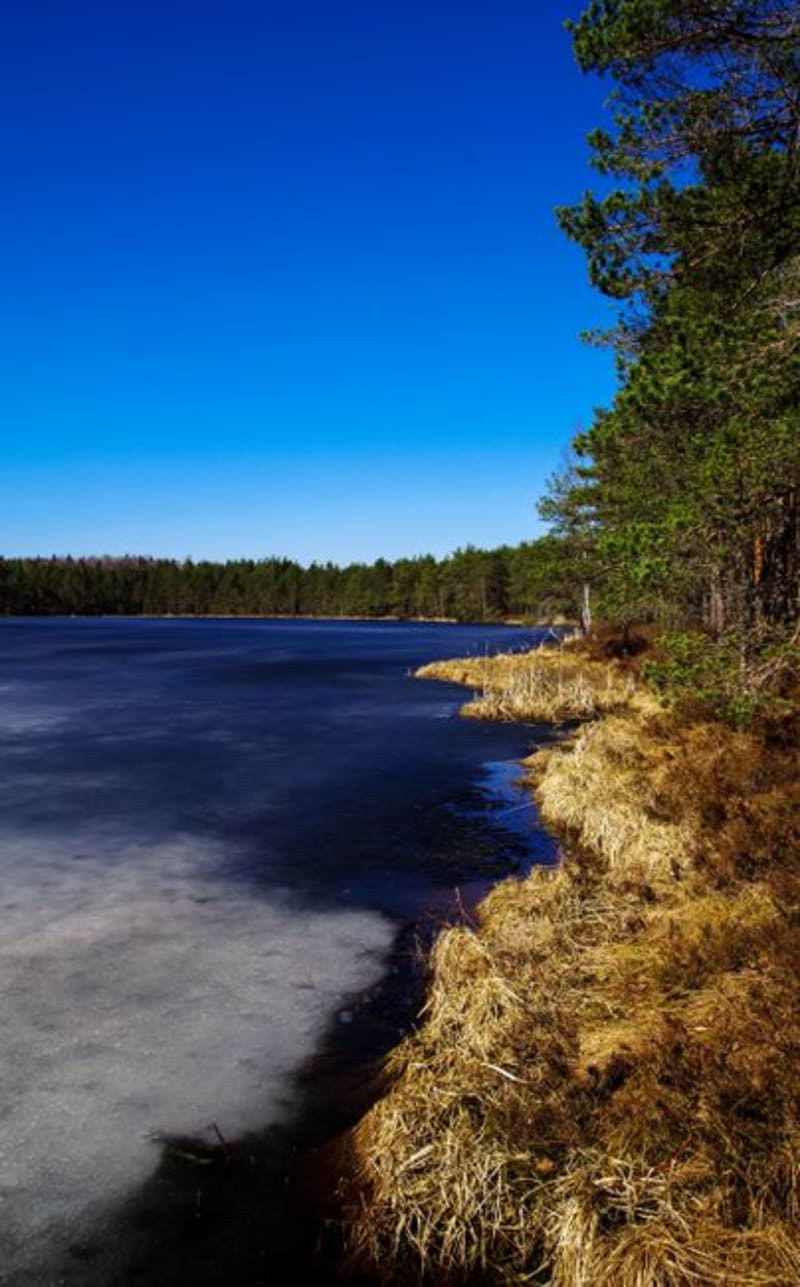
A dry forest reserve wrapped around a wide, crocodile-holding lake, roadside on the route between Mahajanga and the highlands but rarely stopped for.
Explore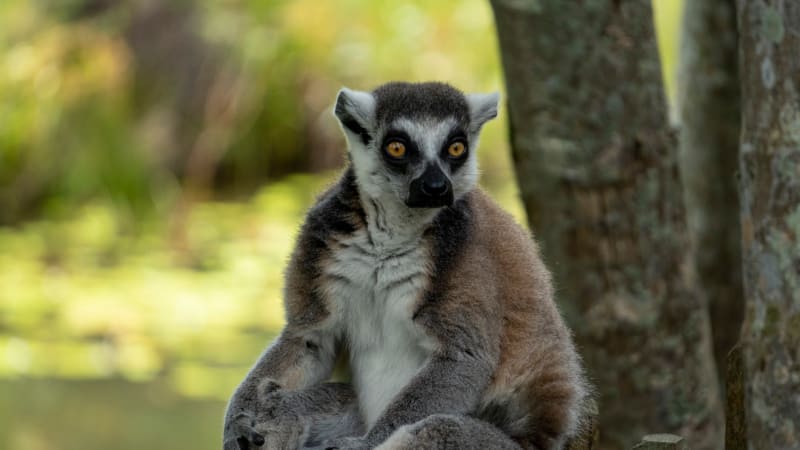 madagascar
 Ankarana Reserve
A northern fortress of razor-edged limestone rising from dry forest, riddled with caves that hold crocodile pools and Malagasy sacred sites in equal measure.
Explore madagascar
 Antananarivo
Madagascar's improbable capital stacked across twelve hills, where French colonial facades lean against highland palaces and the market at Analakely sells everything from zebu parts to SIM cards at competitive speed.
Explore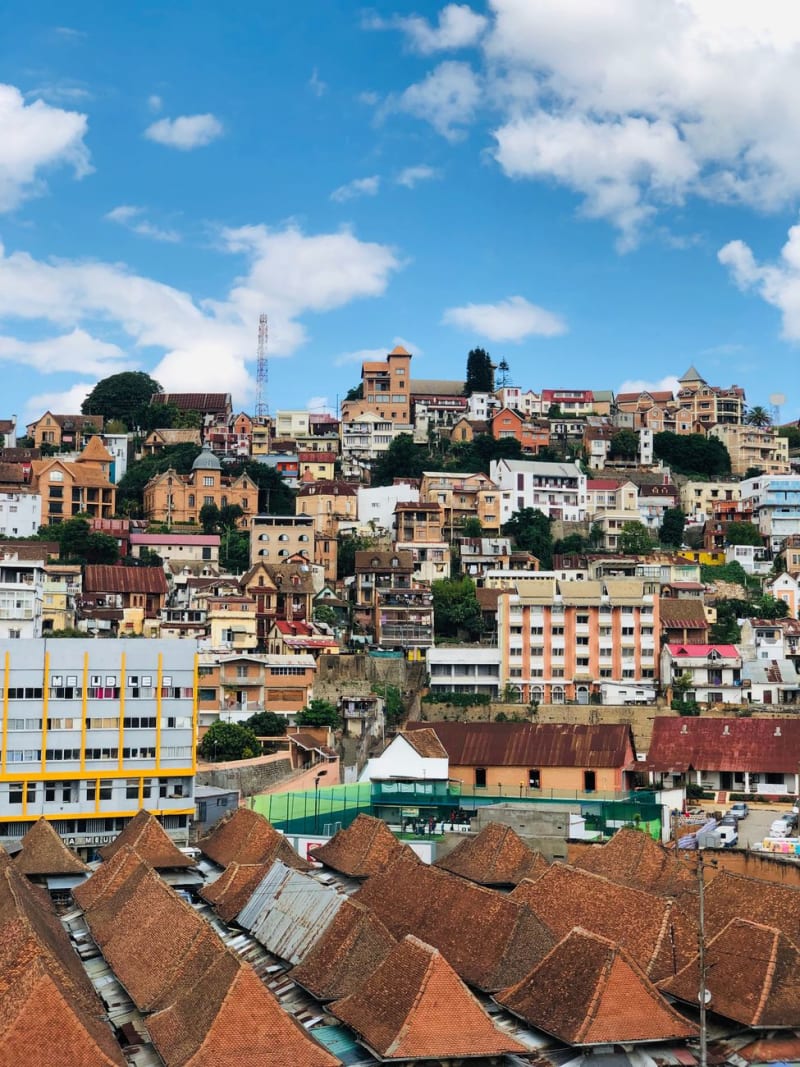 madagascar
 Antsirabe
A faded highland spa town of pastel colonial villas and thousands of brightly painted rickshaws, where thermal springs and craft workshops fill the cool mountain air.
Explore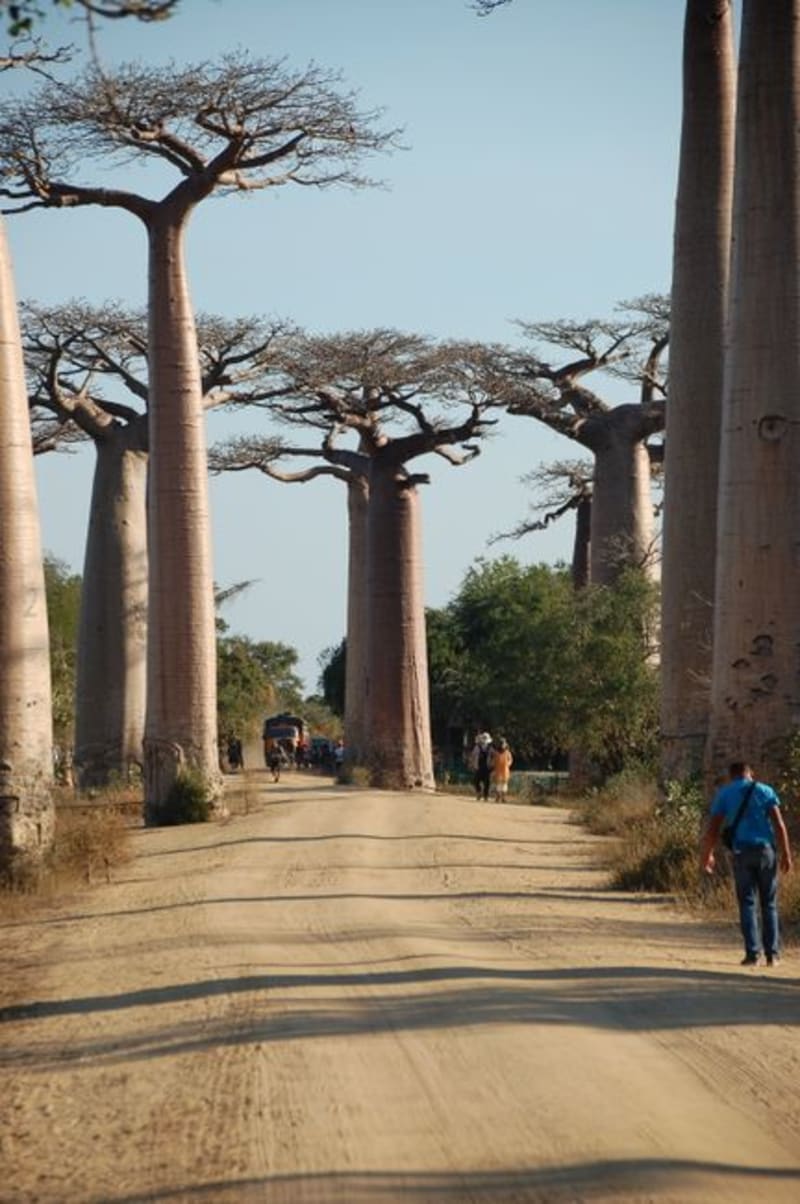 madagascar
 Baobab Amoureux
Two baobabs outside Morondava that grew into each other over centuries, twisted into a single trunk that locals read as a love story.
Explore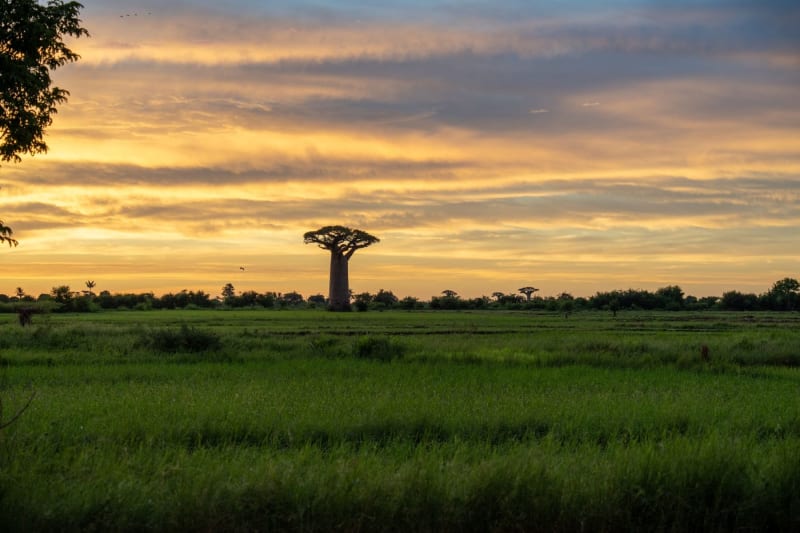 madagascar
 Baobab Avenue
Ancient baobab trees 800 years old lining a laterite road at sunset — Madagascar's most iconic image.
Explore