Andringitra National Park
"I packed for tropical Madagascar. I woke up in Andringitra needing every layer I owned and a few I didn't."
A granite massif in the southern highlands with Madagascar's second-highest peak, cold enough at night that frost isn't unheard of.
Nobody warns you properly about the cold. Andringitra sits in the southern highlands a few hours from Ambalavao, its granite peaks rising to over 2,600 meters, and the elevation does something to the climate that felt almost like a joke after weeks of coastal heat elsewhere in Madagascar — frost forms on the higher slopes some winter mornings, and I spent my first night in the park’s basic gîte wearing every piece of clothing I’d brought and still not quite warm.
Pic Boby and the Long Climb
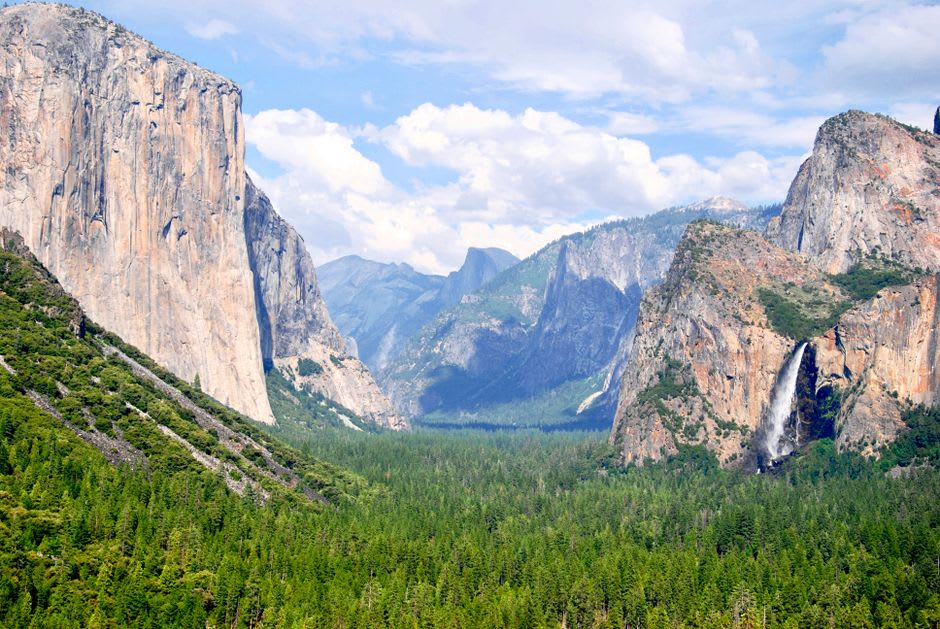
The park’s main draw for hikers is Pic Boby, officially Imarivolanitra, Madagascar’s second-highest summit, reachable on a demanding but non-technical day hike that starts well before dawn to catch the summit light. My guide, Rado, set a pace that felt punishingly slow for the first hour and then made complete sense once the altitude and the switchbacks started compounding. The final approach crosses open granite slabs with almost no vegetation, wind picking up hard enough that conversation became pointless, until the summit opens onto a view across folded green valleys and, on a clear day, as far as the coastal plains in the distance.
The Valley of a Thousand Lemurs
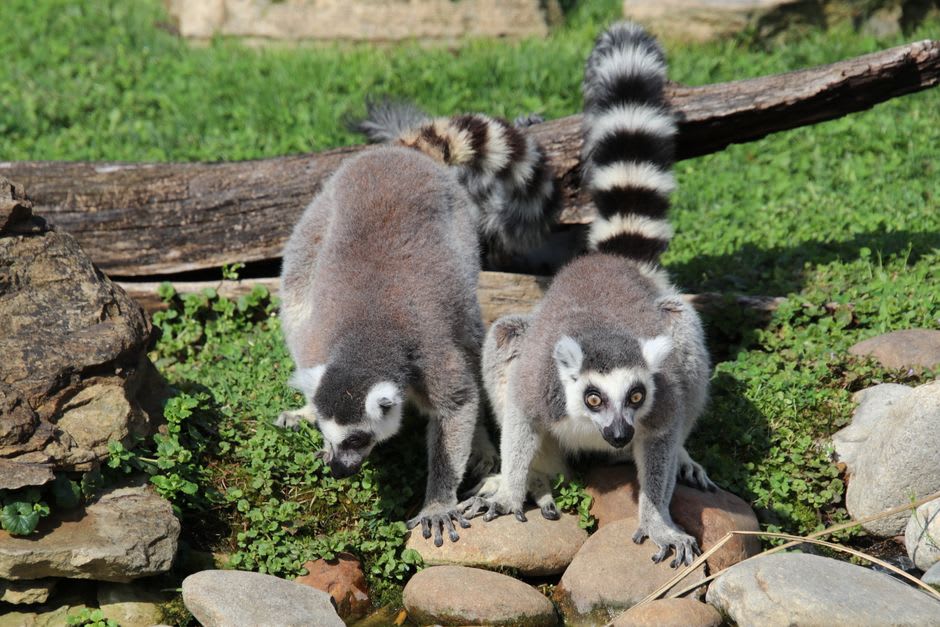
Lower down, in a section locals call the Vallée des Lémuriens for its dense ring-tailed lemur population, we spent an easier afternoon watching troops move through granite boulder fields in a way that felt distinct from any lemur habitat I’d seen elsewhere — these animals clearly built their whole behavioral repertoire around rock rather than tree canopy, leaping between sunwarmed boulders and sunning themselves flat against the stone with visible contentment. Rado told me the population here had adapted over generations to a colder, drier environment than most ring-tailed lemur habitat, and it showed in a slightly denser coat than I’d noticed on lemurs further north.
Villages Cut Into the Slopes
The Betsileo and Bara communities living around the park’s edges farm terraced rice paddies up impossibly steep valley walls, a landscape of green steps that Rado said had been shaped by hand over multiple generations without modern equipment. We stopped at a small village on the descent where a woman offered us fresh milk and a kind of flatbread cooked directly on a wood fire, and I ate it sitting on a low stone wall watching zebu being driven back from a distant pasture as the light started to go.
Coming back down from the summit that first day, legs gone rubbery on the descent, I remember thinking Andringitra felt less like the Madagascar of the tourist brochures — no lemurs draped in soft light, no baobab silhouettes — and more like a genuinely wild, cold, granite-boned mountain range that happened to have some of the country’s best hiking hidden inside it.
When to go: April through November, dry season, when trails are passable and skies clear for summit views. Nights are cold year-round at altitude — pack more warm layers than you think you’ll need.
Keep exploring
More from Madagascar
 madagascar
 Anja Community Reserve
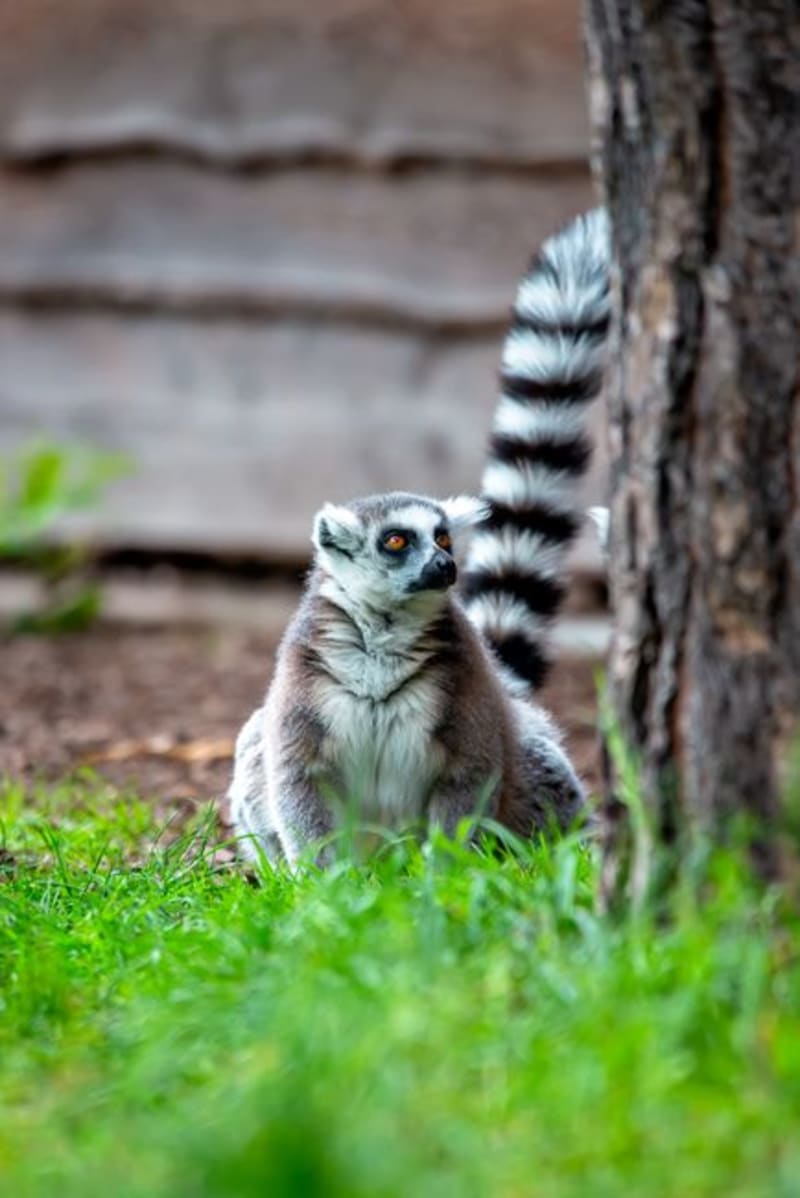
A small community-run park of granite boulders near Ambalavao holding one of the densest ring-tailed lemur populations in Madagascar.
Explore madagascar
 Ankarafantsika National Park
A dry forest reserve wrapped around a wide, crocodile-holding lake, roadside on the route between Mahajanga and the highlands but rarely stopped for.
Explore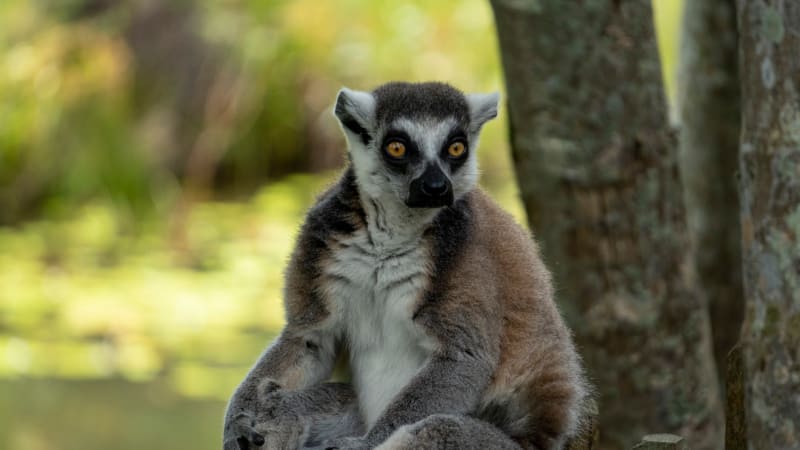 madagascar
 Ankarana Reserve
A northern fortress of razor-edged limestone rising from dry forest, riddled with caves that hold crocodile pools and Malagasy sacred sites in equal measure.
Explore madagascar
 Antananarivo
Madagascar's improbable capital stacked across twelve hills, where French colonial facades lean against highland palaces and the market at Analakely sells everything from zebu parts to SIM cards at competitive speed.
Explore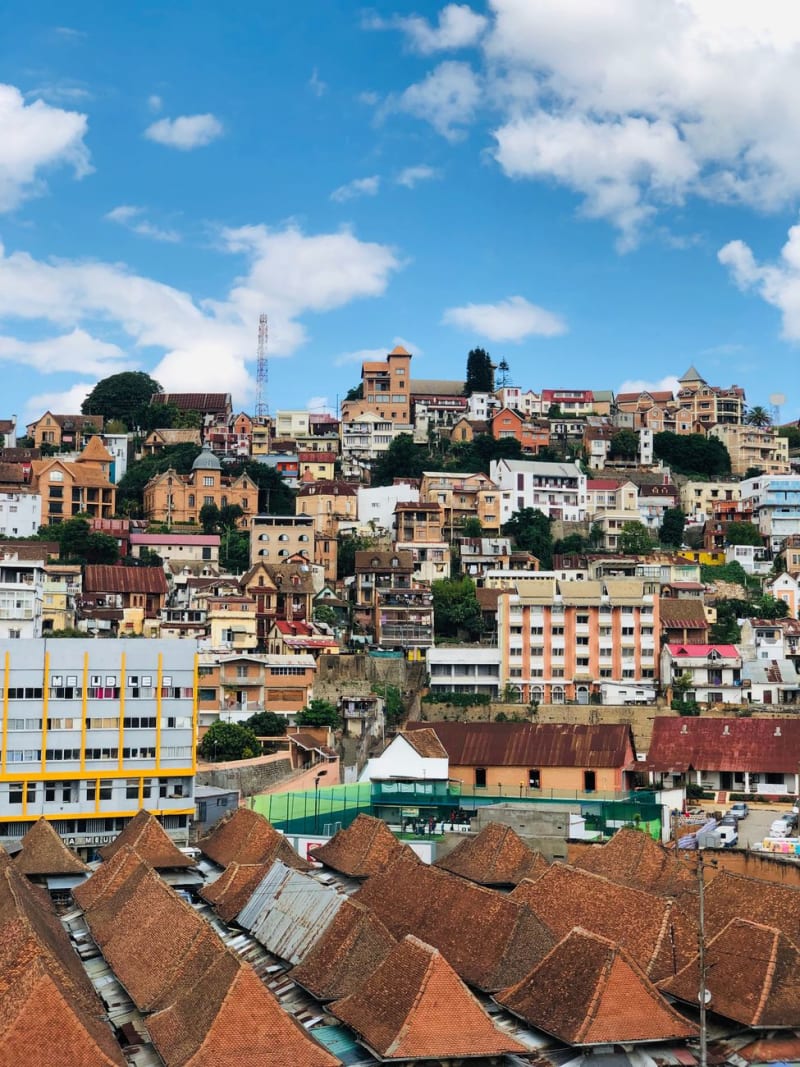 madagascar
 Antsirabe
A faded highland spa town of pastel colonial villas and thousands of brightly painted rickshaws, where thermal springs and craft workshops fill the cool mountain air.
Explore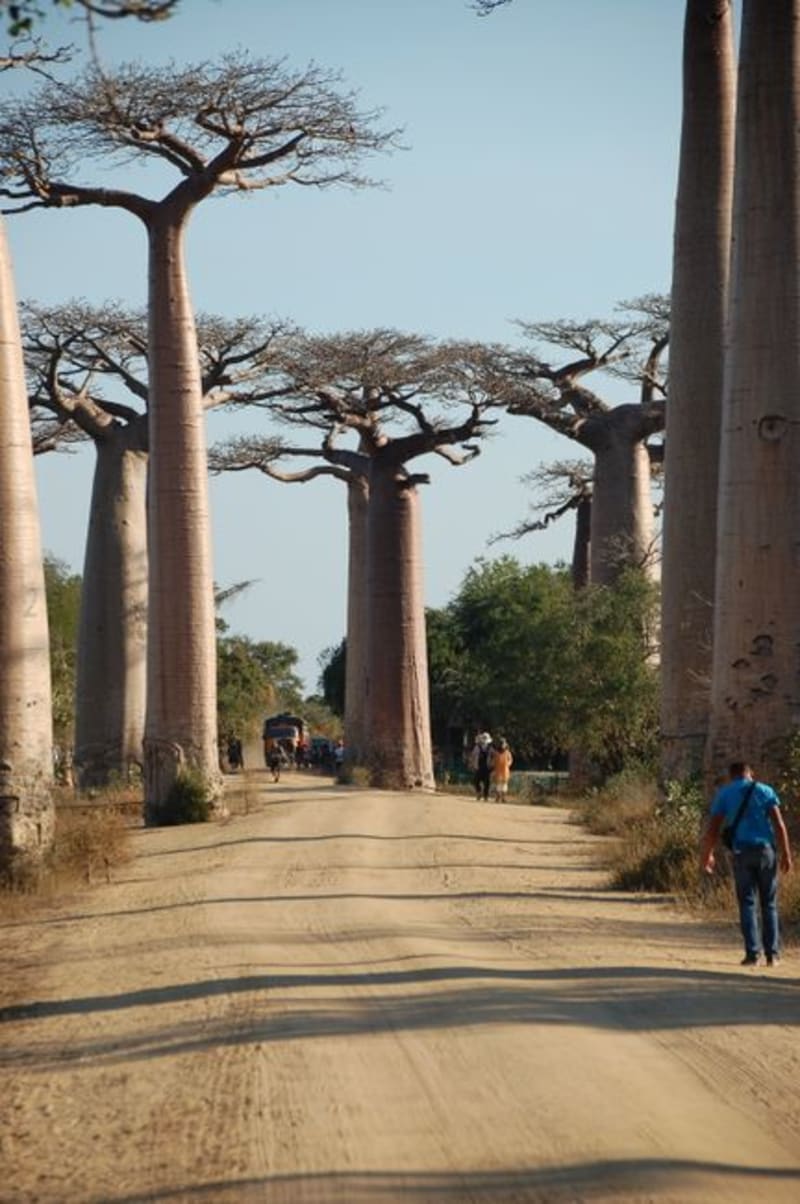 madagascar
 Baobab Amoureux
Two baobabs outside Morondava that grew into each other over centuries, twisted into a single trunk that locals read as a love story.
Explore