
Rua da Felicidade
"They named it the Street of Happiness ironically. The name stuck. The food makes it true."
The Street of Happiness — once a red-light district, now a pedestrian lane of red-shuttered shophouses where Macau's food culture is most concentrated.

The name is not accidental and not entirely sincere. Rua da Felicidade — the Street of Happiness — was the main street of Macau’s old licensed prostitution district in the nineteenth and early twentieth centuries. The brothels are long gone. What remains is a narrow pedestrian lane lined with two-story shophouses, their facades painted in a deep terracotta red with traditional wooden shutters, lanterns hanging between the upper floors, the whole thing preserved with more genuine care than most colonial street scenes I’ve seen in Asia.
I arrived around five in the evening, when the food stalls were setting up and the light was going golden over the rooftops. The street is not long — maybe two hundred meters — but it concentrates more edible interest per square meter than almost anywhere in the territory. Pork jerky shops operate from open-front counters, the dried meat hanging in curtains and the smell of soy and five spice hitting you before you round the corner. There are almond cake bakeries, egg roll shops, establishments selling the flat Portuguese custard pastries that differ subtly from the Coloane version (here they’re more vanilla-forward, less caramelized at the edge). A woman sold turnip cake from a cart — fried squares of carrot and radish cake pressed until they develop a crisp exterior and a soft, slightly gelatinous interior — that I ate with chopsticks from a paper cup while standing in the middle of the lane, getting in everyone’s way and not caring particularly.

What I love about Rua da Felicidade is the way it functions as a working neighborhood rather than a preserved artifact. People live above the shops. Laundry hangs from upper windows. An elderly man sits in a reclining chair in a doorway, reading a newspaper. The tourist presence is real but hasn’t displaced everything — the street is still orientated around the exchange of food between neighbors, between locals, between people who know exactly what they want from which counter. I watched a transaction at a bakery where the proprietor and the customer clearly knew each other well, a negotiation that involved a paper bag, a disagreement about quantity, and resolution via a small additional cake pressed into the bag without fanfare.
The area around the street rewards wandering: Patio da Ilusão (the Court of Illusion, which sounds like the name of a nightclub but is in fact an atmospheric dead-end courtyard behind a traditional gate) is two minutes away. The Mandarin’s House — a nineteenth-century Chinese mansion that belonged to the family of writer Zheng Guanying — is a ten-minute walk. The house is enormous by old Macau standards, a maze of courtyards and reception rooms and private family quarters arranged around a principal hall, and it shows more clearly than anywhere else in the territory what serious private wealth looked like in Qing-dynasty Macau.

When to go: Late afternoon into evening, when food stalls open and the light is warm on the red facades. Morning is quieter and good for the bakeries when they’re freshest. The street is essentially always accessible but shops close by around 9pm.
Keep exploring
More from Macau
 macau
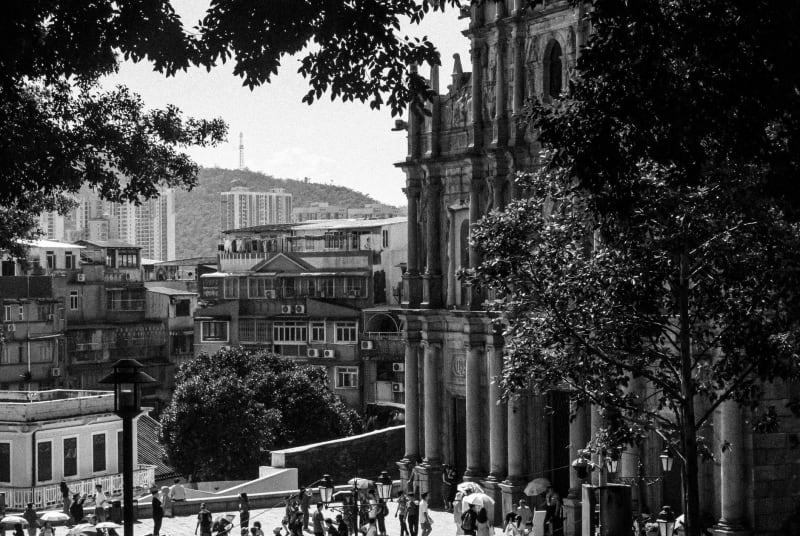
Ruins of St. Paul's
A baroque stone facade standing alone against the sky — the church burned down two centuries ago, and what remains is somehow more powerful than the original.
Explore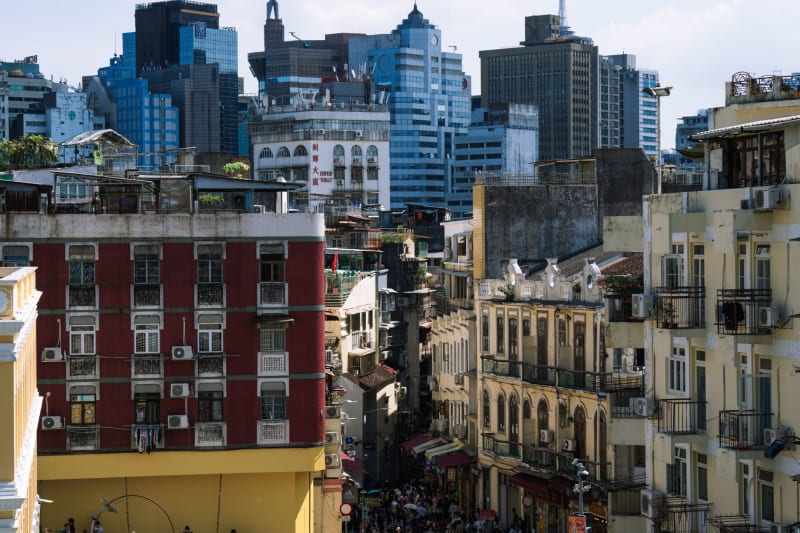 macau
Senado Square
A Portuguese mosaic plaza at the center of a Chinese city, where the past and the casino age coexist in uneasy, beautiful proximity.
Explore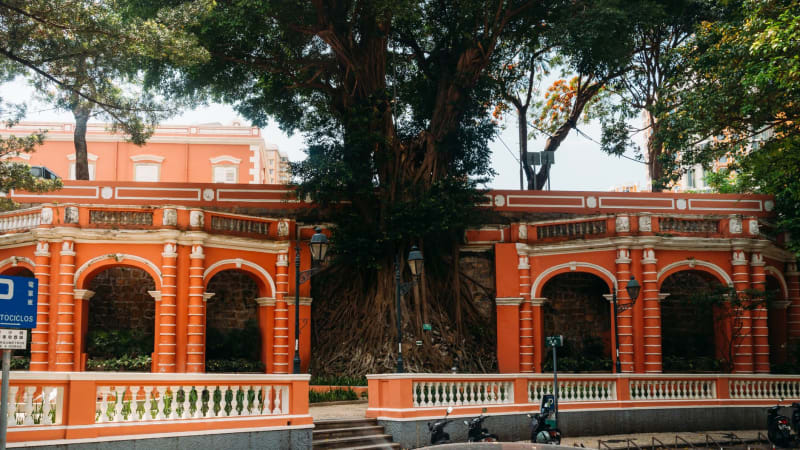 macau
Taipa Village
The quieter island village where Macanese food culture is most alive, and where colonial mansions painted in five colors line a street that earns the walk.
Explore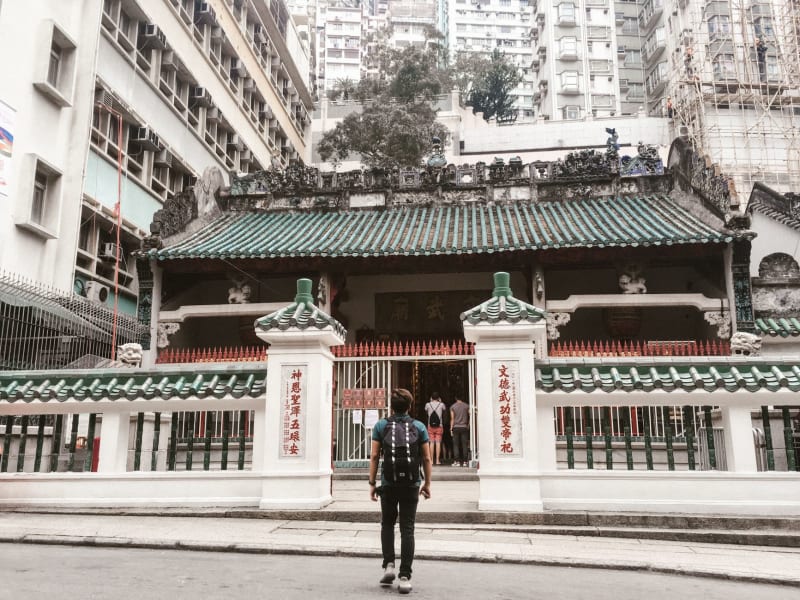 macau
A-Ma Temple
The oldest temple in Macau, built before the Portuguese arrived and dedicated to the sea goddess whose name became the city's — this is where Macau begins.
Explore macau
Coloane Village
A former fishing village on Macau's quietest island, where time runs slower and the egg tart that conquered a city was born.
Explore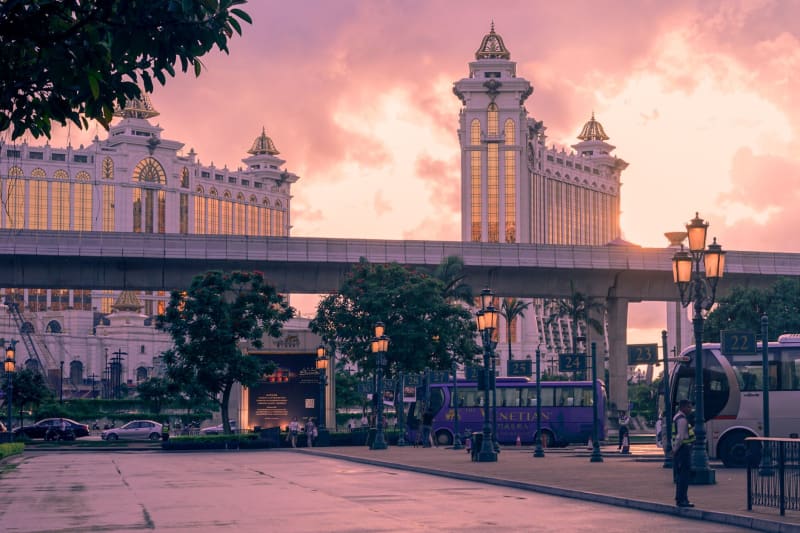 macau
Cotai Strip
A chunk of reclaimed sea turned into the world's most lucrative gambling district — ridiculous, fascinating, and impossible to look away from.
Explore