Asia
Macau
"I came for the casinos and stayed for the egg tarts."
A peninsula where Jesuit stone facades face casino towers, and where the world's biggest gambling industry somehow didn't manage to erase four centuries of Portuguese colonial life.

I arrived on the ferry from Hong Kong, which takes about an hour and deposits you into a terminal the size of a small airport. The moment you clear immigration, the casino buses are waiting — free shuttles wrapped in gold logos, idling in rows, ready to whisk you somewhere that could be Las Vegas or Macau or nowhere at all. I took one, then immediately regretted it. Because the real Macau — the one that justifies the trip — is not on the Cotai Strip.
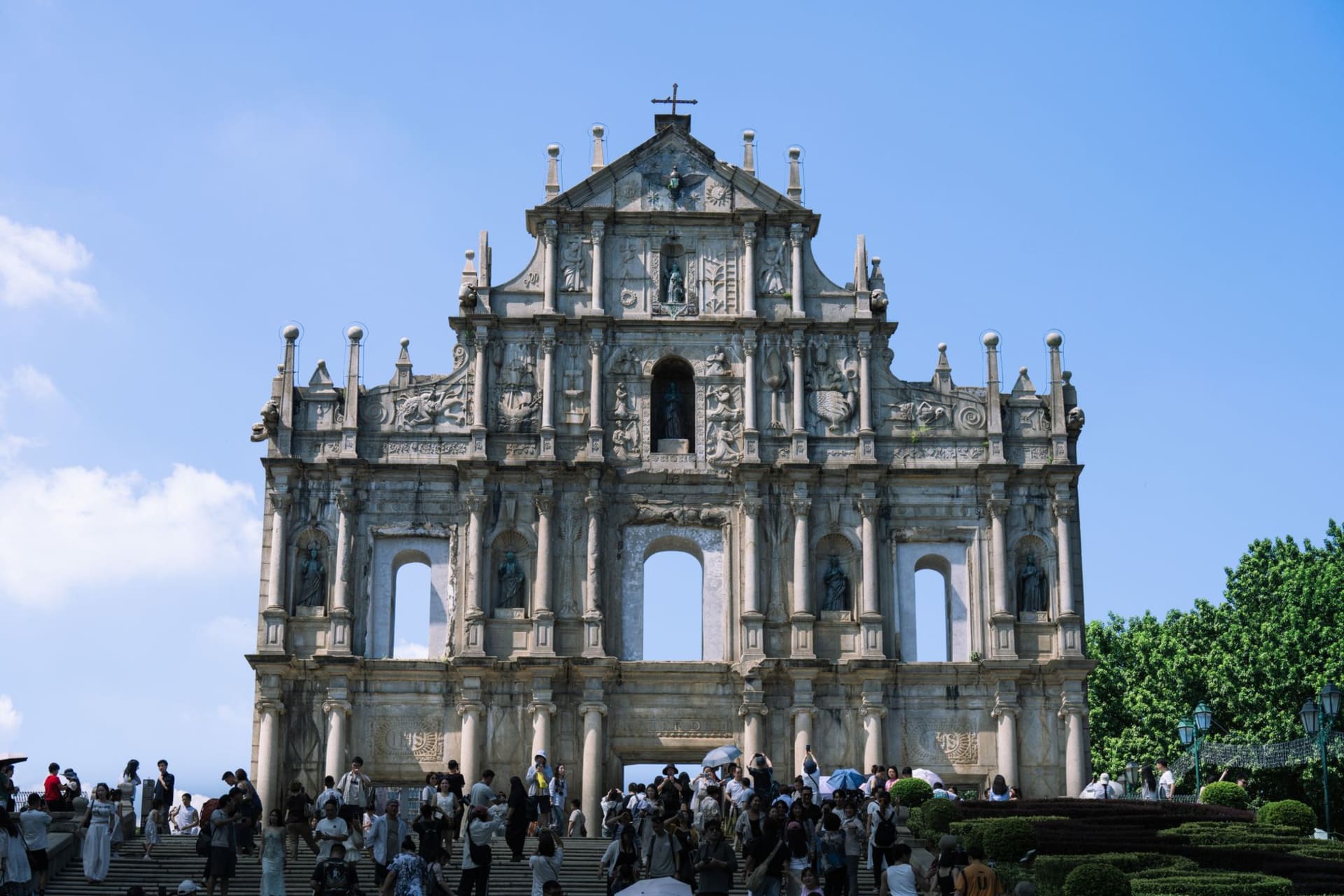
The Historic Centre is a UNESCO World Heritage Site, and for once that designation means something. The Ruins of St. Paul’s are what everyone photographs: a baroque stone facade standing alone, the church behind it long since destroyed by fire, the stone front holding against the sky like a folded stage set. But what surprises you is the neighborhood around it — Senado Square paved in hand-laid mosaic stones, pastel-painted buildings with Portuguese azulejo tile work, old men playing cards in the shade of a banyan tree five minutes from a casino with a thousand slot machines. The Portuguese left in 1999 but they left their bones in the architecture, and the Chinese city that grew up around those bones created something that exists nowhere else on earth. The food is the proof: pastel de nata, the egg custard tart that originated in Lisbon’s monasteries, has a Macanese cousin here that’s burnished darker and more custardy, served in tiny bakeries that have been doing exactly this since before most Western cities had paved streets.
The scale mismatch is disorienting in a way I found fascinating rather than unpleasant. The Cotai Strip — a chunk of reclaimed land connecting two formerly separate islands — is where the mega-casinos live, and they are genuinely monumental things: The Venetian Macao, with a fake Grand Canal inside a building the size of a small town; the Lisboa in Old Macau, shaped like a roulette wheel when seen from above, its garish neon the most honest thing in the city. I walked through the Venetian for an hour just to understand the scale of it. There are days when I’ve had worse afternoons.
When to go: October through December is ideal — humidity drops, temperatures are comfortable in the low twenties, and the light over the facades is particularly good in the late afternoon. Avoid Chinese New Year and the Macau Grand Prix weekend in November unless you book months in advance and enjoy crowds. Summer (June–August) is hot, humid, and prone to typhoons.
What most guides get wrong: They frame Macau as either a gambling destination or a day-trip from Hong Kong. Both framings miss the point. Stay at least one night — the city after the day-trippers leave, when the neon comes on over the historic streets, is a completely different place. And the Macanese cuisine — a genuine fusion of Chinese and Portuguese techniques that developed over four centuries — is one of the most underrated in Asia. Order African chicken, caldo verde, and minchi (a Macanese hash of minced meat and potatoes) anywhere near Senado Square. You will not be disappointed.
Explore
Places in Macau
 macau
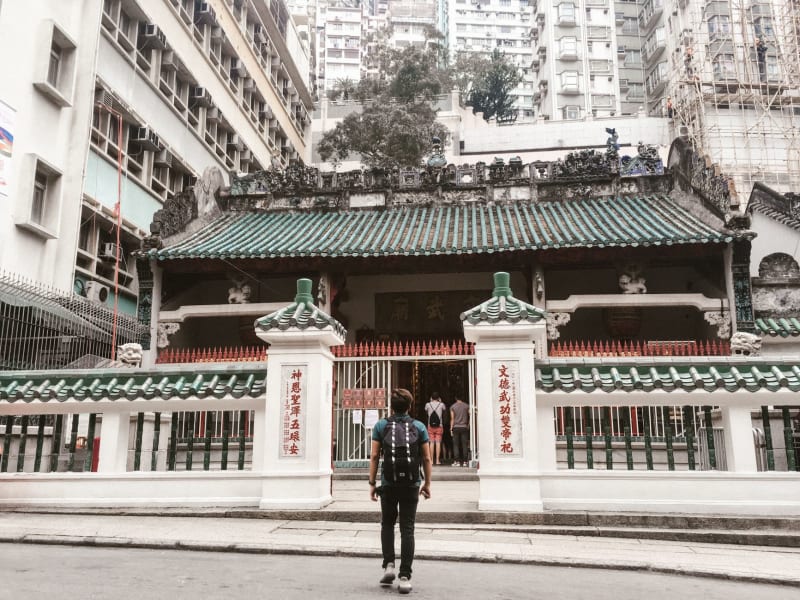
macau A-Ma Temple
The oldest temple in Macau, built before the Portuguese arrived and dedicated to the sea goddess whose name became the city's — this is where Macau begins.
Explore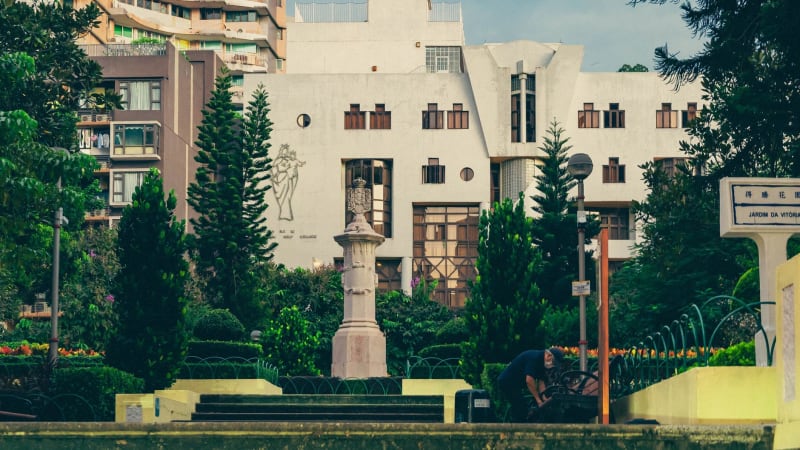 macau
macau Coloane Village
A former fishing village on Macau's quietest island, where time runs slower and the egg tart that conquered a city was born.
Explore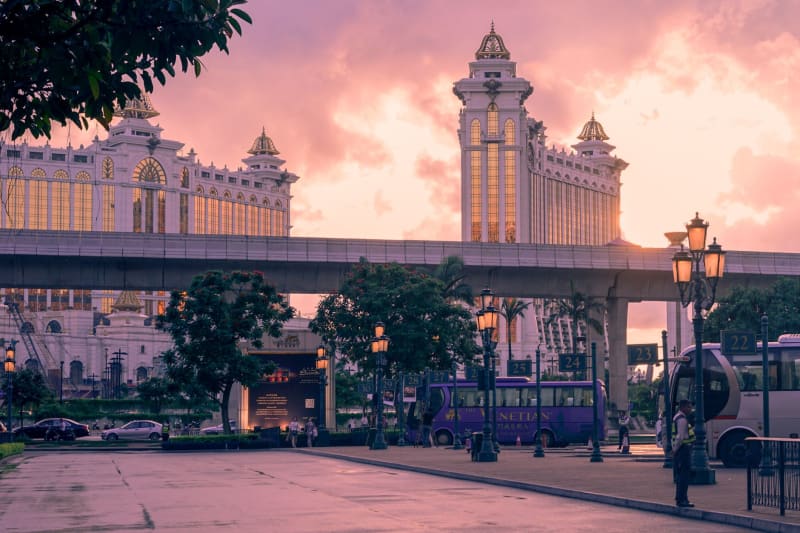 macau
macau Cotai Strip
A chunk of reclaimed sea turned into the world's most lucrative gambling district — ridiculous, fascinating, and impossible to look away from.
Explore macau
macau Guia Fortress and Lighthouse
The oldest Western-style lighthouse in Asia sits on a forested hill above the city, its whitewashed tower watching over four centuries of maritime traffic.
Explore macau
macau Hac Sa Beach
Macau's black-sand beach on Coloane's southern tip — volcanic, unexpected, and offering the rare sensation of forgetting you're in one of the world's most densely built territories.
Explore macau
macau Kun Iam Temple
A 400-year-old shrine to the goddess of mercy, where a stone table once sealed a treaty between two empires.
Explore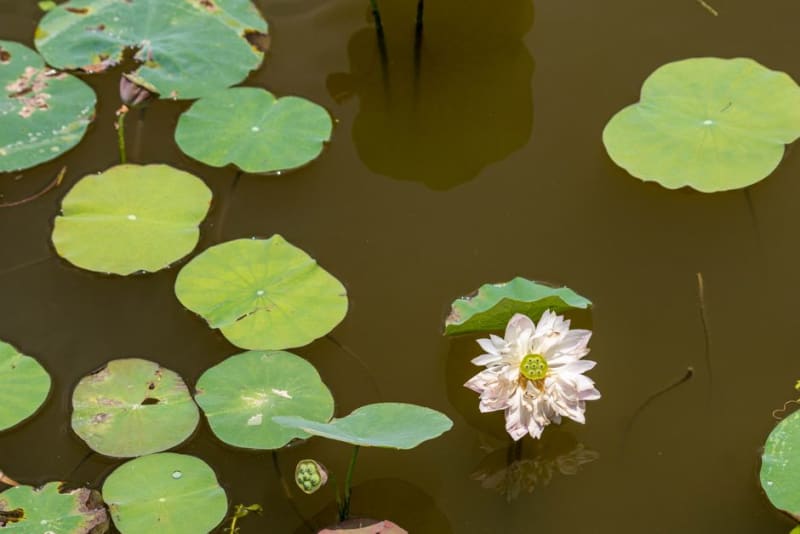 macau
macau Lou Lim Ieoc Garden
A Suzhou-style garden hidden in the middle of Macau, where a zigzagging bridge and lotus ponds slow the whole city down.
Explore macau
macau Macau Tower
A 338-metre tower over the Pearl River delta with a glass-floored observation deck and the highest commercial bungee jump on earth, which I watched other people do.
Explore macau
macau Monte Fort
A 17th-century Portuguese fortress on the hill above the historic centre, offering the clearest view of how two architectures — colonial and casino — carved up this city.
Explore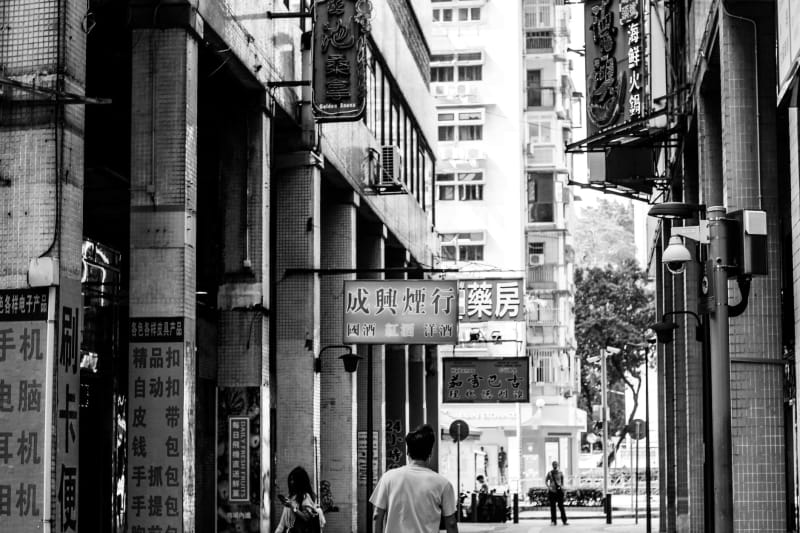 macau
macau Rua da Felicidade
The Street of Happiness — once a red-light district, now a pedestrian lane of red-shuttered shophouses where Macau's food culture is most concentrated.
Explore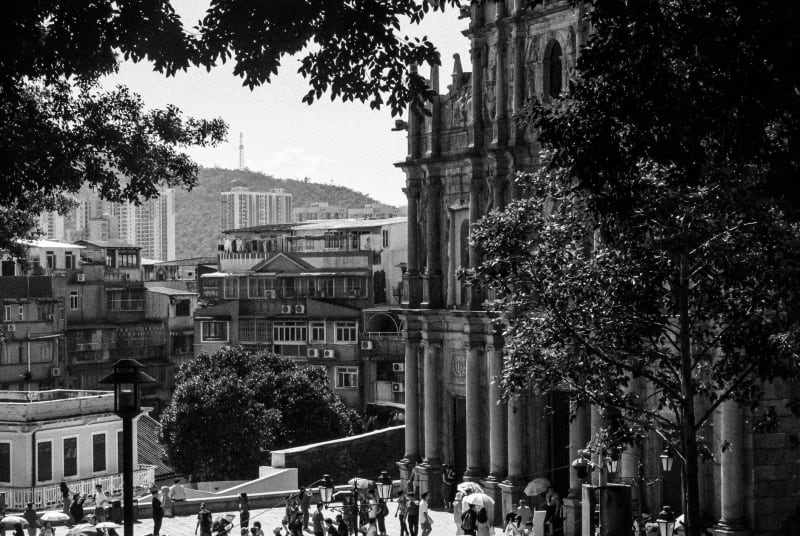 macau
macau Ruins of St. Paul's
A baroque stone facade standing alone against the sky — the church burned down two centuries ago, and what remains is somehow more powerful than the original.
Explore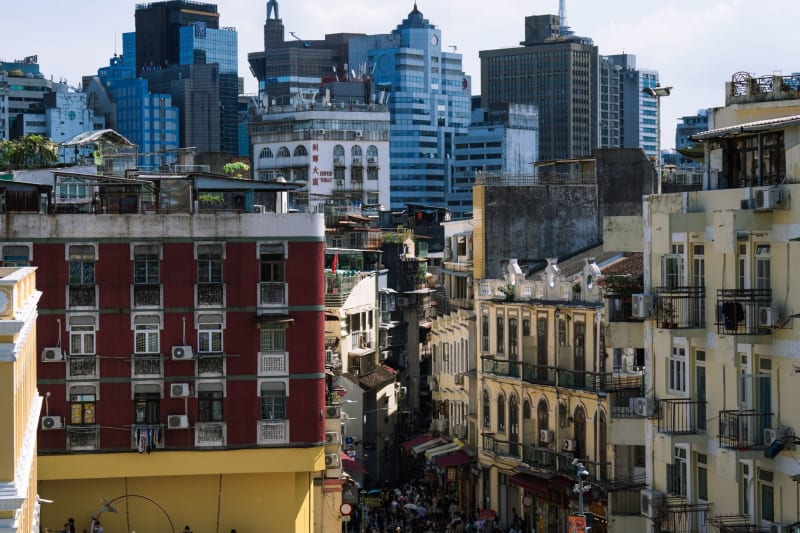 macau
macau Senado Square
A Portuguese mosaic plaza at the center of a Chinese city, where the past and the casino age coexist in uneasy, beautiful proximity.
Explore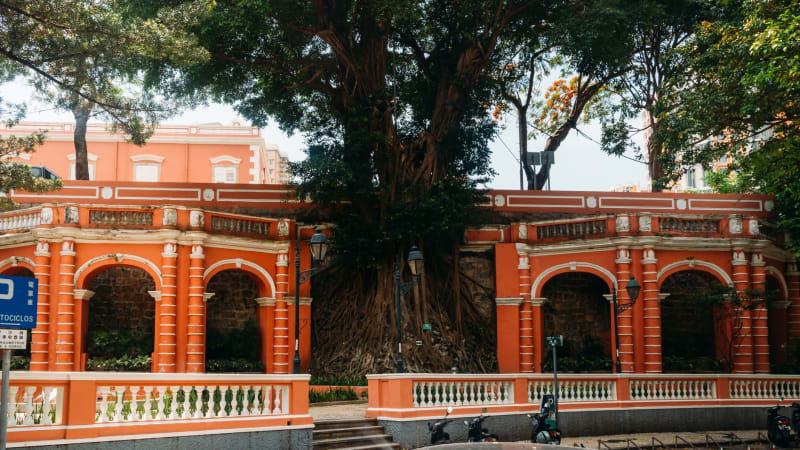 macau
macau Taipa Village
The quieter island village where Macanese food culture is most alive, and where colonial mansions painted in five colors line a street that earns the walk.
Explore