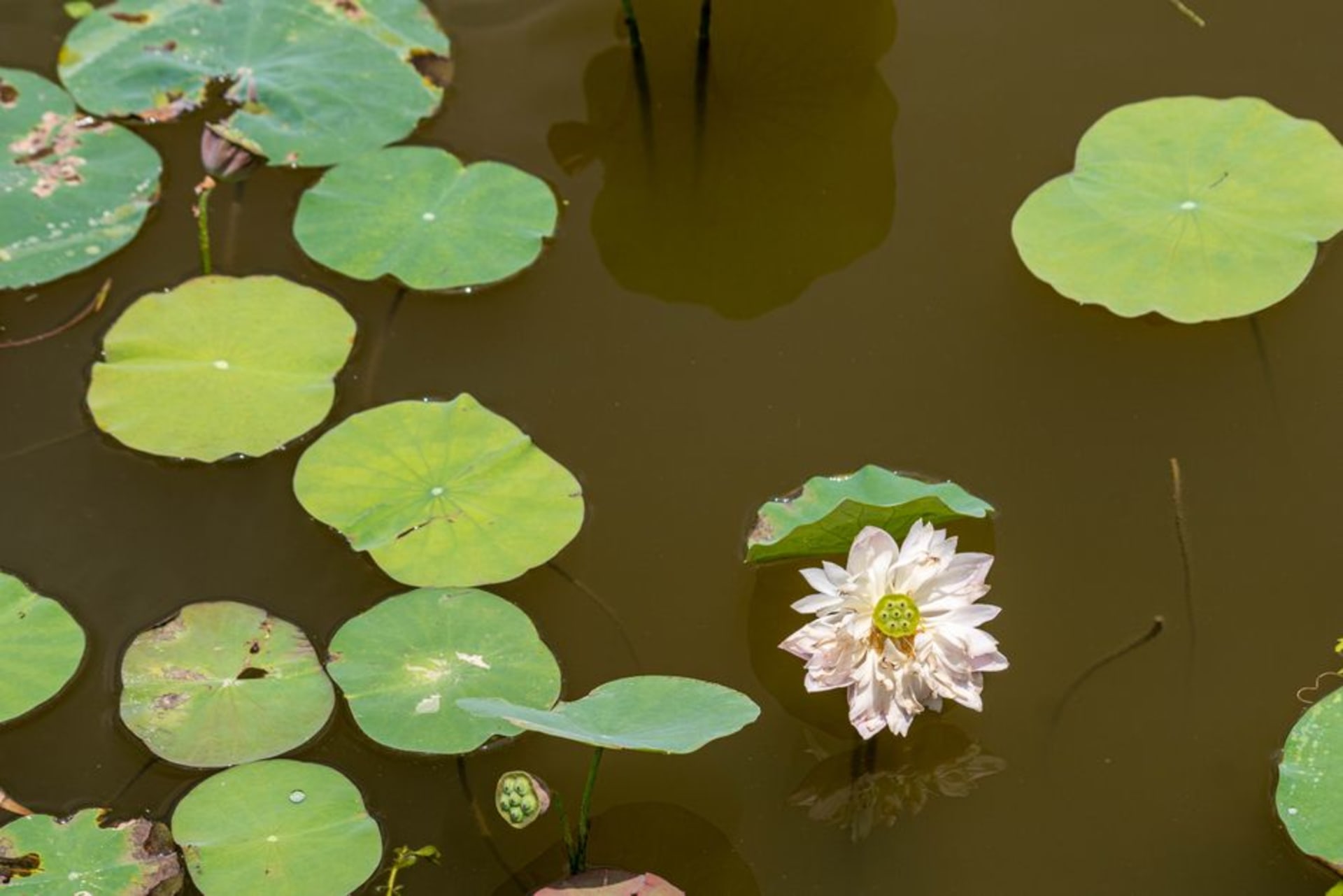
A Suzhou-style garden hidden in the middle of Macau, where a zigzagging bridge and lotus ponds slow the whole city down.
I almost skipped Lou Lim Ieoc Garden. Lia and I had spent the morning getting lost in the alleys around the Ruins of St. Paul’s, stuffed on pork chop buns, and I figured a “classical Chinese garden” would be a quick photo stop before lunch. We ended up staying almost two hours. The garden was built in the late 19th century by Lou Kau, a merchant who apparently had the money and the taste to import an entire aesthetic from the Jiangnan region — the same Suzhou-style gardens I’d only ever seen in books. Walking through the gate off the noisy street, the traffic just falls away, replaced by bamboo groves clicking in the wind and this strange, layered quiet.
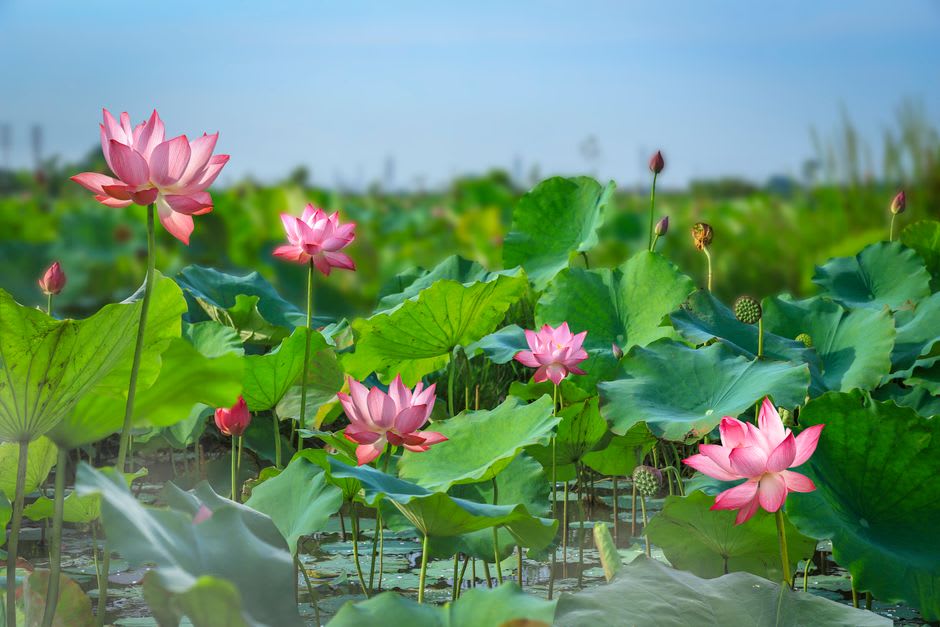
The centerpiece is the nine-turn bridge, and it’s genuinely disorienting in the best way. It zigzags back and forth over the lotus pond, and I read that the design was meant to confuse evil spirits, who apparently can’t turn corners. I joked to Lia that it must also confuse tourists trying to get a clean photo, because I kept doubling back to different angles, watching the koi trail under each turn. We went in July, so the lotus flowers were fully open — huge pink and white blooms sitting flat on the water — and I understood immediately why the garden throws its lotus festival in summer.
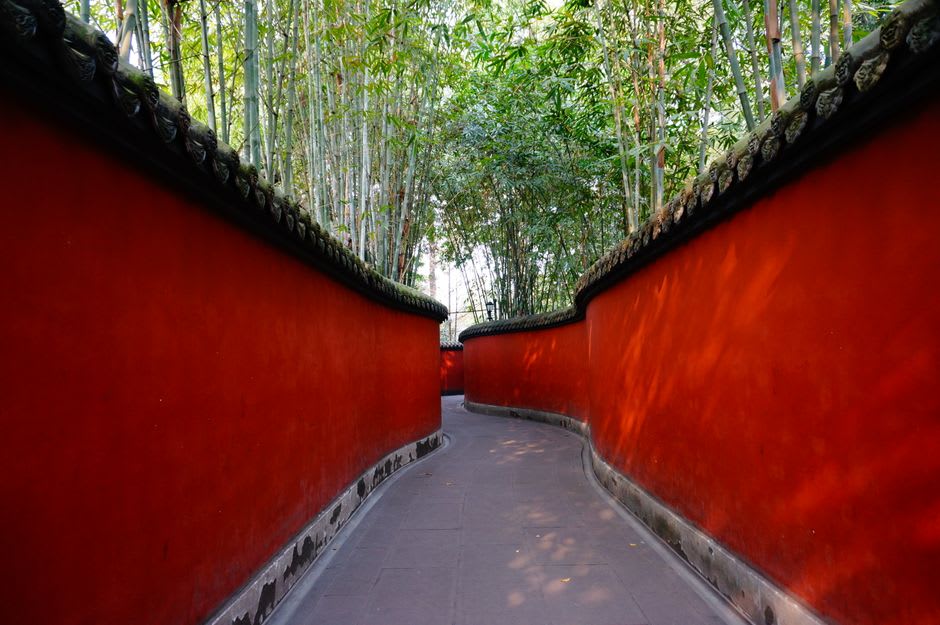
Past the bridge, the garden opens into these pockets of artificial rockery and small pavilions, each one framing a different view like the whole place was designed as a sequence of paintings. Lia sat on a stone bench under a pavilion roof while I wandered into a bamboo grove so dense the light turned green. It’s easy to forget this is a public park now, run by the Macau government since it took over the property in 1974 and restored it — and that it sits inside the buffer zone of Macau’s UNESCO-listed Historic Centre, a short walk from the casinos and colonial churches that usually get all the attention.
We left through the same gate we came in, and the street noise hit like a wave. That contrast is what stuck with me — how a merchant’s private garden from over a century ago still works exactly as intended, as a pocket of calm dropped into the middle of a city that never really slows down.
When to go: Come in summer, when the lotus ponds are in full bloom — the flowers make the nine-turn bridge worth every extra zigzag.
Keep exploring
More from Macau
 macau
macau Macau Tower
A 338-metre tower over the Pearl River delta with a glass-floored observation deck and the highest commercial bungee jump on earth, which I watched other people do.
Explore macau
macau Monte Fort
A 17th-century Portuguese fortress on the hill above the historic centre, offering the clearest view of how two architectures — colonial and casino — carved up this city.
Explore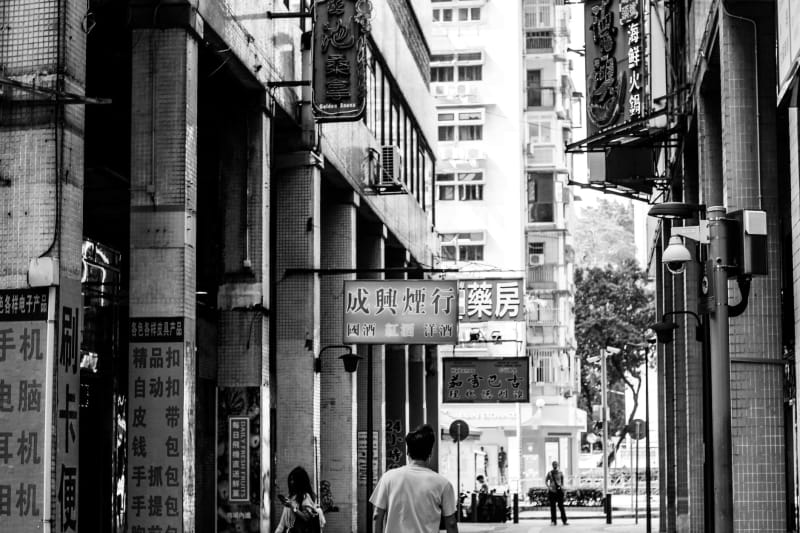 macau
macau Rua da Felicidade
The Street of Happiness — once a red-light district, now a pedestrian lane of red-shuttered shophouses where Macau's food culture is most concentrated.
Explore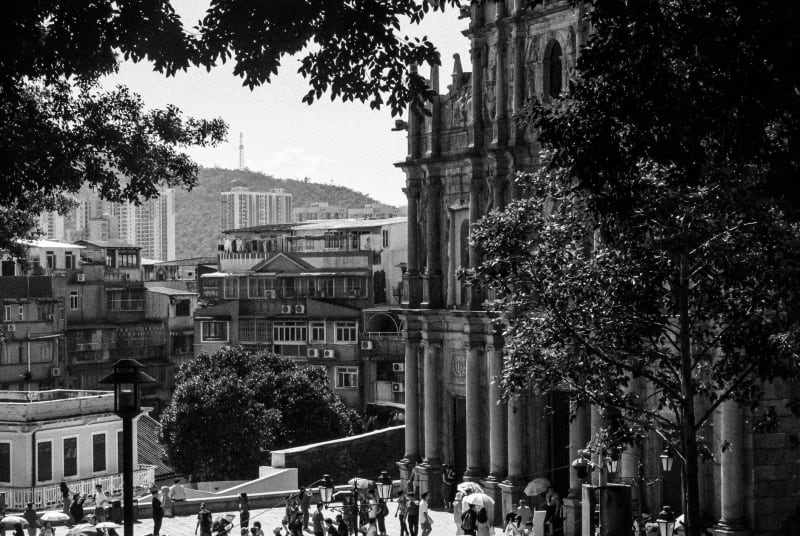 macau
macau Ruins of St. Paul's
A baroque stone facade standing alone against the sky — the church burned down two centuries ago, and what remains is somehow more powerful than the original.
Explore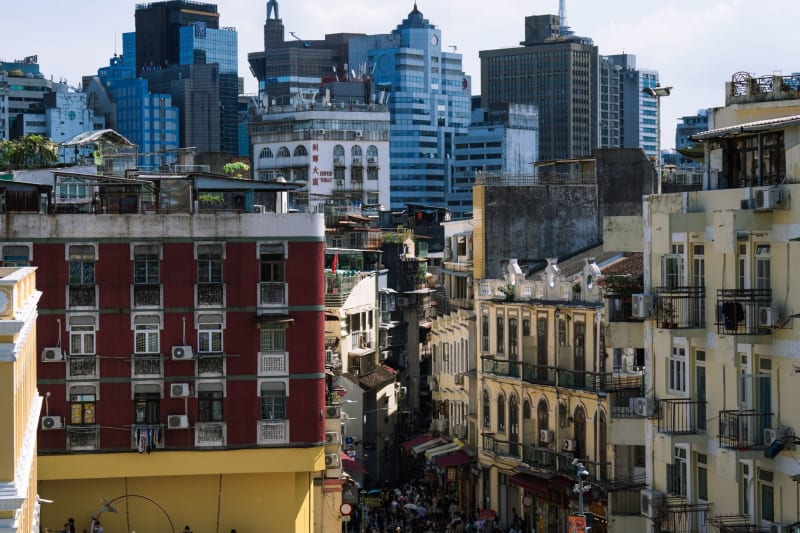 macau
macau Senado Square
A Portuguese mosaic plaza at the center of a Chinese city, where the past and the casino age coexist in uneasy, beautiful proximity.
Explore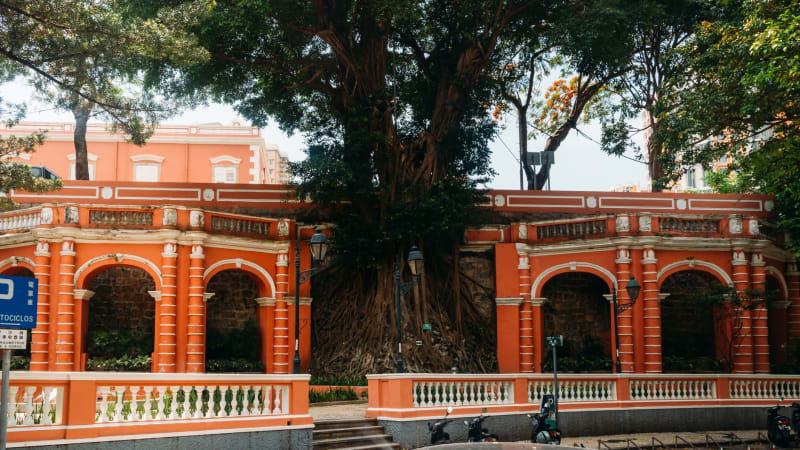 macau
macau Taipa Village
The quieter island village where Macanese food culture is most alive, and where colonial mansions painted in five colors line a street that earns the walk.
Explore