Europe
Lithuania
"The most beautiful capital city in Europe that no one talks about."
Baroque spires and Soviet-era ghosts side by side in a Baltic capital that Europe somehow still keeps to itself.

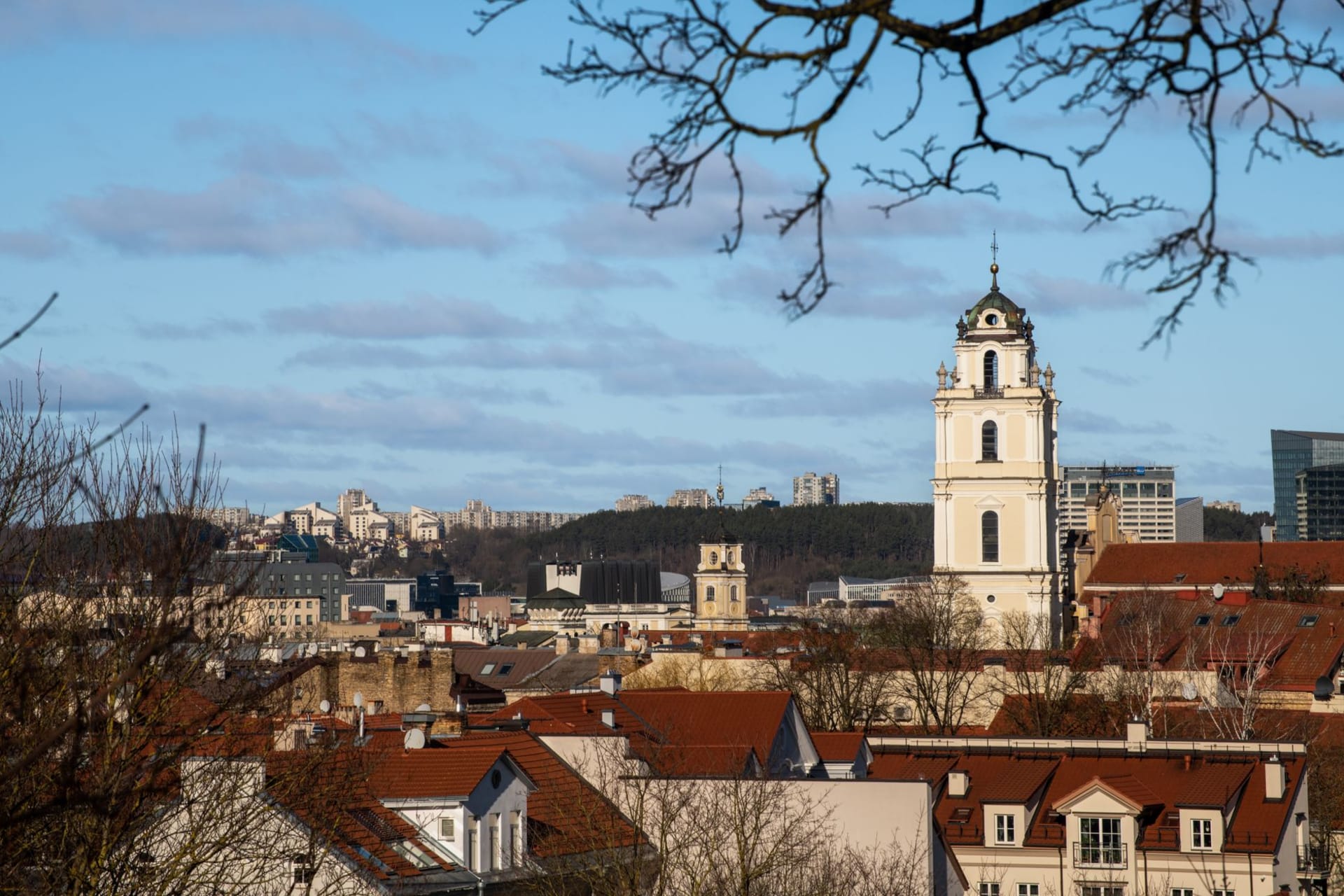
I arrived in Vilnius on an overnight bus from Warsaw and walked out of the station into a city I genuinely was not prepared for. I had read the usual things — Baltic, post-Soviet, underrated — but nothing had prepared me for the sheer density of baroque architecture stacked along cobbled lanes that somehow felt neither preserved nor abandoned, but simply alive. The bell towers come first. Then the courtyards, one after another, some polished and full of café tables, others still rough with Soviet-era plaster crumbling off the brick underneath. The contrast is not decoration. It is just how Vilnius exists.
The old town is a UNESCO site that actually earns the designation. Walking from Cathedral Square south into the tangle of streets around Pilies gatvė, you pass Bernardine gardens where locals jog in the morning, then the Gate of Dawn with its miraculous icon drawing pilgrims from across the region, then suddenly you are in Užupis — the self-declared artists’ republic with its own constitution posted in a dozen languages on a wall and an angel statue at the roundabout. It is precious and it is genuinely weird and I liked it. The food surprised me more. Cepelinai, the potato dumplings stuffed with pork and served under sour cream and crackling, is exactly the kind of cold-climate comfort food I chase across Central Europe. But Vilnius also has a contemporary restaurant scene that would hold its own in Copenhagen — small rooms, Baltic produce, fermented everything, menus that change weekly.
The country beyond Vilnius rewards the traveler who does not rush. Trakai, forty kilometers west, is the postcard of Lithuania: a red-brick island castle reflected in a lake surrounded by pine forest, best seen on a weekday in May before the tour groups arrive. The Curonian Spit, a sand peninsula shared with Russia that juts into the Baltic, is one of the stranger landscapes in Europe — drifting dunes the height of buildings, pine forest silence, and beach villages that feel suspended in another era. Getting there takes time, but the drive up the spit itself is quietly extraordinary.
When to go: May and June are ideal — long days, flowering lindens in Vilnius, and none of the summer crowd. September is equally good: golden light, the mushroom season bringing Lithuanians into the forests on weekends, and restaurant menus that lean autumnal in the best way. Avoid the deep Baltic winter unless you specifically want snow and solitude — December temperatures in Vilnius regularly drop below minus ten and the days are very short.
What most guides get wrong: They treat Lithuania as an afterthought to a “Baltics trip,” rushing through in a day between Tallinn and Riga on some pre-packaged northern loop. Vilnius is not a half-day stop — it is a city that takes at least three full days to understand. The other thing guides miss entirely is the food. Lithuanian cuisine is not a punchline. Cepelinai done right, šaltibarščiai (cold beet soup in summer, shocking pink and tasting better than it looks), smoked fish from the Curonian coast — these things are worth eating slowly and seriously.
Explore
Places in Lithuania
 lithuania
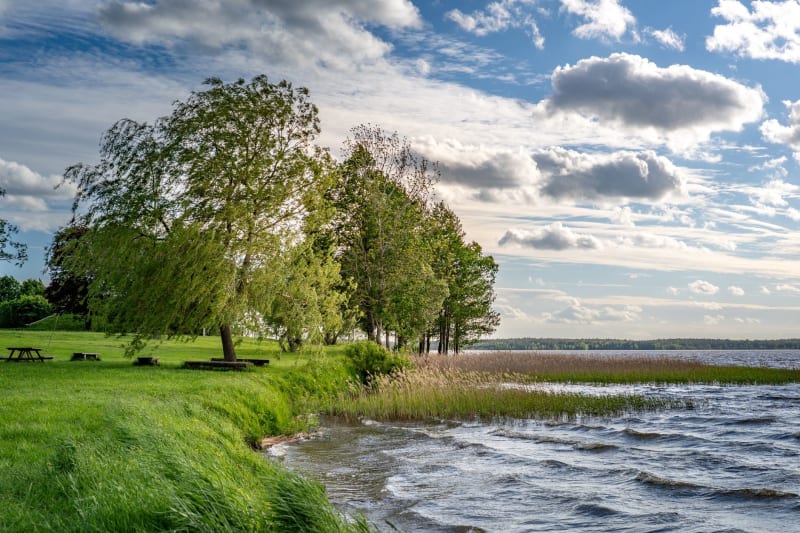
 Aukštaitija National Park
Lithuania's oldest national park is a lake district built for silence — hundreds of lakes stitched together by ancient forest and one slow river.
Explore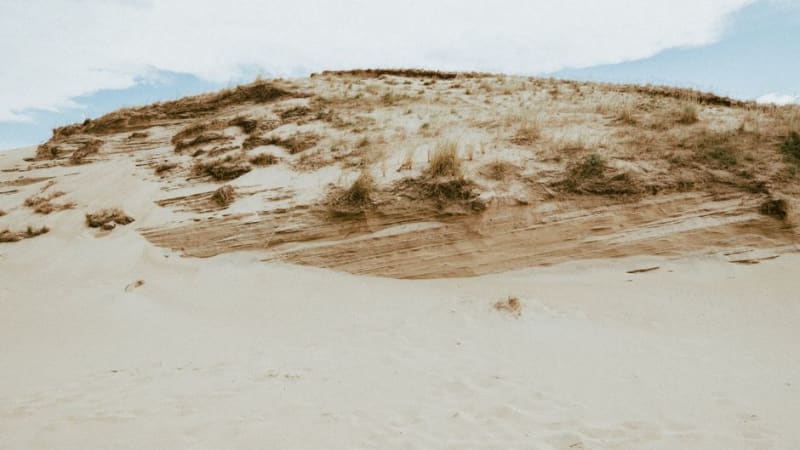 lithuania
 Curonian Spit National Park
A 98km ribbon of shifting sand dunes between lagoon and sea, where pine forests hold back a landscape that once swallowed whole villages.
Explore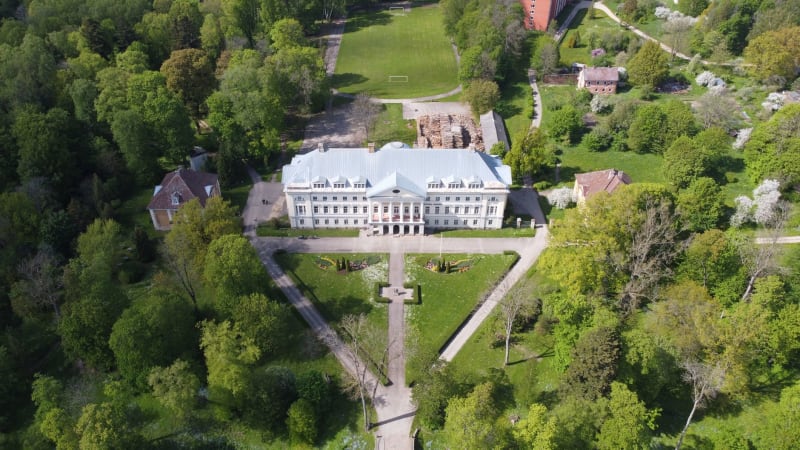 lithuania
 Druskininkai
A tsarist-era spa town in southern pine forest where Soviet sanatoriums became luxury hotels and the mineral springs still bubble up from the ground.
Explore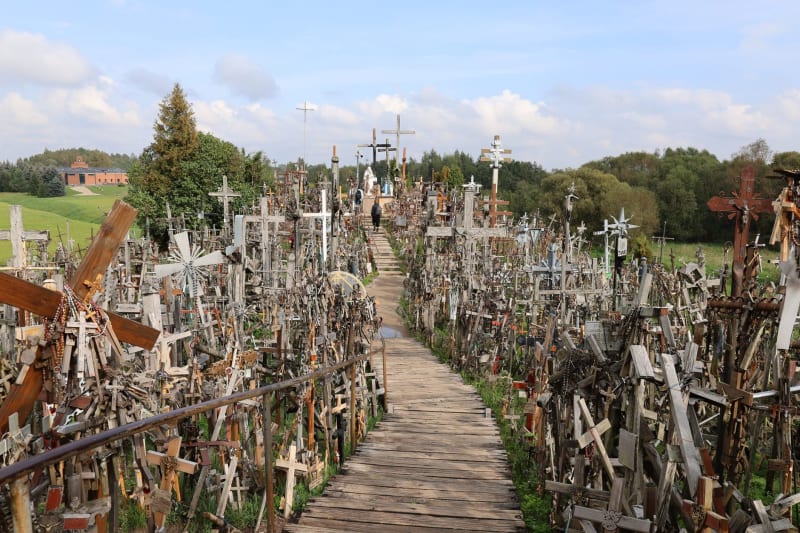 lithuania
 Hill of Crosses
A hillside covered in hundreds of thousands of crosses that began as a protest against occupation and became something the Soviet Union couldn't dismantle.
Explore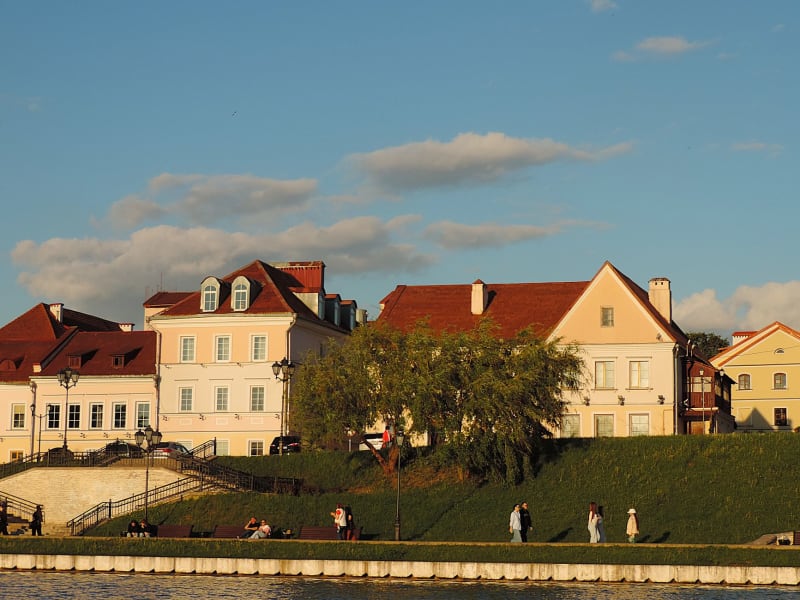 lithuania
 Kaunas
Lithuania's second city wears its interwar modernism like a quiet confidence — art deco and tragedy in the same afternoon.
Explore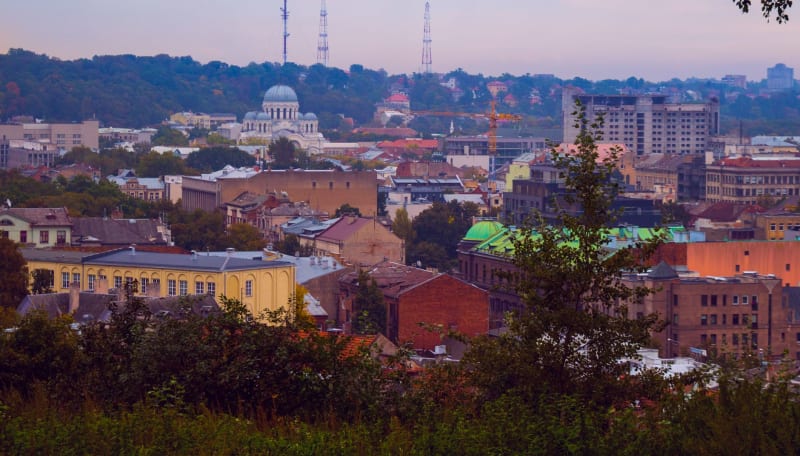 lithuania
 Kernavė
Lithuania's vanished medieval capital, where five grassy hill forts rise above the Neris valley and the whole country seems to begin in a quiet green field.
Explore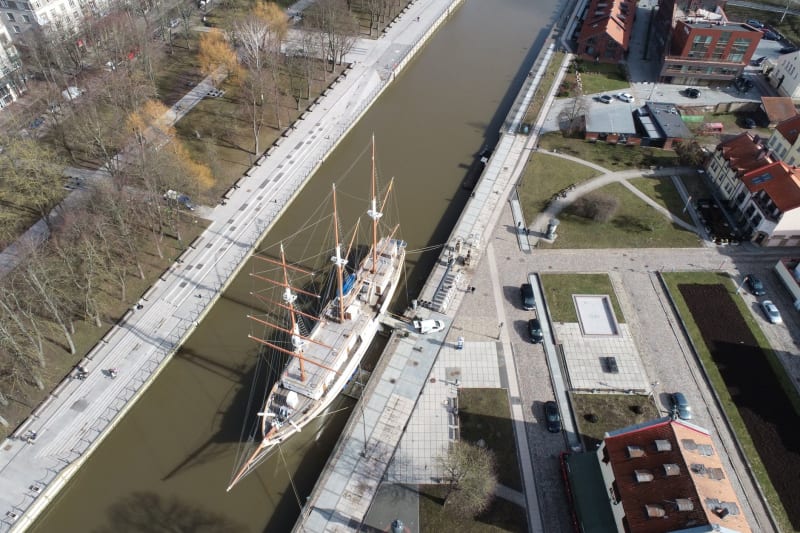 lithuania
 Klaipėda
Lithuania's only sea port carries its German Memel past in cobblestones and half-timbered facades that survived the century just barely.
Explore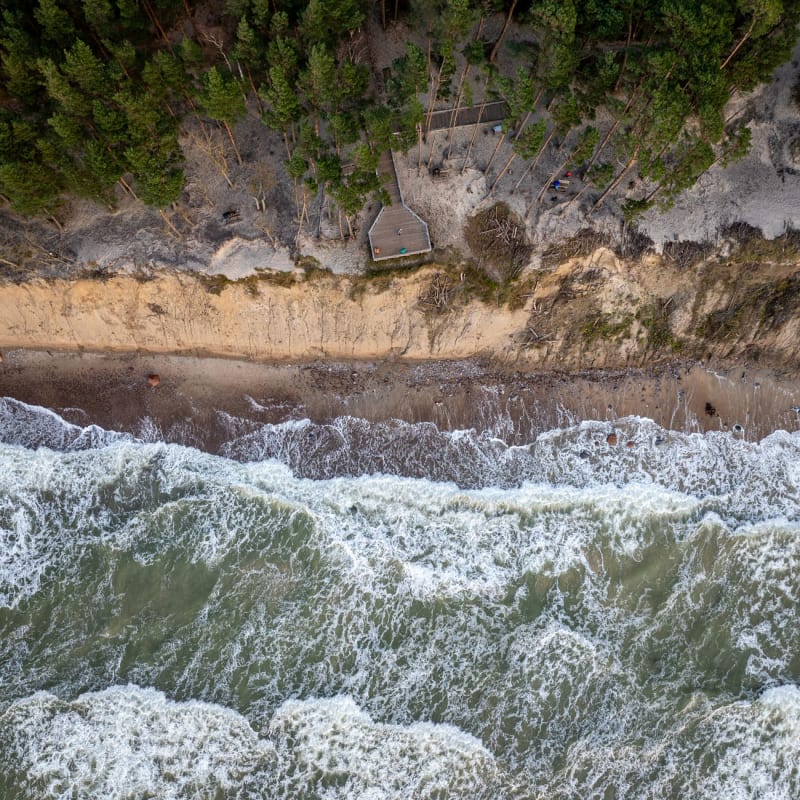 lithuania
 Nida
A fishing village at the end of a sand peninsula, where the dunes are taller than houses and the smoked fish is reason enough for the trip.
Explore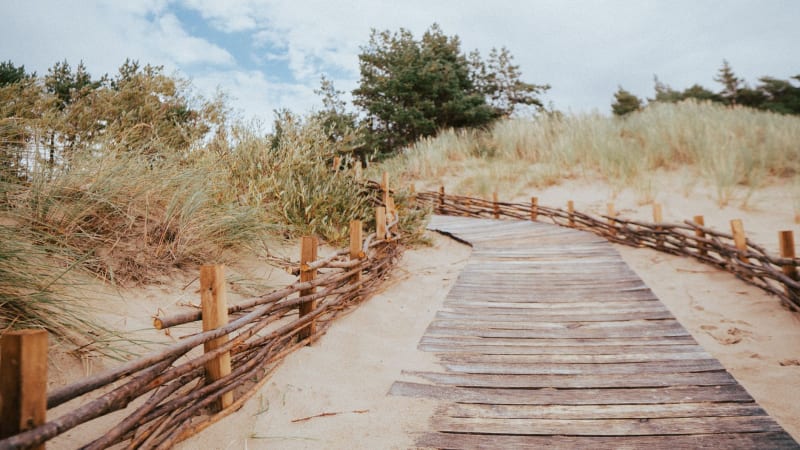 lithuania
 Palanga
The Baltic's amber coast in a resort town that goes from sleepy to euphoric every summer and back again before you blink.
Explore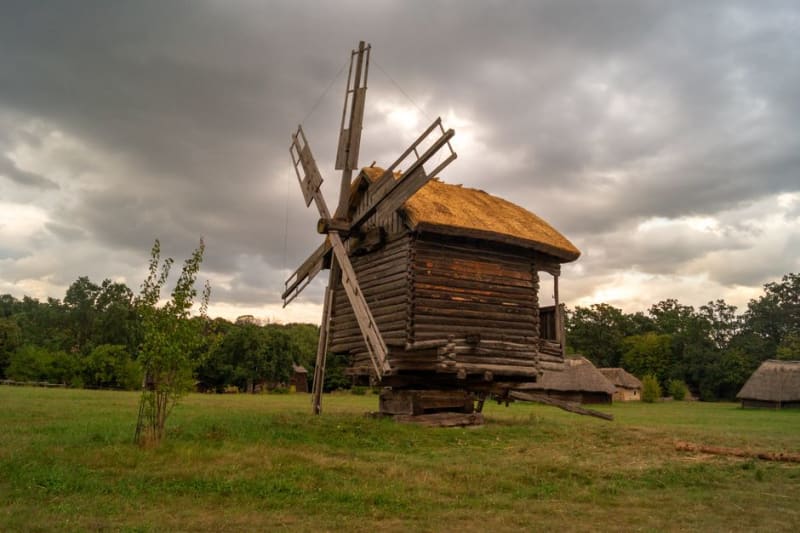 lithuania
 Rumšiškės Open Air Museum
A sprawling open-air museum on the Kaunas Reservoir where 180 relocated wooden buildings recreate four centuries of Lithuanian village life.
Explore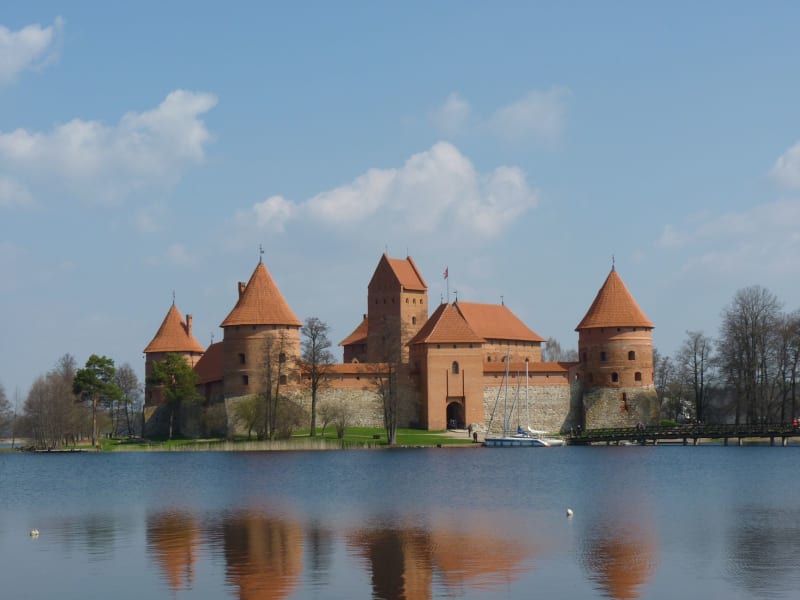 lithuania
 Trakai
A red-brick Gothic castle on its own island in a lake so still it looks like a prop — and yet it earns every inch of its beauty.
Explore lithuania
 Užupis
Vilnius's self-declared artists' republic fits inside a river bend a few streets wide — and somehow contains more ideas per square meter than most cities.
Explore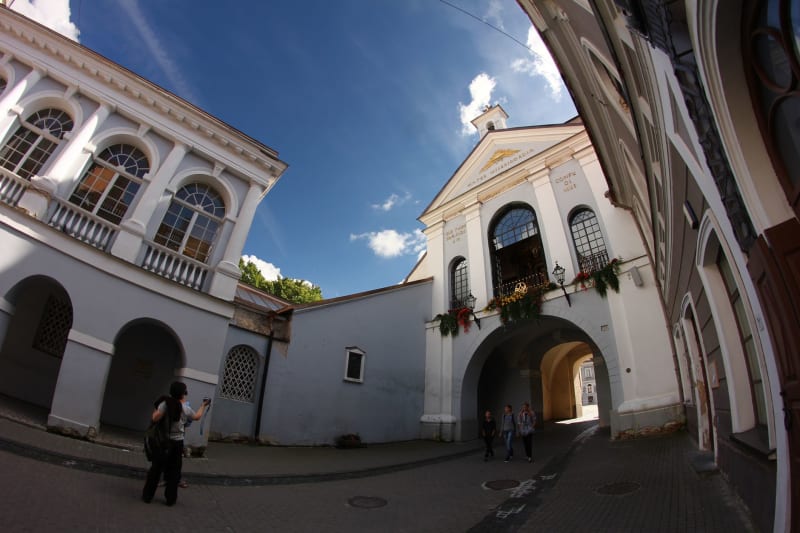 lithuania
 Vilnius Old Town
A baroque maze so dense and unpolished that it feels less like a heritage site and more like an ongoing argument with history.
Explore