
Shouf Biosphere Reserve
"The Shouf feels like Lebanon before Lebanon was complicated — just mountains and stone villages and trees that were old when everything else was beginning."
The largest nature reserve in Lebanon, holding ancient cedar groves, Druze mountain villages, and an Ottoman palace of bewildering opulence.

I came to the Shouf in spring, which turned out to be exactly right. The road climbed from the coast through terraced hillsides where the almond trees had just finished blossoming and the wildflowers were doing what Lebanese wildflowers do in May — covering every available surface with a density that feels improbable. Anemones, cyclamens, wild poppies in the rock crevices, and somewhere in the distance below, the Mediterranean a shade of blue so saturated it looked edited. By the time I reached Maasser el-Shouf, where the reserve’s main cedar forest begins, the air had dropped ten degrees and smelled of pine and damp earth.
The Shouf Biosphere Reserve covers about five percent of Lebanon’s entire surface area and contains the largest remaining stands of the Cedrus libani — Lebanon cedar — in the country. There are three separate cedar forests within the reserve, each at a different altitude and with a different character. The Maasser forest is the most dramatic for walking: trails thread between trees several hundred years old, their trunks thick with the fibrous bark that makes them look sculptural rather than natural, their canopies forming a canopy so dense that in summer the forest floor stays cool and relatively dark even at noon.

The Shouf is Druze territory, which gives its villages a specific character. The Druze communities have inhabited these mountains since the eleventh century, and the architecture of the villages — dressed stone, flat roofs, houses built into the hillside at angles that defy simple description — has an austerity that suits the landscape. In Baaklin, the largest Druze town in the Shouf, I stopped at a place that served nothing but local produce: labneh made from the milk of goats I could hear on the hillside above, olive oil pressed from trees growing below, a bowl of thyme and sesame that tasted of the specific mountain altitude.
Deir el-Qamar, lower in the Shouf, is a different proposition — a former capital of the Emirate of Mount Lebanon, its central square surrounded by an ensemble of seventeenth-century architecture that has barely changed. The Fakhreddine II Palace faces the synagogue faces the church faces the mosque, a spatial arrangement that tells you something important about how this particular mountain society organized its plurality. I sat in the square for an hour and watched swallows come in and out under the arcade, and a man who appeared to have no particular agenda smoke a nargileh with the contentment of someone for whom time has stopped being a factor.

Beiteddine Palace, nearby, is the Ottoman-era showpiece of the region — an early nineteenth-century construction built for Emir Bashir II over thirty years of labor, its courtyards and mosaics and hammams representing a vision of luxury that draws on Byzantine, Arab, and Italian influences simultaneously. It’s now a museum and summer festival venue, but what stays with me isn’t the grandeur — it’s the view from the upper terrace, across the forest and down to the sea, which makes the scale of the Shouf landscape suddenly legible.
When to go: April through June for wildflowers and mild temperatures, when the cedar forests are at their most green and the Druze villages are at their most animated. The Beiteddine International Festival runs in July and August, bringing concerts to the palace courtyard. Autumn colors in October are worth the trip alone.
Keep exploring
More from Lebanon
 lebanon
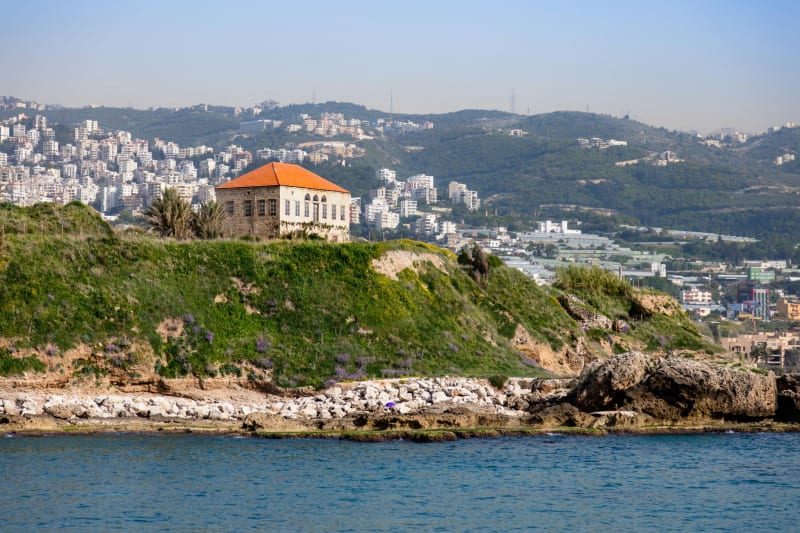
Sidon
Lebanon's most atmospheric old souk city, where Crusader sea castles and medieval soap factories sit cheek by jowl with a working fishing port.
Explore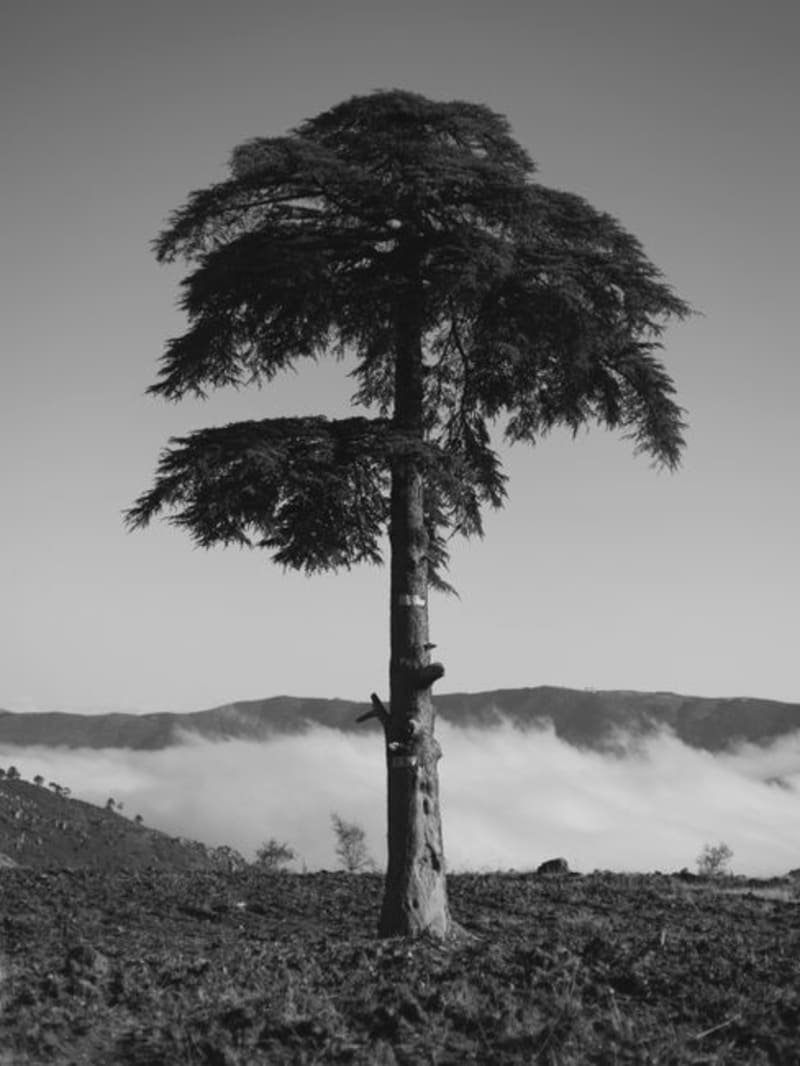 lebanon
Tannourine
A cedar reserve where thousand-year-old trees stand in near-silence, and a waterfall that only exists for a few weeks each spring.
Explore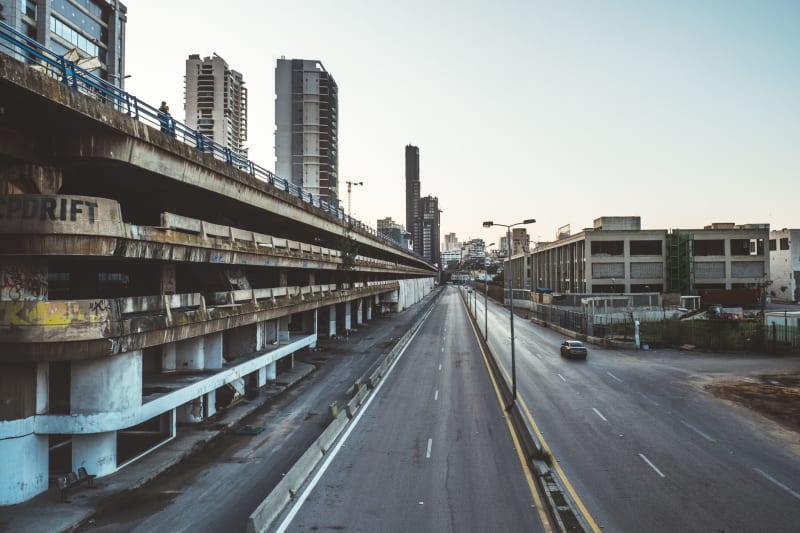 lebanon
Tripoli
Lebanon's second city and its most authentically medieval — a Mamluk souk, a Crusader citadel, and the sweetest dessert table in the country.
Explore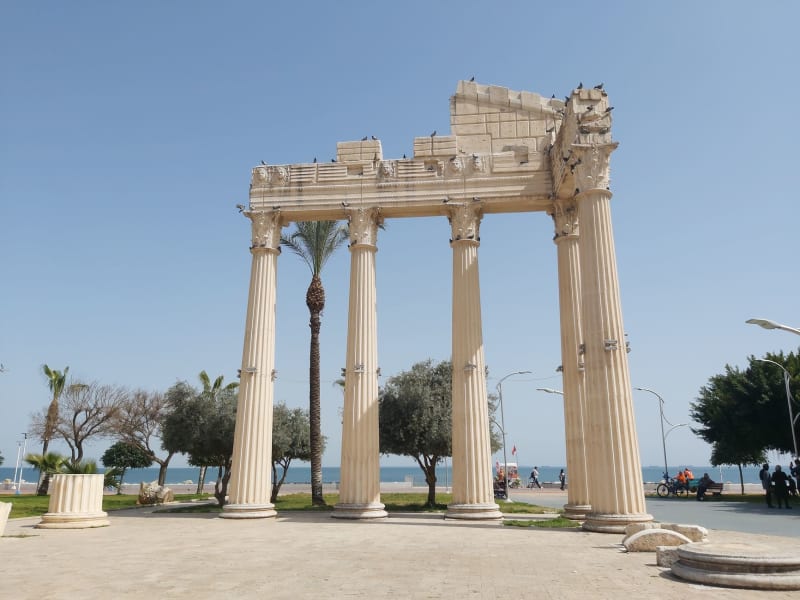 lebanon
Tyre
Lebanon's southernmost major city: Phoenician queen of the sea, Roman colonnades, and one of the finest beaches on the Mediterranean coast.
Explore lebanon
Zahle
The self-declared 'Bride of the Bekaa,' where a river lined with open-air restaurants turns Friday lunch into a five-hour national institution.
Explore lebanon
Anjar
An eighth-century Umayyad city laid out on a perfect Roman grid, and the only place in Lebanon where Armenian is the first language you hear.
Explore