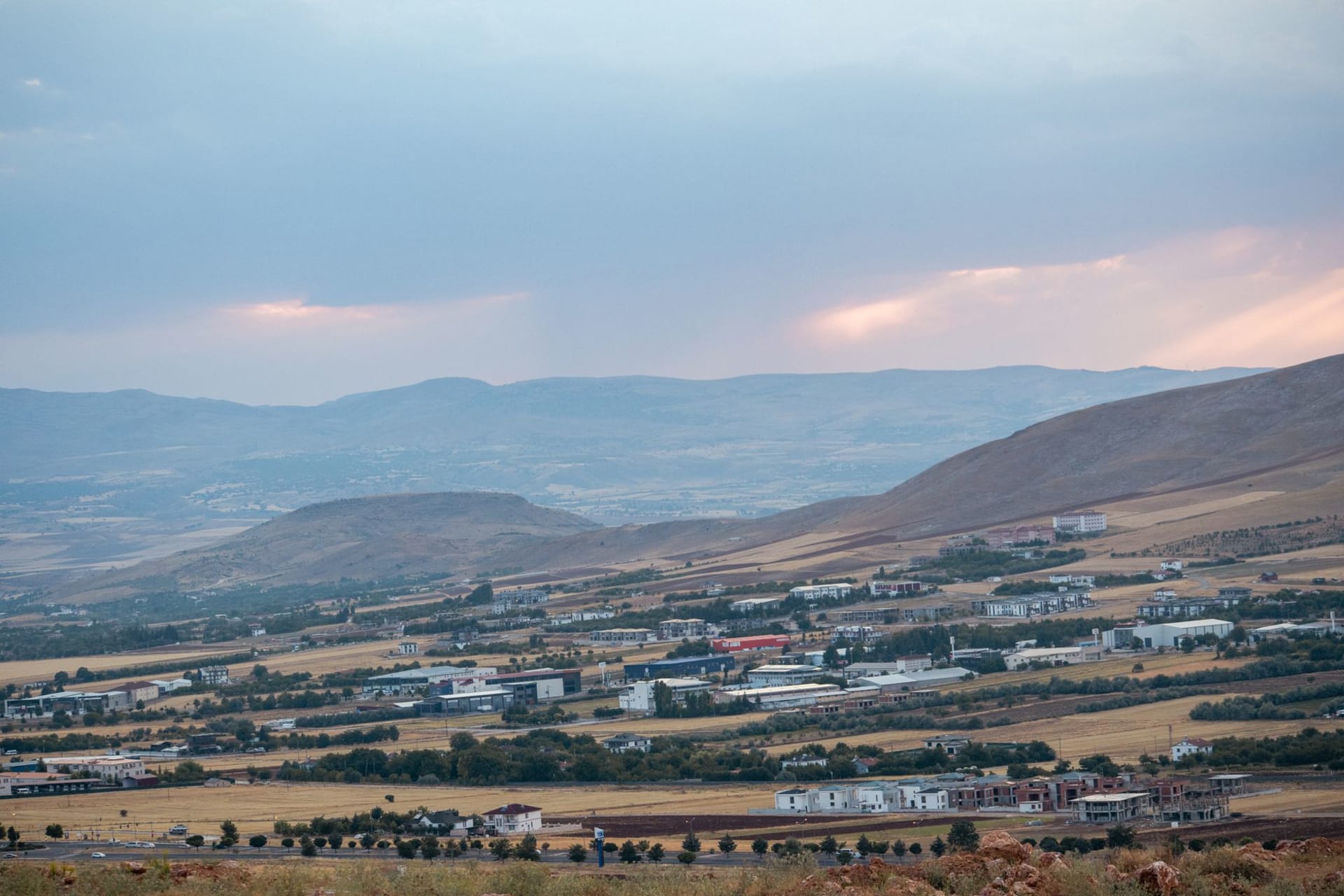
Anjar
"Anjar is what happens when Arab rulers inherited Rome's blueprint and kept the columns."
An Umayyad city from 715 AD, perfectly grid-planned and almost entirely overlooked, thirty minutes from the tourist buses.

Everyone goes to Baalbek. Almost no one stops at Anjar, which is thirty kilometers south and one of the most unusual archaeological sites in the entire Middle East. I found it on a quiet Tuesday morning with no more than six other visitors in the whole complex, wandering between two-thousand-year-old columns and trying to understand what exactly I was looking at — because Anjar is not Roman and it is not Byzantine, though it looks like both. It is Umayyad. Built in 715 AD by the Caliph Walid I. Arab rulers, Roman architecture, an entirely functional city built from scratch on a perfect grid.
The plan is so legible it is almost architectural. A main north-south colonnaded street, a main east-west colonnaded street, meeting at a tetrapylon — the four-arched intersection typical of Roman city centers. Off these axes, laid out in orderly blocks: a great mosque, a small mosque, two palaces, public baths, hundreds of shops in repeating arcaded units. The Umayyads were not building in imitation of Rome; they were building in the same rational tradition, appropriating columns from older Byzantine sites nearby and reusing them here with the pragmatic confidence of empire. Some columns are a shade of pink limestone you do not see elsewhere. They glow differently at different times of day.

The site is a UNESCO World Heritage designation, yet it operates with a quietness that Baalbek never achieves. The ticket booth is small, the brochure is thin, the guard sat in the shade eating a sandwich when I arrived and waved me through with a nod. Cats live among the ruins — there are always cats among Lebanese ruins — and they own the columns with an authority that the tourists never quite manage. Walking the colonnaded street in the morning, with the Bekaa plain stretching away on one side and the Anti-Lebanon mountains behind, is one of those experiences that requires no filtering, no enhancement. It simply works.
The town of Anjar itself, just outside the archaeological site, is a place of a different kind of history. It was established in 1939 by Armenian refugees from the Musa Dagh massacres — those who had survived the events described in Franz Werfel’s novel. Their descendants still live here, and the community maintains a distinctive identity within Lebanon: Armenian-language signs alongside Arabic, a church at the center of town, a food culture that intersects the two traditions. The pastry shops here make things you will not find in Beirut.

The combination — Umayyad city in the morning, Armenian community lunch — makes Anjar one of the most layered stops in the entire Bekaa. It is thirty minutes from Zahle, less than an hour from Baalbek, and consistently the thing that travelers who have done both will say they wish they had not rushed.
When to go: Anjar works year-round, but spring and autumn are most comfortable. The site opens at 9am and closes at sunset. Come on a weekday if possible — not that it is ever truly crowded, but the solitude of a Tuesday morning among those columns is a particular pleasure that weekend visits cannot replicate.
Keep exploring
More from Bekaa Valley
 bekaa-valley
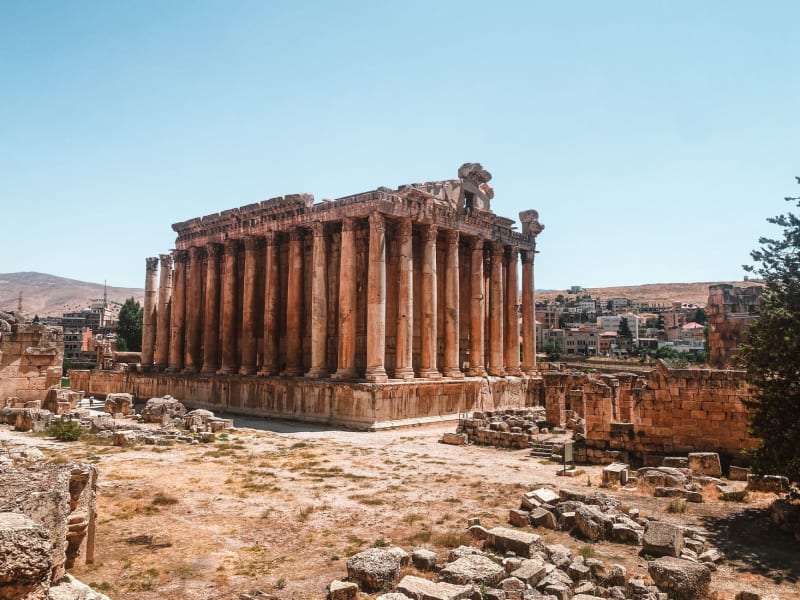
 Baalbek
Six columns of the largest Roman temple ever built still stand here, and they make everything else look small.
Explore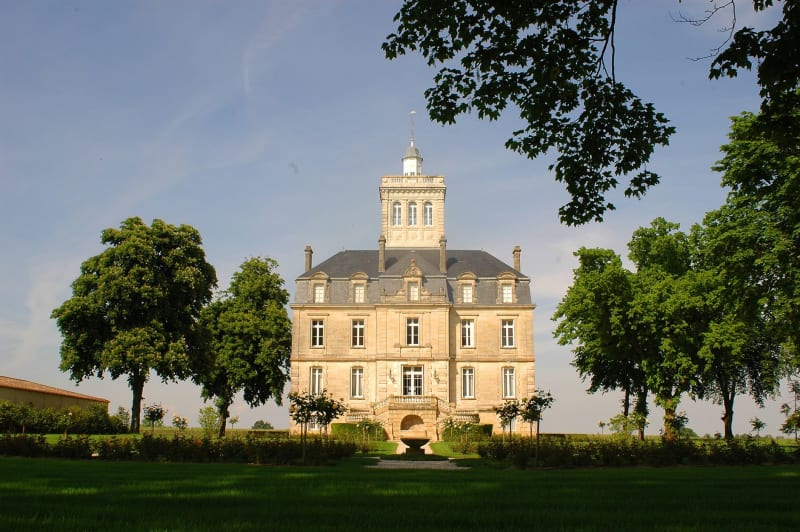 bekaa-valley
 Chateau Ksara
Lebanon's oldest winery, where Roman soldiers carved two kilometers of tunnel into the rock and Jesuits later filled them with wine.
Explore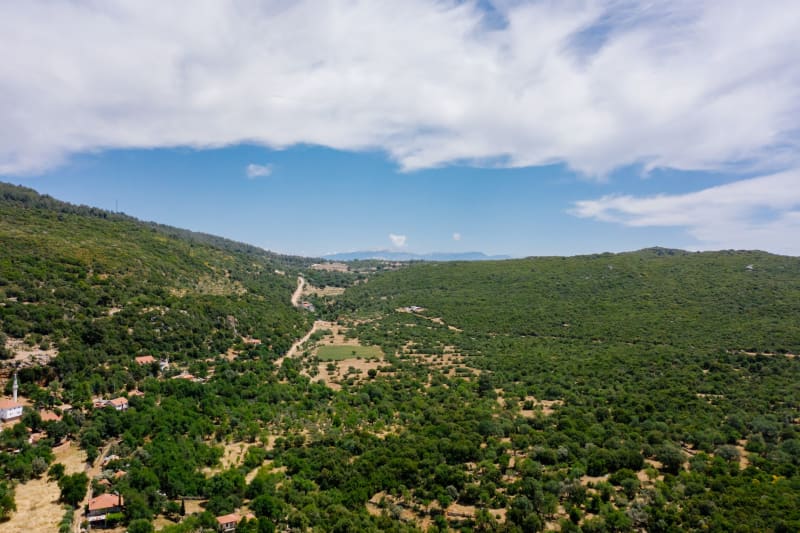 bekaa-valley
 Chtaura
The Bekaa's busy crossroads town where the highway splits for Zahle and Baalbek, and where the valley's best pastry shops cluster.
Explore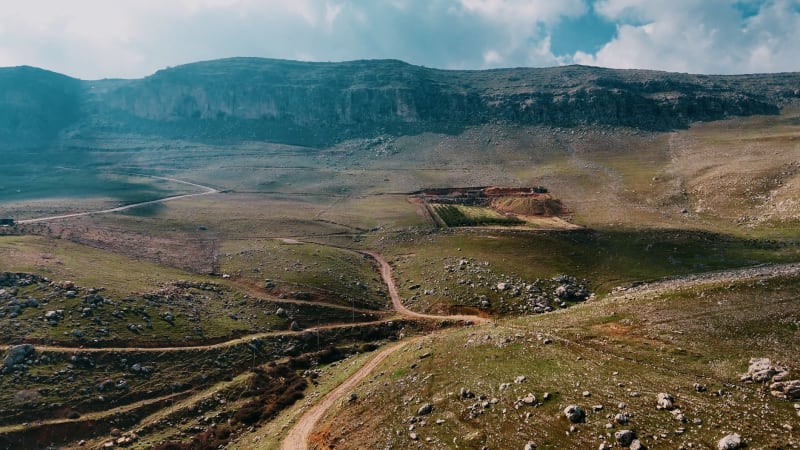 bekaa-valley
 Deir el-Ahmar
A village of red-stone houses between Baalbek and the mountain, where a Byzantine monastery gives the town its name and its particular stillness.
Explore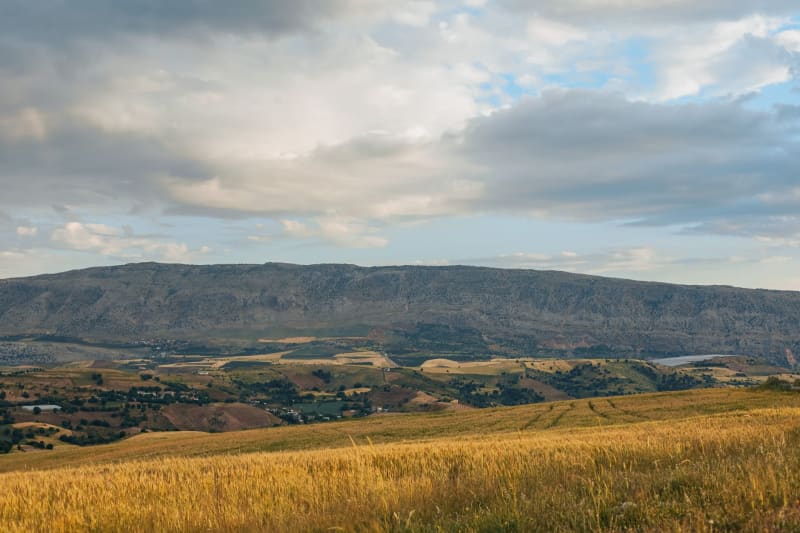 bekaa-valley
 Hermel
A frontier town at the northern edge of the Bekaa, where a Roman pyramid monument stands alone on a hill and the Orontes begins its strange northward journey.
Explore bekaa-valley
 Kamed el-Loz
A Bronze Age tell in the southern Bekaa where German archaeologists spent decades uncovering a Canaanite palace almost nobody visits.
Explore