Batroun
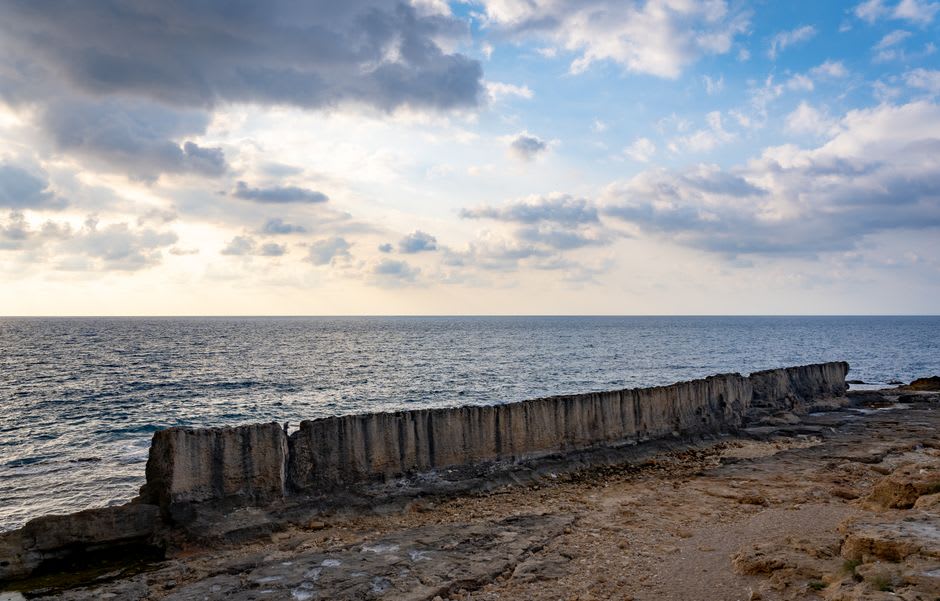
"A three-thousand-year-old breakwater still doing its job while teenagers jump off it into the sea — that's Batroun in one image."
A Phoenician sea-wall, lemonade stands with a cult following, and a coastal old town where I kept losing entire afternoons without noticing.
I came to Batroun chasing a rumor about lemonade, which sounds like a ridiculous reason to visit anywhere until you’ve had a glass of the stuff at Hilmi, the roadside stand on the coastal highway that’s been squeezing lemons since the 1970s and has become, improbably, a genuine pilgrimage site for Lebanese families. I sat on a plastic stool with cars honking past and drank two glasses before I’d even checked into my guesthouse, and I understood immediately why people drive an hour out of Beirut just for this.
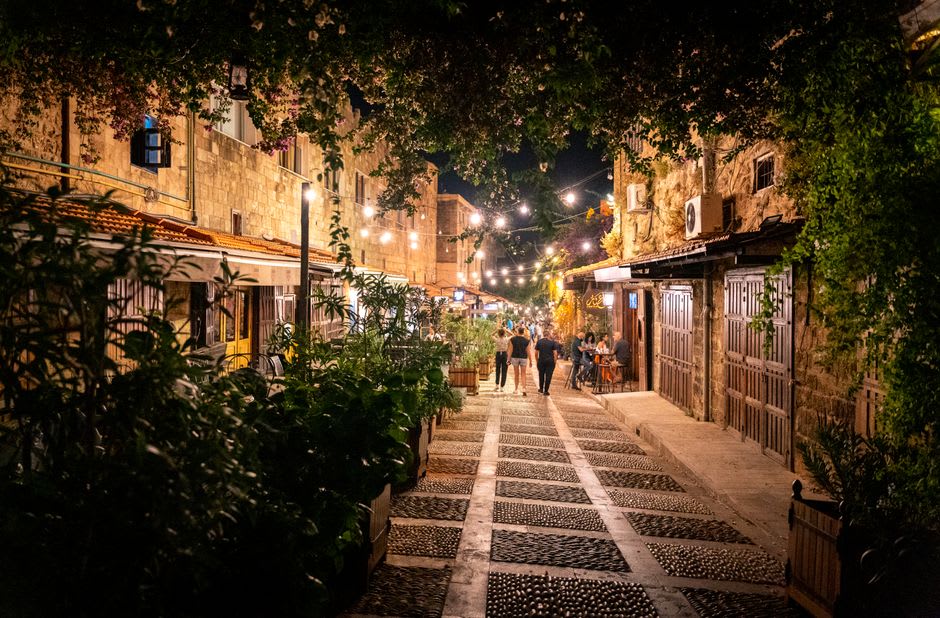
The town itself turned out to be the better story. Batroun’s old souk is a tangle of honey-colored stone lanes that somehow avoided the aggressive renovation that flattens character out of so many Mediterranean old towns — the stonework is original, the balconies sag slightly, and the churches (there are an unreasonable number of them for a town this size) ring bells that overlap each other on Sunday mornings in a way that sounds almost like an argument. I ate a long, unhurried lunch of grilled sayadieh at a family-run place two streets back from the water and watched an old man methodically mend a fishing net for the better part of an hour, which felt like the most honest use of an afternoon I’d had in weeks.
But it’s the Phoenician sea wall that makes Batroun genuinely remarkable. Built roughly three thousand years ago to break the waves protecting the ancient port, it still stands — a low ridge of massive stone blocks running parallel to the shore, worn smooth by the sea and now doubling as a diving platform for local kids who fling themselves off it into the water without a second thought for the history beneath their feet. I sat on the rocks nearby at sunset, watching the wall take one wave after another exactly as it has for three millennia, and felt the particular vertigo that Lebanon specializes in: ancient engineering still quietly working, indifferent to how impressed you are by it.
In the evening, Batroun’s waterfront bars fill with a young, cosmopolitan crowd — much of it Beirut’s weekend exodus — and the town shifts register from sleepy fishing village to something closer to a low-key beach party, all without losing the old stone underneath it.
When to go: June through September for swimming off the rocks and a lively bar scene, though July and August weekends get crowded with day-trippers from Beirut. Spring offers the old town at its quietest, with the lemon groves in bloom just outside of it.
Keep exploring
More from Lebanon
 lebanon
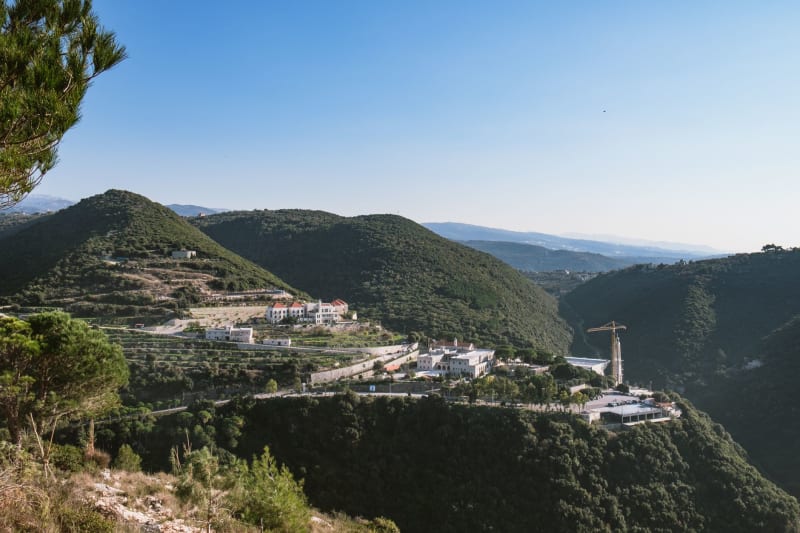
 Bcharre
A mountain village at the edge of a sacred cedar forest, birthplace of Khalil Gibran, and the best reason to drive high into the Lebanese peaks.
Explore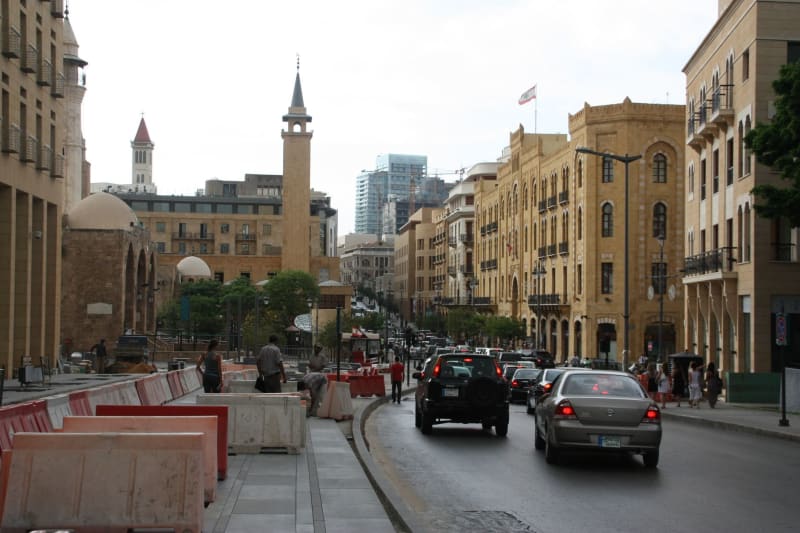 lebanon
 Beirut
A city that keeps rebuilding itself from its own rubble and somehow comes out louder every time.
Explore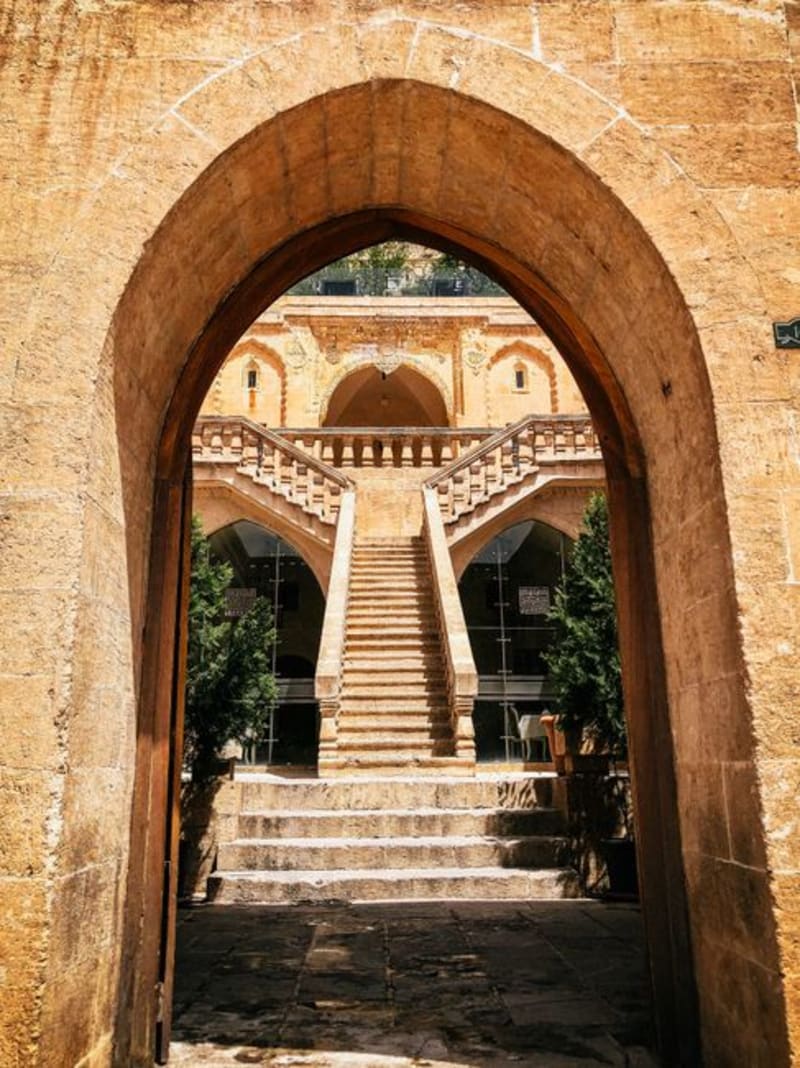 lebanon
 Beiteddine
A 19th-century emir's palace of carved stone and mosaic courtyards in the Chouf mountains, still hosting a summer arts festival under the same stars.
Explore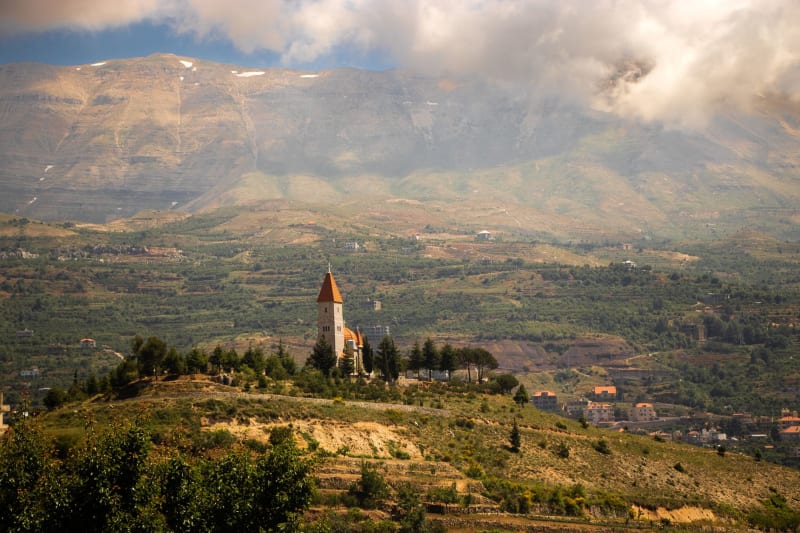 lebanon
 Bekaa Valley
A high flat valley between two mountain ranges where four thousand years of winemaking meets the most improbable agriculture in the Levant.
Explore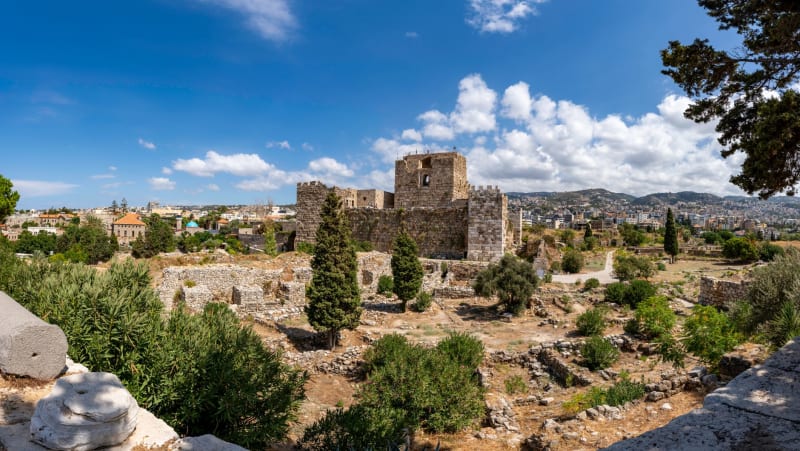 lebanon
 Byblos
Seven thousand years of continuous habitation compressed into one harbor town where Phoenicians once loaded ships with cedar and papyrus.
Explore lebanon
 Deir el Qamar
A perfectly preserved 17th-century capital of ochre stone houses and a silk-trade-era square, where the whole village feels frozen mid-conversation.
Explore