Anjar
"A caliph built a city here in a single decade, then it was abandoned within a generation. Somehow the streets still make sense."
An eighth-century Umayyad city laid out on a perfect Roman grid, and the only place in Lebanon where Armenian is the first language you hear.
Anjar surprised me twice before I’d even reached the ruins. The first surprise was linguistic: driving into town, the shop signs were in Armenian script, and the menu at the restaurant where I stopped for lunch was built entirely around Armenian dishes — this town in the Bekaa Valley was settled by Armenian refugees after 1915, and it remains one of the few places in Lebanon where Armenian, not Arabic, is the language of daily life. The second surprise came a few minutes later, walking into the archaeological site itself, which looks nothing like anywhere else in the country.
Where Baalbek and Byblos are layered — Phoenician under Roman under Crusader — Anjar is a single, coherent moment frozen in stone. It was built almost entirely during the reign of the Umayyad caliph Walid I in the early 700s, laid out on a strict Roman-style grid with two colonnaded main streets crossing at a tetrapylon, shops lining every block like a shopping mall built for merchants who never arrived in numbers. The city was abandoned within a few decades of its construction, which is exactly why it survived so intact: nobody stuck around long enough to build over it.
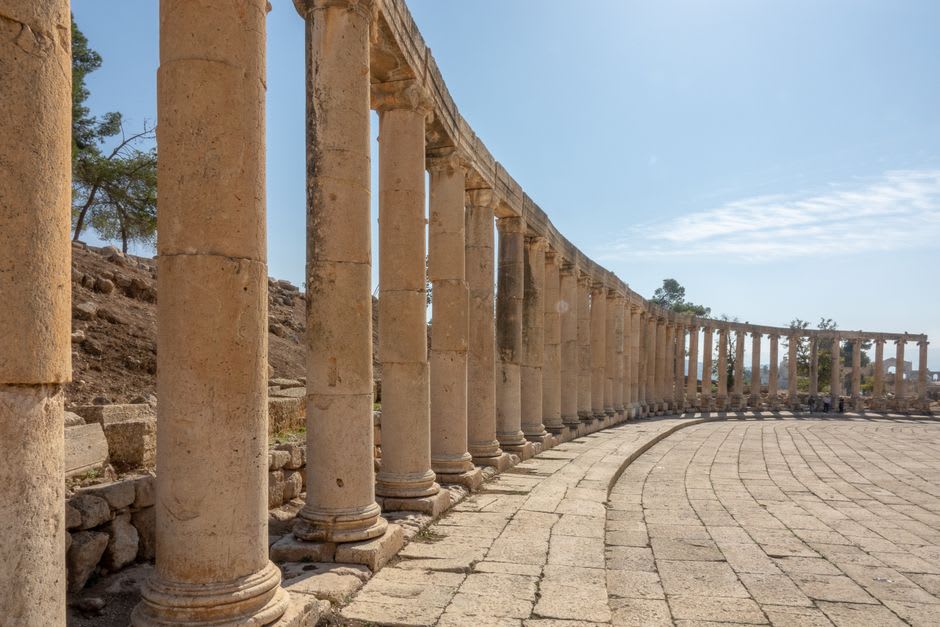
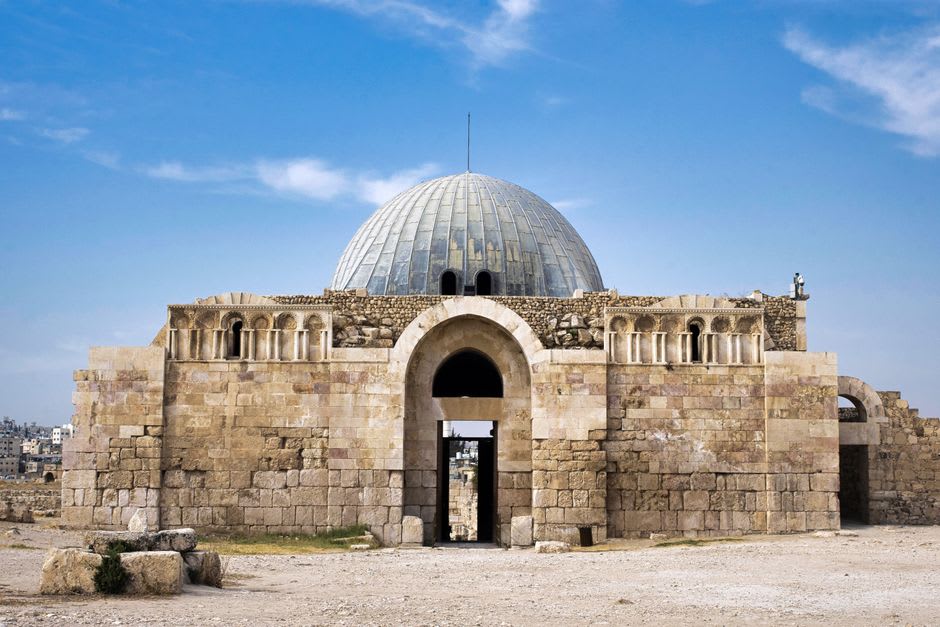
I walked the main cardo alone on a weekday afternoon with the Bekaa’s dry mountain light throwing hard shadows off dozens of standing columns, trying to picture the caliph’s palace at the northeast corner in its finished state, complete with an unusually large audience hall that archaeologists still argue over the purpose of. What struck me most was the geometry — after so much of Lebanon’s history reads as accumulation, Anjar is pure intention, a city imagined whole and built fast, like someone sketching a grid on a blank page and simply filling it in.
Afterward I went back into town for kefta and homemade mulberry syrup at an Armenian café, and sat listening to two old men argue amiably in a language I didn’t understand a word of, twenty minutes from a Roman-gridded Islamic capital that outlived its own century by exactly one.
When to go: Spring and autumn give you comfortable walking weather across the exposed, shadeless ruins. Combine it with a Bekaa wine-country day trip, since Anjar sits close to Zahle and several vineyards.
Keep exploring
More from Lebanon
 lebanon
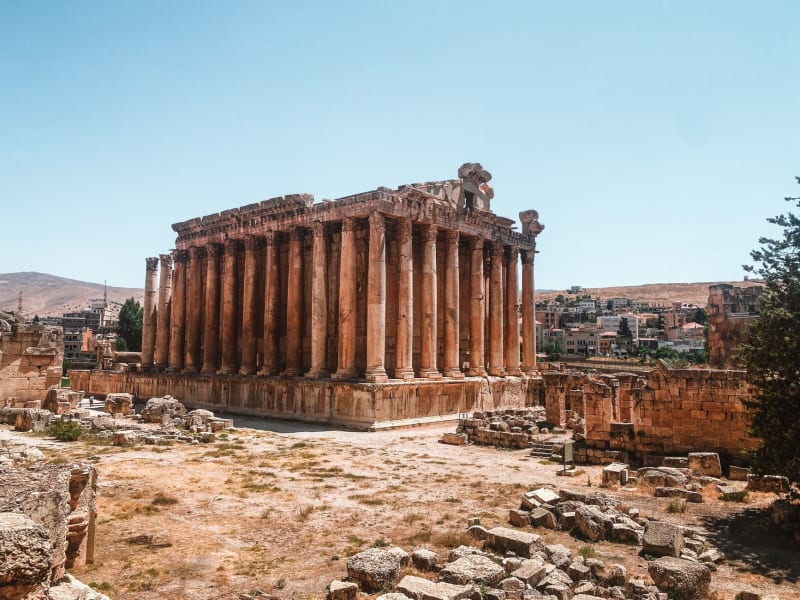
 Baalbek
Roman temple ruins so colossal they make the rest of classical antiquity look like a rough draft.
Explore lebanon
 Batroun
A Phoenician sea-wall, lemonade stands with a cult following, and a coastal old town where I kept losing entire afternoons without noticing.
Explore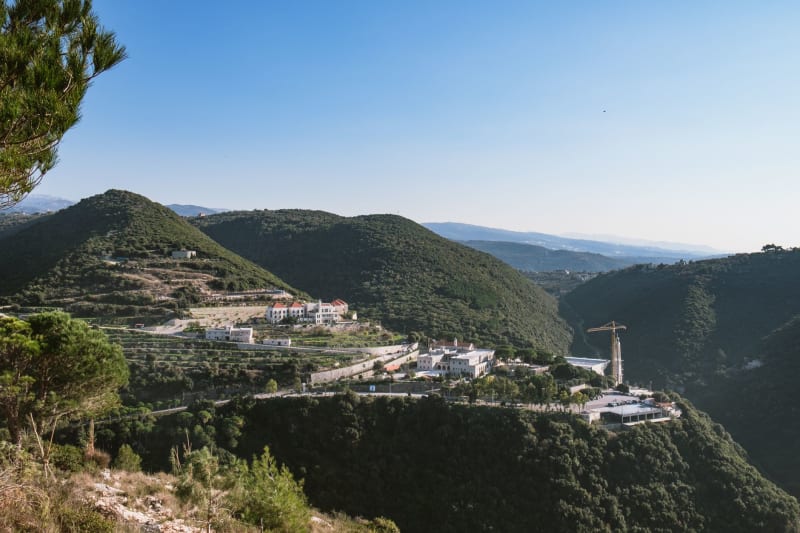 lebanon
 Bcharre
A mountain village at the edge of a sacred cedar forest, birthplace of Khalil Gibran, and the best reason to drive high into the Lebanese peaks.
Explore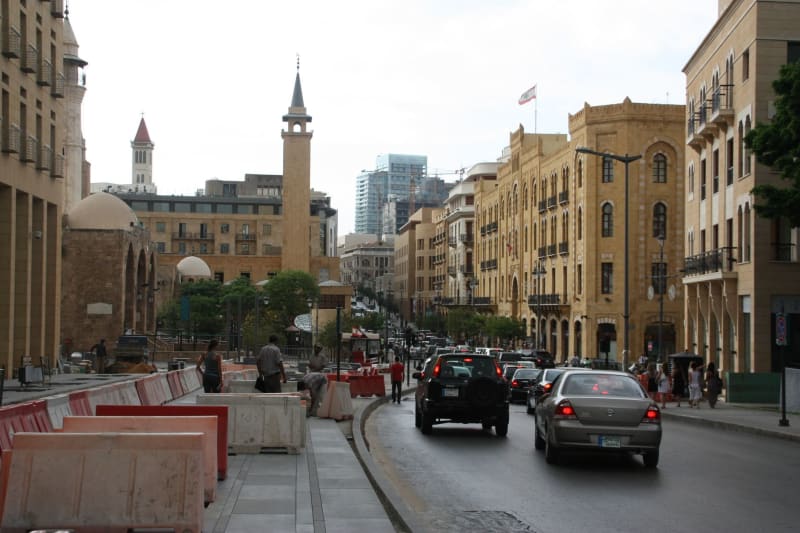 lebanon
 Beirut
A city that keeps rebuilding itself from its own rubble and somehow comes out louder every time.
Explore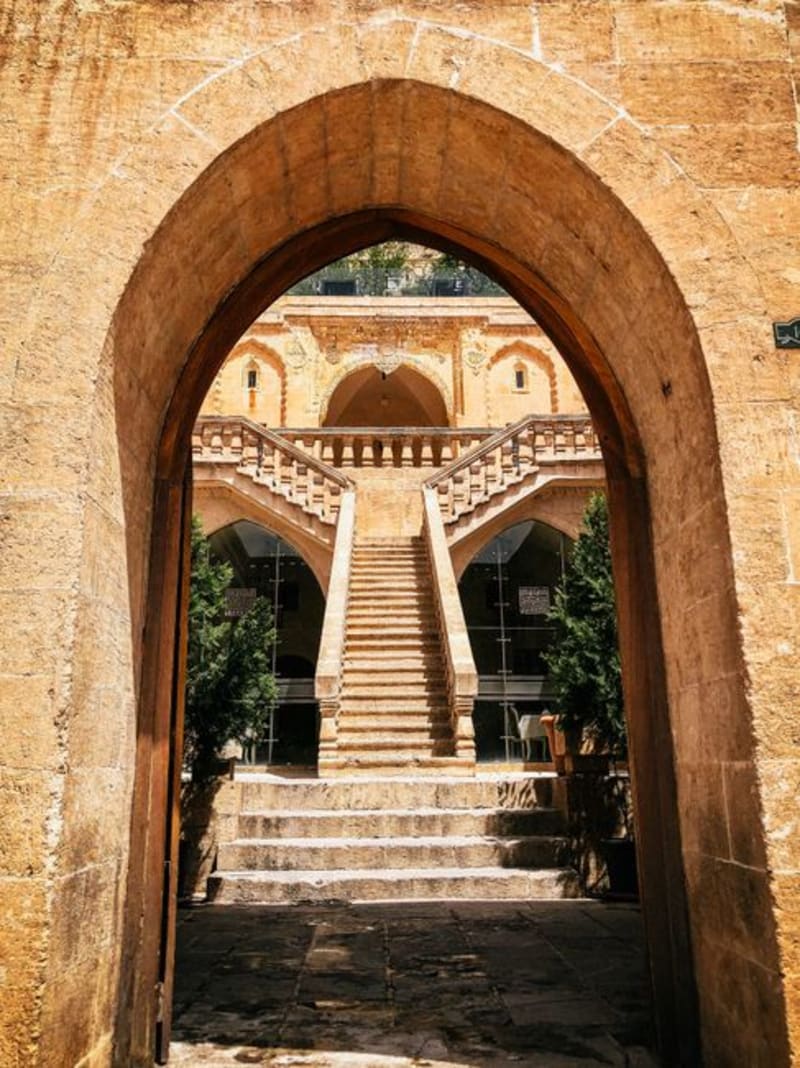 lebanon
 Beiteddine
A 19th-century emir's palace of carved stone and mosaic courtyards in the Chouf mountains, still hosting a summer arts festival under the same stars.
Explore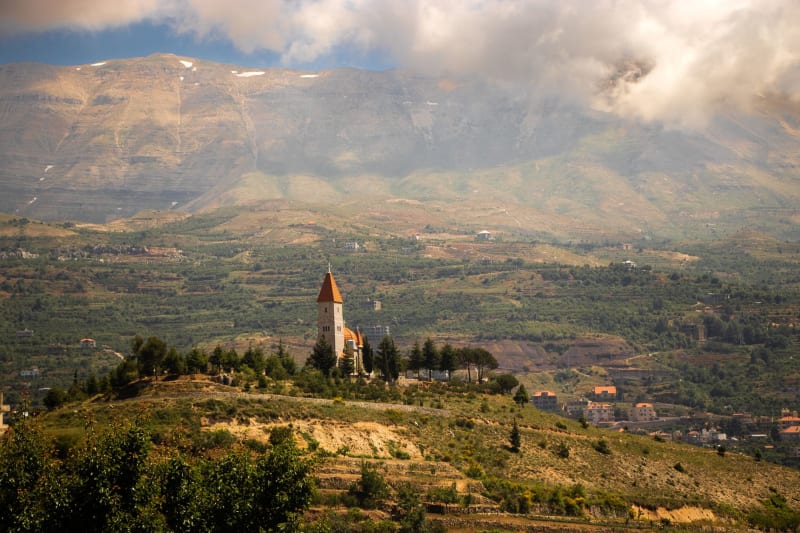 lebanon
 Bekaa Valley
A high flat valley between two mountain ranges where four thousand years of winemaking meets the most improbable agriculture in the Levant.
Explore