
Saariselkä
"The herd appeared from the treeline and moved around me like a fog. I had the sense to stay still."
A fell resort at the edge of two million hectares of genuine Arctic wilderness where reindeer herders still work the land.

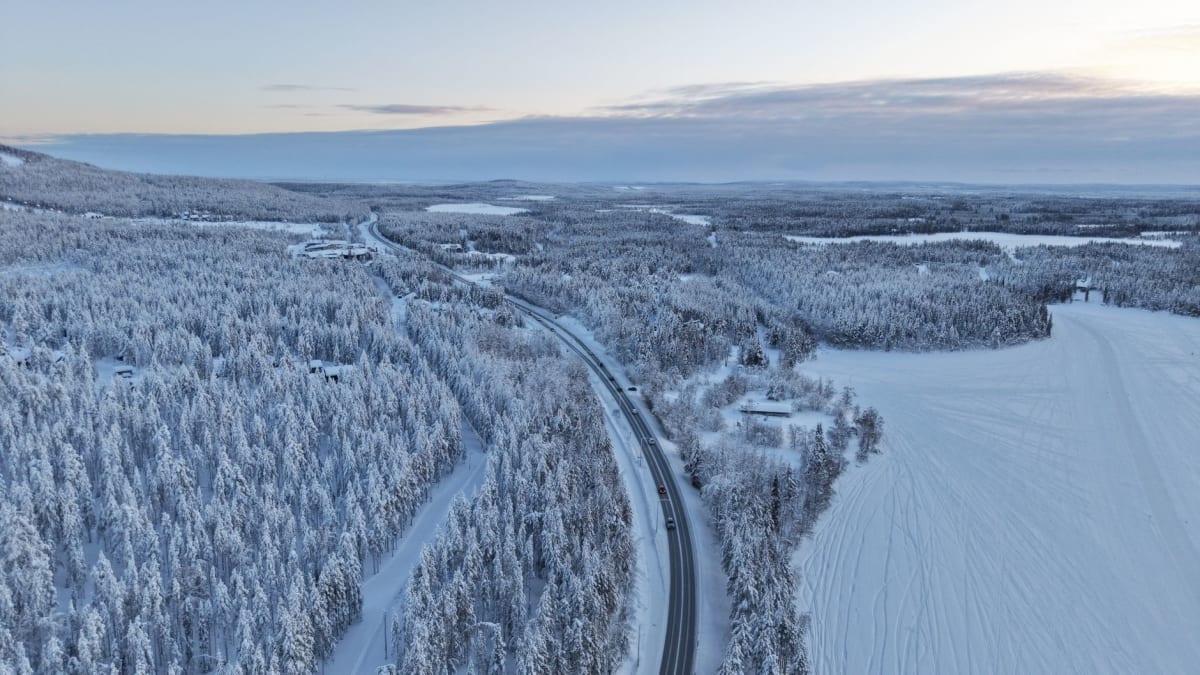
The road north from Rovaniemi takes three hours through a landscape that becomes progressively less human and more geological. I was in a rented car, an automatic with studded tires, and somewhere past the town of Sodankylä I became aware that I had not passed another vehicle in forty minutes. The forest had thinned into open fell — treeless high ground, white and wind-scoured, with nothing above me but the kind of sky that exists in only a few places on earth.
Saariselkä itself is a small fell resort, no more than a cluster of timber hotels and a ski lift network threading up through birch scrub. But it sits on the edge of the Urho Kekkonen National Park, and that park is 2,550 square kilometres of genuine wilderness stretching to the Russian border. In winter its fell trails are groomed into cross-country ski tracks; in deeper wilderness, unmarked routes head for cabins maintained by the national parks service, each one stocked with firewood and a wood stove, each one accessible only on skis or snowshoes. I booked one for two nights.
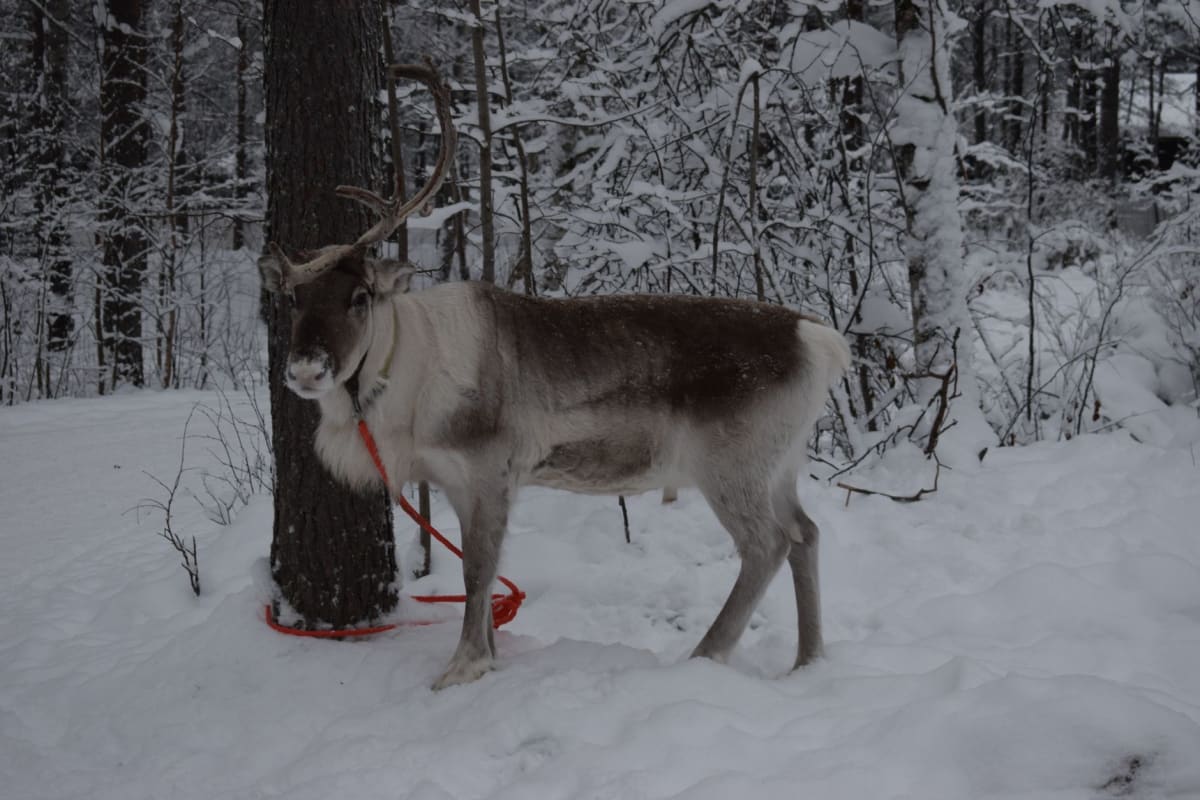
The reindeer came at dusk on the second day. I was outside the cabin at maybe three in the afternoon — already deep dusk — when they appeared from the treeline, forty or fifty of them, moving through the snow like a fog. Their hooves click when they walk, a sound I had not expected, and their breathing steamed in the cold air. A herder came behind them on a snowmobile, barely acknowledging my presence — not rudely, just with the focused efficiency of someone at work in their own landscape. I had the wit to stay still and silent and was rewarded with five minutes of watching the herd flow around me.
The ski terrain above Saariselkä is modest — a handful of runs, nothing technical — but the fell views from the top of Kaunispää hill are what people actually come for. On a clear day you can see into Norway and Russia simultaneously, a 360-degree panorama of white fell broken only by the distant dark thread of the Teno River valley. I stood up there in wind chill of minus thirty-five and felt simultaneously tiny and absurdly fortunate.
The aurora here is exceptional — far from Rovaniemi’s light pollution, the sky over Saariselkä on clear nights is the kind that astrophotographers drive hours to reach. I saw my best display on the second night: a full-sky event, green pillars rotating overhead as if the sky were a dome being repainted.
When to go: February and March are the sweet spot — enough polar darkness for reliable aurora, but improving daylight hours for outdoor activities. The national park’s wilderness cabins book fast; reserve months in advance through the Metsähallitus website.
Keep exploring
More from Lapland
 lapland
 Sodankylä
A quiet Arctic service town that hosts the world's northernmost film festival every June under a sun that forgets to set.
Explore lapland
 Utsjoki
Finland's northernmost village and sole Sámi-majority municipality, where an ice road across a salmon river leads to Norway.
Explore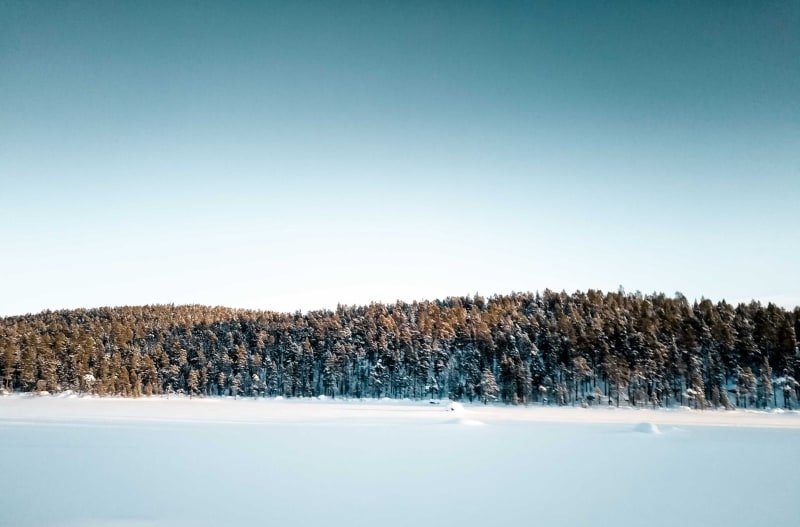 lapland
 Ylläs
Finland's longest ski run cuts through silver birch forest on a fell that stays quieter than it deserves to be.
Explore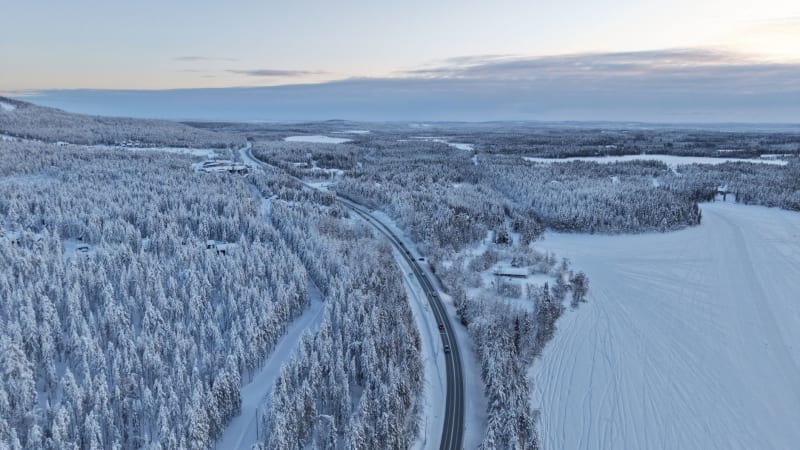 lapland
 Hetta
A Sámi village at the edge of national park wilderness where planes land on the frozen lake and the light in March is the best in Finland.
Explore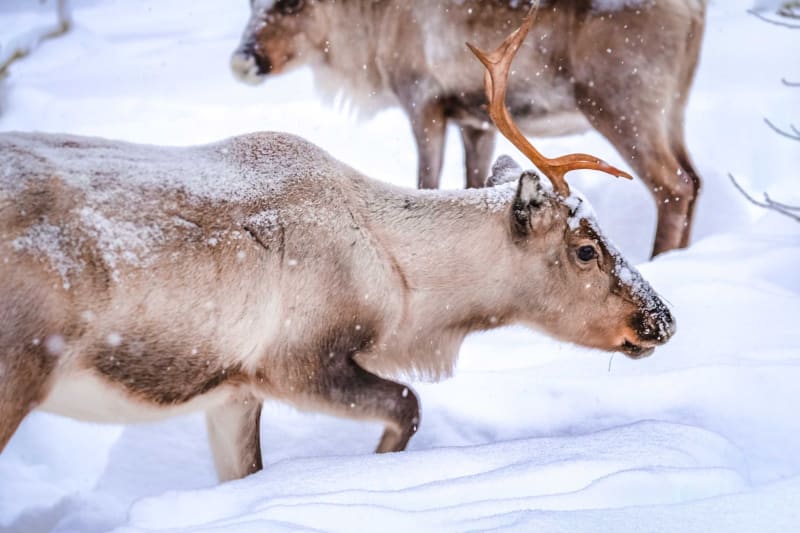 lapland
 Inari
The Sámi cultural capital of Finland, where a frozen thousand-square-kilometre lake meets one of Europe's most endangered living cultures.
Explore lapland
 Kemi
A working pulp-mill town on the frozen Gulf of Bothnia, where you can ride a real icebreaker and float in the sea inside a survival suit.
Explore