Inari
"I stood at the centre of the frozen lake and heard my own heartbeat. There was nothing else."
The Sámi cultural capital of Finland, where a frozen thousand-square-kilometre lake meets one of Europe's most endangered living cultures.

Inari sits at the edge of one of the largest lakes in Finland — Inarijärvi, 1,084 square kilometres of freshwater that freezes solid in winter and becomes, in its frozen state, a kind of white plain extending so far into the distance you cannot tell where the lake ends and the sky begins. The village is the cultural capital of the Finnish Sámi, a fact that shapes everything about it: the language on the signs, the designs on the buildings, the faces of the people who actually live here year-round rather than arriving on a package deal.
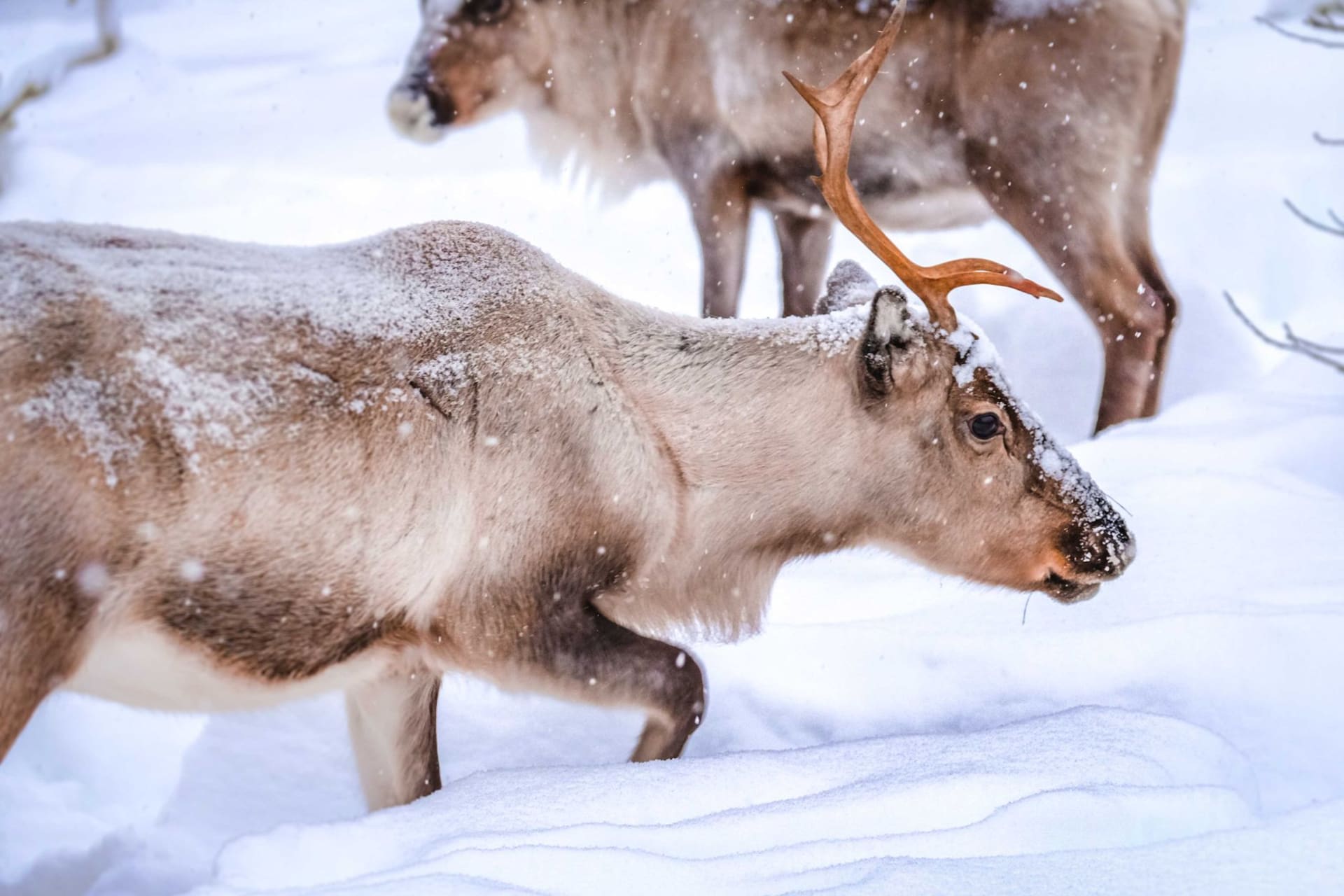
I had come to see the Siida museum, and I left understanding something I had not when I arrived. The Siida is a permanent exhibition on Sámi culture and sub-Arctic nature housed in a contemporary building that opens onto the lake. It is not a museum of nostalgia — it is a living account of a people in ongoing negotiation between their traditional practices and the pressures of the modern world. The section on reindeer herding is extraordinary: photographs, tools, recordings of herders talking about the knowledge accumulated over generations, the rhythms of seasonal migration. I was there alone for most of the morning and took it slowly.

The lake itself, once frozen, becomes a landscape to explore. I went out on it on foot one morning — which sounds alarming until you understand that the ice is typically a metre thick by February, solid enough for cars, let alone pedestrians. The silence on the lake is a different quality from the silence in the forest. In the forest there are small sounds — wind in the birches, the tick of a frozen branch. On the lake, flat and white in every direction, the absence of sound is almost aggressive. I stood at the centre of my own small radius of nothing and felt my heartbeat in my ears.
The food in Inari is Sámi-inflected in ways that go beyond menu tourism. At a small café near the museum I ate a lunch of puikula potato soup with cured reindeer tongue and dried cloudberries pressed into flatbread. The cloudberries — amber-gold, tasting of autumn and something slightly fermented — are a northern obsession I developed immediately and have not shaken since.

There is a Sámi church in the village, small and timber-built, that holds services in the Inari Sámi language — one of the most endangered languages in Europe, with fewer than four hundred native speakers. Standing outside it on a Sunday morning while the congregation filtered in, I felt the weight of that number in a way that no sign or exhibit could quite convey.
When to go: February through April for frozen lake access and the possibility of aurora. The Skábmagovat Indigenous Film Festival runs in January and offers a rare window into contemporary Sámi culture through film — worth planning a trip around if the dates align.
Keep exploring
More from Lapland
 lapland
 Kemi
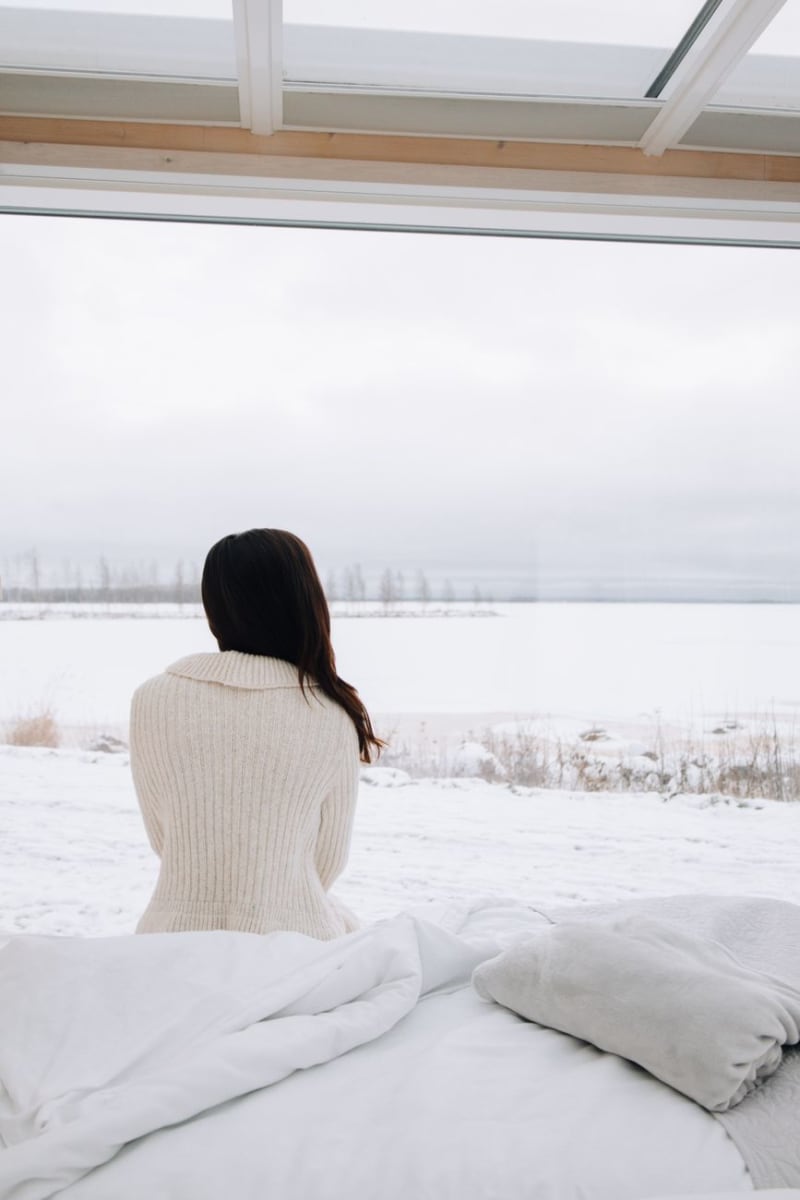
A working pulp-mill town on the frozen Gulf of Bothnia, where you can ride a real icebreaker and float in the sea inside a survival suit.
Explore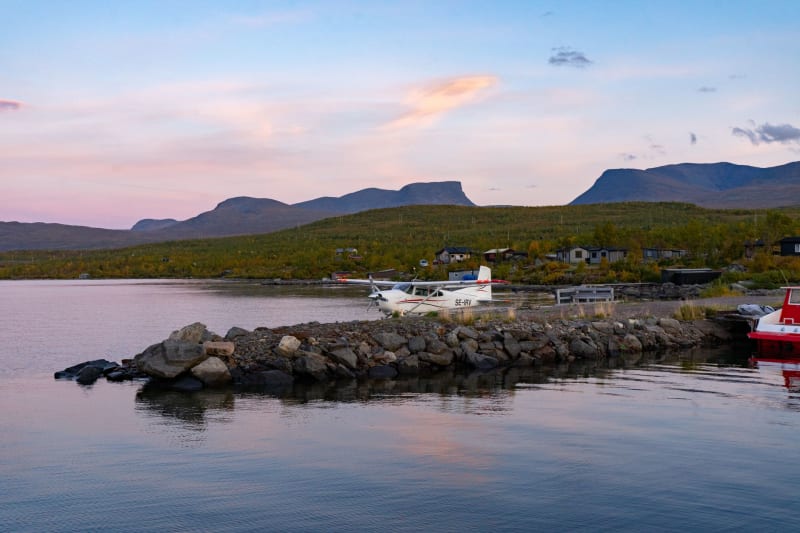 lapland
 Kilpisjärvi
At the point where Finland, Sweden and Norway converge, a frozen lake and a fell cairn mark the most remote corner of the country.
Explore lapland
 Levi
Finland's largest ski resort where you schuss under floodlights at noon because the Arctic sun has simply stopped rising.
Explore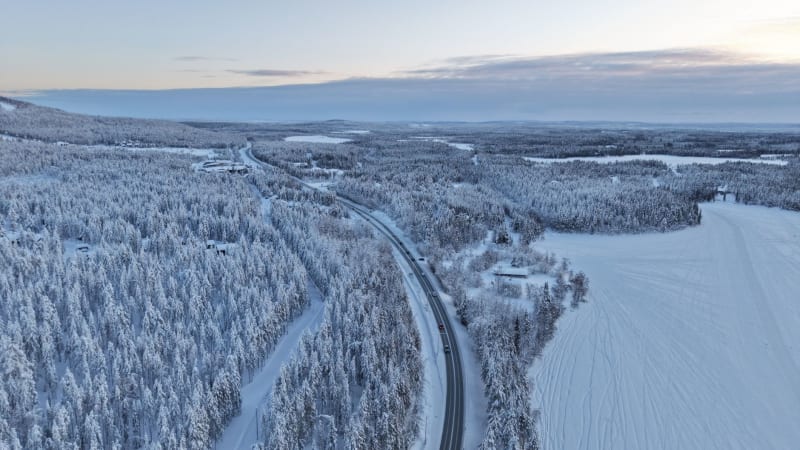 lapland
 Luosto
A small fell resort with a wood-burning sauna, an amethyst mine, and old-growth pine forest that nobody seems to be in a rush to reach.
Explore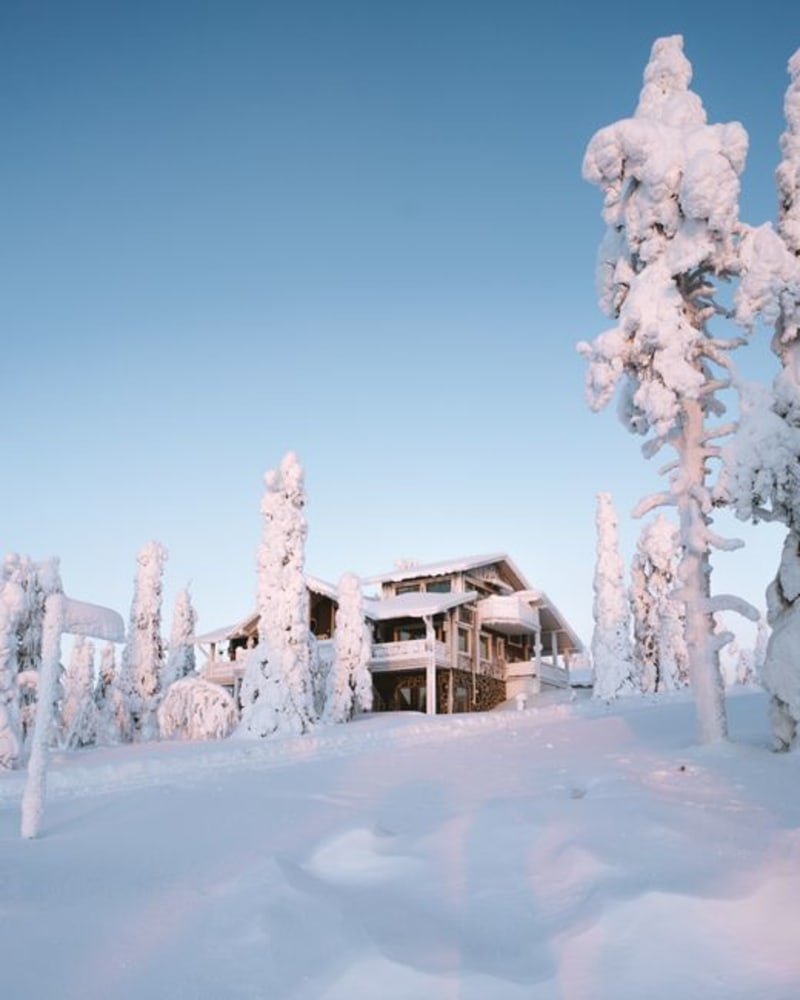 lapland
 Muonio
A small river town on the Swedish border where huskies pull you into silence and the aurora feels close enough to touch.
Explore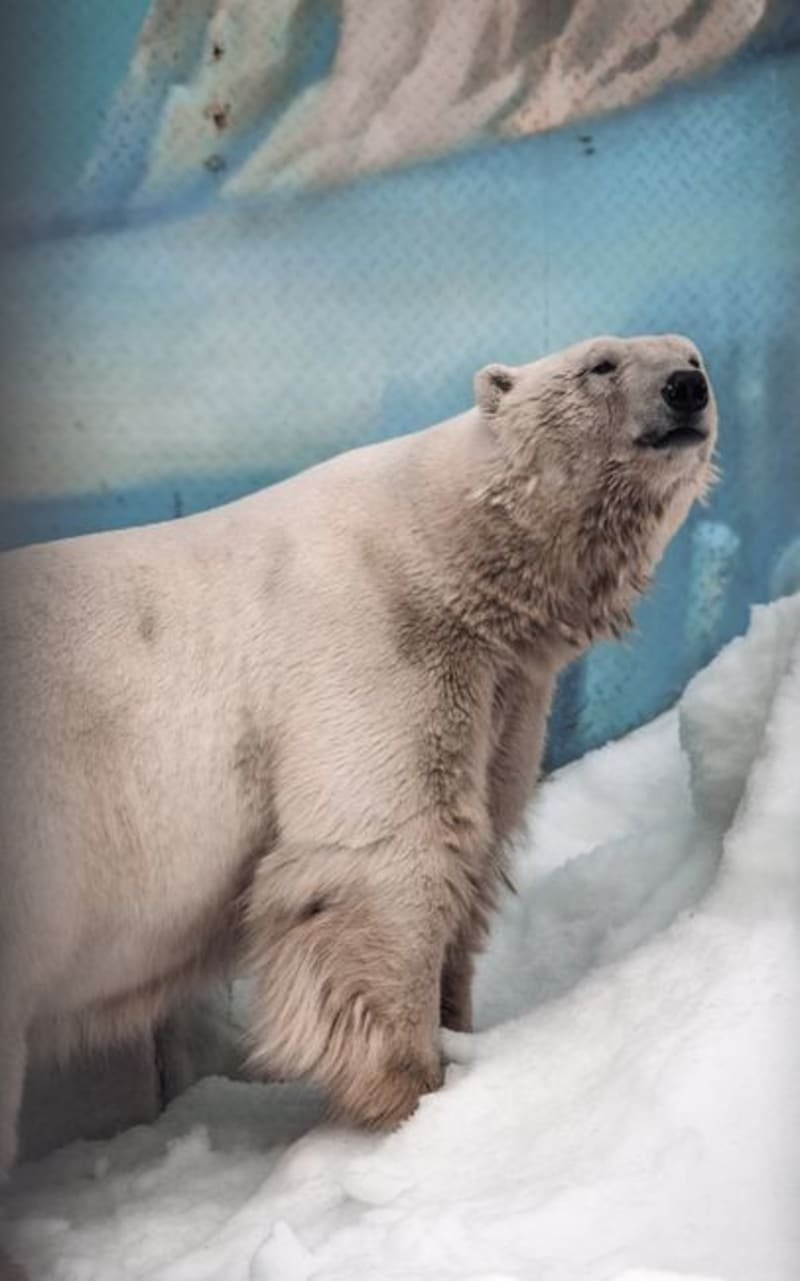 lapland
 Ranua Wildlife Park
The world's northernmost zoo, where Finland's only resident polar bears pace the snow beside brown bears and snow leopards.
Explore