Levi
"Skiing under stars at noon because the sun gave up for the season — context does something ordinary mountains cannot."
Finland's largest ski resort where you schuss under floodlights at noon because the Arctic sun has simply stopped rising.

Levi is the resort that Lapland built to be immediately comprehensible to skiers from anywhere in Europe, and this is both its strength and its limitation. Arriving by shuttle from Kittilä airport — a forty-minute drive through birch forest — the first thing you see is the ski runs scored into the side of Levi fell, bright with artificial snow and dotted with colourful figures descending in the twilight. It looks, for a moment, exactly like every other ski resort in the northern hemisphere. Then the temperature gauge on the bus reads minus twenty-eight and you remember where you actually are.
The mountain is not exceptional by Alpine standards — the highest run drops 325 metres, a hill rather than a peak — but that is genuinely not the point. Levi’s particular quality is in its context. Skiing here at noon means skiing under stars, because the sun does not rise above the horizon in December. The runs are illuminated by floodlights that cast the snow in a slightly blue-white light, and the birch forest lining the lower slopes is heavy with ice crystals that catch the light from every angle. It is a ski resort that looks like a hallucination.

Off the mountain, Levi has done a good job of the non-ski infrastructure: husky safaris that leave from kennels just behind the resort village, reindeer farm visits that range from the genuinely moving to the frankly theatrical depending on which operator you choose, and snowmobile trails that head north into empty terrain. I took a snowmobile alone one afternoon — no guide, a rented machine, a GPS track on my phone — and drove twenty kilometres into the wilderness until the resort’s light pollution vanished and I was sitting in actual darkness on a fell plateau with the aurora beginning to stir overhead.
The village itself is honest about its resort DNA — there are bars with DJs, restaurants serving burgers alongside the reindeer, a wellness complex with various grades of sauna. The best sauna, though, is in one of the wilderness-style accommodation pods on the resort’s edge: small, wood-burning, overlooking a frozen pond. I spent an hour there one evening alternating heat and a roll in the snow and was surprised to find it one of the best hours I spent in all of Lapland.

When to go: November to April for skiing, with December and January offering the most complete polar darkness. March brings better light and still-reliable snow. The resort gets busy around Christmas and New Year — book accommodation early for those periods or accept the prices that come with leaving it late.
Keep exploring
More from Lapland
 lapland
 Luosto
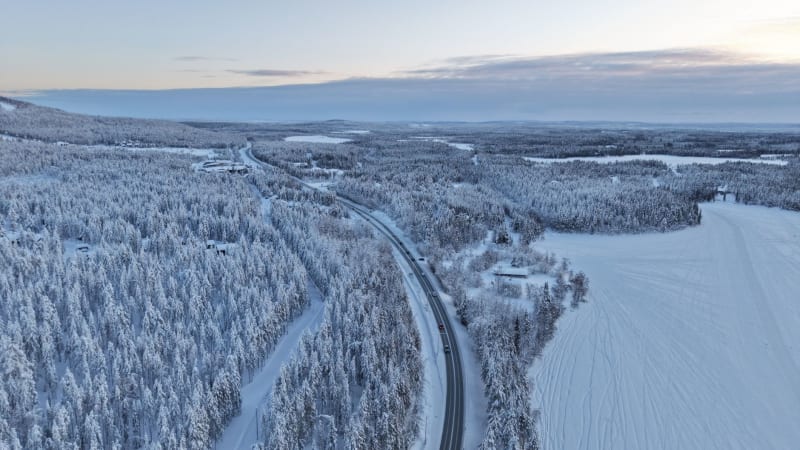
A small fell resort with a wood-burning sauna, an amethyst mine, and old-growth pine forest that nobody seems to be in a rush to reach.
Explore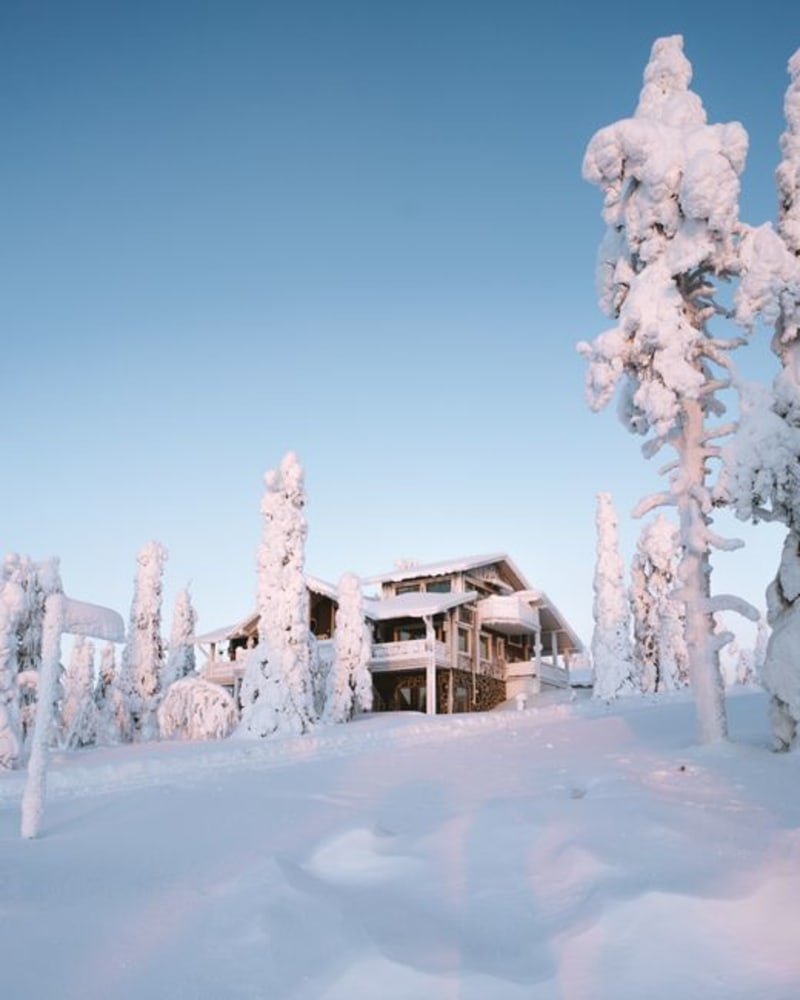 lapland
 Muonio
A small river town on the Swedish border where huskies pull you into silence and the aurora feels close enough to touch.
Explore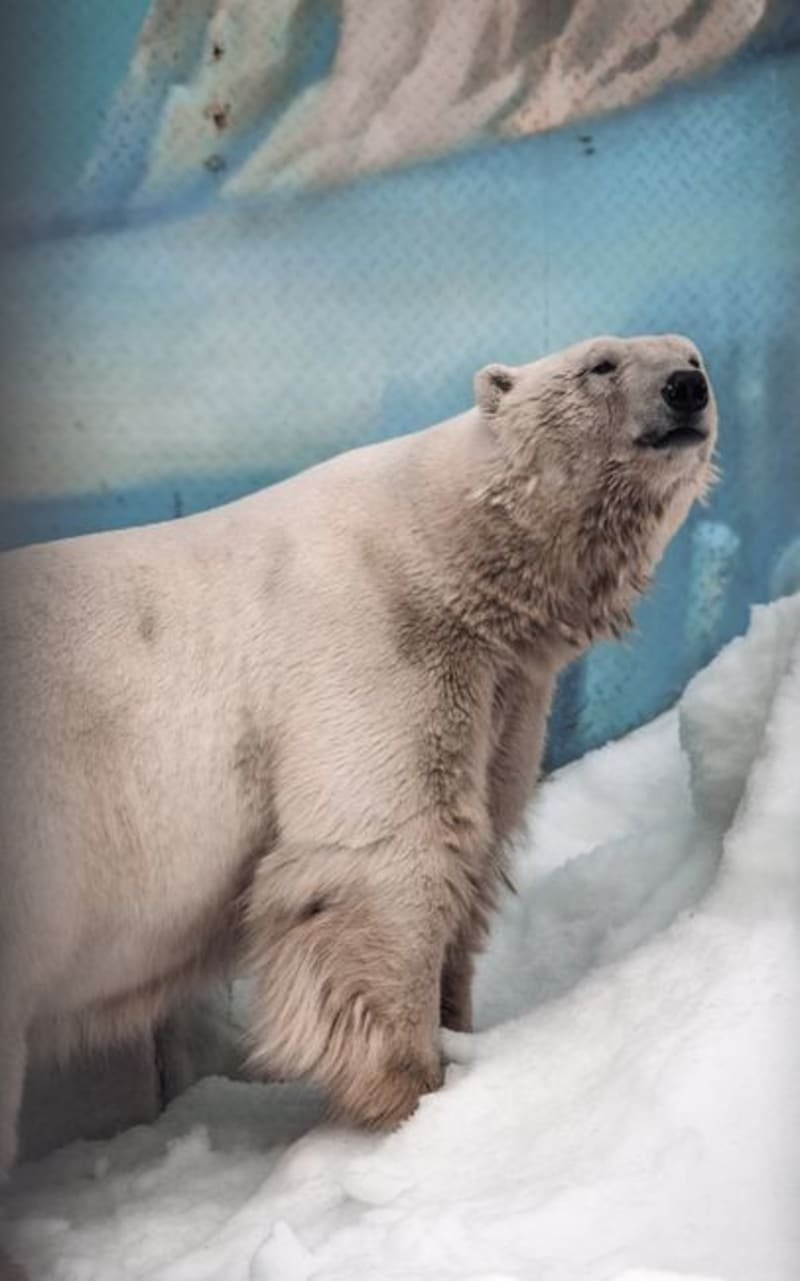 lapland
 Ranua Wildlife Park
The world's northernmost zoo, where Finland's only resident polar bears pace the snow beside brown bears and snow leopards.
Explore lapland
 Rovaniemi
Lapland's Arctic capital hides Alvar Aalto modernism and river silence beneath its Santa Claus theme-park surface.
Explore lapland
 Saariselkä
A fell resort at the edge of two million hectares of genuine Arctic wilderness where reindeer herders still work the land.
Explore lapland
 Sodankylä
A quiet Arctic service town that hosts the world's northernmost film festival every June under a sun that forgets to set.
Explore