
Isla de la Luna
"Everyone goes to the Island of the Sun. I took the boat the locals barely bother with, and had a temple to myself."
A near-empty terraced island on the Bolivian side of the lake, where the Inca kept their chosen women and the silence does most of the talking.

The Smaller Island
Everyone on Lake Titicaca talks about Isla del Sol. It gets the boats, the guesthouses, the postcard. Its quieter neighbour, Isla de la Luna, sits a short crossing to the east and gets almost nothing, which is precisely why I went. The boat from Copacabana stops there only if enough people ask, and on the morning I crossed, the captain seemed faintly surprised that anyone wanted to. Lia and I were two of four passengers who stepped onto the little stone jetty. The other two were a Bolivian couple who had come to see family. By the time the boat pulled away, the island had maybe a dozen people on it, and most of them were farming.
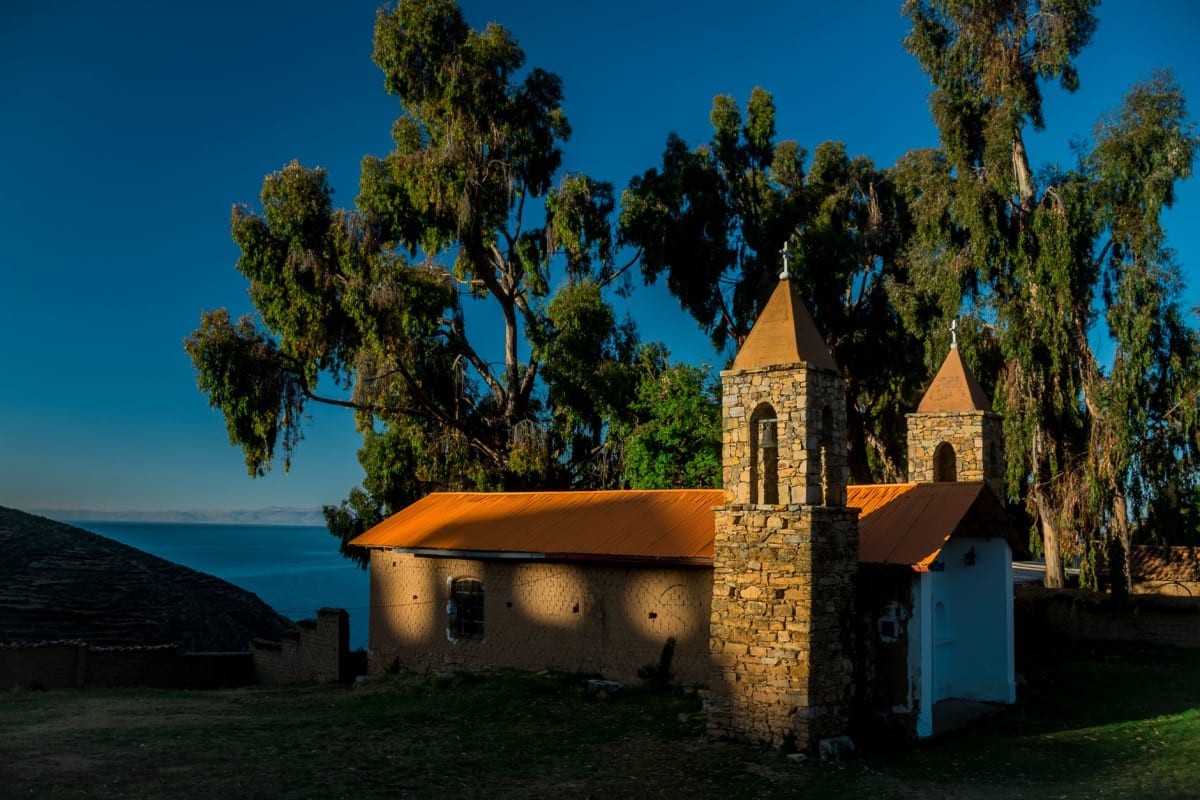
The island is small enough to walk end to end in under an hour, all of it sloping. Pre-Columbian terraces climb the hillsides in tidy green steps, still planted with potatoes and broad beans, and from the high ground the lake opens out in every direction, that impossible deep blue that photographs always make people accuse you of editing. I promise it is real. At 3,800 metres the light is so clean it almost hurts.

Iñak Uyu, the Temple of the Chosen Women
The reason the island matters is a ruin called Iñak Uyu, on the eastern shore. Under the Inca this was an acllahuasi, a house for the acllas, the chosen women who were taken from their communities to weave fine cloth and brew chicha for the empire and its gods. It is a strange, quiet thing to stand in front of: a long courtyard wall pierced with tall trapezoidal niches, restored enough that you can read the shape of it without it being smoothed into a theme park. There was no guide, no ticket booth that morning, just an old man who appeared from somewhere, took a few bolivianos, and pointed vaguely uphill before wandering off.
I sat on the wall for a while. Lia said it felt sad, and she was right — there is something heavy about a place built to house people who had no say in being there. The Spanish chroniclers wrote about these women as if they were a curiosity. Standing in the actual courtyard, with the wind coming off the water and no one selling anything, the weight of it lands differently.
Going, and Leaving
There is no real infrastructure here, which is the whole point. Bring water and something to eat; there is no shop. Most people come on a half-day trip combined with Isla del Sol, but if you can arrange a boat to wait an extra hour, do it. The temple deserves slow time, not a rushed photograph.
We left in the early afternoon, the lake turning silver against the cold. I have been to grander ruins. I am not sure I have been to a quieter one.
Keep exploring
More from Lake Titicaca
 lake-titicaca
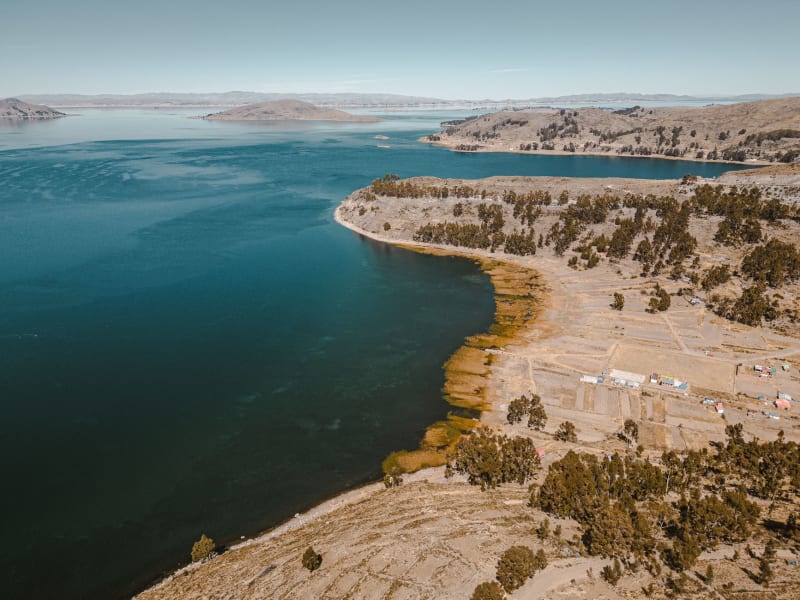
Isla del Sol
The sacred Bolivian island where the Inca believed the sun was born, still carrying that mythic weight in its terraces and its silence.
Explore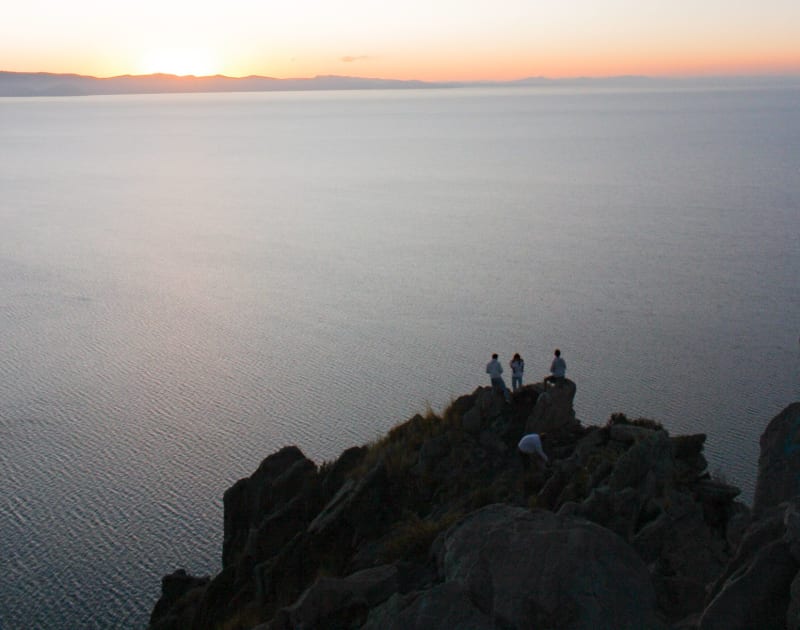 lake-titicaca
Juli
A small Peruvian lake town with four colonial churches and the unhurried quality of a place that stopped being on the way to somewhere else.
Explore lake-titicaca
Llachón
A fishing village on a quiet peninsula that runs its own community tourism and hasn't figured out how to be disappointing yet.
Explore lake-titicaca
Puno
The altiplano gateway city that exists at the edge of the lake and the edge of your breath, where festivals erupt without warning.
Explore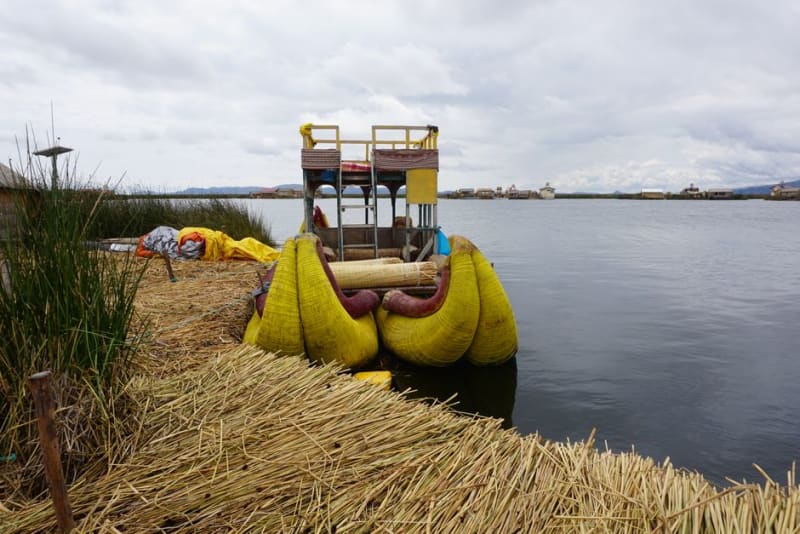 lake-titicaca
Ramis
A working river-mouth town on Titicaca's northern shore where the Ramis River meets the lake, far removed from any tourist circuit.
Explore lake-titicaca
Sillustani
Pre-Inca funeral towers rising from a peninsula above a smaller lake, where the Colla buried their dead in cylinders of stone taller than the sky needed them to be.
Explore