Huatajata
"The old boat builder let me hold a bundle of dried totora reeds and told me his grandfather taught him the exact knots I was fumbling with."
A Bolivian lakeshore village where families still hand-build totora reed boats, home to a small planetarium overlooking Titicaca's calm bay.

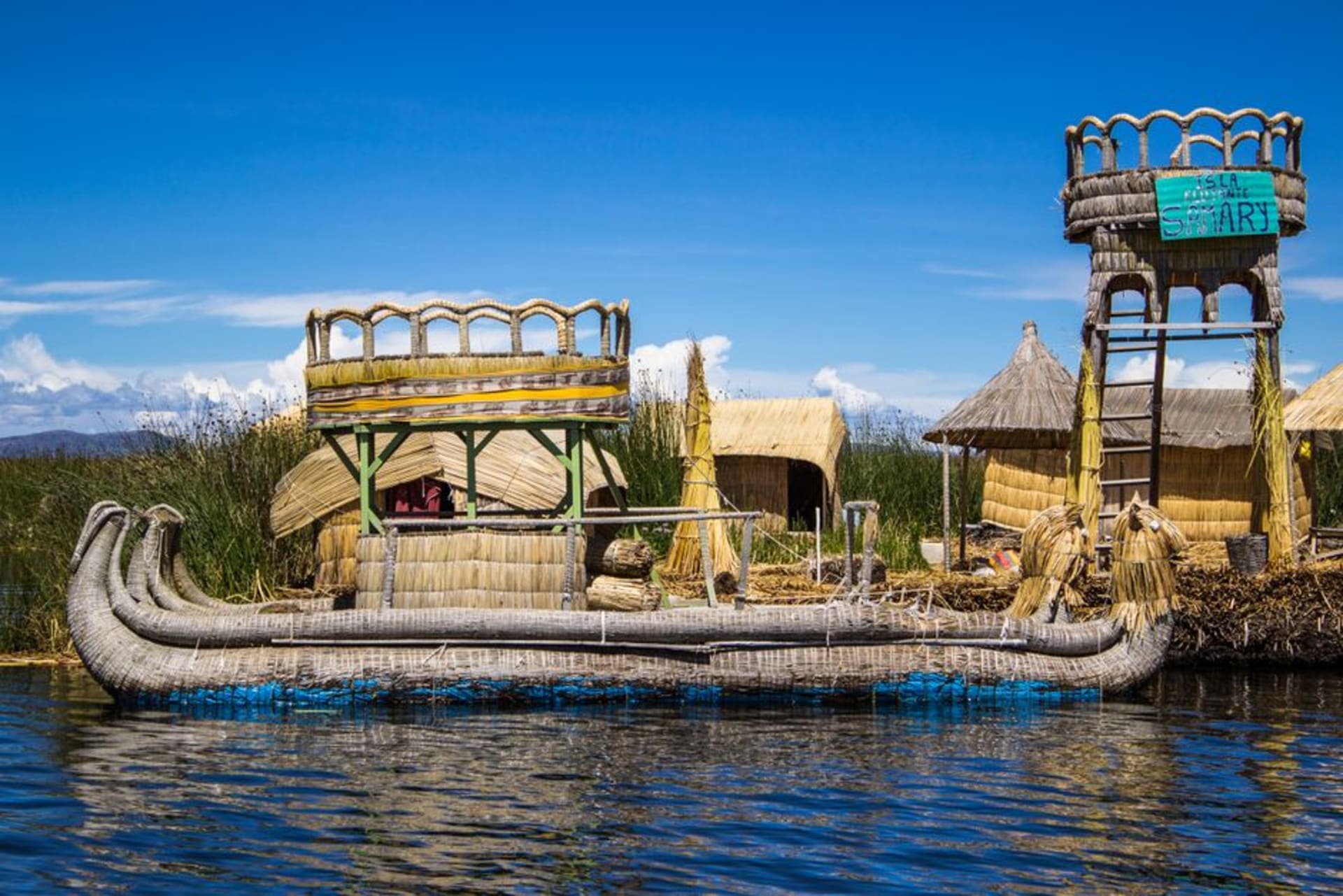
Huatajata gets skipped by a lot of people rushing between La Paz and Copacabana, and I get why — on a map it looks like nothing, a strip of village along the shore. But we stopped for a couple of hours on the way to Isla del Sol and I’m glad we did, because it’s one of the few places left where you can watch reed boats being built by people who actually still use them, not as a show for buses of tourists but as an ongoing, slightly fading craft.
We found a boat builder working outside a shed near the shore, surrounded by dried bundles of totora reed stacked like firewood. He didn’t speak much Spanish beyond what he needed for the transaction — Aymara is the first language for a lot of people here — but he was patient with my questions, and let me handle the reeds while he explained, half in gesture, how the bundles get lashed together into the curved balsa shape you see in every photo of Titicaca ever taken. It takes weeks to build a proper one, he said, and they don’t last more than six months to a year before the reeds rot and need replacing, which explains why fiberglass and wood have mostly taken over for actual fishing here.

The other reason people mention Huatajata, if they mention it at all, is the little planetarium — the Alberto Manzaneda Planetarium, set up by a Bolivian astronomer who was fascinated by the night skies this altitude gives you. It’s small, a bit rough around the edges, more passion project than polished attraction, but Lia and I sat through a short talk about Andean constellations that reframed the sky for me. The Andean tradition sees dark shapes in the Milky Way’s dust clouds as constellations — a llama, a fox, a toad — rather than just connecting bright stars, and once someone points that out you can’t unsee it.

We ate trout at a lakeside restaurant afterward, watching a couple of pink flamingos wade in the shallows a hundred meters out, which felt incongruous and wonderful at nearly 3,800 meters. Huatajata isn’t a place you plan a whole day around, but as a stop, it gave us a more honest picture of daily lake life than most of the more Instagrammed spots along this shore.
When to go: Clear, dry-season nights from May to September make the planetarium’s stargazing sessions worthwhile; daytime visits work year-round for watching the reed boat builders at work.
Keep exploring
More from Lake Titicaca
 lake-titicaca
Isla de la Luna
A near-empty terraced island on the Bolivian side of the lake, where the Inca kept their chosen women and the silence does most of the talking.
Explore lake-titicaca
Isla del Sol
The sacred Bolivian island where the Inca believed the sun was born, still carrying that mythic weight in its terraces and its silence.
Explore lake-titicaca
Juli
A small Peruvian lake town with four colonial churches and the unhurried quality of a place that stopped being on the way to somewhere else.
Explore lake-titicaca
Llachón
A fishing village on a quiet peninsula that runs its own community tourism and hasn't figured out how to be disappointing yet.
Explore lake-titicaca
Puno
The altiplano gateway city that exists at the edge of the lake and the edge of your breath, where festivals erupt without warning.
Explore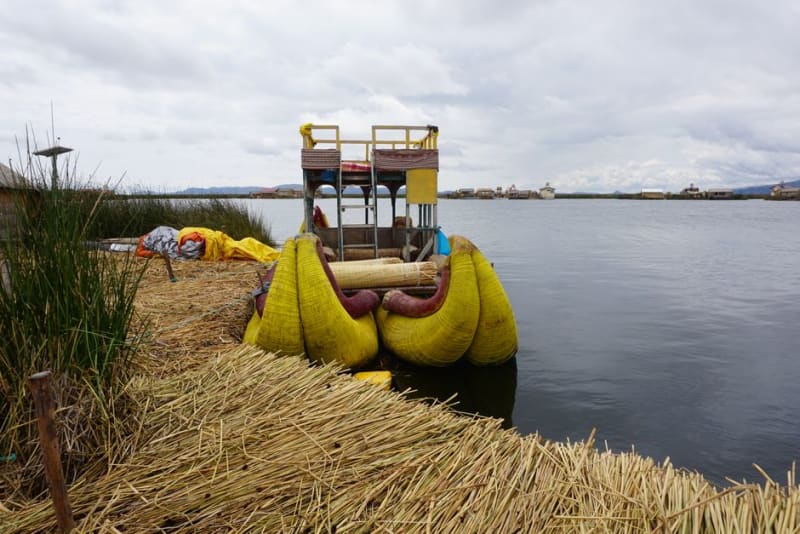 lake-titicaca
Ramis
A working river-mouth town on Titicaca's northern shore where the Ramis River meets the lake, far removed from any tourist circuit.
Explore