Middle East
Kuwait
"The Gulf country everyone skips, and shouldn't."
A Gulf state that traded its fishing-village past for one of the world's highest incomes per capita — and still hasn't quite decided what it wants to be.

I arrived in Kuwait City just before midnight, the Gulf invisible in the dark except for the lights of tankers sitting motionless on the water. The cab driver was Pakistani, had been in Kuwait for sixteen years, and could not stop telling me about the fish at the Friday Market. That turned out to be the best travel tip I received all week. The suq al-jum’a near Sharq is the kind of chaotic, salt-smelling, pre-dawn scene that the Gulf’s glassy towers make you forget exists — old men in dishdasha arguing over crates of hamour, the smell of dried lemon and cardamom drifting from the spice stalls, nothing designed for anyone except people who needed to be there.
Kuwait is a small country with an outsized identity problem. It sits between Saudi Arabia and Iraq, has a per-capita income that dwarfs most of Europe, and has spent the decades since the 1990 Iraqi invasion rebuilding — physically and psychologically. The result is a city that feels like it is perpetually mid-sentence. Glass malls rise next to unfinished lots. The Salmiya district buzzes with Filipino restaurants and Lebanese pastry shops at two in the morning. The Liberation Tower, built after the Gulf War, blinks its red lights into a sky that still remembers what it meant to have them extinguished. I kept bumping into that gap — between the wealth that is everywhere visible and the quieter, harder story underneath it.
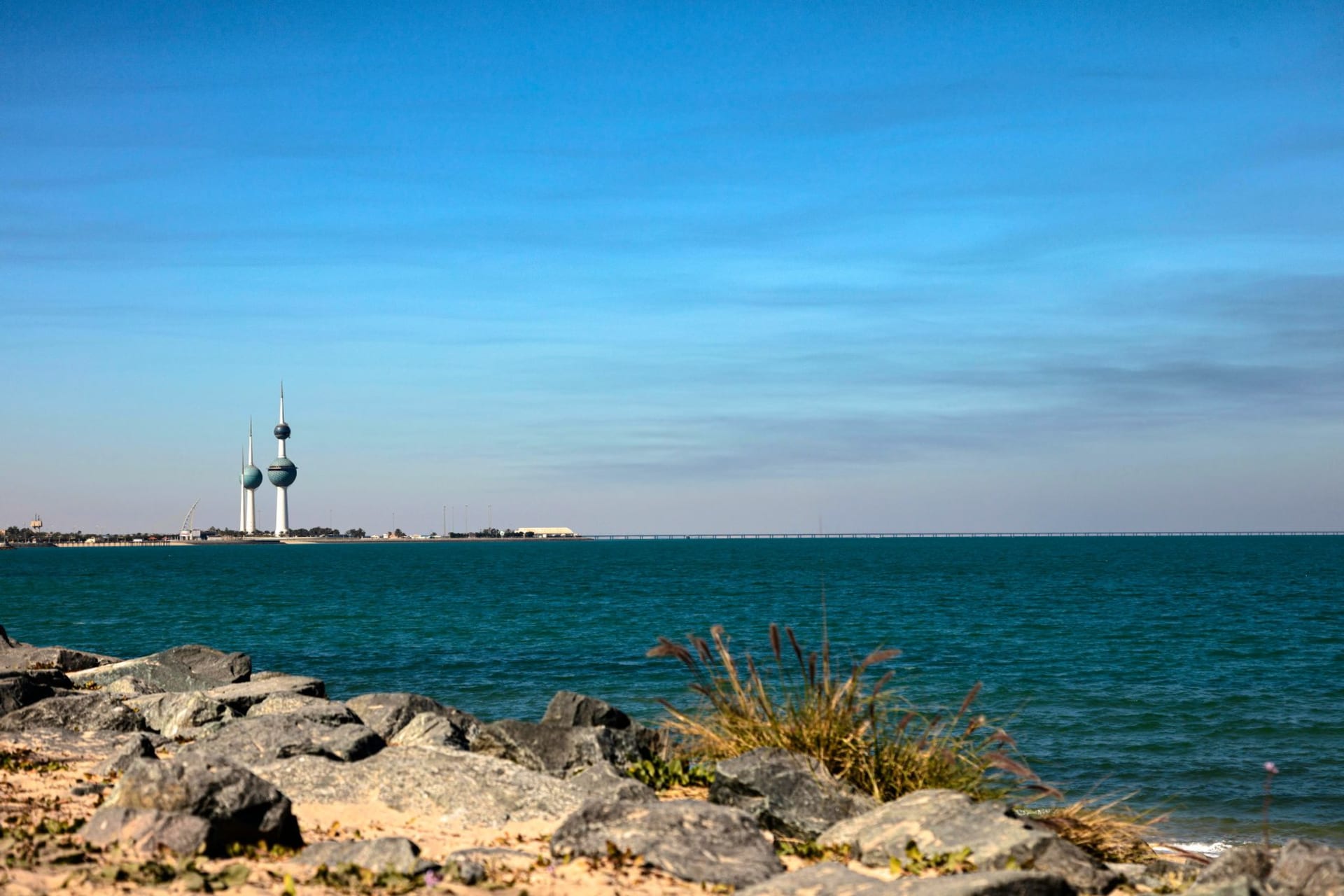
What I did not expect was how good the food would be, or how seriously Kuwaitis take it. Machboos — spiced rice with slow-cooked fish or meat — is the national dish, and eating it at a family restaurant in Rumaithiya, no menu, just point at the pot, was one of the best meals I had in the Gulf. The coffee, cardamom-heavy and served in small handleless cups with dates, arrives everywhere and constantly. Refusal is not really an option. The Dhow Harbor at sunset, with wooden fishing boats rocking against the pier and the Kuwait Towers framing the horizon, gave me the city’s most honest image — old and new, and not entirely comfortable with the combination.
When to go: November to March. Temperatures are genuinely pleasant — 15 to 25 degrees Celsius, dry and clear. Avoid April through October entirely; the summer heat is severe, humidity spikes in July and August, and the city essentially retreats indoors.
What most guides get wrong: They skip Kuwait for Dubai or dismiss it as having nothing to see. The nothing-to-see reading comes from comparing it to neighbors with more obvious spectacle. Kuwait’s interest is subtler: it is a society visibly working through what prosperity means after trauma, and the texture of daily life — the markets, the food, the layered immigrant communities from South Asia and the Levant who run much of the city — is far more interesting than the mall-and-tower surface suggests.
Explore
Places in Kuwait
 kuwait
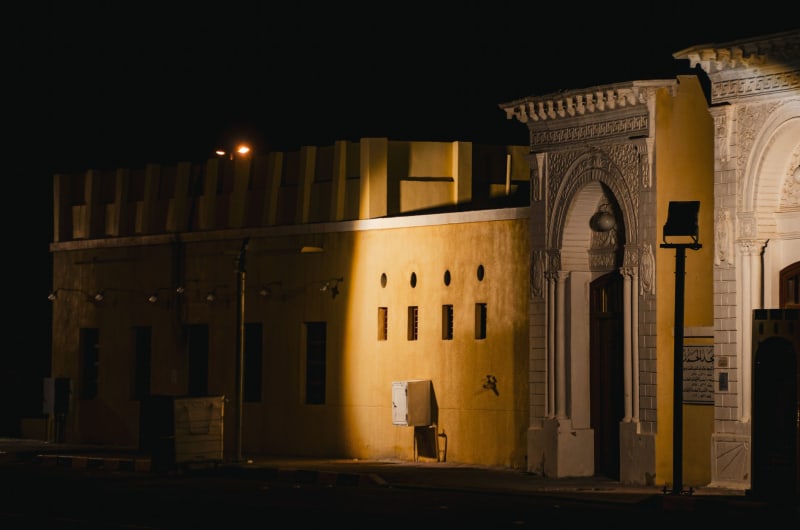
 Al-Ahmadi
A British oil town frozen in the 1950s, where manicured lawns and bungalows sit on top of the world's largest hydrocarbon reserves.
Explore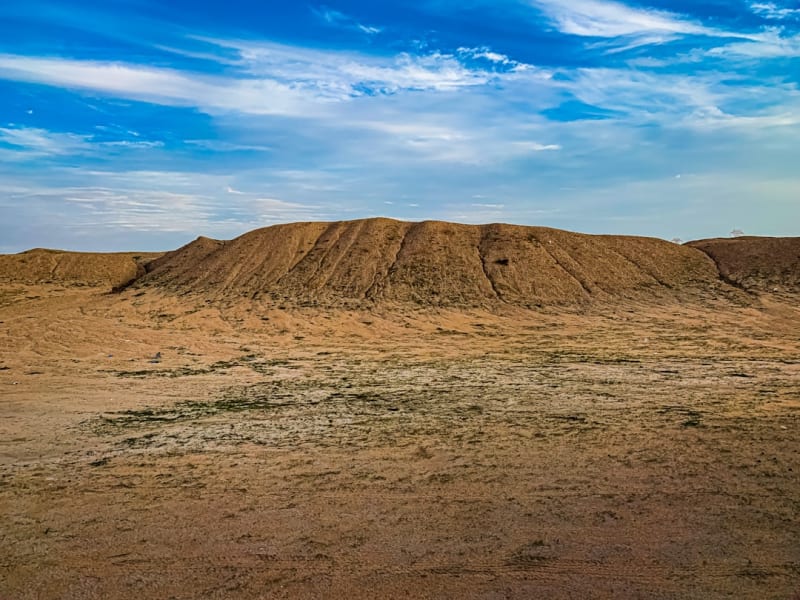 kuwait
 Bubiyan Island
A vast, uninhabited marshland at the edge of Kuwait, reachable by one of the world's longest sea bridges, ruled by tides and migrating birds.
Explore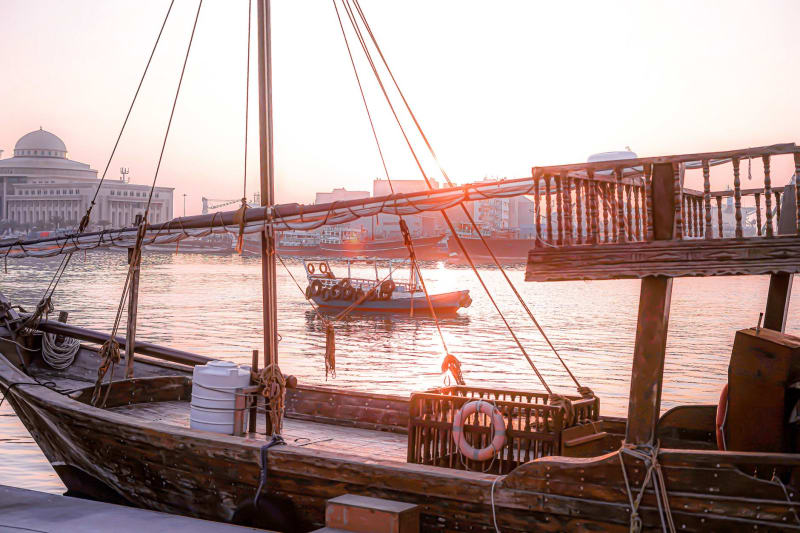 kuwait
 Dhow Harbor
A working wooden-boat harbor where sunset turns the Gulf copper and the city's glass towers are forced to share the skyline with something older.
Explore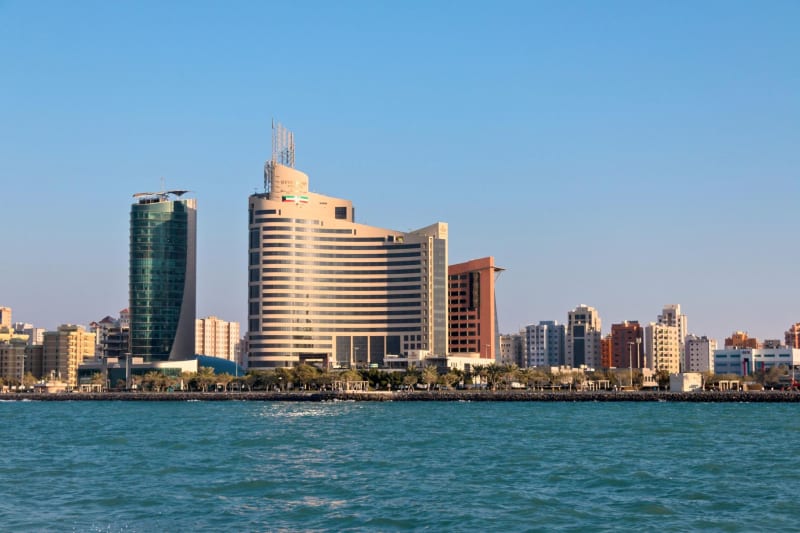 kuwait
 Fahaheel
One of Kuwait's oldest coastal towns, where fishing boats still return before sunrise to the same shore they've used for centuries.
Explore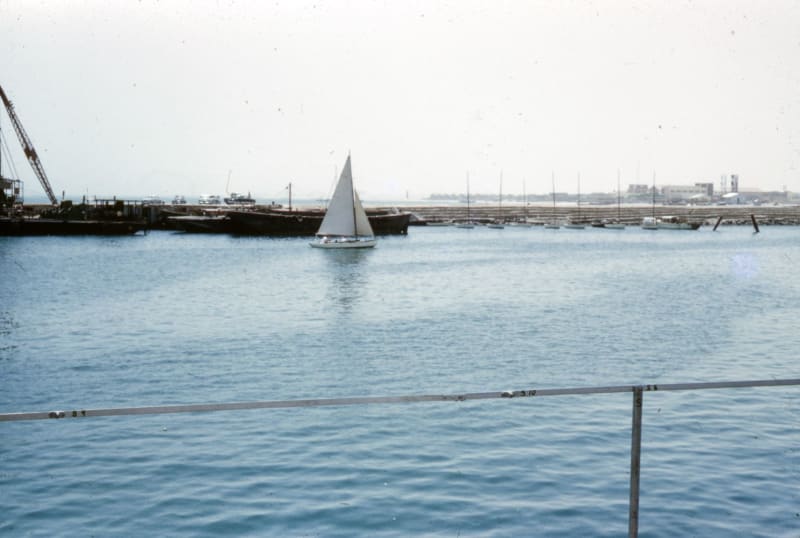 kuwait
 Failaka Island
A bombed-out island in Kuwait Bay where Greek ruins and abandoned houses tell two completely different stories of erasure.
Explore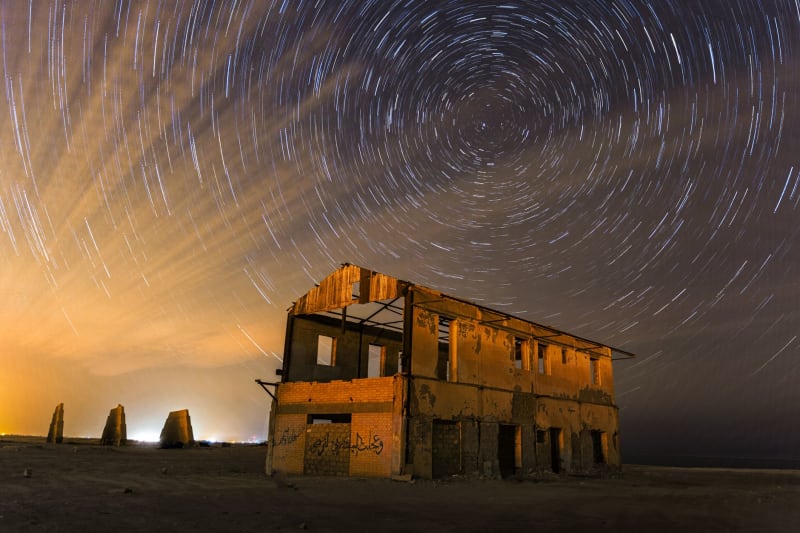 kuwait
 Al-Jahra
A northern desert city anchored by a mud-and-coral fortress that held against an invading army in 1920 and still hasn't forgotten it.
Explore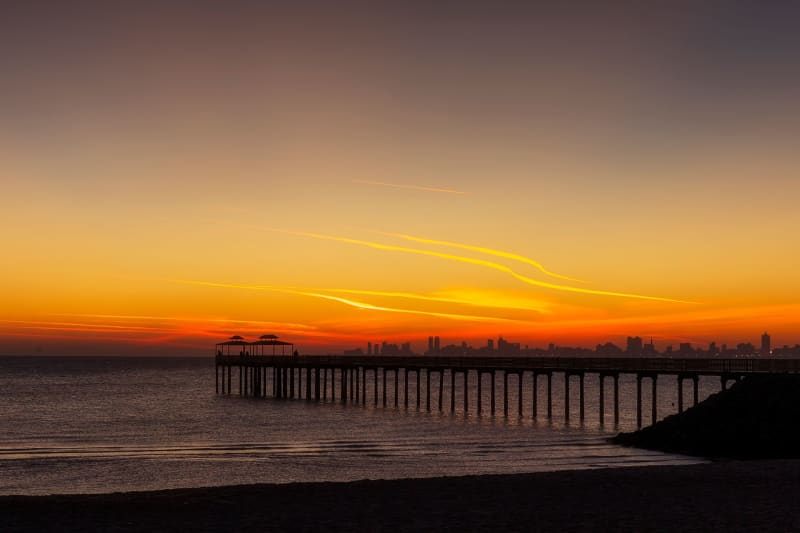 kuwait
 Kuwait Corniche
The Gulf waterfront where fishing dhows and glass towers share the same salt-heavy air every evening.
Explore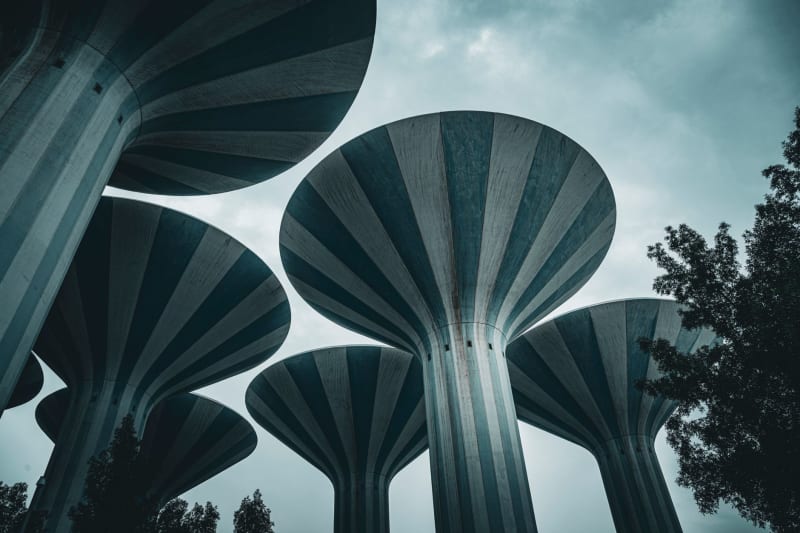 kuwait
 Kuwait Towers
Three concrete spheres on a Gulf peninsula that have become something more than a landmark by surviving the one time the city almost didn't.
Explore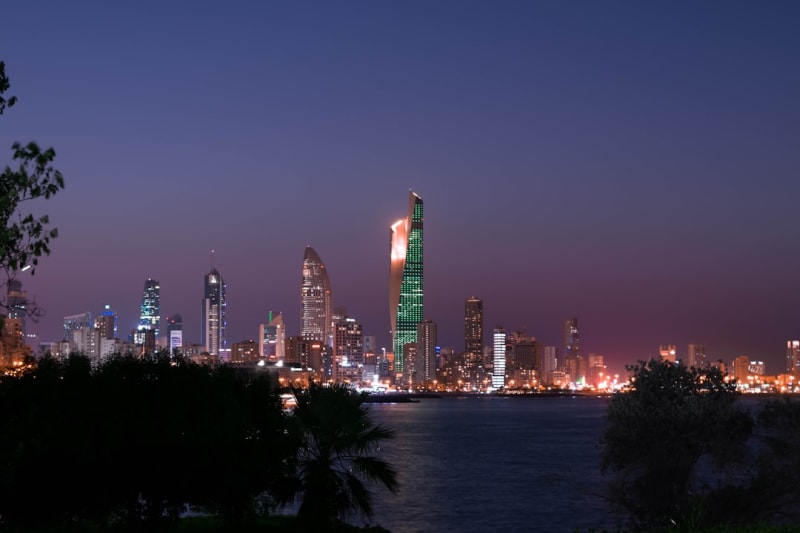 kuwait
 Liberation Tower
A 372-meter needle over Kuwait City, built through war and finished in defiance, best seen at dusk with the Gulf turning gold.
Explore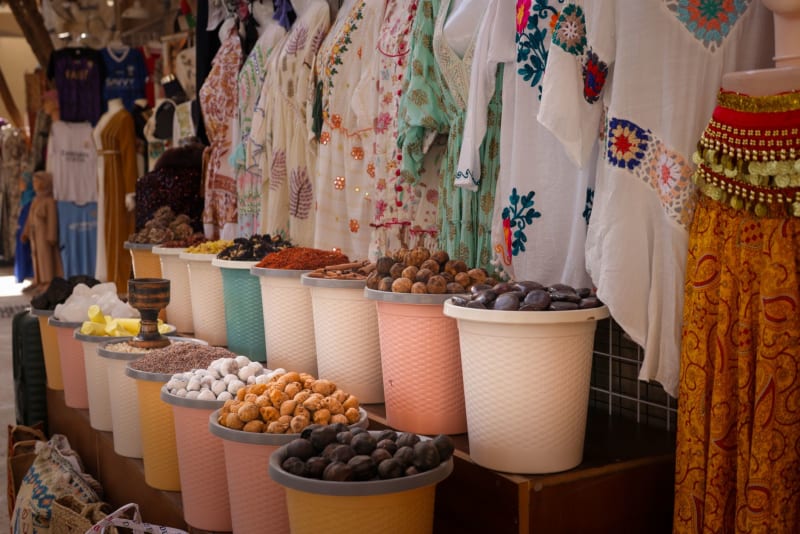 kuwait
 Mubarakiya Souq
Kuwait City's oldest market, where the smell of dried lemon and oud smoke cuts through decades of relentless modernization.
Explore kuwait
 Mutla Ridge
Kuwait's only real hill — and from it you can see the Bay, the desert, and the ghost of a road that became infamous for the worst reasons.
Explore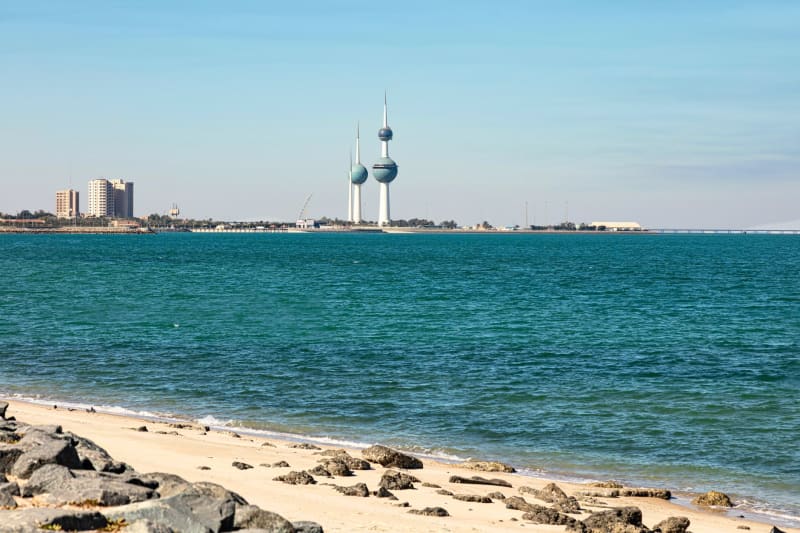 kuwait
 Rumaithiya
A residential eastern suburb where the machboos comes from a communal pot and the best seat is always already taken by someone who knows what they are doing.
Explore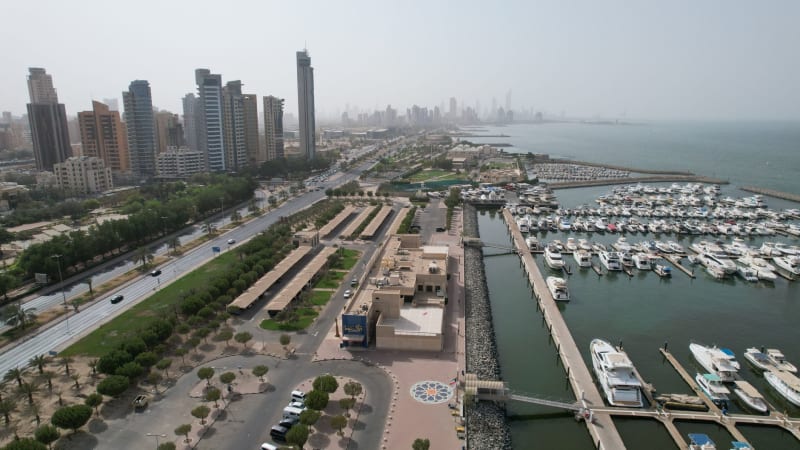 kuwait
 Salmiya
The Gulf Road neighborhood where Kuwait's immigrant majority runs the city's most honest restaurants at hours when the rest of the world is asleep.
Explore