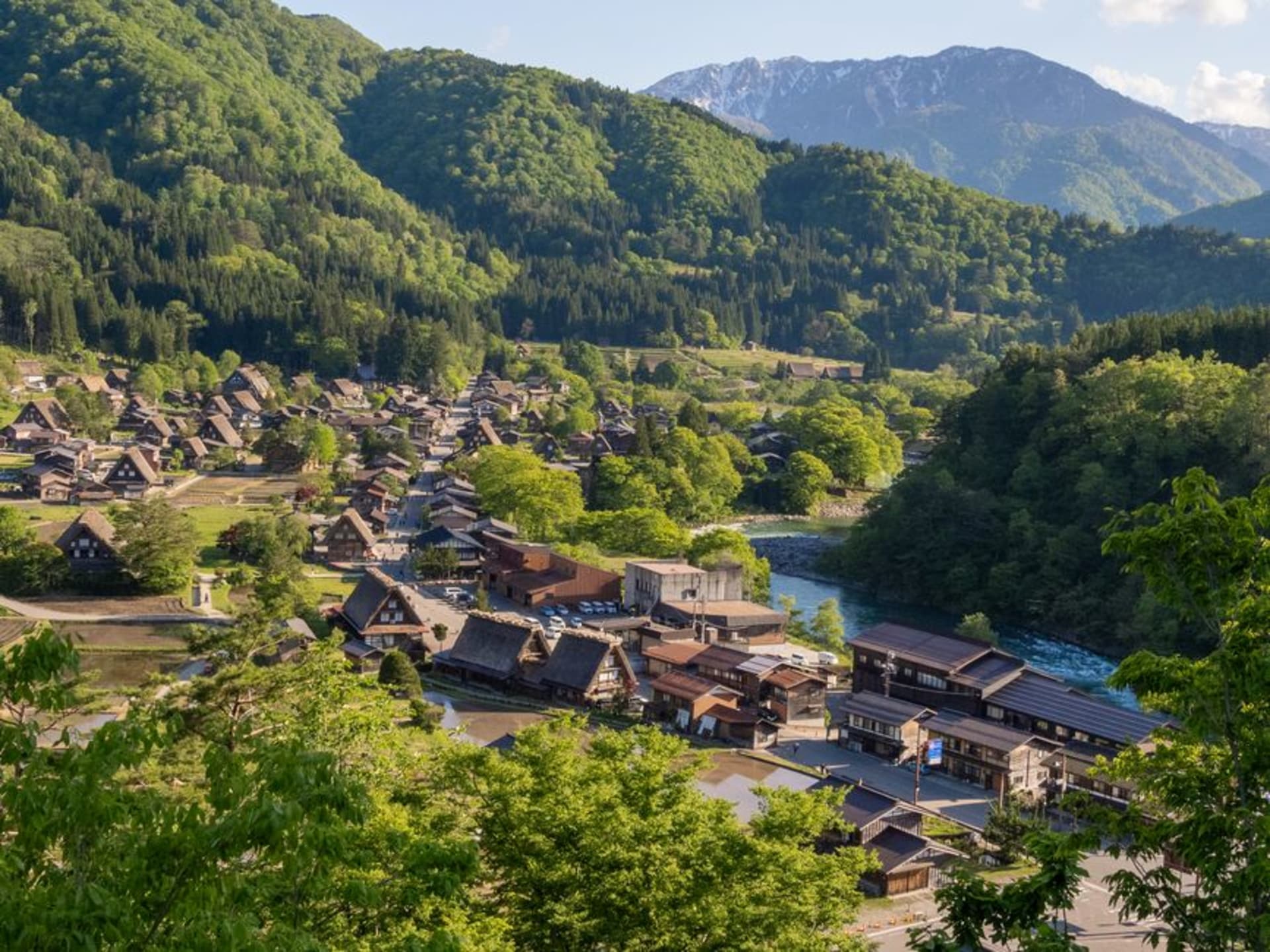
Shirakawa Barrier
"This was the edge of the known world once, and now it's just a quiet park with a farmhouse."
An ancient earthen-rampart checkpoint marking the historic frontier between Yamato Japan and the Emishi peoples of Tohoku, rediscovered centuries after being lost and now a quiet reconstructed site among old farmhouses.

I’ll admit the Shirakawa Barrier was my idea rather than Lia’s, one of those slightly obscure historical footnotes I’d read about and couldn’t stop thinking about — an ancient checkpoint that once marked the actual frontier of the Yamato state, beyond which lay the lands of the Emishi peoples who weren’t yet under central control. Lia went along with reasonable skepticism about whether an “earthen rampart” was going to be interesting to look at. It turned out to be one of those places where the physical remains are modest but the idea behind them is enormous, and we ended up staying far longer than either of us expected.
A Border That Was Lost and Found Again
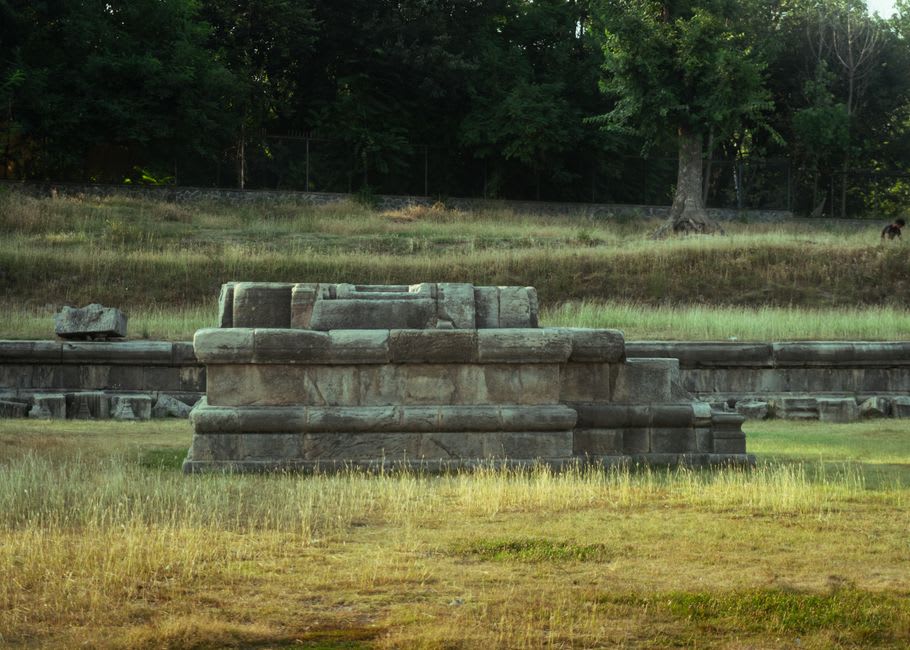
What got me first was the site’s own strange history: this frontier checkpoint may date back well over a thousand years, but it was eventually abandoned and its exact location forgotten for centuries, known only through old poetry and travelers’ writing, until an Edo-period daimyo took it upon himself to rediscover and identify the spot. Standing at the earthworks, low grassy mounds now rather than imposing walls, it was strange to think that even the where of this place had once been a mystery, lost and found again like a piece of half-remembered folklore turned back into geography. Lia liked that detail more than anything else about the site, and kept bringing it up for the rest of the day.
Pit-Dwellings and a Blacksmith’s Fire
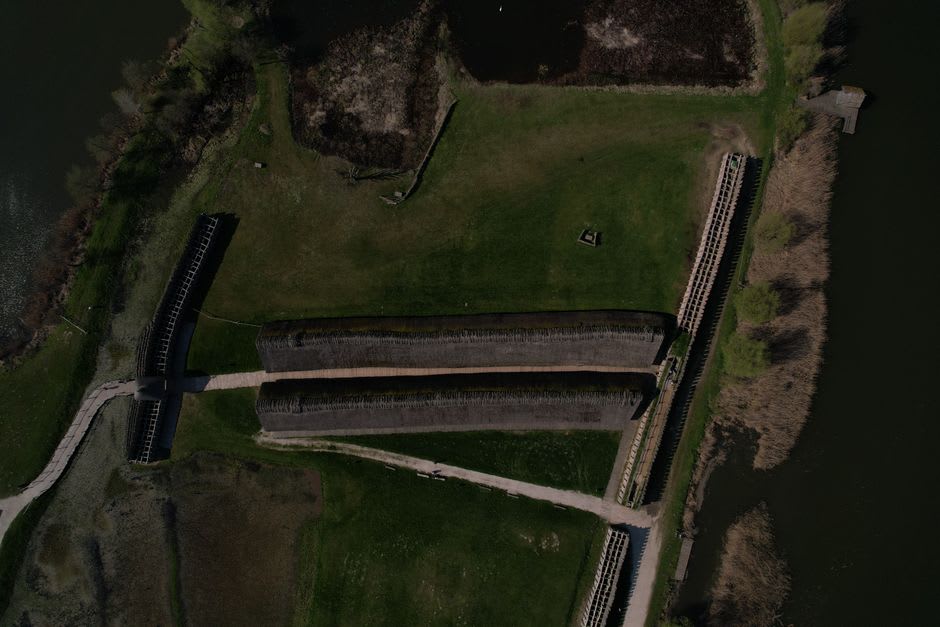
Excavations at the site turned up remains of pit-dwellings and what’s believed to have been a blacksmith’s workshop, evidence of an actual working community stationed here rather than just a symbolic gate. Small explanatory panels along the path sketch out what daily life at a frontier post like this might have looked like, soldiers and craftspeople settled at the literal edge of centralized Japan, forging tools and watching a border that was as much cultural as military. I found myself picturing that blacksmith’s fire burning against a very different, wilder Tohoku than the one we were standing in, tea houses and rice paddies replaced by a genuine frontier. It’s a quiet kind of history, easy to walk past, but it rewards slowing down and actually reading the panels.
A Rebuilt House Among Old Farmhouses
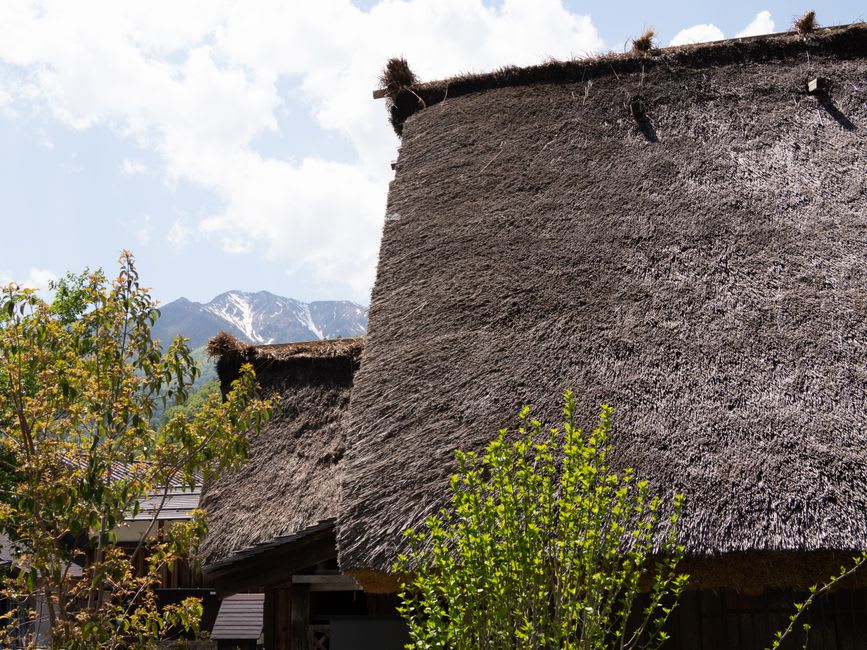
The site now sits inside a quiet park, and near the earthworks stands a reconstructed ancient house alongside a cluster of preserved old farmhouses moved here from elsewhere in the region, their thatched roofs low and heavy over dark timber frames. We wandered between them slowly in the late afternoon, the light going gold and slanting, no other visitors around, just birdsong and the creak of old wood in the breeze. It’s an unassuming, almost accidental kind of open-air museum, more about atmosphere than spectacle, and standing at the boundary between the reconstructed ancient house and the older farmhouses gave a strange, layered sense of time — centuries of settlement stacked quietly on top of each other in one small clearing.
Getting There
The Shirakawa Barrier site sits a short bus or taxi ride from Shin-Shirakawa Station on the Tohoku Shinkansen line, making it a manageable stop for anyone traveling between Sendai and points south. Local bus service to the site can be infrequent, so a taxi or rental car is often the simplest option if you don’t want to plan your visit tightly around bus timetables. The park itself is free to walk through and best explored slowly on foot, so leave more time than the small scale of the ruins might suggest, especially if you want to read through the historical panels properly.
Keep exploring
More of Tōhoku
Keep exploring
More from Tōhoku
 japan
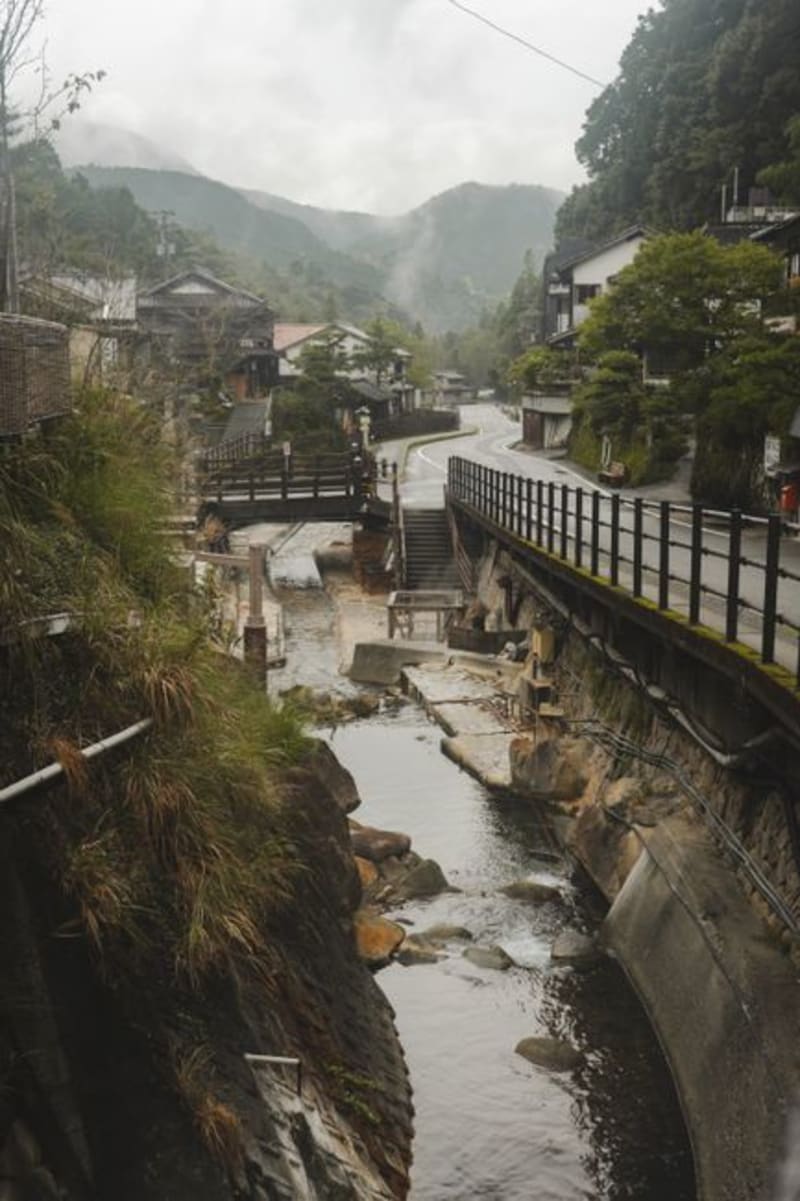
japan Tamagawa Onsen
One of Japan's most acidic hot springs, gushing straight from the volcanic ground near Tazawako, where bathers stretch out on radium-warmed rock wrapped in straw mats along an eerie, steaming Nature Study Trail.
Explore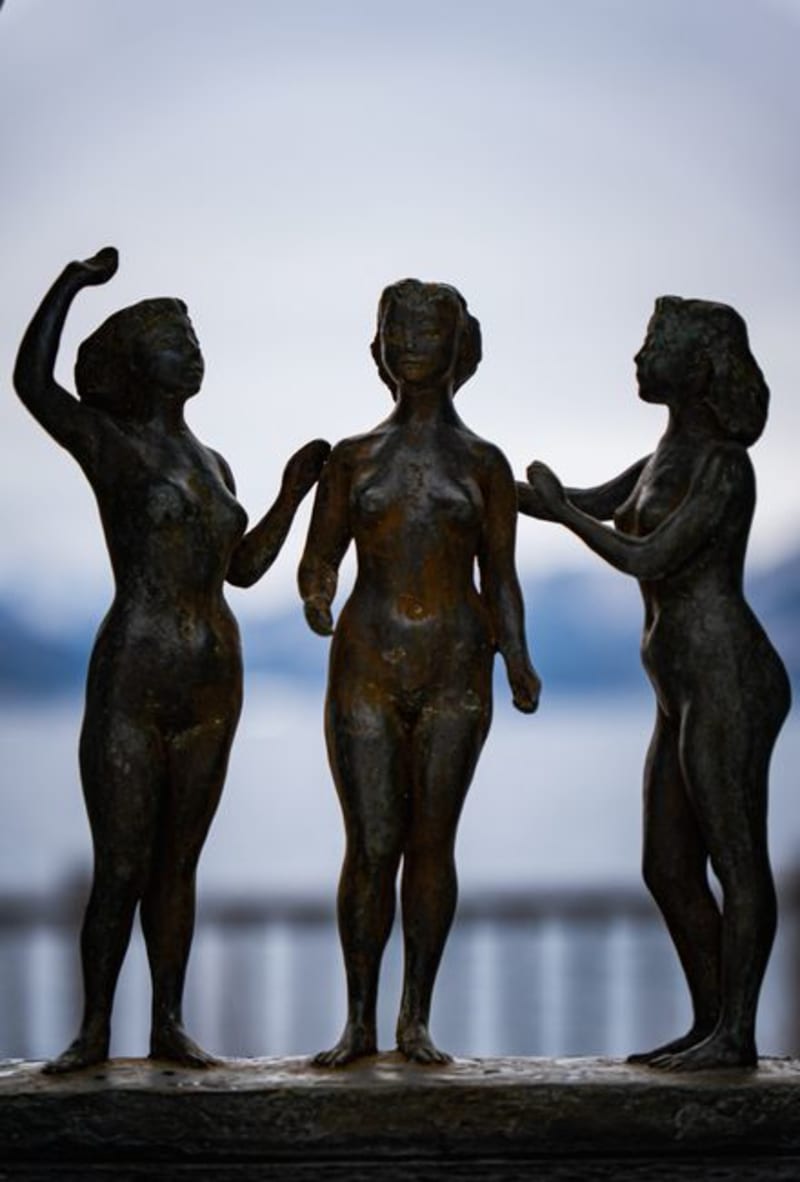 japan
japan Lake Tazawa
A startlingly blue crater lake in the mountains of Akita, the deepest in Japan, with the golden Tatsuko statue standing in its shallows. Serene, vivid, and close to the wild cedar baths of Nyūtō. A place that seems lit from below.
Explore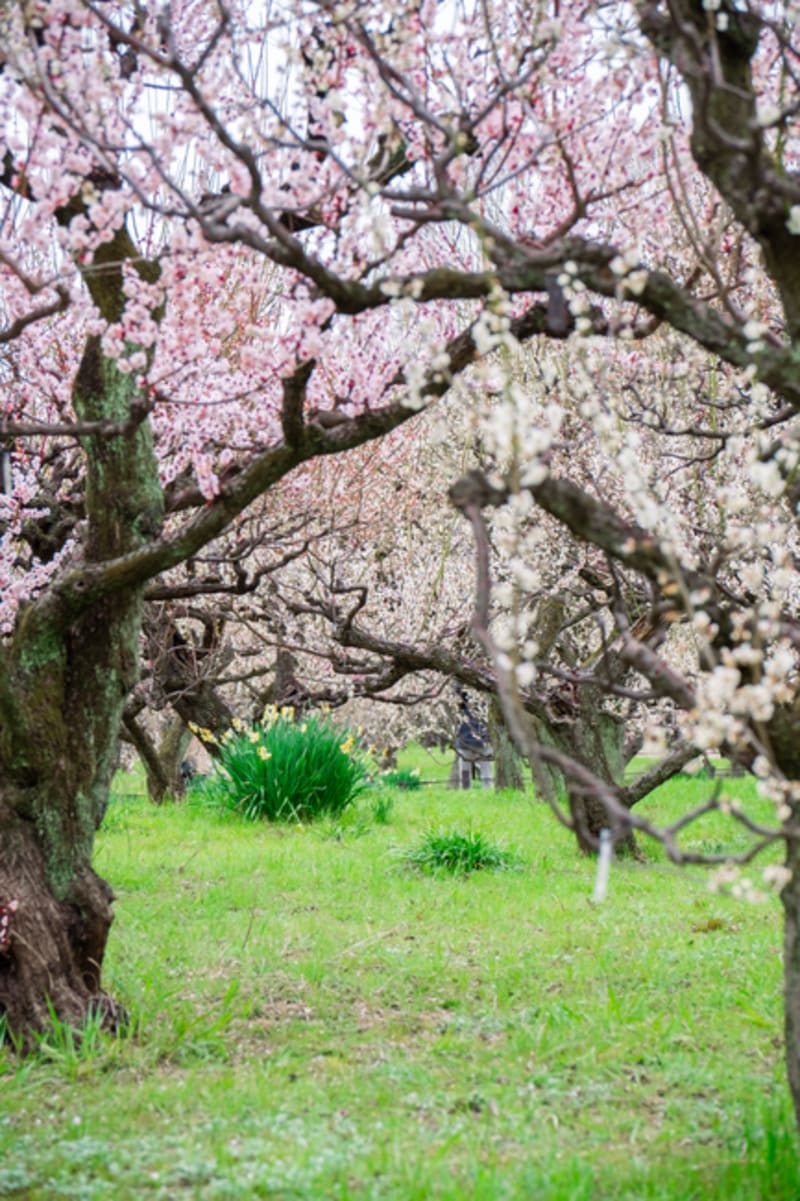 japan
japan Tendo
A small Yamagata town that carves nearly all of Japan's shogi pieces, where the game is played on human-sized boards in the cherry blossoms and soaked away afterward in quiet hot springs. Tendo is craft, orchard, and steam in equal measure.
Explore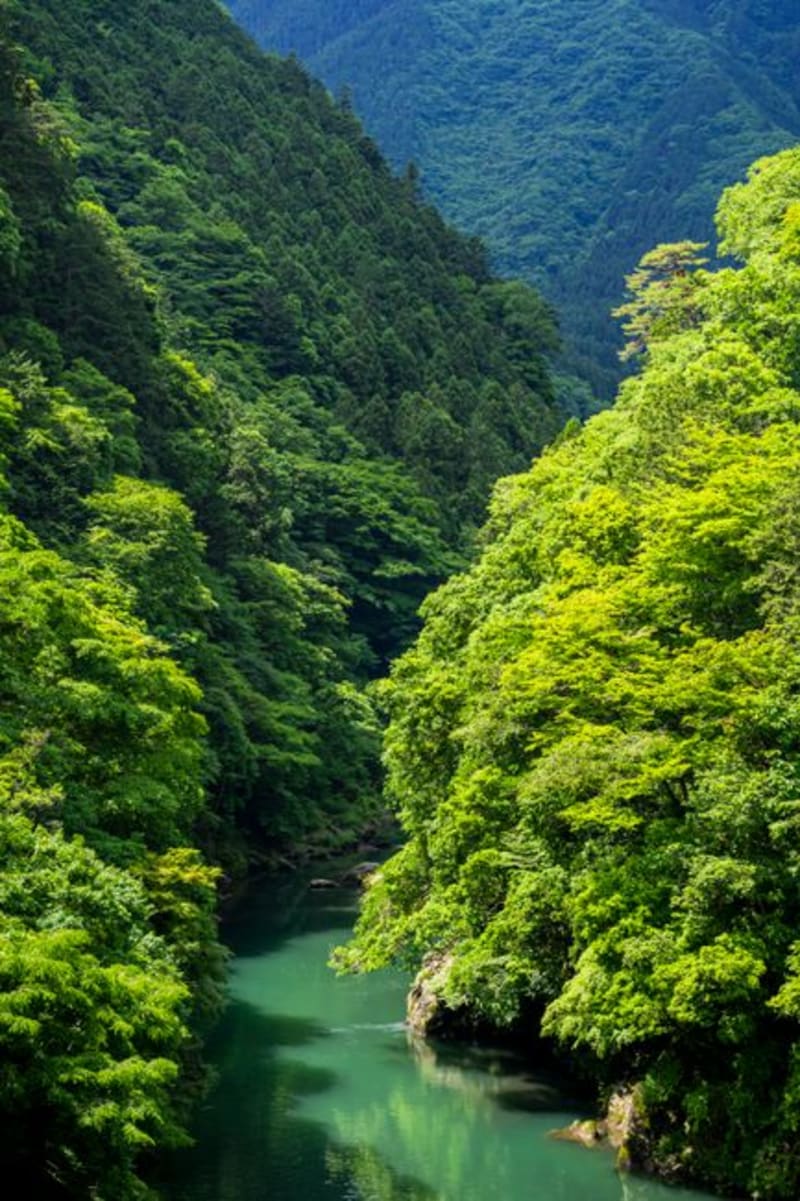 japan
japan Tōno
A misty valley in rural Iwate that is the beating heart of Japanese folklore, where water-spirits are said to haunt the streams, L-shaped farmhouses shelter horses under the same roof as families, and the rice paddies keep a slow, older rhythm. A place where the old stories still feel possible.
Explore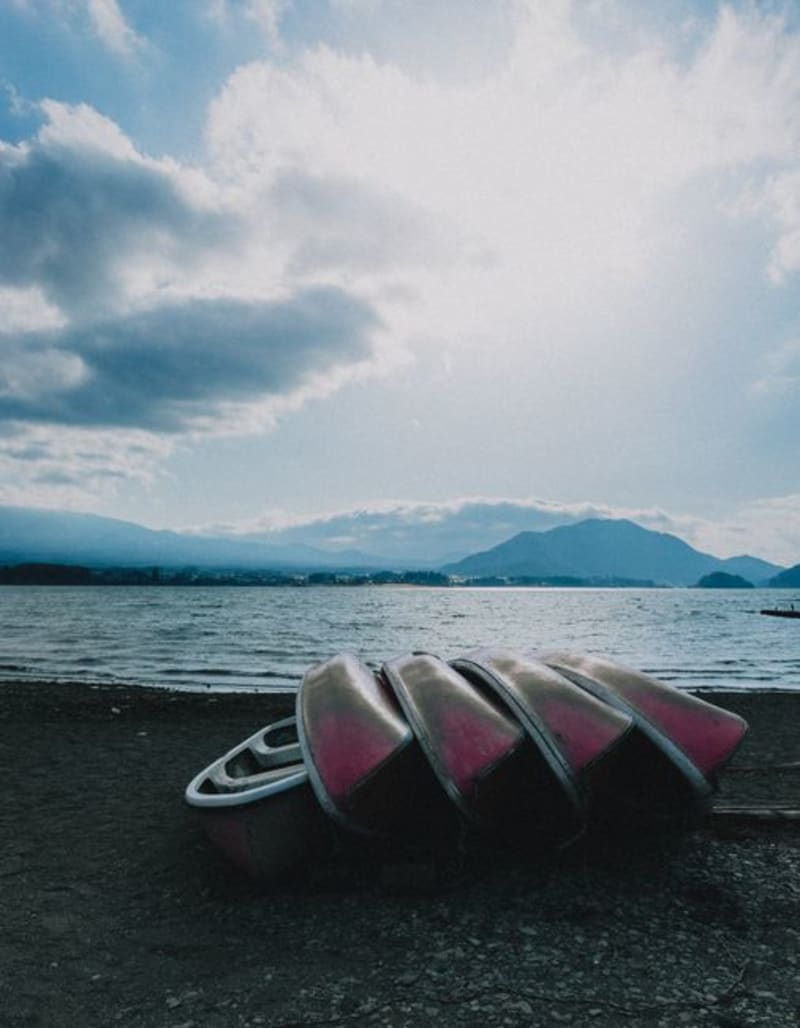 japan
japan Towada
A deep, still caldera lake straddling Aomori and Akita, feeding the mossy rush of the Oirase Stream through a gorge that turns to fire each autumn. Lakeside forest, quiet water, and the famous bronze maidens standing at the shore. A place to slow your breathing.
Explore japan
japan Tsuruoka
A food-proud castle town at the foot of the sacred Dewa Sanzan peaks, where mountain vegetables and dadacha-mame edamame carry a UNESCO badge and a jellyfish aquarium drifts by the sea. Rural Yamagata at its most unhurried and quietly deep.
Explore