Kanagi (Dazai Osamu's Hometown)
"You could feel the whole family's ambition in the walls of that house."
A small Tsugaru town where novelist Osamu Dazai was born inside his father's sprawling mansion, now preserved as the Shayokan memorial hall, its striking blend of Japanese and Western hiba-timber rooms open for anyone to wander through.

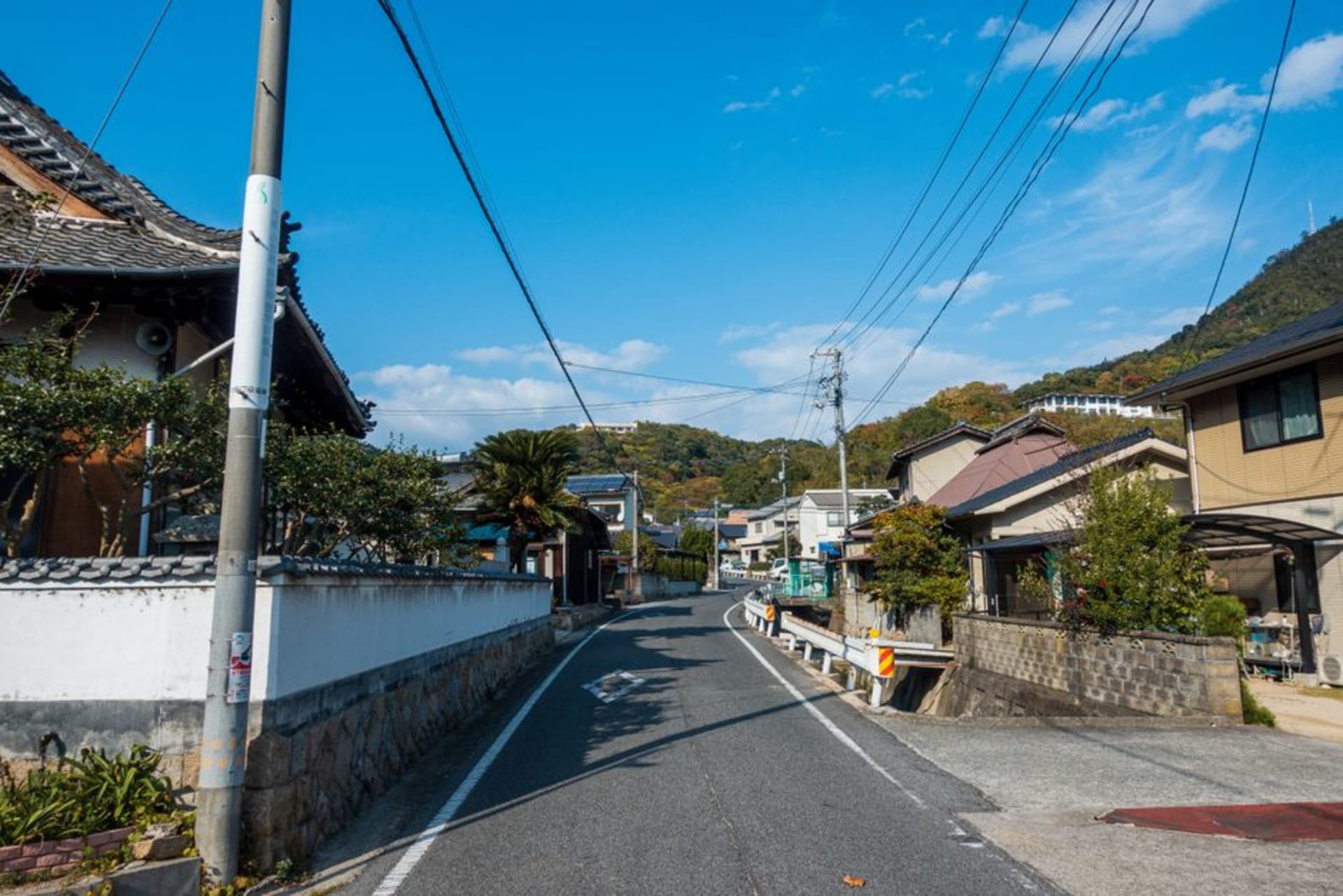
I’d read Dazai’s Setting Sun on a long train ride through Tohoku the year before, and when Lia realized his actual family home still stood, more or less intact, in a small town called Kanagi, we rerouted a whole day of our trip to get there. Neither of us really knew what to expect from a writer’s childhood house turned museum, but Kanagi turned out to be a quiet, unpretentious little town, apple orchards nearby, low wooden buildings, and right in the middle of it this genuinely startling mansion that felt entirely out of scale with everything around it.
A House Built to Impress
Dazai’s father built the place as a statement as much as a home, and it shows the moment you step inside — dark hiba-timber rooms in traditional style giving way, almost without warning, to a Western-style parlor with high ceilings and imported furniture. Walking between the two halves of the house felt like walking between two different ideas of what a wealthy Meiji-era family was supposed to look like, one rooted firmly in Tsugaru tradition and the other reaching toward Europe. Lia lingered a long time in the tatami rooms, tracing the grain of the aged wood with her fingers, while I kept getting distracted by the odd, formal Western room that seemed to belong in a different country entirely.

From Family Home to Inn to Museum
What struck me most was learning the building’s strange second life: after the family’s fortunes changed, the house operated for decades as an actual working inn named Shayokan, after Dazai’s own novel, until it closed and was converted into the museum we were walking through. That meant we were standing in rooms that had been slept in by ordinary paying guests for years, layered on top of the family history and the literary history, three uses stacked into one building. There’s something quietly moving about a birthplace that spent decades as somebody’s overnight stop before becoming sacred ground again. We found an old guest ledger displayed in a glass case and spent a ridiculous amount of time trying to decipher the handwriting.

The Quiet Streets Outside
After the house we just walked, no real destination, through Kanagi’s low streets past small shops and the kind of unhurried rural quiet that Dazai apparently spent half his life trying to escape and the other half writing about with real tenderness. There’s a statue of him in town, seated, looking faintly melancholy in a way that felt almost like a joke given how gently the afternoon sun was falling on everything. Lia bought apples from a roadside stand, this being Aomori after all, and we ate them sitting on a low wall near the old house, talking about how strange it is that a writer this restless came from somewhere this still.

Getting There
Kanagi is a short local train or bus ride from Goshogawara, which connects by regular rail service to Hirosaki and on to Aomori city. The Tsugaru Railway’s small local line runs up to Kanagi and is worth taking simply for the scenery, rattling past orchards and rice fields at an unhurried pace. The Shayokan museum sits within easy walking distance of Kanagi’s small station, so a car isn’t necessary if you’re coming by train, though renting one makes it easier to combine Kanagi with other spots around the Tsugaru Peninsula in a single day.
Keep exploring
More of Tōhoku
Keep exploring
More from Tōhoku
 japan
japan Kesennuma
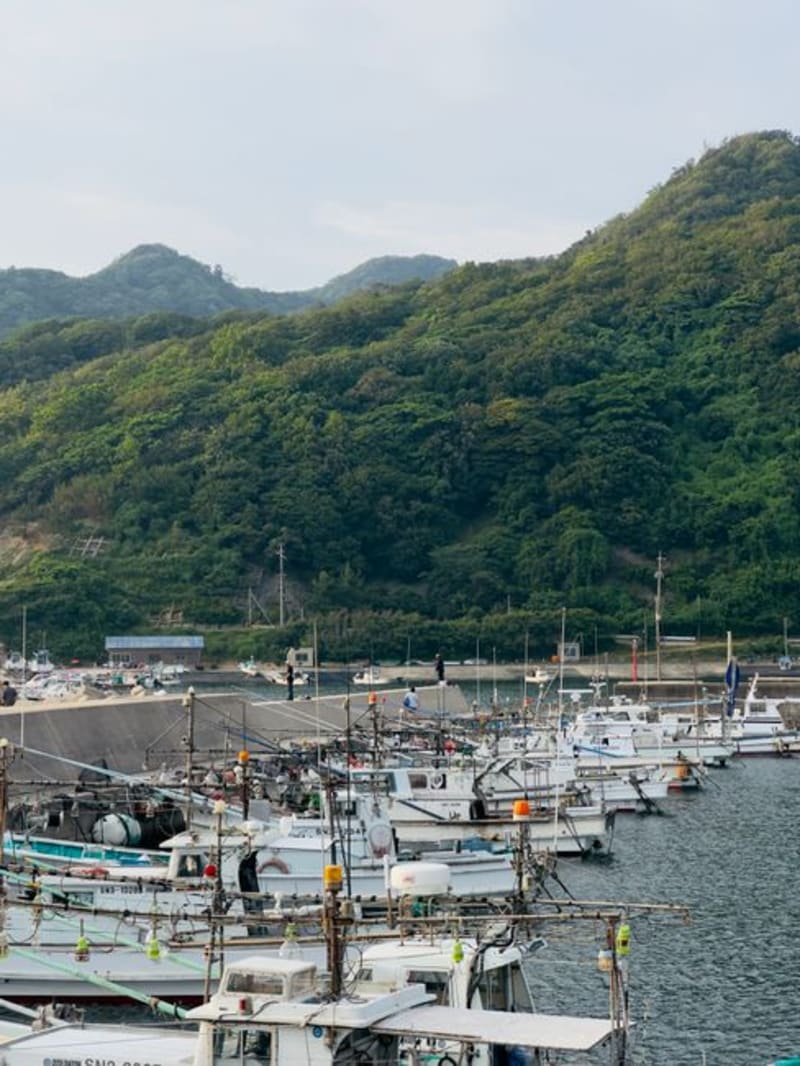
A Miyagi fishing port on a deeply indented ria coast, famous for bonito and shark fin. Hit hard by the 2011 tsunami and resiliently rebuilt, it is a working harbour of fresh seafood and quiet recovery.
Explore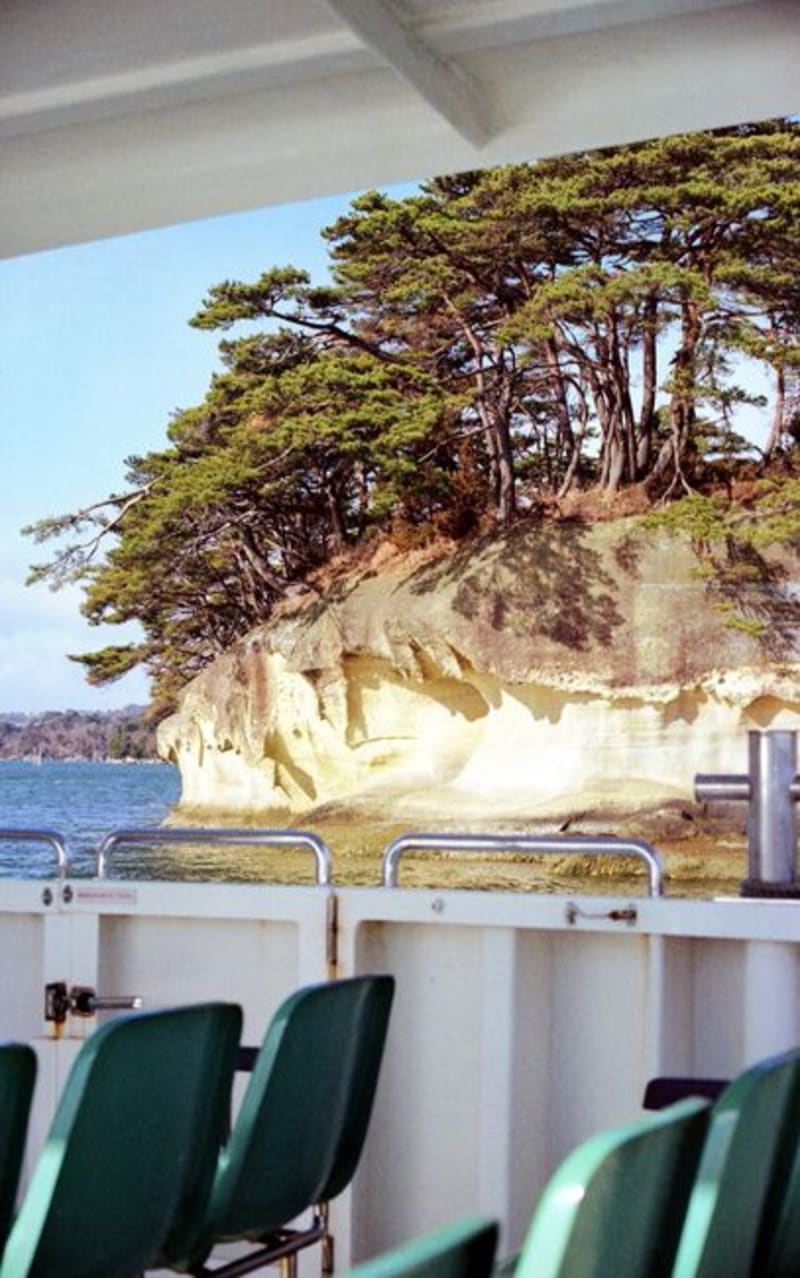 japan
japan Kinkasan Island
A tiny sacred island off the Oshika Peninsula, ranked among Tohoku's three holiest sites, where hundreds of wild deer roam freely as messengers of the gods and a mountaintop shrine marks Japan's first gold strike.
Explore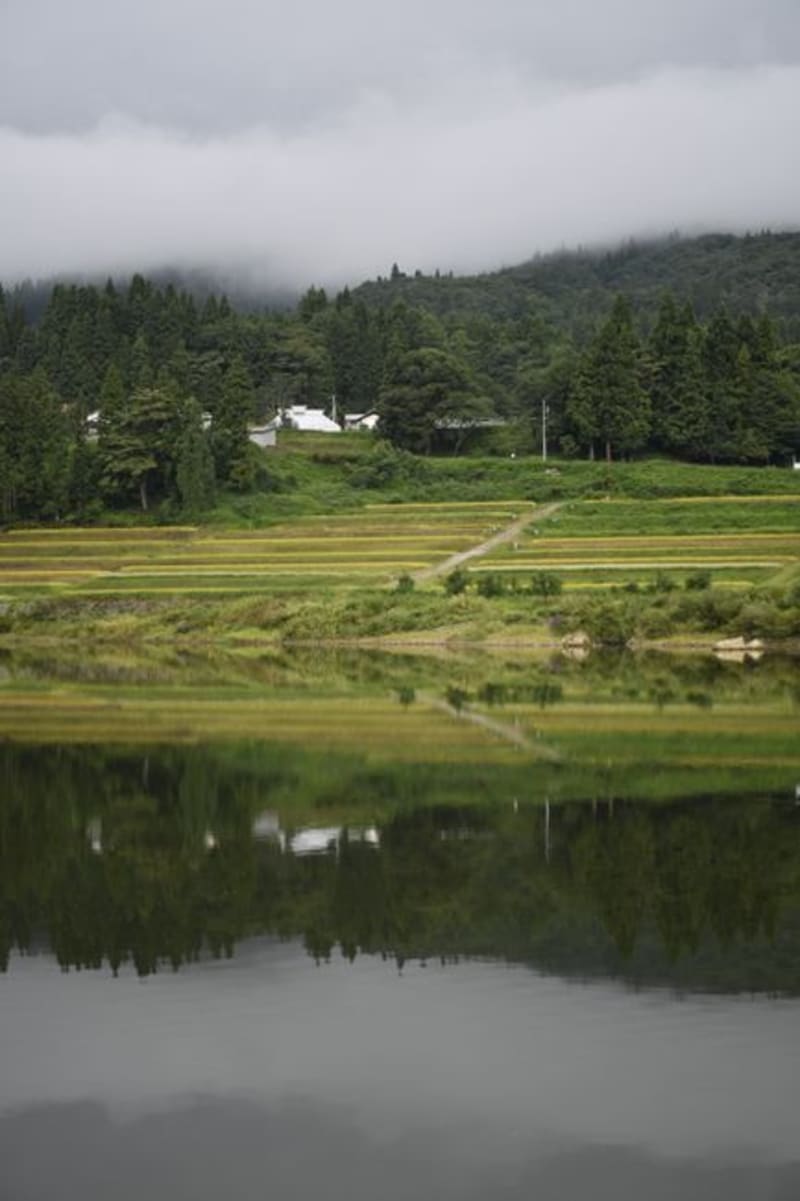 japan
japan Kitakata
A Fukushima town where thick black-walled storehouses outnumber almost everything, and where the local religion is ramen eaten for breakfast. Wide, curly, chewy noodles in a clear soy broth, served from dawn. We came for the kura and stayed, happily, for the soup.
Explore japan
japan Kuji
On the rugged Sanriku coast of northern Iwate, Kuji is a town of amber pulled from the ground, of women who dive for shellfish with nothing but their breath, and of a sea that is both livelihood and old adversary. It is the setting of a beloved Japanese TV drama — but the real thing, we found, needed no script.
Explore japan
japan Kuroishi
A Tsugaru town famous for Nakamachi Komise-dori, an Edo-period arcade of wooden walkways built to shelter merchants from brutal snow, paired with a museum devoted to the region's distinctive kokeshi dolls.
Explore japan
japan Matsushima
A Tōhoku bay strewn with hundreds of pine-topped islets, red-lacquered bridges to tiny shrine islands, and oysters pulled straight from the water. One of Japan's classic three great views, and the quietest of them.
Explore