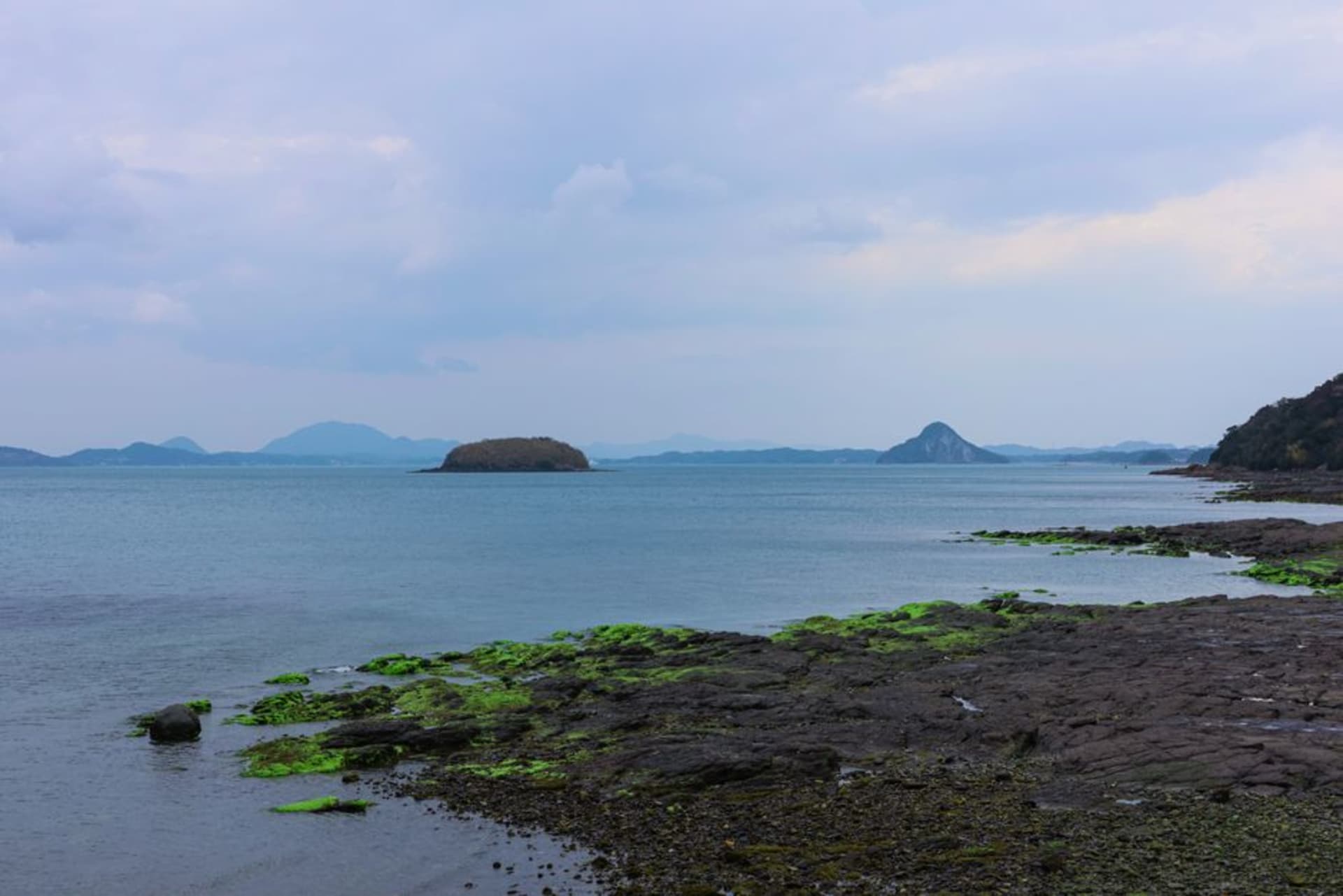
Kinkasan Island
"The deer just stood there watching us, like they already knew something we didn't."
A tiny sacred island off the Oshika Peninsula, ranked among Tohoku's three holiest sites, where hundreds of wild deer roam freely as messengers of the gods and a mountaintop shrine marks Japan's first gold strike.

We nearly didn’t make the boat. Lia had read about Kinkasan in some dog-eared guidebook chapter on Tohoku’s “three holy places,” alongside Osorezan and Dewa Sanzan, and she’d fixed on the idea that we needed to see it, sailing schedule be damned. So we ran the last stretch of dock in Ayukawa with our bags flapping and just barely caught the small ferry out. Twenty minutes later the mainland had shrunk to a green smudge and this stubby, forested island was rising out of the sea in front of us, uninhabited except for a shrine, a handful of caretakers, and — we’d soon learn — an awful lot of deer.
Deer That Don’t Run
The moment we stepped off the boat, a deer wandered across the path in front of us and didn’t so much as flinch. On Kinkasan the deer are considered divine messengers, and centuries of that belief have made them almost eerily unbothered by people. We walked the wooded trail up from the harbor with deer grazing a few feet away on either side, utterly indifferent to us, ears swiveling but never bolting. Lia crouched down slowly near one and it just kept chewing, watching her sideways with that flat, ancient stare deer have. It felt less like wildlife spotting and more like walking through someone else’s temple grounds uninvited, tolerated rather than welcomed.

Koganeyama Shrine and the Gold Flower
The trail climbs steadily through cedar forest to Koganeyama Shrine, and by the time we reached the clearing we were both breathing hard and glad of it. This is the spot where gold was first mined in Japan, back in the 8th century, and kinka — the “gold flower” in Kinkasan’s name — refers to exactly that discovery. There’s a quiet, almost startling simplicity to the shrine buildings up there, weathered wood against a wall of trees, nothing gilded or showy despite the legend behind them. Locals told us that visiting three years in a row is supposed to bring financial luck, and Lia immediately started scheming about how we’d manage two more trips out here. I liked the shrine best for how unbothered it seemed by its own fame, tucked into the hillside like it had nowhere else to be.

The View From the Ridge
We pushed on past the shrine to a viewpoint further up, where the trees break and the whole Pacific opens out below in a wide grey-blue sweep, the Oshika Peninsula trailing off into haze to the north. We sat on a sun-warmed rock and ate the onigiri we’d bought that morning, watching a hawk circle lazily over the water, and neither of us said much for a while. There’s something about an island this small and this old that quiets you down without trying. On the walk back down we passed the same indifferent deer, a little lower in the light now, and I found myself oddly moved by how little any of it had changed in the hour we’d been gone.

Getting There
Kinkasan is reached by ferry from Ayukawa on the Oshika Peninsula, itself accessible by bus or car from Ishinomaki, which connects to Sendai by regular train. Ferry crossings run only a few times a day and are limited or suspended in rough weather, so check the schedule before you go and build in flexibility rather than planning a tight same-day return. There’s no real settlement on the island beyond the shrine precinct, so bring water and food, wear proper walking shoes for the forest trail, and plan your visit around the return sailing times rather than the other way around.
Keep exploring
More of Tōhoku
Keep exploring
More from Tōhoku
 japan
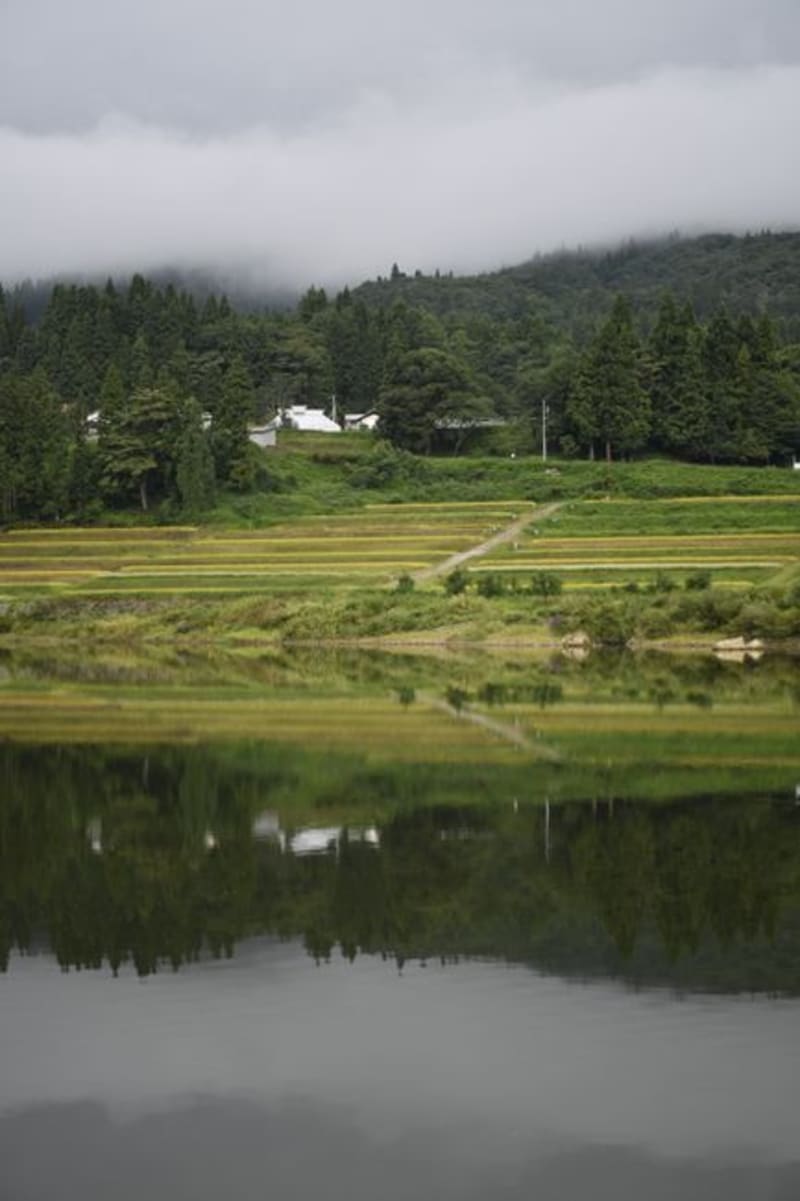
japan Kitakata
A Fukushima town where thick black-walled storehouses outnumber almost everything, and where the local religion is ramen eaten for breakfast. Wide, curly, chewy noodles in a clear soy broth, served from dawn. We came for the kura and stayed, happily, for the soup.
Explore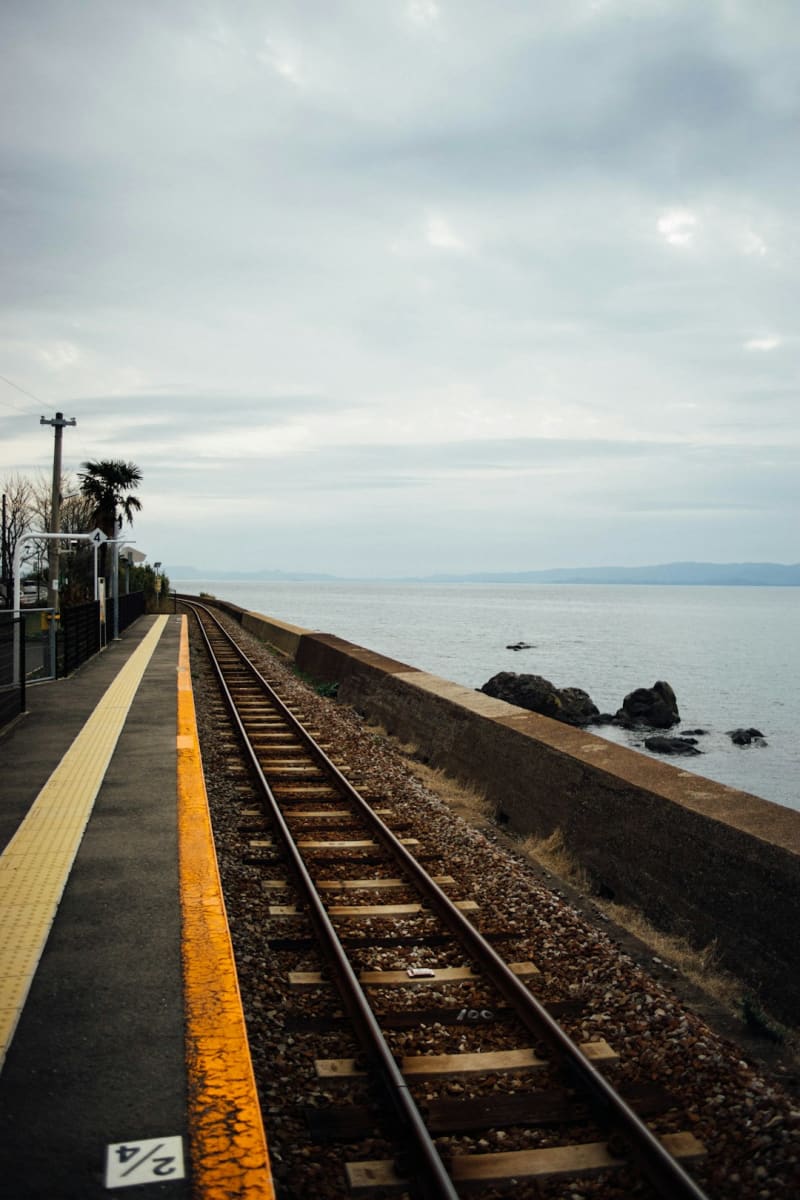 japan
japan Kuji
On the rugged Sanriku coast of northern Iwate, Kuji is a town of amber pulled from the ground, of women who dive for shellfish with nothing but their breath, and of a sea that is both livelihood and old adversary. It is the setting of a beloved Japanese TV drama — but the real thing, we found, needed no script.
Explore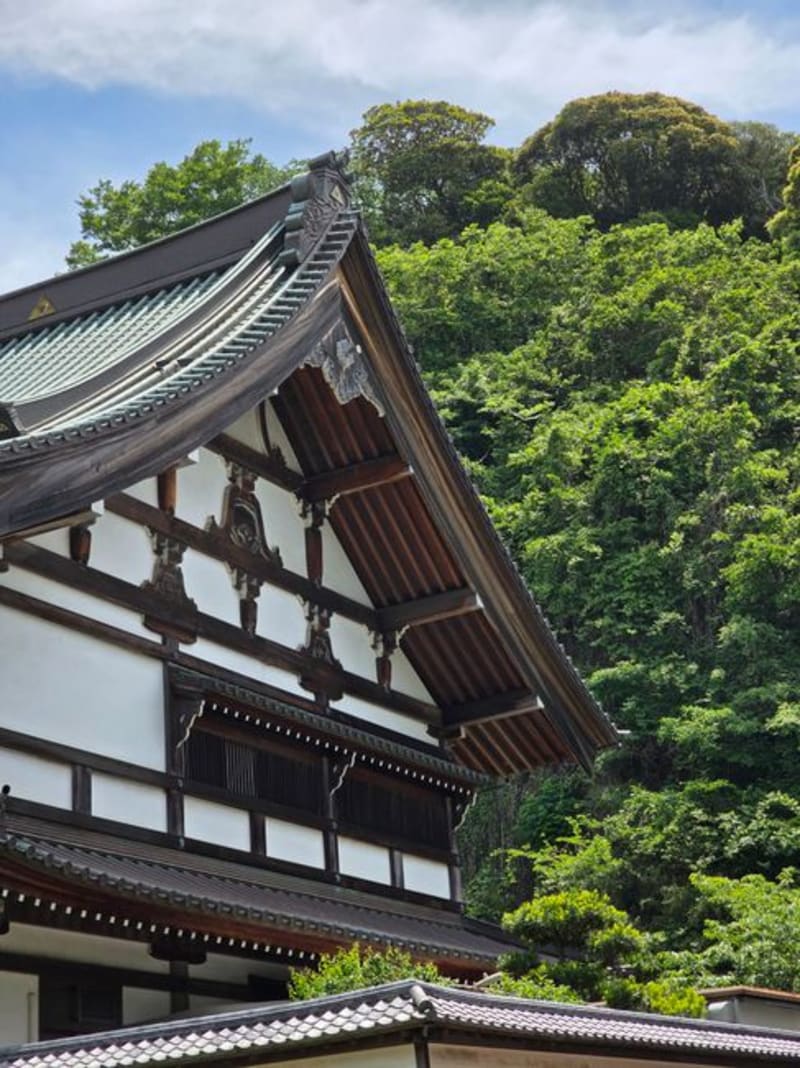 japan
japan Kuroishi
A Tsugaru town famous for Nakamachi Komise-dori, an Edo-period arcade of wooden walkways built to shelter merchants from brutal snow, paired with a museum devoted to the region's distinctive kokeshi dolls.
Explore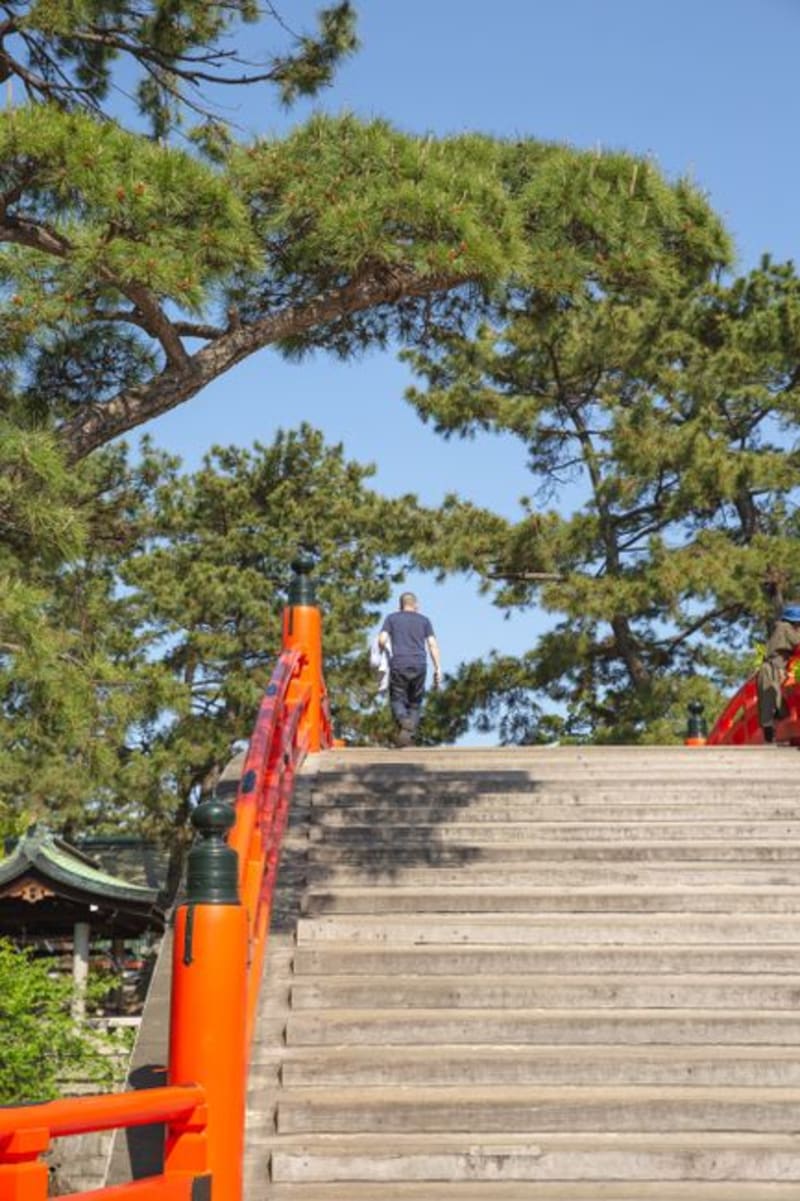 japan
japan Matsushima
A Tōhoku bay strewn with hundreds of pine-topped islets, red-lacquered bridges to tiny shrine islands, and oysters pulled straight from the water. One of Japan's classic three great views, and the quietest of them.
Explore japan
japan Morioka
A relaxed Iwate castle city set where two rivers meet below the volcano Iwate, famous for the theatre of wanko-soba, chewy jaja-men noodles, and the cast-iron nanbu ironware that has been forged here for four centuries. An easy, unhurried place we didn't want to leave.
Explore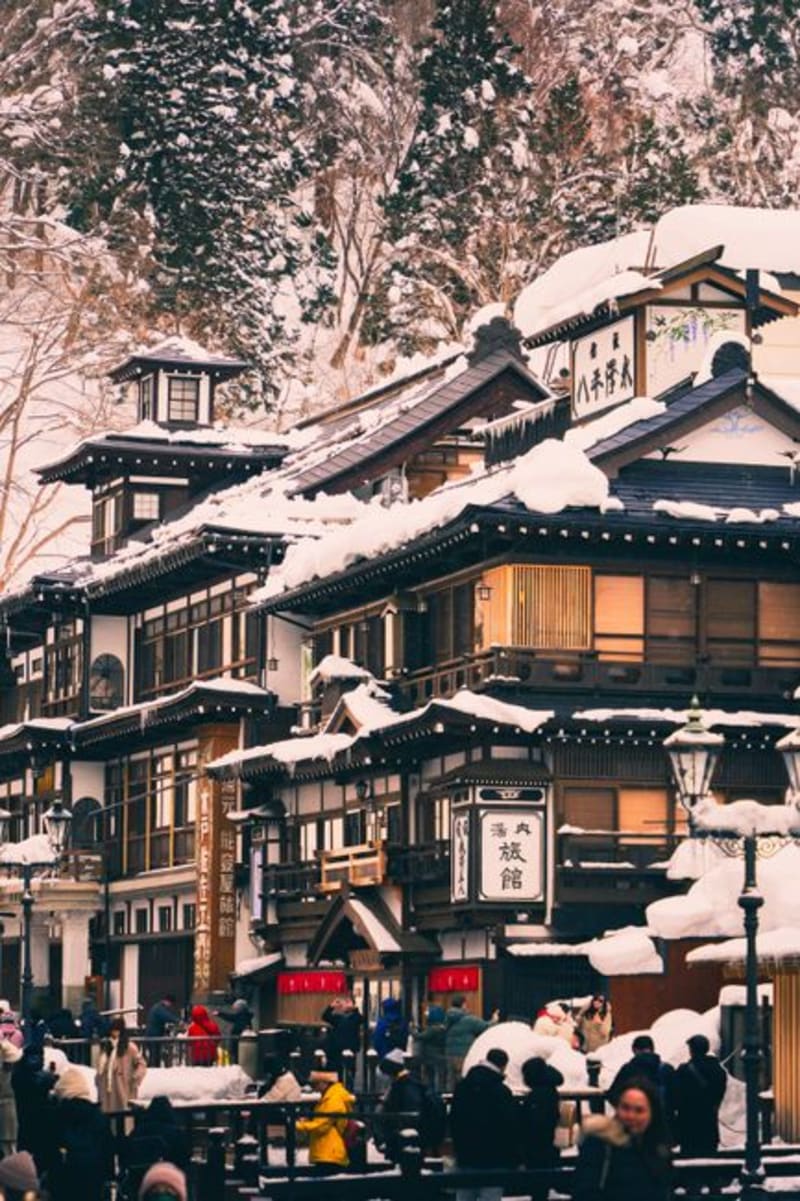 japan
japan Naruko Onsen
A Miyagi hot-spring town wedged into a gorge that catches fire every autumn. Sulfur drifts through the streets, kokeshi dolls watch from every shopfront, and the bathhouses run water in colors you don't expect. It's a working onsen town, worn and warm, with none of the polish and all of the soul.
Explore