Aoshima (Miyazaki)
"It really does look like something scrubbed it clean, ridge by ridge, for a million years."
A tiny subtropical islet ringed by the 'Devil's Washboard,' millions of years of seabed uplift carved into eerily regular ridged rock, with a shrine at its center tied to an ancient myth of the sun goddess Amaterasu's lineage.

Aoshima is barely an island at all, more a green knot of subtropical forest a short walk from the Miyazaki mainland, but the rock formations surrounding it stopped us both in our tracks before we’d even reached the shrine. Lia had read the nickname beforehand — Oni no Sentakuita, the Devil’s Washboard — and assumed it was some marketing flourish. It isn’t. The rippled sandstone and mudstone rings around the islet really do look scrubbed, ridge after uncanny ridge, and we spent longer picking our way across them than we spent on the entire rest of the visit combined.
The Devil’s Washboard
The formation is the product of millions of years of seabed layers uplifted and then worn down unevenly by the tide, leaving long parallel ridges that run out from the shoreline like the teeth of a giant comb. At low tide you can walk out across a huge stretch of it, and we did, stepping carefully from ridge to ridge while small tide pools collected in the grooves between them. A local legend holds that oni, demons, used the ridges to scrub their laundry, which is a wonderfully specific thing to invent about a rock formation, and standing out there with the wind coming off the water, it wasn’t hard to see how the story took hold.

Aoshima Shrine and Amaterasu’s Line
At the center of the islet, reached by a short path through dense subtropical jungle that feels startlingly out of place this far from the tropics, sits Aoshima Shrine, dedicated to a figure tied by legend to the lineage of Amaterasu, the sun goddess. The approach alone is worth the walk, palms and tangled undergrowth crowding in on both sides of a red torii gate, before it opens onto the small shrine grounds themselves. Lia lit incense and asked a shrine attendant about the myth, and got a patient, slightly amused explanation of how the story connects this tiny island to the divine origins claimed by Japan’s imperial line. It’s a lot of mythology for an island you can circle on foot in twenty minutes.

Surfers on the Mainland Beach
Back on the mainland side, the beach facing Aoshima has become something of a surf town in miniature, with boards racked outside cafes and a laid-back, faintly Californian energy that felt almost incongruous against the shrine’s ancient myth just across the water. We got coffee at a small shop overlooking the break and watched surfers paddle out toward the same washboard rocks we’d walked across that morning, the tide now creeping back in to swallow them. Lia pointed out how strange it was that one small stretch of coast could hold both a creation myth and a surf scene without either one seeming to notice the other.

Getting There
Aoshima is an easy trip from Miyazaki City, with JR trains running directly to Aoshima Station in around thirty minutes, from which it’s a short walk to the beach and the pedestrian bridge onto the islet itself. A rental car works just as well and gives you more flexibility to explore the surrounding Nichinan coastline afterward. Time your visit around low tide if seeing the full expanse of the Devil’s Washboard matters to you, since much of it disappears under water as the tide comes in.
Keep exploring
More of Kyūshū & Okinawa
Keep exploring
More from Kyūshū & Okinawa
 japan
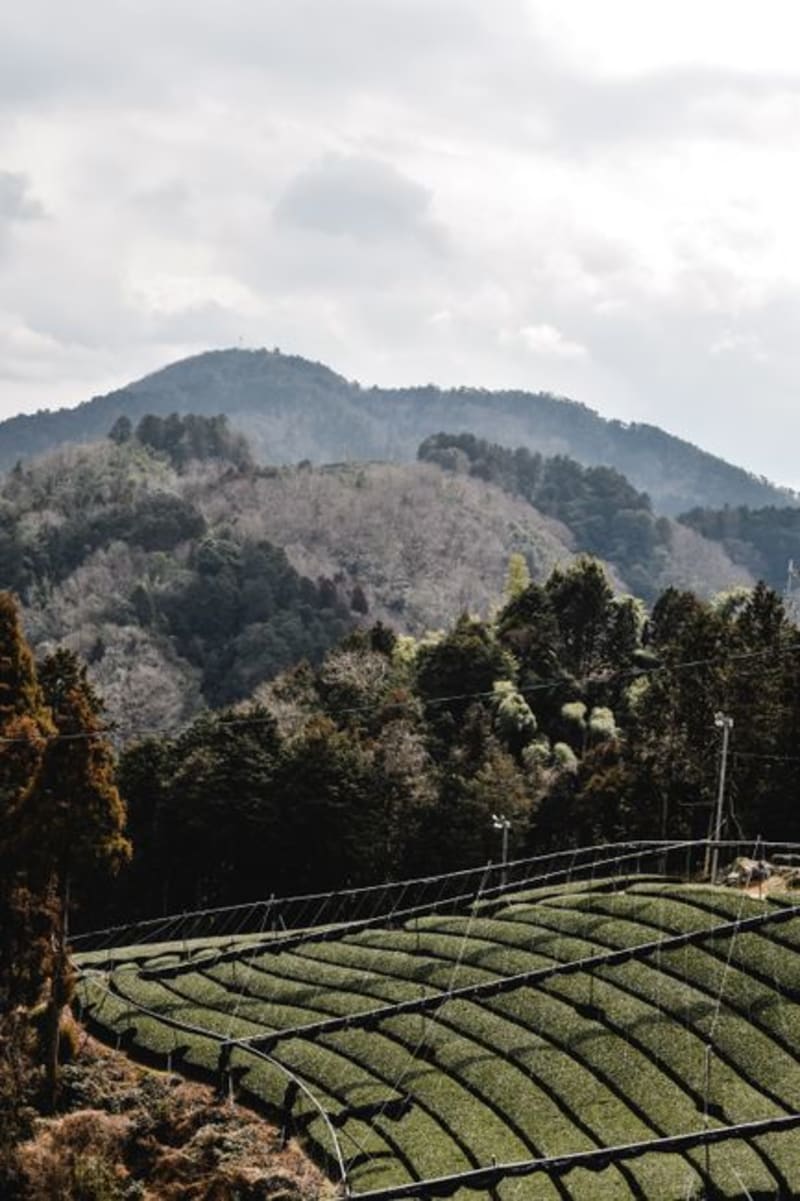
japan Arita
The Saga town where Japanese porcelain was born four centuries ago, still lined with kilns, old shops, and a hillside shrine with torii and lanterns made of glazed ceramic. We went for pottery and left thinking about a single teacup for weeks.
Explore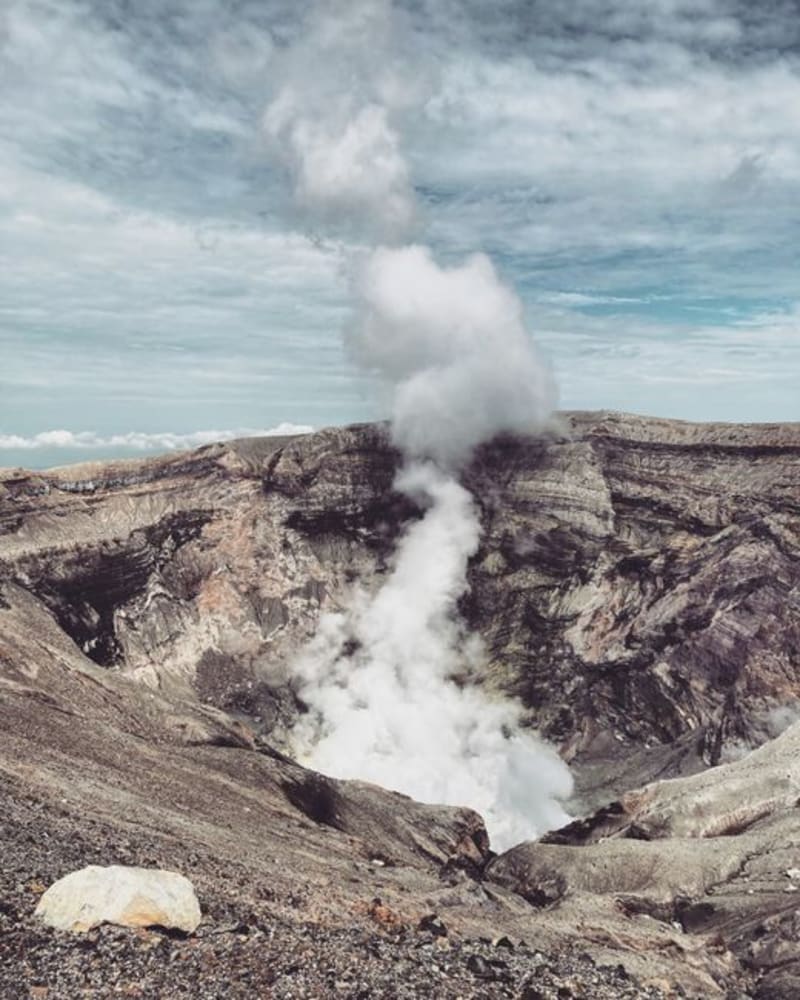 japan
japan Aso
One of the largest volcanic calderas on Earth — a vast green bowl of grasslands and grazing horses in the heart of Kumamoto, with a steaming, restless crater still smoking at its center.
Explore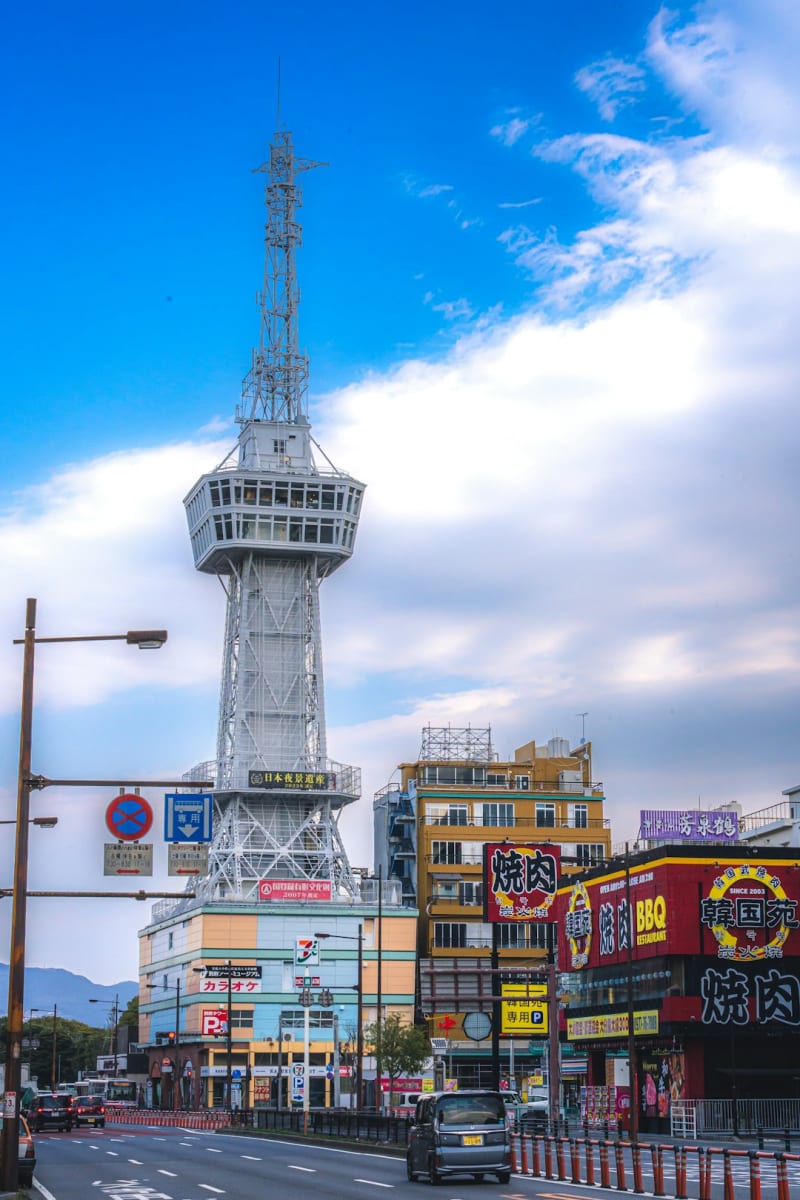 japan
japan Beppu
A hot-spring town on the Kyūshū coast where steam rises from the streets themselves. Colorful boiling 'hells,' hot sand baths, and more onsen than anywhere else in Japan.
Explore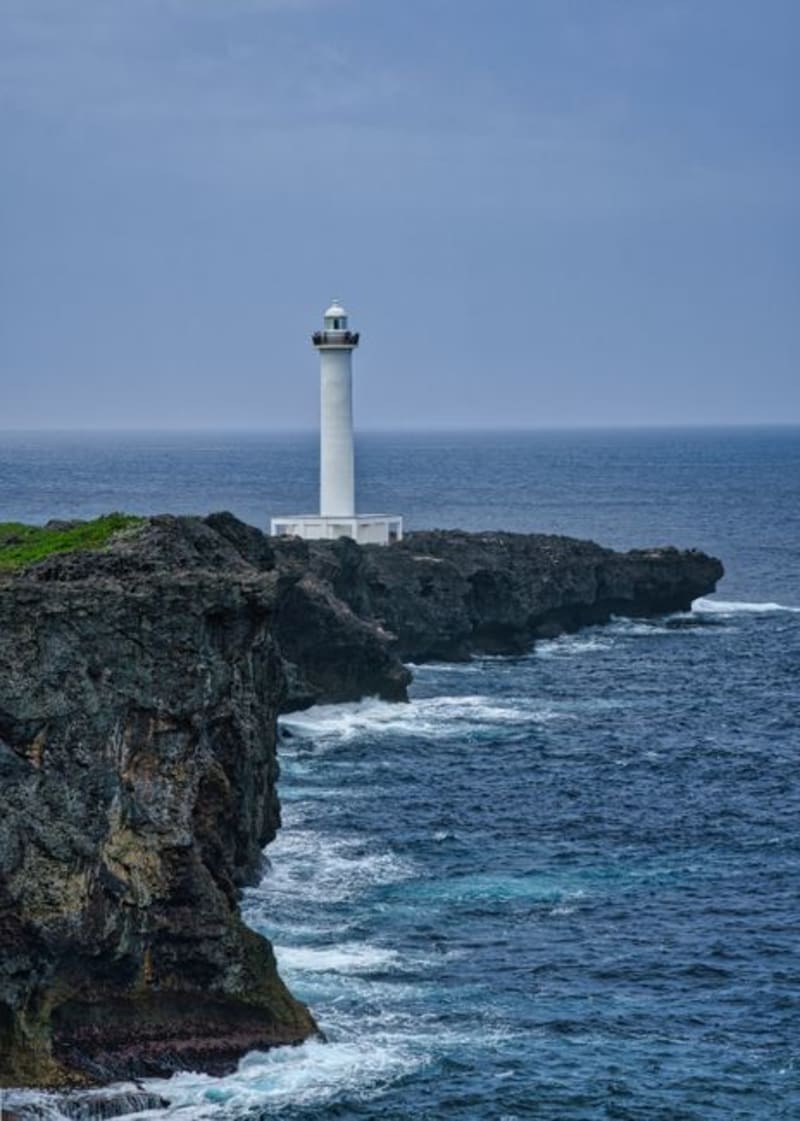 japan
japan Cape Hedo
Where Okinawa runs out of land and the East China Sea crashes into the Pacific along raw limestone cliffs.
Explore japan
japan Chiran
A single samurai street lined with Edo-period gardens sits a few kilometers from a former air base, where the Peace Museum for Kamikaze Pilots preserves the letters of the young men who flew out from here in 1945.
Explore japan
japan Dazaifu
Once the ancient capital of all Kyūshū, now a temple town where students come to pray for their exams beneath the plum trees. Dazaifu wears its long history lightly, in incense smoke and falling blossom.
Explore