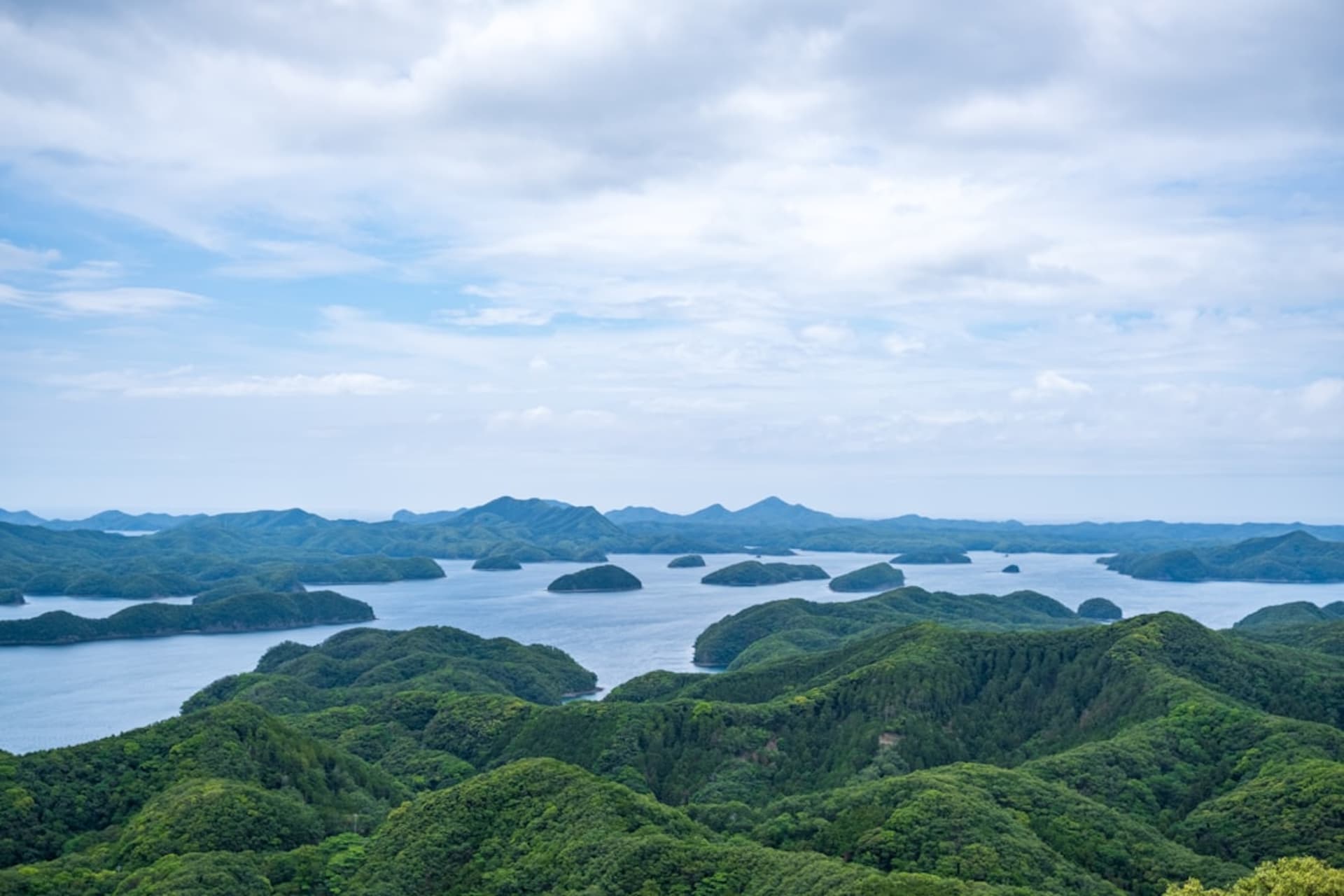
Tsushima Island
"On a clear day you can apparently see Korea from here. We never got that day, but we felt how close it was."
An island so remote it sits closer to South Korea than to mainland Japan, home to the critically endangered Tsushima leopard cat, a subspecies isolated here since the land bridge to the continent submerged tens of thousands of years ago.

Tsushima had been sitting on our someday list for a while, mostly because of a single fact that refused to leave my head: this Japanese island sits closer to South Korea than it does to the rest of Kyushu. We flew out from Fukuoka expecting something like a border curiosity and found instead a heavily forested, sparsely populated place that felt genuinely apart from the rest of the country, its narrow inlets and steep hills more reminiscent of a fjord coastline than anything we’d seen elsewhere in Japan. Lia, who reads up obsessively before any trip involving wildlife, had one specific goal in mind that shaped most of our days there.
Looking for the Leopard Cat
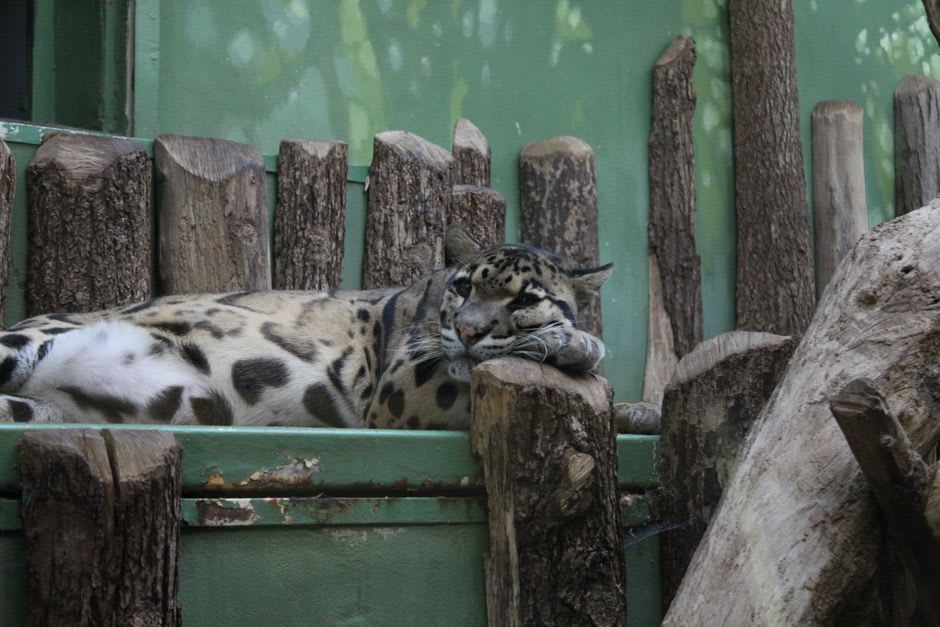
The Tsushima leopard cat is a small, secretive subspecies isolated on the island since the land bridge to the Asian continent submerged tens of thousands of years ago, and with only around a hundred left in the wild, actually seeing one is closer to luck than itinerary. We spent an evening at a small conservation and research center that explained the threats the cats face, mostly from roads and habitat loss, and where a few individuals live in careful, monitored enclosures for breeding and study. We didn’t spot one in the wild, despite a slow, headlamp-lit drive along a quiet forest road that Lia insisted on, but the center alone left us with a real sense of how fragile this island’s ecology is.
The Coastline Facing Korea
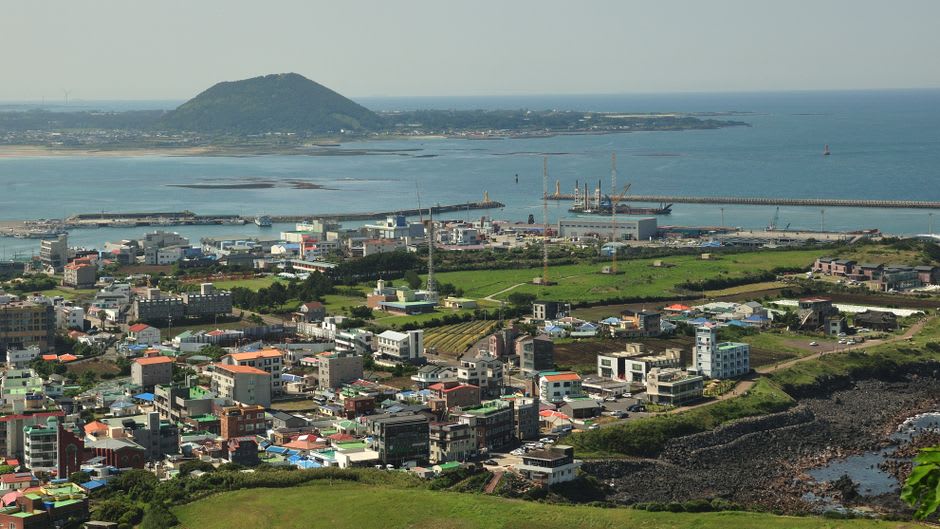
On a clear afternoon we drove up to a lookout point near the island’s northern tip, where on the best days you can supposedly make out the coastline of South Korea across the strait. We didn’t get quite that clear a day, just a hazy line where sea met sky, but standing there, aware of how much closer we were to another country than to our own starting point in Kyushu, gave the whole island a different kind of gravity. Ferries run between Tsushima and Busan, and the island’s history is layered with centuries of trade, diplomacy, and occasional conflict sitting right at that maritime border.
Inlets, Shrines, and Empty Roads
Most of our time on Tsushima was simply spent driving its narrow coast roads, which twist around inlet after inlet of startlingly still water hemmed in by dense forest. We stopped at small shrines tucked into the trees, at fishing harbors with more boats than houses, and once at a roadside stall selling nothing but dried squid and instructions, in halting English, on how to grill it properly over a portable burner. Lia kept saying the island felt like nowhere else in Japan we’d been, and by the end of our stay I’d stopped disagreeing and just accepted that Tsushima runs on its own quiet, isolated logic.
Getting There
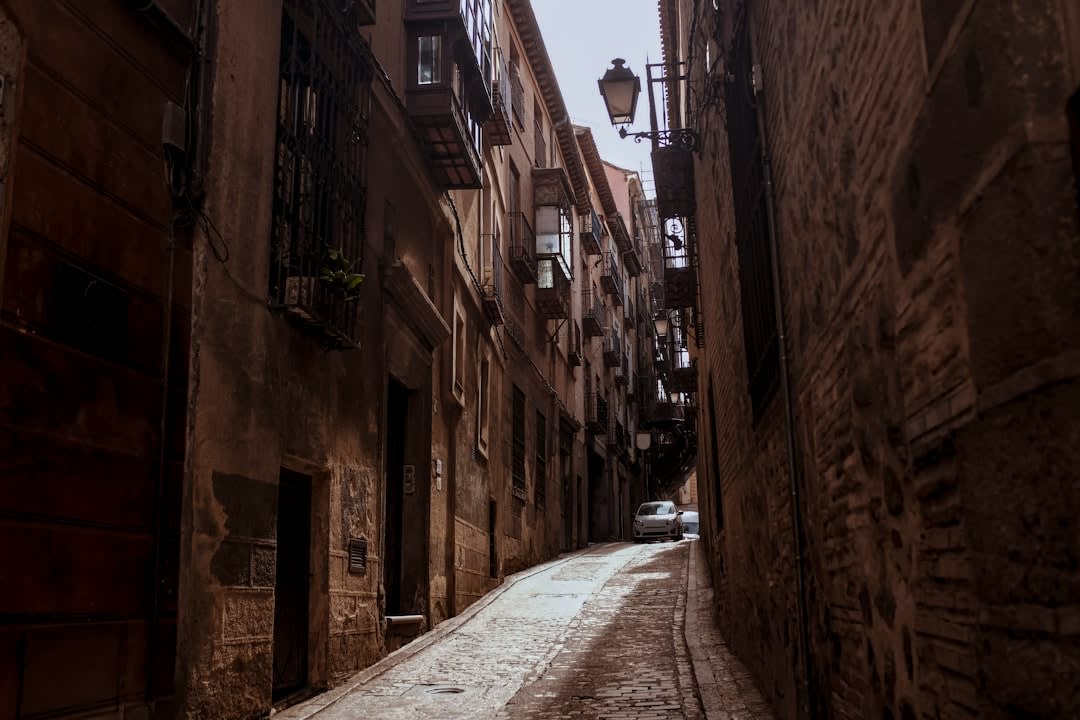
Tsushima is reached from Fukuoka by ferry, a multi-hour crossing, or by a short domestic flight, which is the faster option if time is tight. Ferries also run seasonally from Busan in South Korea, underlining just how close the island sits to the Korean peninsula. A rental car is essential once you arrive, since the island is large, hilly, and thinly served by public transport, with its best coastal viewpoints and forest roads well off any bus route.
Keep exploring
More of Kyūshū & Okinawa
Keep exploring
More from Kyūshū & Okinawa
 japan
japan Unzen
A highland hot-spring resort on Nagasaki's Shimabara Peninsula, set among steaming, sulfurous volcanic 'hells' and cool mountain forest beneath the still-watched peak of Mount Unzen. Cracked white earth, hissing vents, deep baths, and a quiet, elemental air of a place living on a volcano.
Explore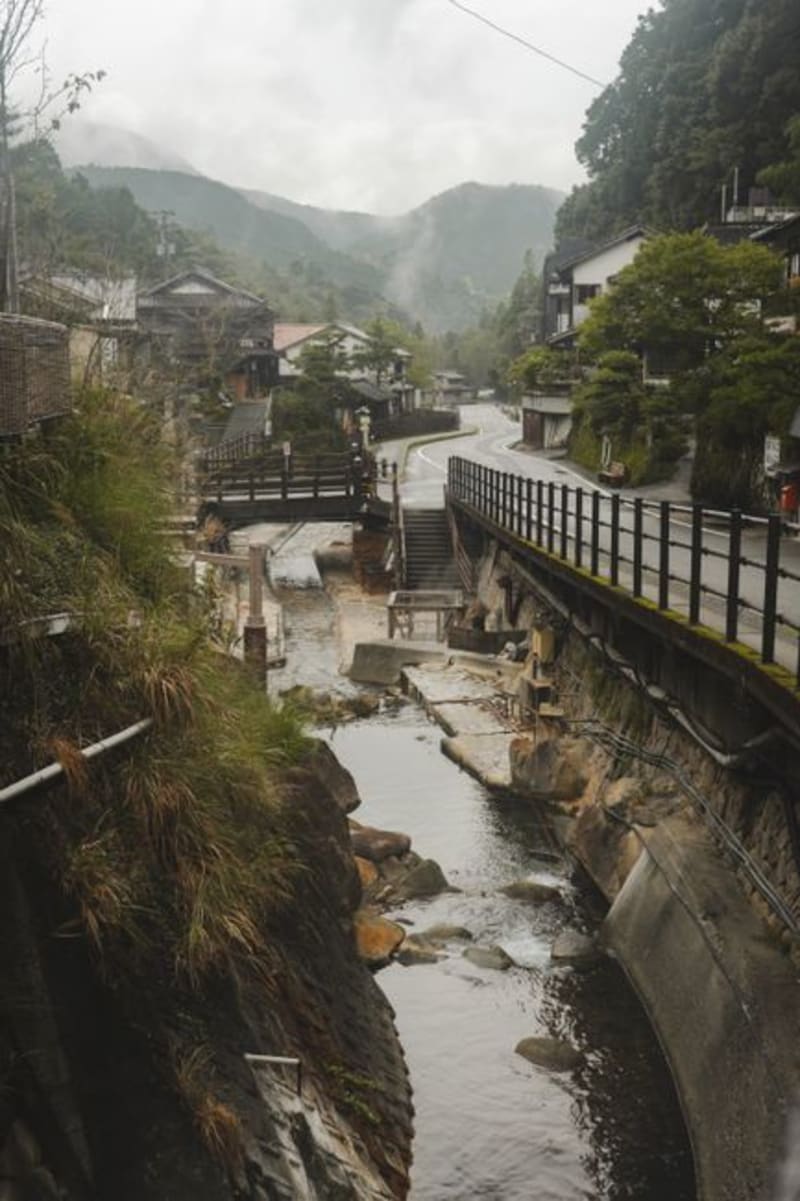 japan
japan Ureshino Onsen
A Saga valley where the hot-spring water is famously silky and the surrounding hills are combed with green-tea terraces. You can bathe in the morning and drink the same landscape in a cup by afternoon.
Explore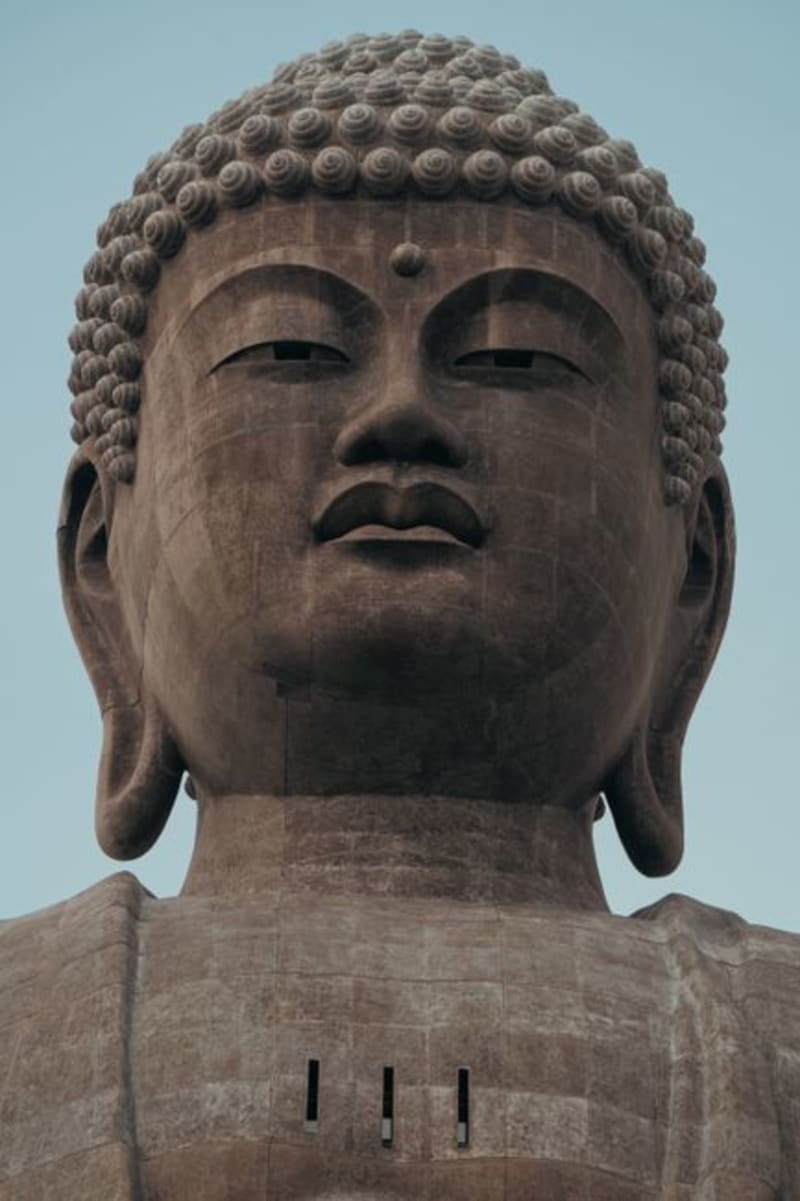 japan
japan Usuki
A small castle town on the Ōita coast where stone Buddhas have sat serenely in a green valley for eight hundred years. Usuki is carved cliffs, lantern-lit lanes, the dark perfume of brewing soy sauce, and fugu eaten slowly. We came for the Buddhas and lingered for everything around them.
Explore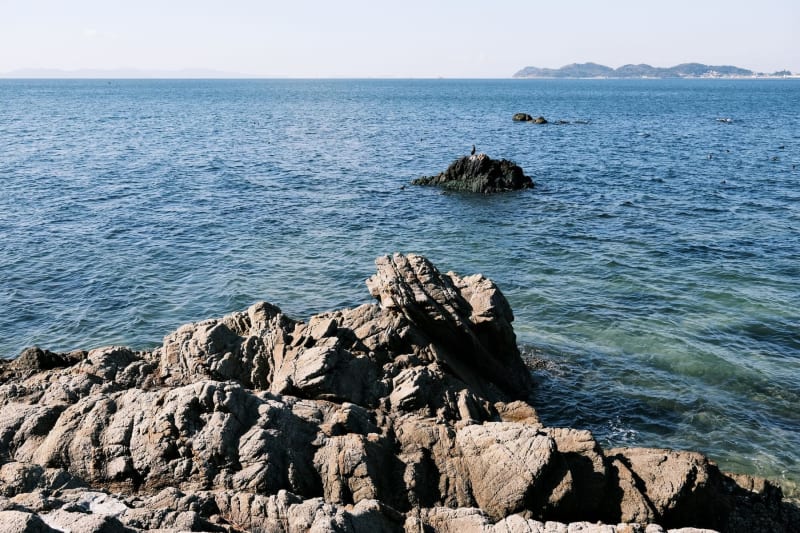 japan
japan Yakushima
A moss-covered ancient cedar forest on a sub-tropical island that inspired Princess Mononoke's forest spirits.
Explore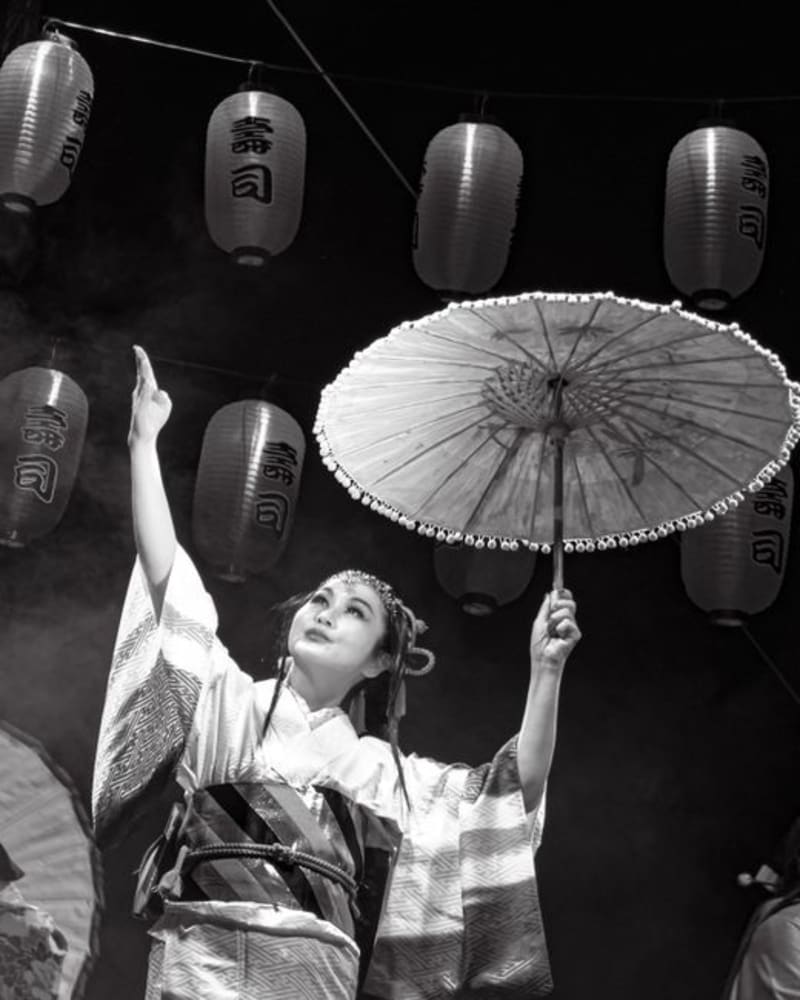 japan
japan Yamaga
A Kumamoto hot-spring town best known for a summer night when a thousand dancers move slowly through the dark with paper lanterns balanced on their heads, each one a small gold flame. By day it keeps a beautifully preserved Meiji-era playhouse and baths of silky, odourless water.
Explore japan
japan Yame
A mountain town that has grown prized shade-grown hon-gyokuro tea since a Zen priest brought cultivation techniques back from China, equally known for handmade Buddhist altars, paper lanterns, and a preserved Edo-era merchant district.
Explore