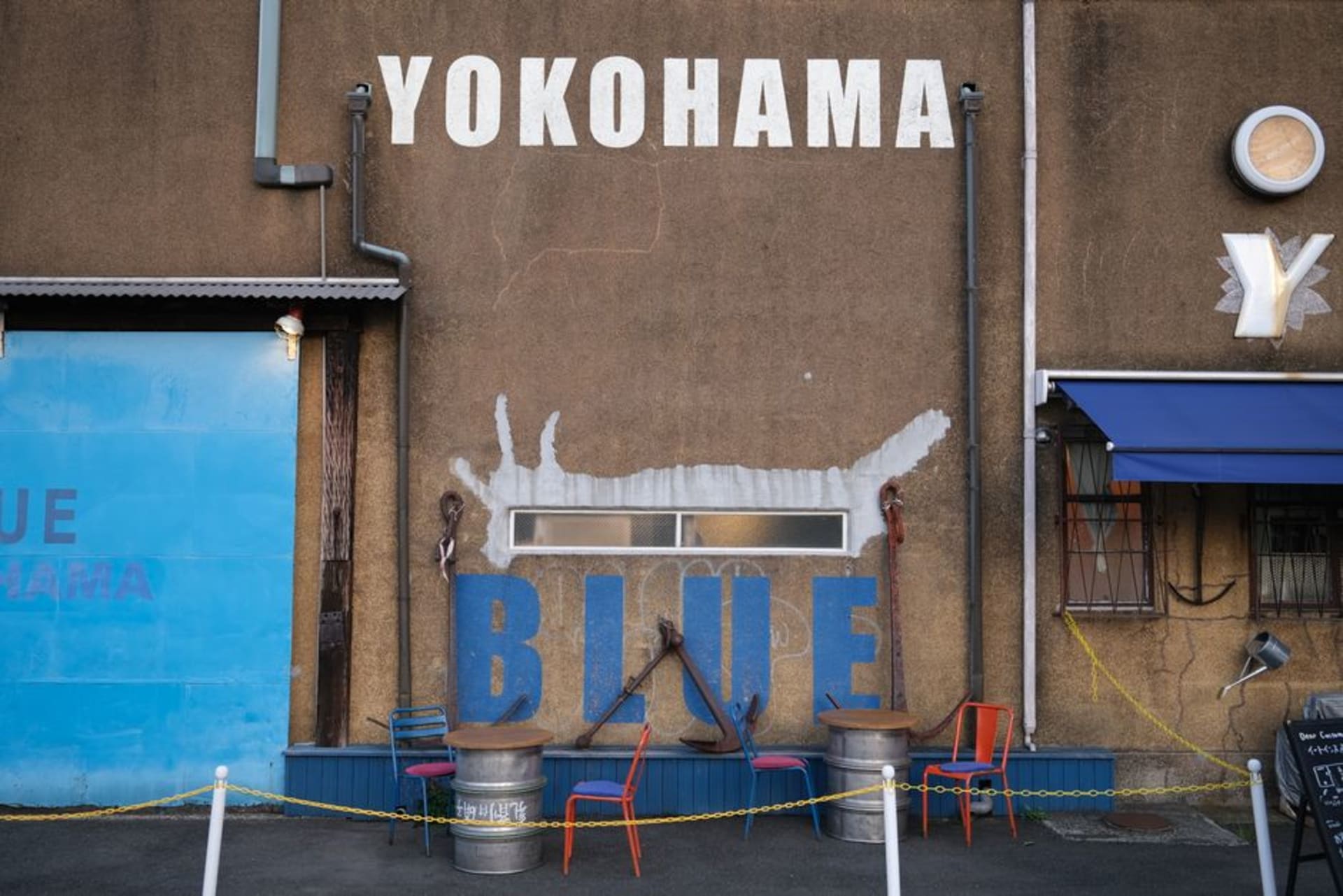
A navy port an hour south of Tokyo where the battleship Mikasa sits permanently dry-docked and curry became its own strange culinary institution. Half history lesson, half comfort-food pilgrimage, entirely unlike anywhere else on the Kanto coast.

I’ll admit Yokosuka wasn’t on either of our lists until a friend in Tokyo mentioned, almost in passing, that there’s a real battleship you can walk onto an hour south of the city. Lia has a soft spot for anything that sounds slightly improbable, and a century-old warship sitting in a city park qualified. We went on a grey weekday, half expecting a small museum plaque and not much else, and came away having spent the whole day there.
Standing on the Mikasa
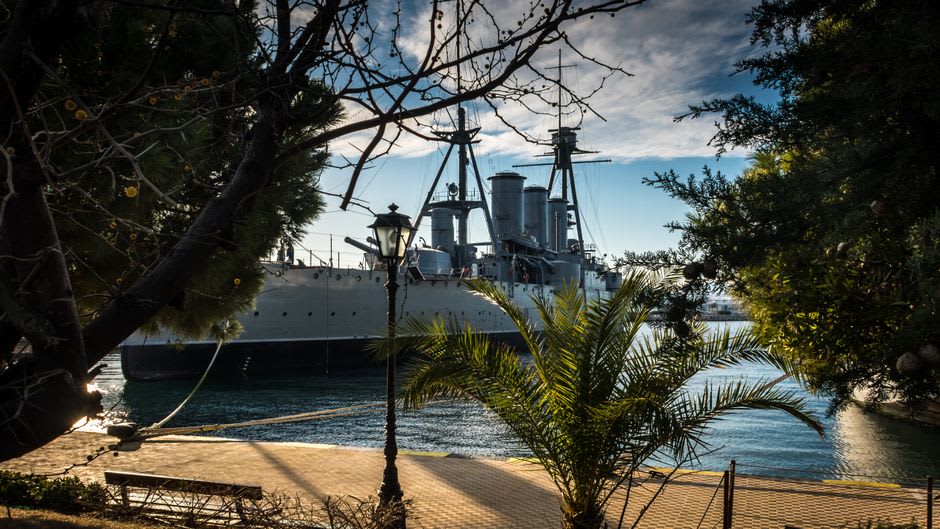
Mikasa Park is built almost entirely around one object: the battleship Mikasa, Admiral Togo’s flagship at the decisive 1905 Battle of Tsushima, and the last pre-dreadnought battleship left intact anywhere in the world. It sits embedded in concrete rather than water now, permanently landlocked, which gives the whole thing an odd stillness — less like visiting a ship and more like visiting a very large, very specific monument. Climbing onto the deck and down into the officers’ quarters, the bridge, the gun turrets, I kept forgetting it was over a century old; the brass fittings and narrow companionways felt startlingly intact. Lia lingered longest at the bridge, where Togo apparently stood during the battle, looking out at a harbor that’s now full of ordinary ferries instead of imperial fleets.
A Navy Curry, Explained
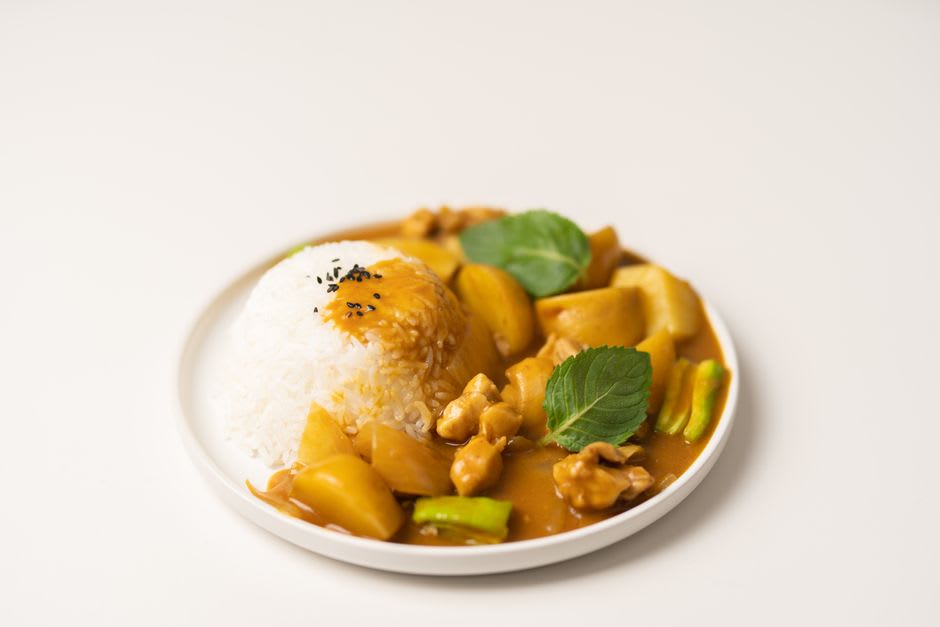
Yokosuka takes its curry seriously enough to have turned it into a small local industry, and the story behind it is stranger than the dish looks. Imperial Japanese Navy sailors on long voyages were getting sick from a diet too heavy in polished white rice, and a British-style curry stew, thickened and served over rice with milk and vegetables, was adopted as a practical fix — a way to smuggle nutrients into a meal sailors would actually want to eat. A century later, “Yokosuka navy curry” is served all over the city with its own official recipe guidelines, and we ate ours at a small place near the port where the curry came thick, mildly sweet, and heavier than any curry I’d had elsewhere in Japan. Lia ordered a second helping of the pickled fukujinzuke on the side before we’d even finished the first bowl.
The Working Harbor
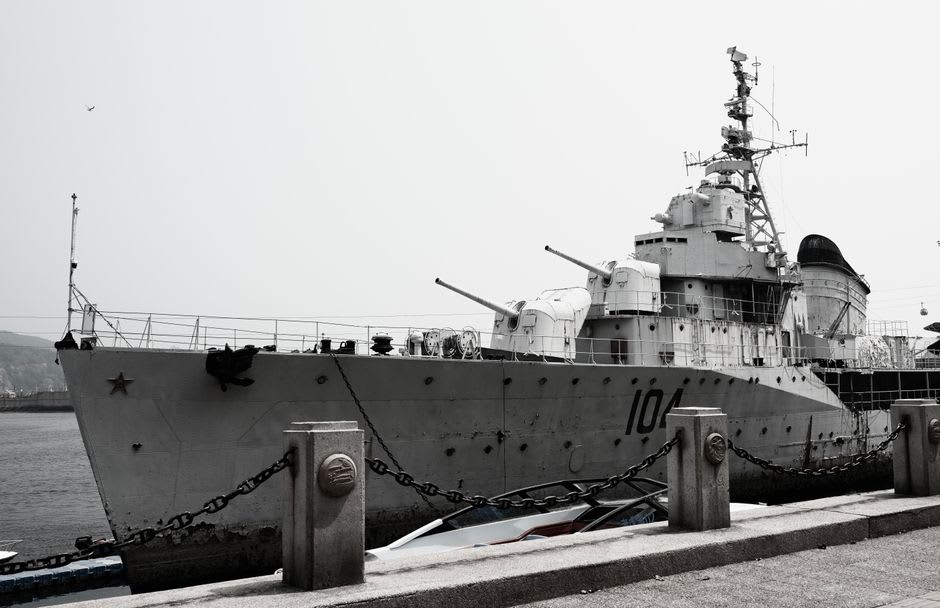
What stayed with me most, though, wasn’t the museum piece — it was the harbor itself, still very much alive. Grey US Navy and Japan Maritime Self-Defense Force vessels sit at anchor a short boat ride from where Mikasa is permanently moored, and a small sightseeing cruise loops past them, giving you a strange layered view of a century of naval history all visible at once: 1905’s flagship, then ships that could have sailed straight out of this decade. Walking the waterfront afterward, past shops selling navy-themed souvenirs and jackets, past sailors on shore leave, Yokosuka felt less like a day-trip destination and more like a genuinely functioning naval town that happens to also keep its history on public display.
Getting There
Yokosuka-Chuo Station is the easiest stop for Mikasa Park and the harbor front, reached in about an hour from central Tokyo via the Keikyu Line, with a direct run from Shinagawa. It also makes an easy pairing with a day exploring Tokyo itself if you leave in the morning and come back by early evening. The park, the curry restaurants, and the harbor cruise departure point are all within easy walking distance of the station, so you don’t need a car or bus to see the highlights in a single afternoon.
Keep exploring
More of Kantō
Keep exploring
More from Kantō
 japan
japan Ashikaga
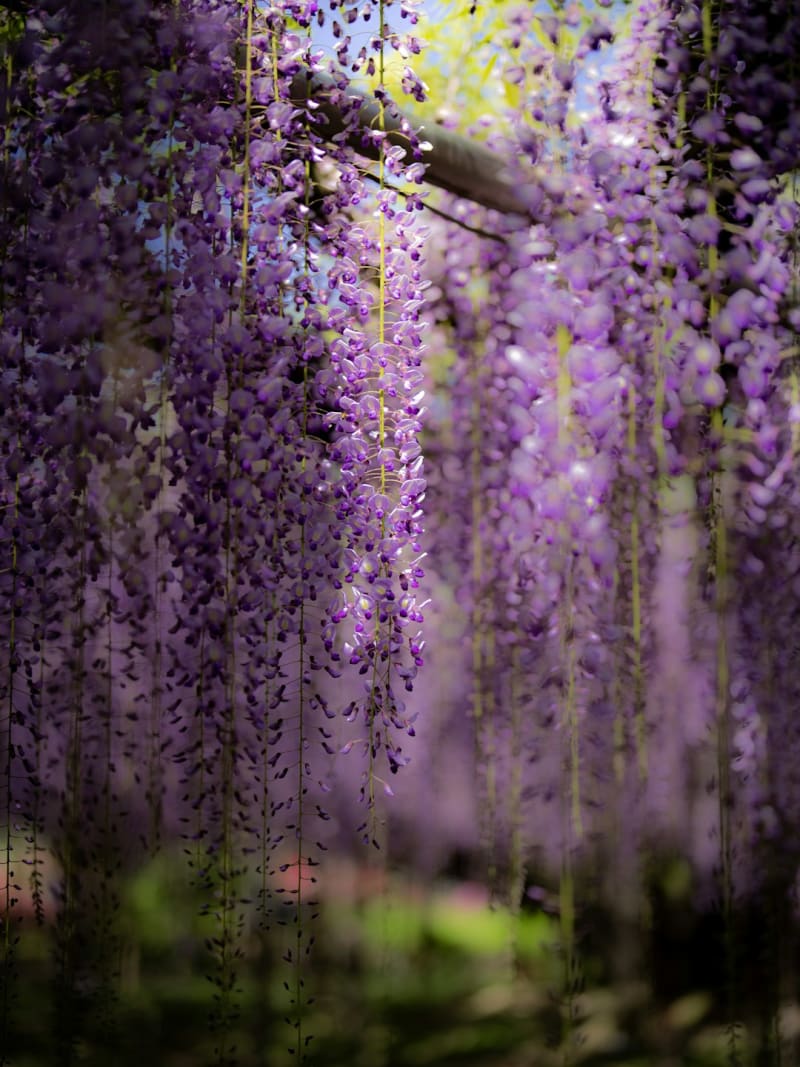
A quiet Tochigi town where a single wisteria tree the age of a great-grandmother spills violet across an acre of sky. Beyond the flowers there is Japan's oldest school and a river valley that no tour bus ever seems to reach.
Explore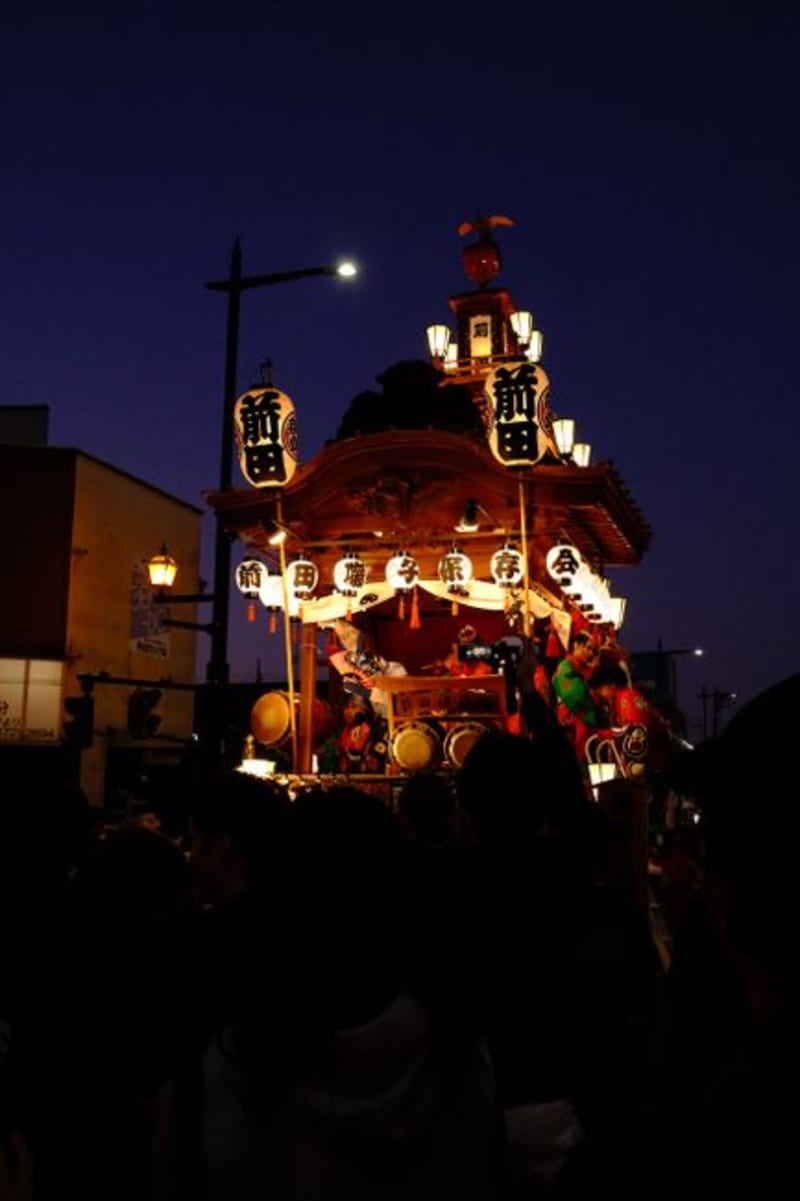 japan
japan Chichibu
A mountain-ringed basin in western Saitama, close to Tokyo and yet somehow overlooked — a district of old shrines and river valleys, of pilgrim temples and pink hills of moss phlox, and of one December night when floats hung with lanterns are hauled up a hill under fireworks.
Explore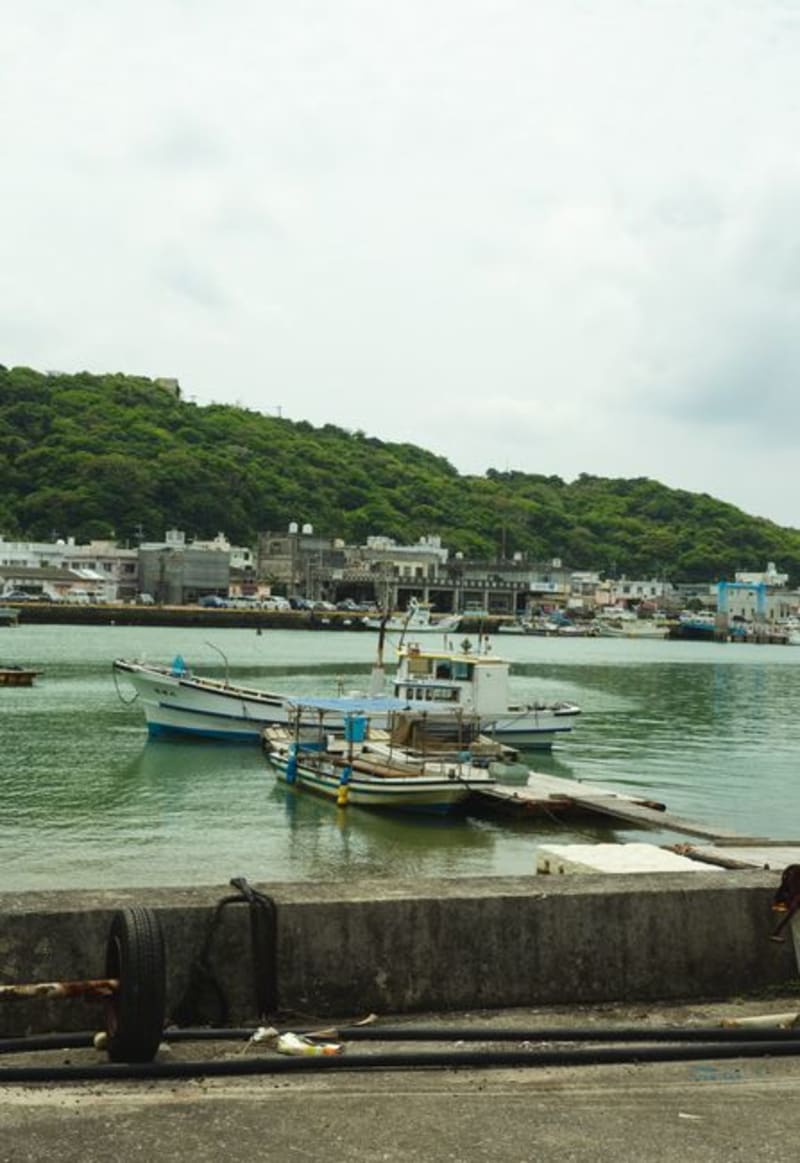 japan
japan Choshi
A blustery cape at the far eastern edge of Chiba, where the Pacific arrives first each morning and a white lighthouse leans into the wind. Fishing boats, soy-sauce breweries, and a little clifftop train that rattles out to the sea. The kind of place that smells of brine and fermenting beans at once.
Explore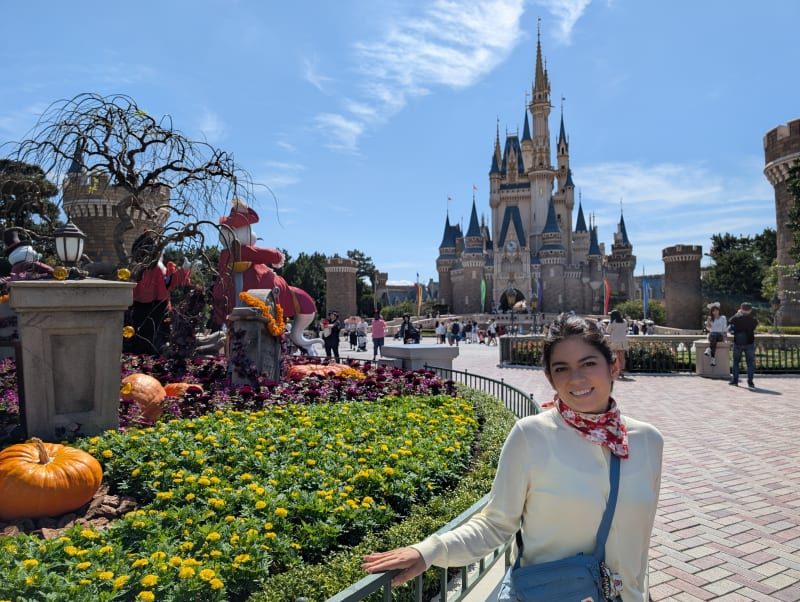 japan
japan Disney Tokyo
Disneyland and DisneySea — theme parks elevated to art by Japanese precision, obsessive detail, and a sincerity that makes cynicism impossible.
Explore japan
japan Enoshima
A small shrine-crowned island off the Shōnan coast near Kamakura, reached by a long low bridge over the sea. Sea caves at its far tip, Mount Fuji across the water on a clear evening, and the salt-and-grilled-squid smell of a Japanese seaside afternoon.
Explore japan
japan Gyoda
A quiet town north of Tokyo built around a castle nicknamed 'the floating castle' for surviving a flood siege, and a park of ancient lotus that sprouted on its own from seeds disturbed by construction work centuries later.
Explore