A quiet town north of Tokyo built around a castle nicknamed 'the floating castle' for surviving a flood siege, and a park of ancient lotus that sprouted on its own from seeds disturbed by construction work centuries later.

Gyoda wasn’t a place either of us had heard of until Lia stumbled on a story about lotus flowers that grew from seeds nobody planted, dormant in the ground for who knows how long until construction work disturbed them and they simply sprouted. That kind of story is basically irresistible to her, and an hour or so north of Tokyo felt like a small enough commitment to chase it down and see for ourselves.
The Floating Castle
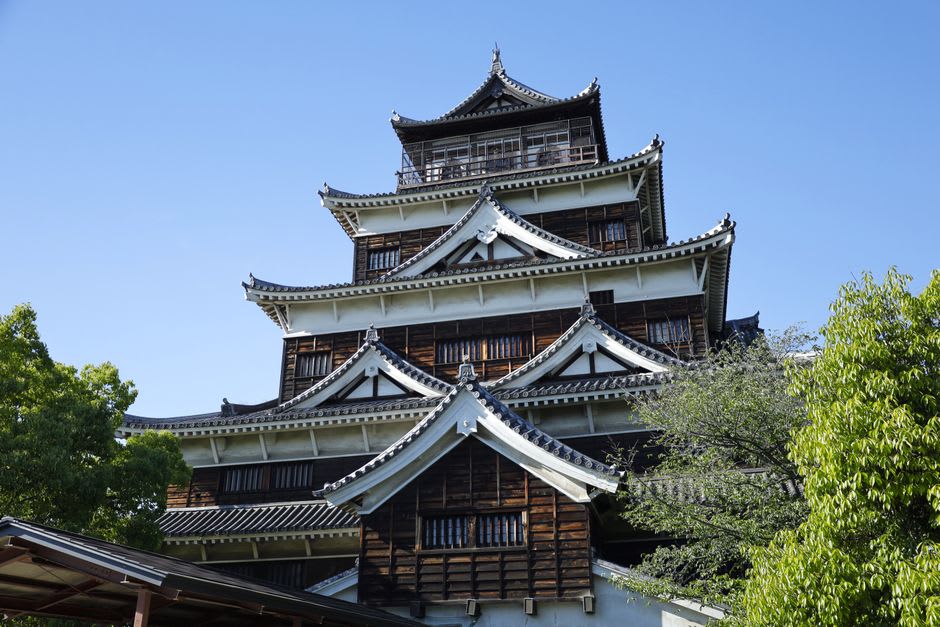
Oshi Castle sits at the center of town, rebuilt but still carrying its old nickname, “the floating castle,” earned during a siege when an attacking general tried to flood the defenders out by diverting the rivers around it. According to the story, the castle simply floated above the rising water instead of drowning, and held. Standing on the reconstructed keep now, looking out over flat farmland where those rivers once ran, it’s hard to picture the scale of that flood, but the museum inside does a solid job of laying out the siege in models and old maps. Lia was particularly taken with a diorama showing the water level rising around the walls, tracing the flood line with her finger the same way she’d traced the rock at Nagatoro months earlier.
Lotus That Woke Themselves Up
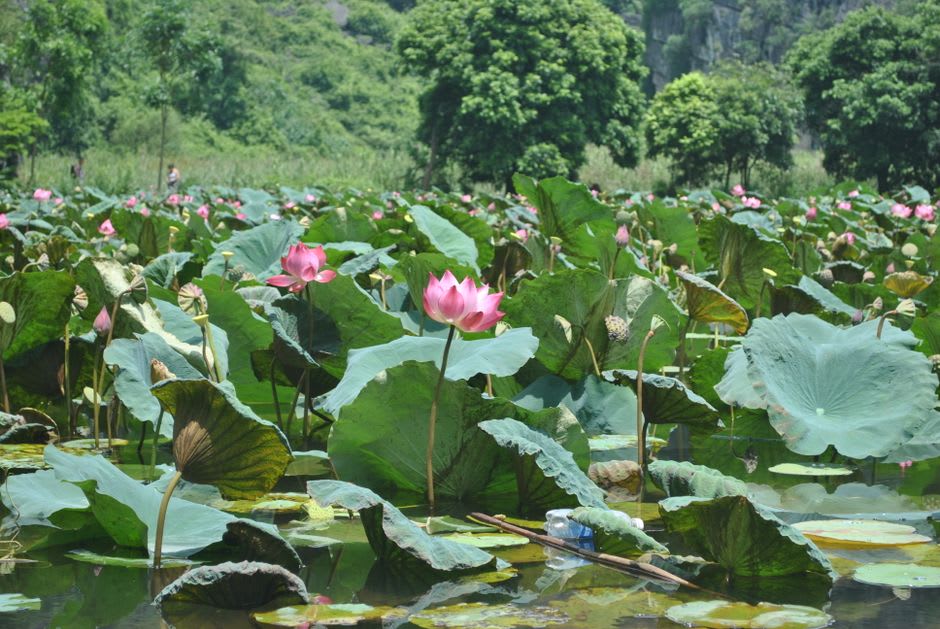
A few kilometers from the castle, Kodai Hasu no Sato protects the real reason we’d come: an ancient strain of lotus that sprouted entirely on its own after construction work in the area disturbed old seeds buried in the ground, seeds that had apparently been dormant for an extraordinary length of time. Rather than clear them, the discovery was protected and grown into a proper park, and by midsummer the ponds are covered edge to edge in thousands of pink blossoms, their broad leaves rolling gently in the breeze. We walked the boardwalks early in the morning, when the flowers are supposedly at their most open, and the sheer density of blooms — pink stretching in every direction, the air faintly sweet — made the whole detour feel completely justified before we’d even left the park.
An Unhurried Town
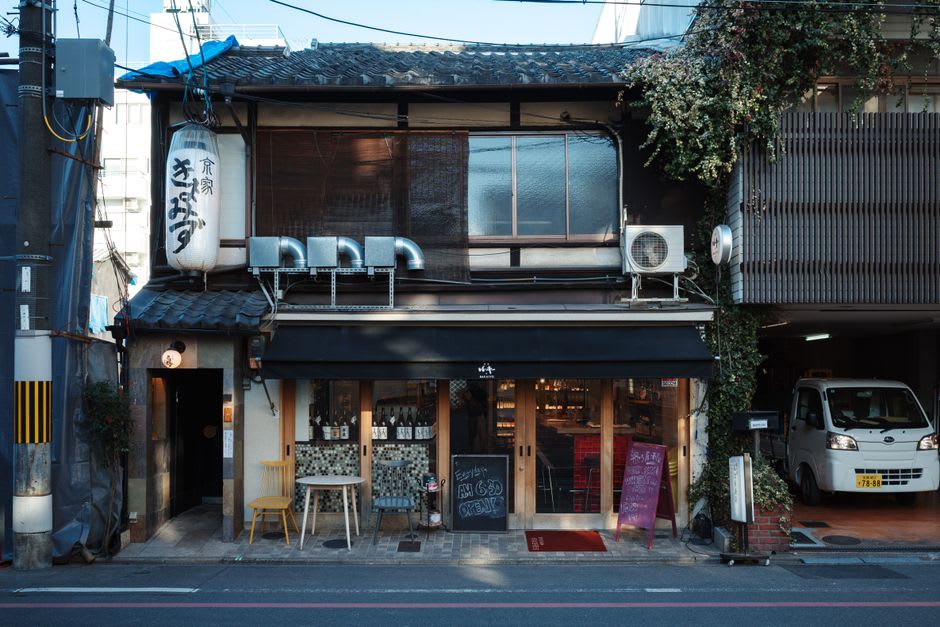
Beyond the castle and the lotus, Gyoda moves at an unhurried pace that felt like a relief after busier stops on our trip — a main street of old shopfronts, some still making the local tabi socks the town was historically known for producing, others just quiet cafes with regulars who clearly knew each other by name. We stopped in one for lunch and ended up talking, slowly and with a lot of gesturing, to the owner about the lotus park, who told us she’d been visiting it every summer since she was a child, long before anyone outside the area had heard the story. It’s the kind of town that rewards not rushing through it.
Getting There
Gyoda Station, on the JR Takasaki Line, is about seventy minutes from central Tokyo by direct or lightly connecting train. Oshi Castle is an easy walk from the station, while Kodai Hasu no Sato sits a little further out and is best reached by bus, taxi, or rented bicycle, especially if you want to arrive early enough to catch the lotus at their fullest bloom. The lotus season runs through the hotter summer months, so it’s worth checking bloom conditions before making the trip specifically for the flowers.
Keep exploring
More of Kantō
Keep exploring
More from Kantō
 japan
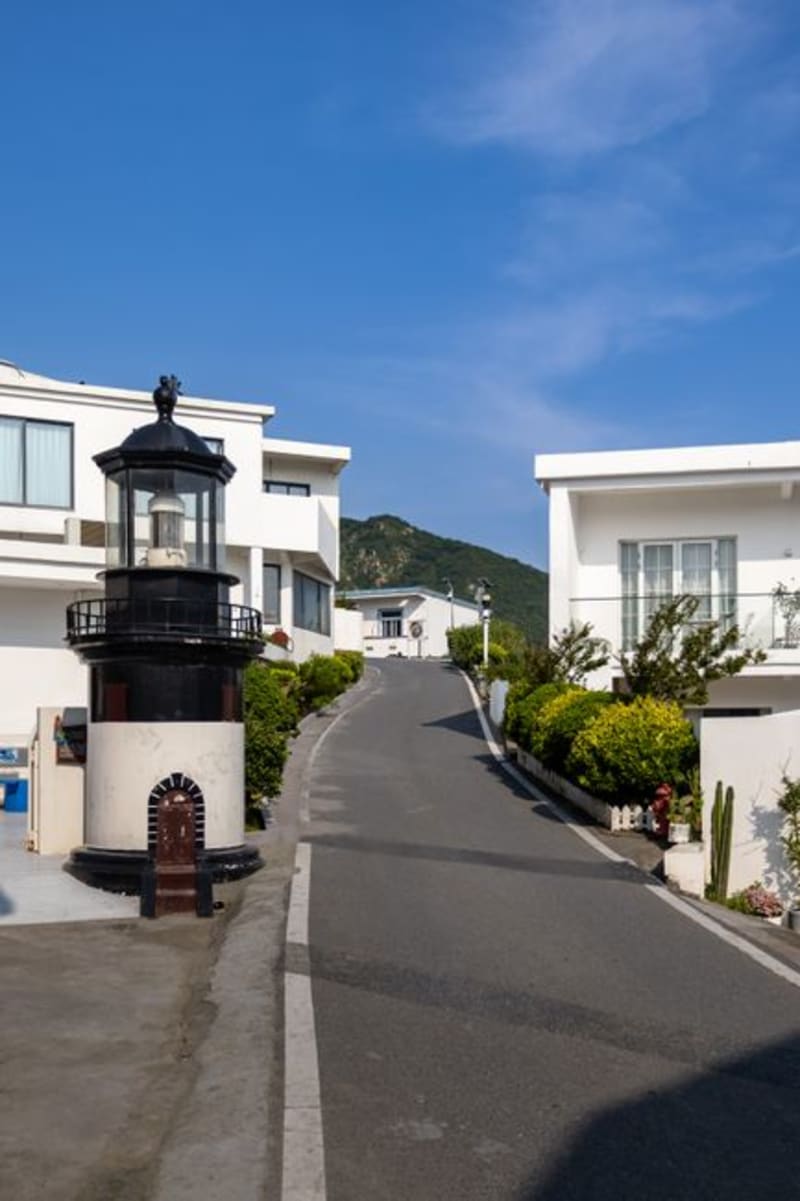
Hachijojima
A subtropical, gourd-shaped island far out in the Philippine Sea that's still technically part of Tokyo, known for glowing mushrooms in its forests and kusaya, a fermented dried fish famous for smelling far worse than it tastes.
Explore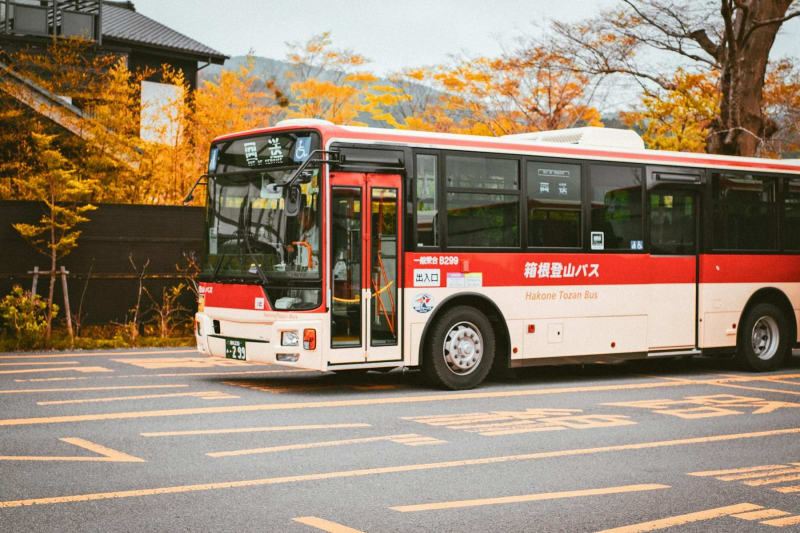 japan
Hakone
Volcanic hot-spring town offering the clearest views of Fuji across the caldera lake.
Explore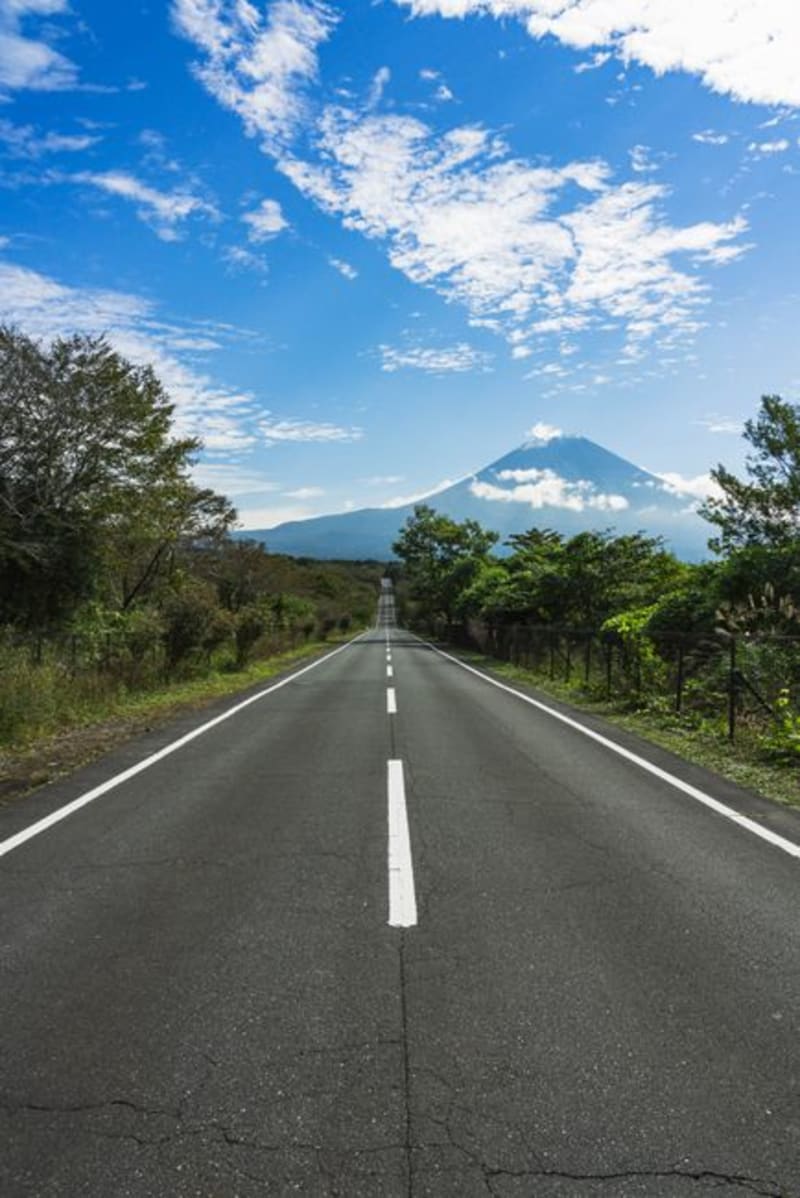 japan
Mount Haruna
A collapsed Gunma volcano cradling a still crater lake and a shrine older than most nations. Lia and I climbed here for the quiet and found something stranger — a place where the mountain itself seems to be watching. The kind of stillness that makes you lower your voice.
Explore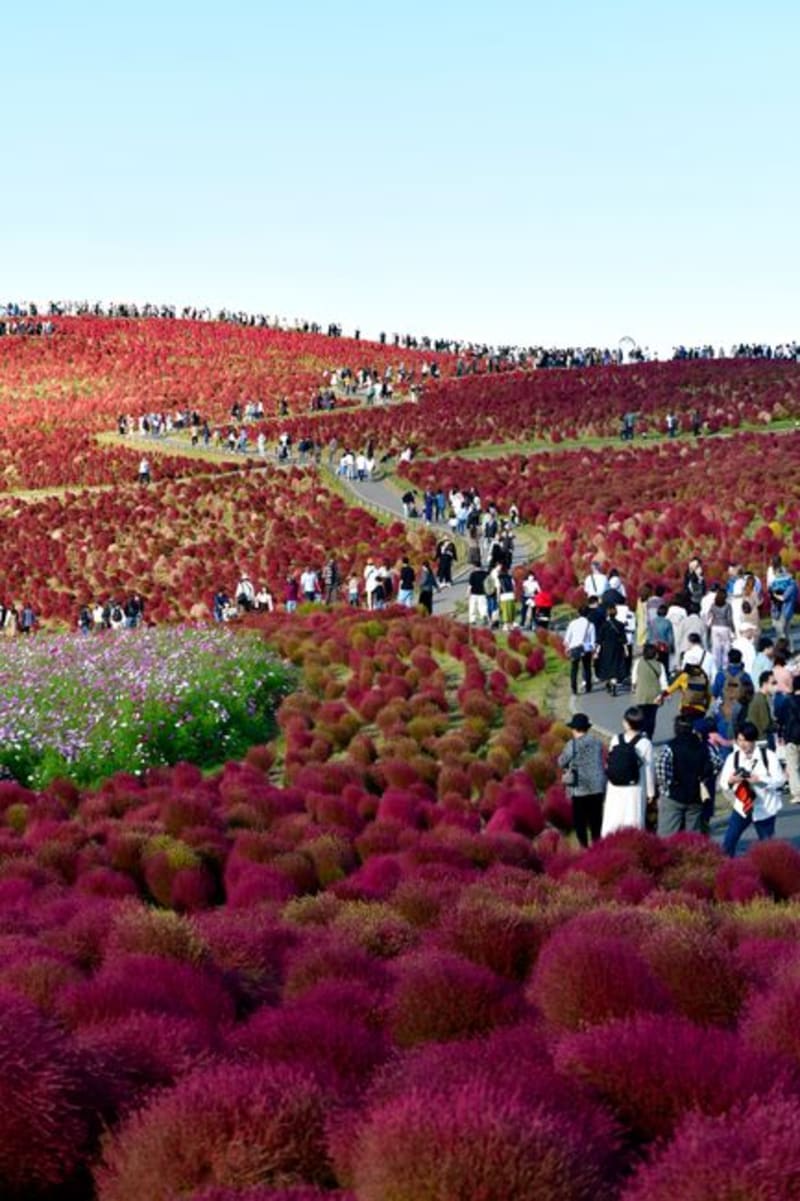 japan
Hitachi Seaside Park
A vast coastal park on the Ibaraki shore where, for a few weeks each spring, a whole hill turns sky-blue with millions of nemophila — and in autumn the same slope burns crimson with round bushes of kochia. One of the most photographed places in Japan, and for once the photographs undersell it.
Explore japan
Ikaho Onsen
A hot-spring town built up the side of a Gunma mountain around a single, famous stone stairway of 365 steps, lined with bathhouses, game halls, and steam rising into the cedar dusk. Ikaho is old-fashioned onsen Japan at its most atmospheric.
Explore japan
Isumi Railway
A slow, nearly empty branch line in rural Chiba where a canary-yellow single-car 'Moomin train' runs past fields of rapeseed blazing yellow each March, timed to overlap with the region's cherry blossoms.
Explore