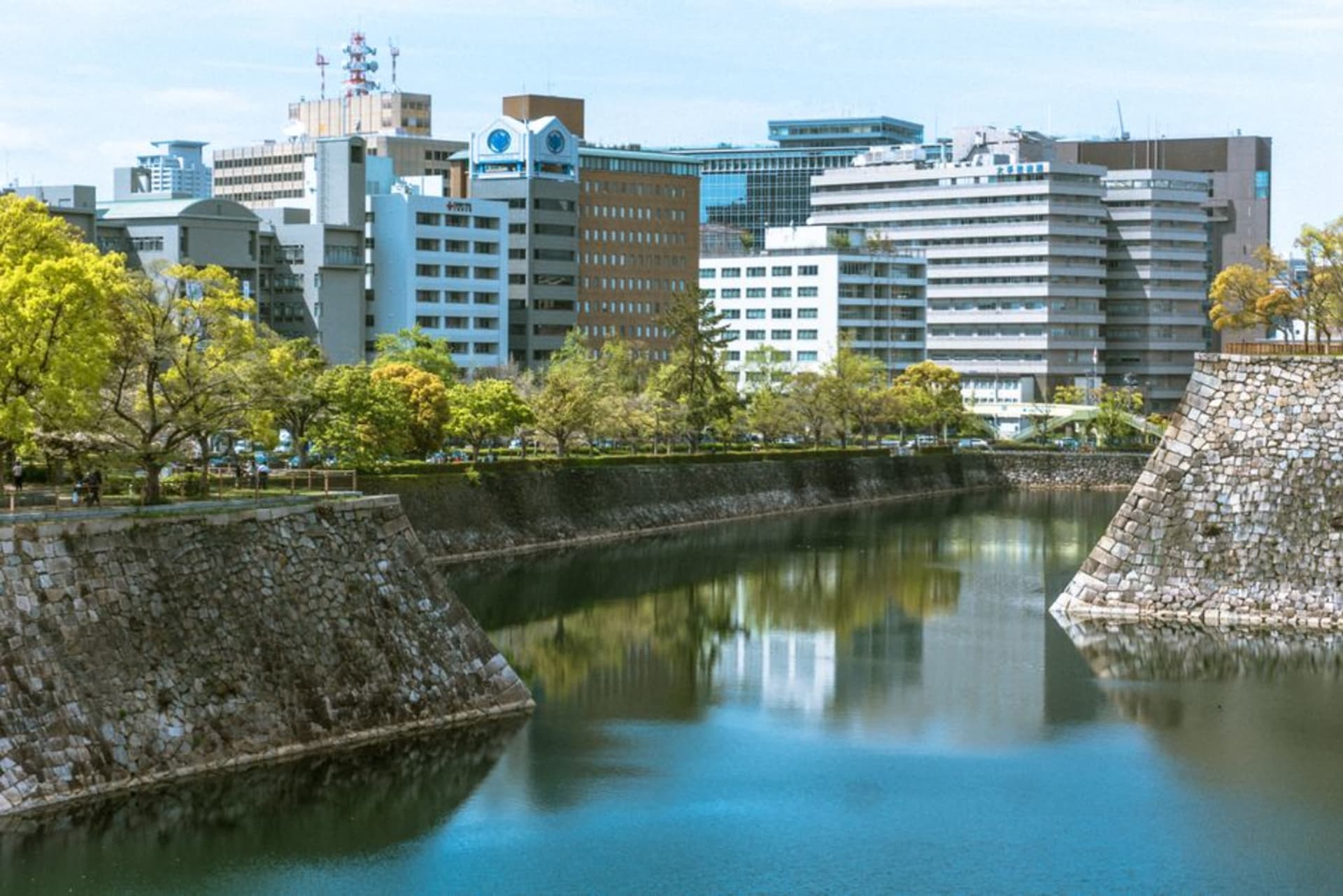
Nibutani (Biratori)
"Lia's mukkuri barely made a sound the first ten tries. Then suddenly it did, and she looked genuinely thrilled."
The cultural heart of the Ainu people in Hokkaidō, where two museums on a hillside above the Saru River open into hands-on workshops in wood carving and traditional music rather than just glass cases of artifacts.

I’ll admit that before this trip, most of what I knew about the Ainu came from a museum placard or two, the kind of secondhand, faraway knowledge that doesn’t really teach you anything. Lia pushed for Nibutani specifically because she’d read that it wasn’t just a place to look at Ainu history behind glass, but somewhere you could actually sit down with someone and learn a skill, however badly. We drove in from Tomakomai on a quiet morning, following the Saru River inland, and arrived at a small hillside settlement that felt less like a tourist stop and more like a community that happened to let visitors in.
Two Museums, One Hillside
Nibutani has two museums close enough together to visit both in a morning, and they complement each other in a way I didn’t expect. The Nibutani Ainu Culture Museum lays out the broader history and material culture — clothing, tools, boats, the patterns and symbolism woven through everyday objects — while the Kayano Shigeru Nibutani Ainu Museum, built around one collector’s lifelong effort to preserve what was being lost, feels more personal and specific, almost like walking through someone’s devotion. Lia lingered longest at a display of embroidered robes, tracing the curling patterns with her eyes without touching, clearly moved by the craft. Standing between the two buildings, looking down over the Saru River valley, you get a strong sense of why this particular kotan became the place where so much of that preservation work happened.

Learning by Doing, Badly
What we hadn’t expected was how much of the visit would be participatory rather than passive. We booked a short session that combined a bit of wood carving with a lesson on the mukkuri, a small bamboo jaw harp that looks simple and is not simple at all. Our instructor demonstrated it in about four seconds, a warm buzzing hum that filled the room, and then handed it to Lia, who spent a solid ten minutes producing nothing but silence and increasingly determined faces. When she finally coaxed out a real note she actually gasped. I did marginally better with the carving, whittling something that was meant to be a small animal and ended up looking more like a very confident potato. Nobody seemed to mind. The whole point, our instructor said gently, was the trying.

A Performance, Not a Display
In the late afternoon we caught a short live performance — traditional Ainu song and dance, performed by a small group rather than played back on a screen somewhere. It was understated and clearly rooted in ceremony rather than spectacle, movements and chants that felt like they were being shared rather than shown off. Lia, who usually reaches for her phone the second any performance starts, kept hers in her bag the whole time and just watched. Afterward one of the performers stayed to answer questions, unhurried, clearly used to genuine curiosity rather than tourist small talk. We left Nibutani feeling like we’d been let into something rather than sold something, which is a distinction that’s easy to state and hard to actually deliver.

Getting There
Nibutani lies within the town of Biratori, about an hour by car from Tomakomai, following inland roads up the Saru River valley. There’s no train station directly serving Nibutani, so a rental car is the most practical way to reach it, and it works well as a day trip if you’re already based around Tomakomai or working your way toward Hidaka horse country further east. Book any hands-on workshops ahead of time, since sessions are small and can fill up, and check performance schedules if seeing a live show is a priority — they don’t run every day.
Keep exploring
More of Hokkaidō
Keep exploring
More from Hokkaidō
 japan
japan Niseko
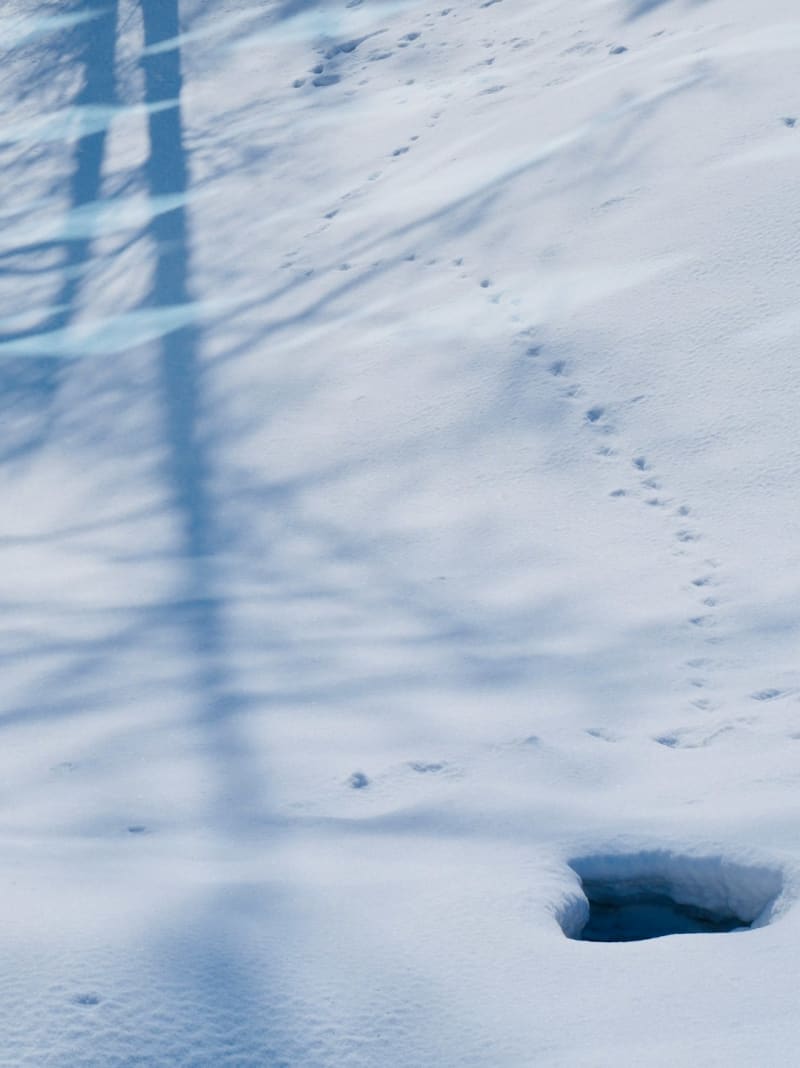
A ski resort of near-mythical powder snow spread beneath the perfect cone of Mount Yōtei. International and lively in winter, green and quiet in summer, with rafting rivers and hiking trails when the snow is gone.
Explore japan
japan Noboribetsu
Hokkaidō's greatest hot-spring town, built beneath a steaming red-rock crater called Hell Valley. Sulfur on the wind, water so mineral-rich it comes in a dozen kinds, and demon folklore watching over the streets.
Explore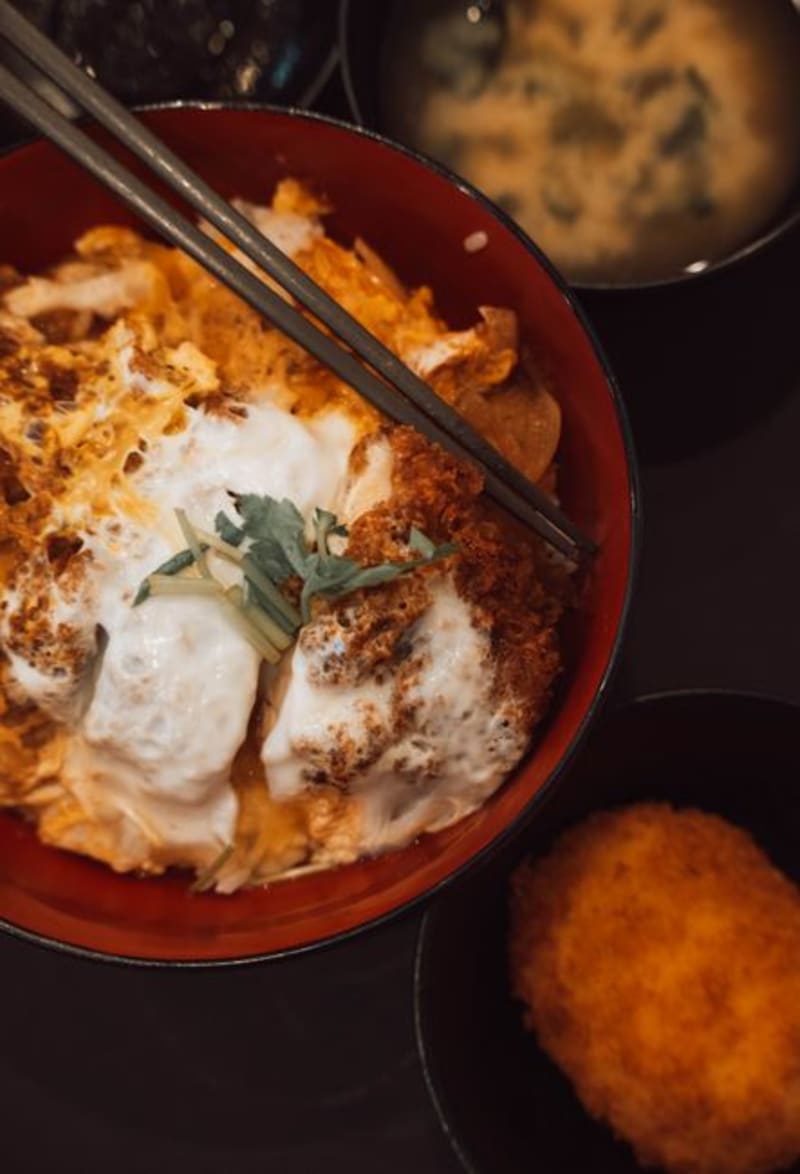 japan
japan Obihiro
The hearty farm capital of the vast Tokachi plain in eastern Hokkaidō. Grilled-pork rice bowls, a proud confectionery tradition, garden trails through the fields, and enormous agricultural skies that go pink at either end of the day.
Explore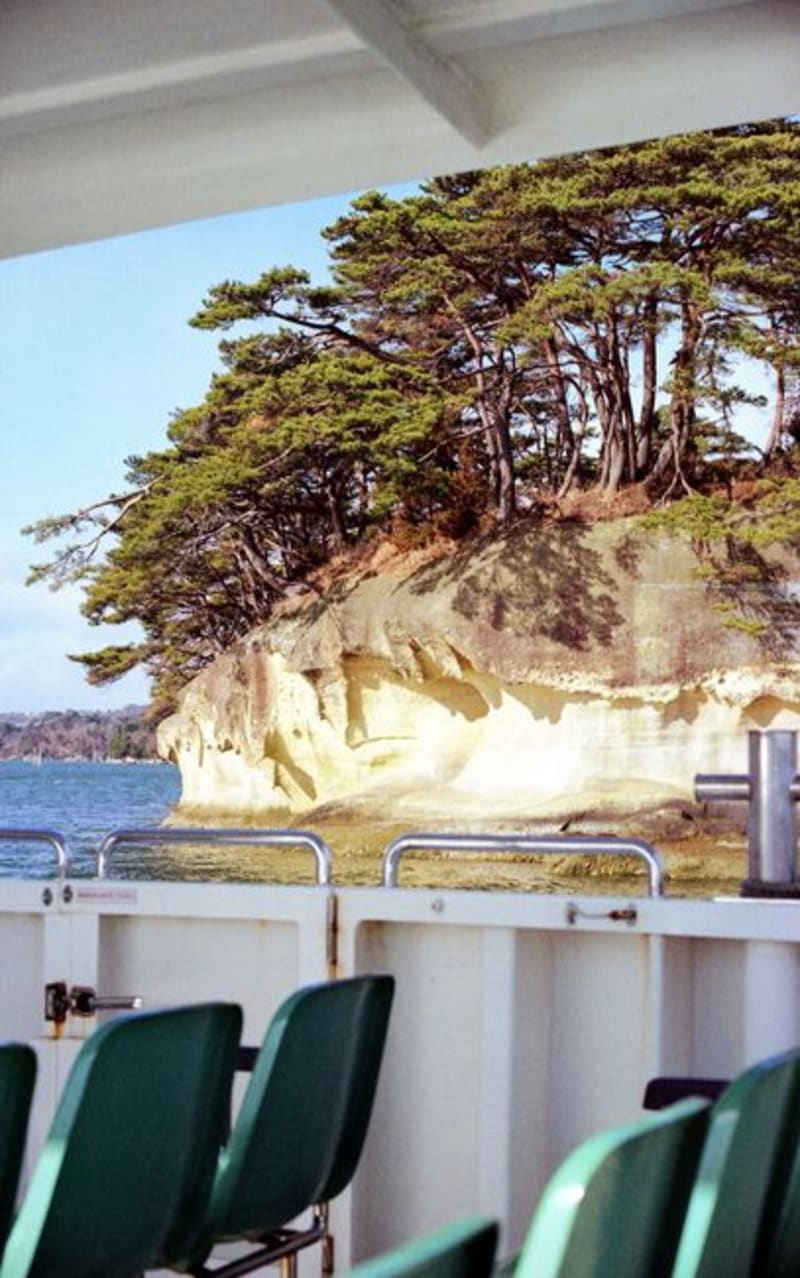 japan
japan Okushiri Island
A small island off southwest Hokkaidō remembered for the enormous 1993 tsunami that struck it minutes after a violent earthquake, and known now for blue coves, cliff-top lookouts, and a museum that refuses to let that night be forgotten.
Explore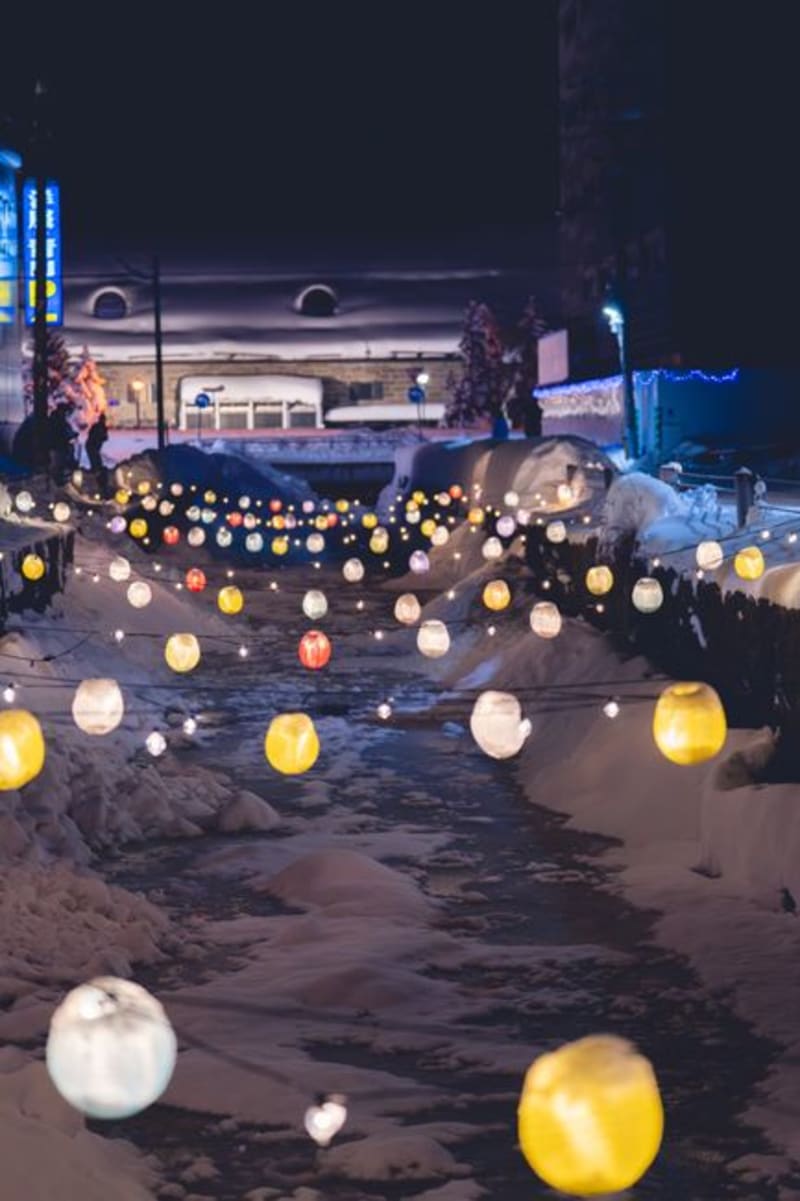 japan
japan Otaru
A small Hokkaidō port town gathered along a stone-warehouse canal, its gas lamps lighting the snow at dusk. Glassblowers and music-box makers, herring wealth turned to nostalgia, and sushi eaten within sight of the harbor.
Explore japan
japan Rausu
The wild eastern edge of the Shiretoko Peninsula, facing the Nemuro Strait and the disputed islands beyond. A fishing town where whales surface offshore, eagles crowd the winter ice, and the road simply stops because the mountains won't let it continue. This is as far as Japan goes before it turns to weather and sea.
Explore