Ashibetsu (Canadian World Park)
"A whole fake Prince Edward Island, Lia said, quietly falling apart in the middle of a coal town. I loved it immediately."
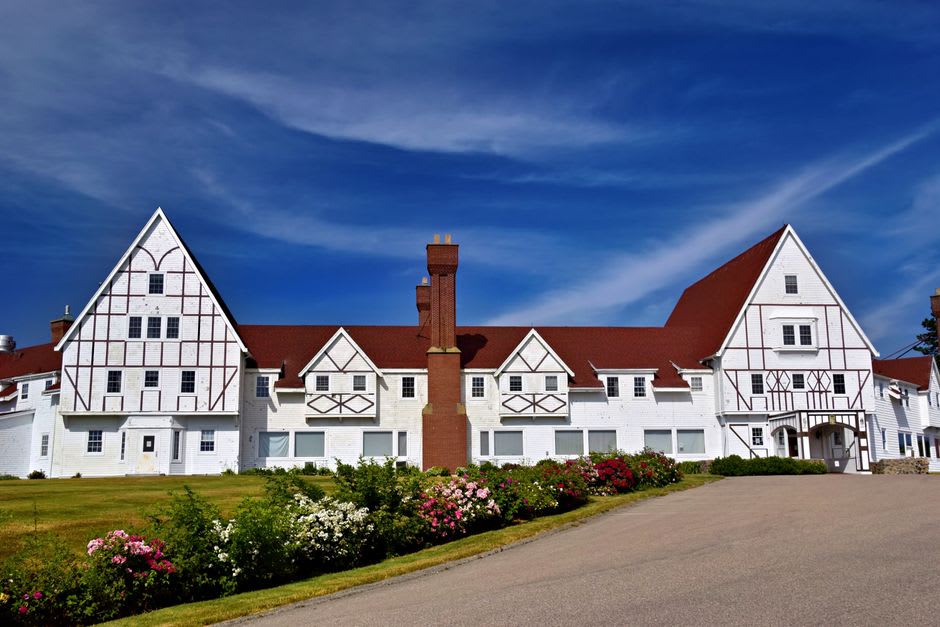
A former coal-mining town's full-scale replica of Prince Edward Island's Green Gables farmhouse, built in 1990 to ride Japan's Anne of Green Gables fandom, gone bankrupt in 1997, and now a free, volunteer-kept, genuinely eerie half-ghost-town in the middle of Hokkaidō farmland.

Some places you visit because they’re beautiful, and some you visit because you genuinely cannot believe they exist. Canadian World Park is the second kind. I’d stumbled on a photo of it online — a full-scale replica of the Green Gables farmhouse from Anne of Green Gables, standing more or less abandoned in the middle of a former coal-mining town in central Hokkaidō — and showed it to Lia expecting her to laugh it off. Instead she got very quiet and said we had to go. So we drove out from Asahikawa on a bright, ordinary afternoon toward Ashibetsu, a town that once ran on coal and now runs, in whatever small way it can, on a very specific and very Japanese devotion to a Canadian novel.
Built on a Fandom, Built to Fail
The whole park exists because of one improbable cultural fact: Anne of Green Gables has an enormous, decades-deep fanbase in Japan, and in 1990 Ashibetsu — its coal industry dying — built an entire theme park around it, including a meticulous replica of the actual farmhouse from Prince Edward Island. It didn’t last. The park went bankrupt in 1997, and what’s left today is free to enter and kept alive by volunteers rather than any real operating budget. Walking up the drive toward the farmhouse, white clapboard with green trim, perfectly detailed and slightly too clean against faded surroundings, Lia said it felt like walking onto a movie set that the crew had forgotten to strike. It’s a strange, layered thing to stand in front of: a genuine act of devotion, a genuine business failure, and a genuinely surreal building, all at once.
Empty Storefronts and a Train Still Circling
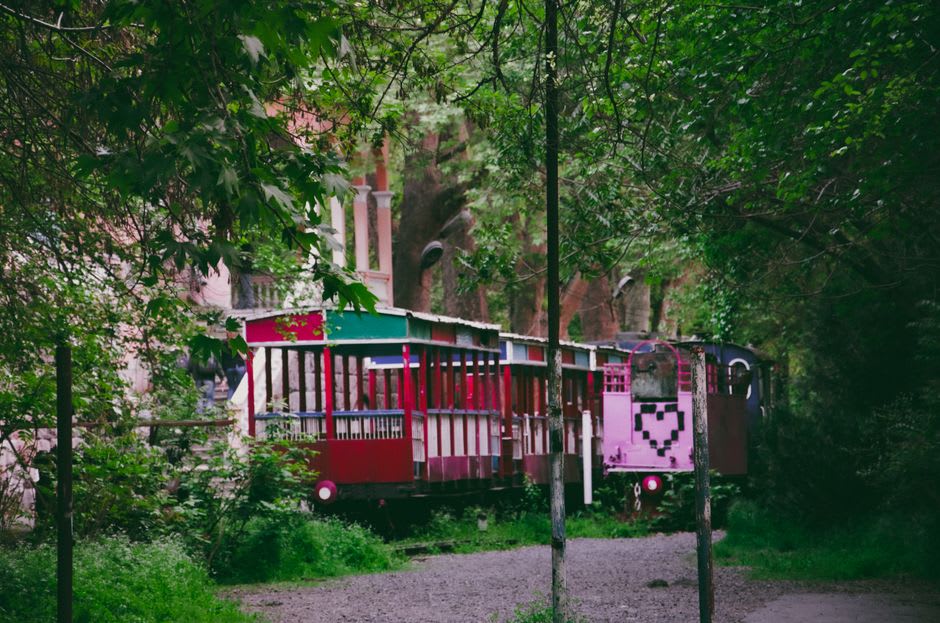
Past the farmhouse, the rest of the park unfolds as a loose collection of empty storefronts, faded signage, and open lawns that used to be manicured attractions. It should feel sad, and it partly does, but there’s also something oddly peaceful about it, like a fairground the day after everyone’s gone home for good. The strangest detail, and the one that stuck with both of us, is that a miniature train still circles a small pond somewhere on the grounds, kept running by whoever maintains the place, looping past all those empty storefronts on a schedule nobody’s really watching anymore. We stood and watched it go around twice, not saying much, the kind of quiet that comes from not quite knowing how to feel about something.
A Ghost Town With No Ghosts, Exactly
What makes Canadian World genuinely eerie, rather than just sad, is the mismatch between the setting and the concept — a full recreation of maritime Canada dropped into flat Hokkaidō farmland, with real mountains in the distance instead of any coastline. Lia kept saying it felt like a fake postcard she could walk into, and I understood what she meant standing at the edge of the grounds, farm fields stretching out behind the replica buildings in a way that Prince Edward Island never looks. We left in the early evening with the strange, specific feeling you get from a place built entirely on hope and nostalgia that mostly didn’t pan out, but that someone, somewhere, has quietly decided is still worth keeping the lights on for.
Getting There
Canadian World Park sits just outside Ashibetsu, about an hour by car from Asahikawa, along quiet roads through central Hokkaidō’s farm country. There’s no direct train service to the park itself, so a rental car is the easiest way in, and it pairs well with a broader loop through the Furano and Asahikawa area. Entry is free and the park is unstaffed in any formal sense, so don’t expect facilities beyond the basics — bring water and check that it’s open before making a special trip, since hours can be irregular given its volunteer upkeep.
Keep exploring
More of Hokkaidō
Keep exploring
More from Hokkaidō
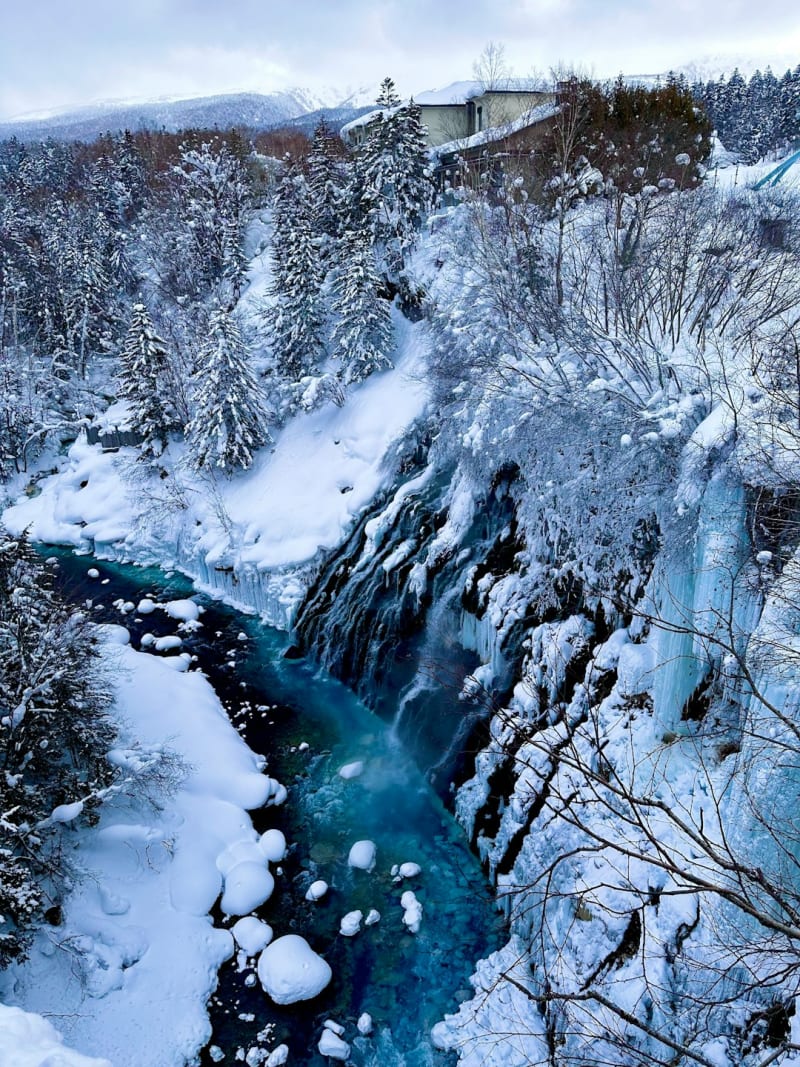 japan
Biei
A stretch of Hokkaidō countryside made of rolling patchwork hills, lone trees standing against the sky, and the impossible turquoise of the Blue Pond. Painterly, gentle land built for slow drives and long afternoons on a bicycle.
Explore japan
Bihoro Pass
A mountain pass delivering the classic postcard view down onto Lake Kussharo, Japan's largest caldera lake, with Mount Io and Mount Shari lined up behind it, and on calm mornings a sea of clouds that can pool over the water itself.
Explore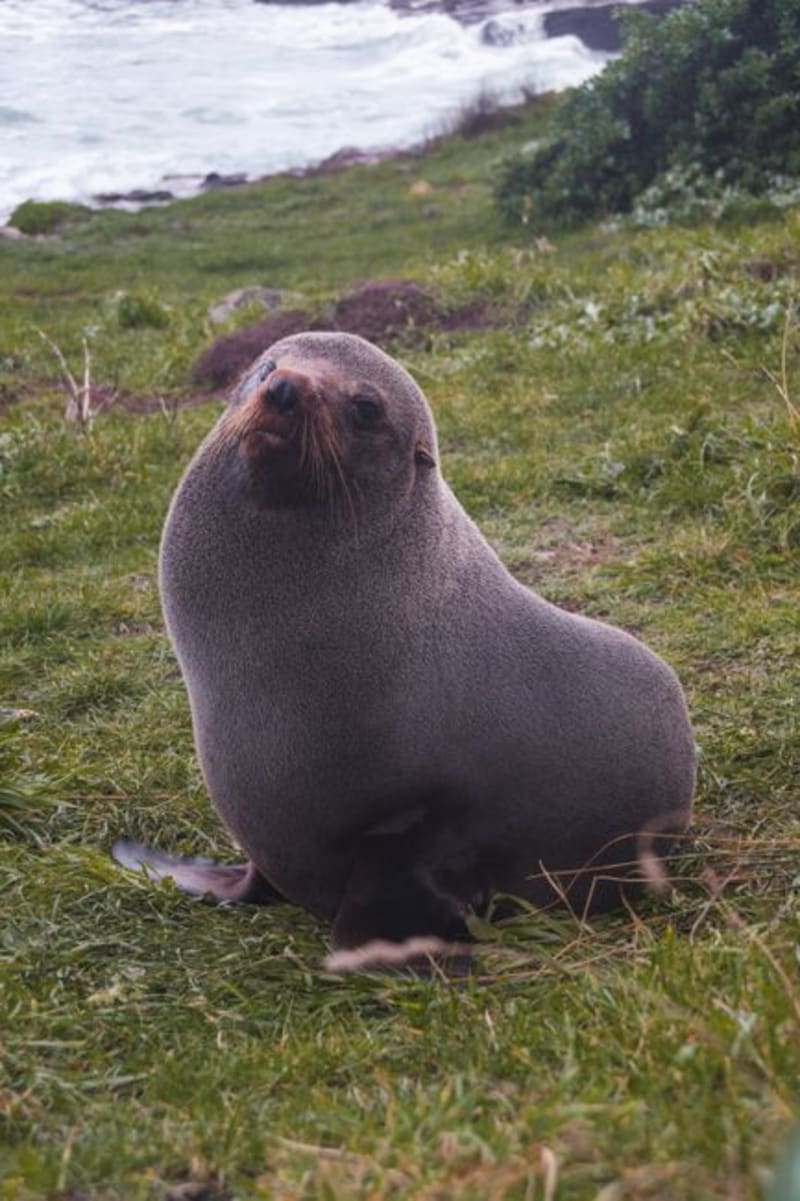 japan
Cape Erimo
A treeless, permanently windblown cape at the southern tip of the Hidaka coast where a colony of harbor seals hauls out on the rocks and the wind never fully stops.
Explore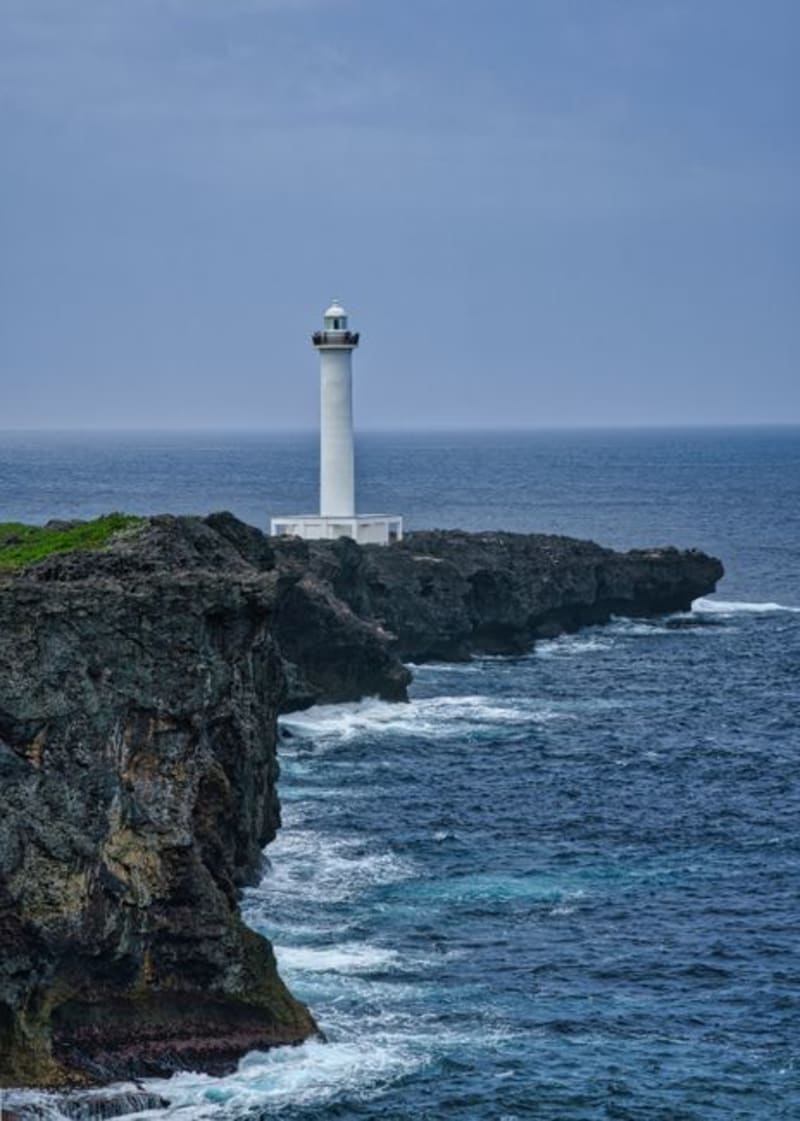 japan
Cape Nosappu
The easternmost point of Japan proper, a low windswept cape near Nemuro where you can see the disputed Kuril Islands across the water and feel the quiet weight of a border still being argued over.
Explore japan
Cape Soya
The northernmost point of Japan, a windswept monument at the end of a long straight road where you can see Russia on a clear day and feel how far you've actually come.
Explore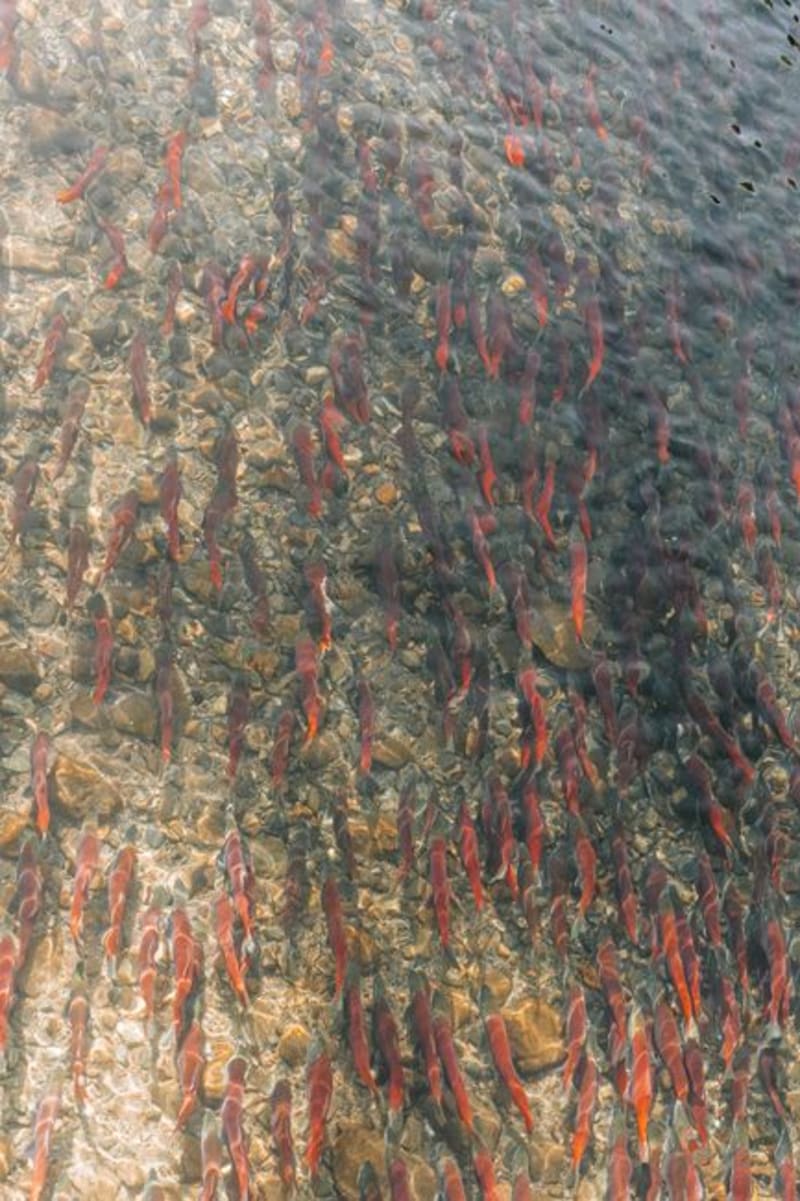 japan
Chitose
The airport town most travelers pass straight through on their way into Hokkaidō — and one worth pausing in. A clear spring-fed river running through the center, salmon climbing it in autumn, and the astonishing caldera water of Lake Shikotsu a short drive up into the mountains.
Explore