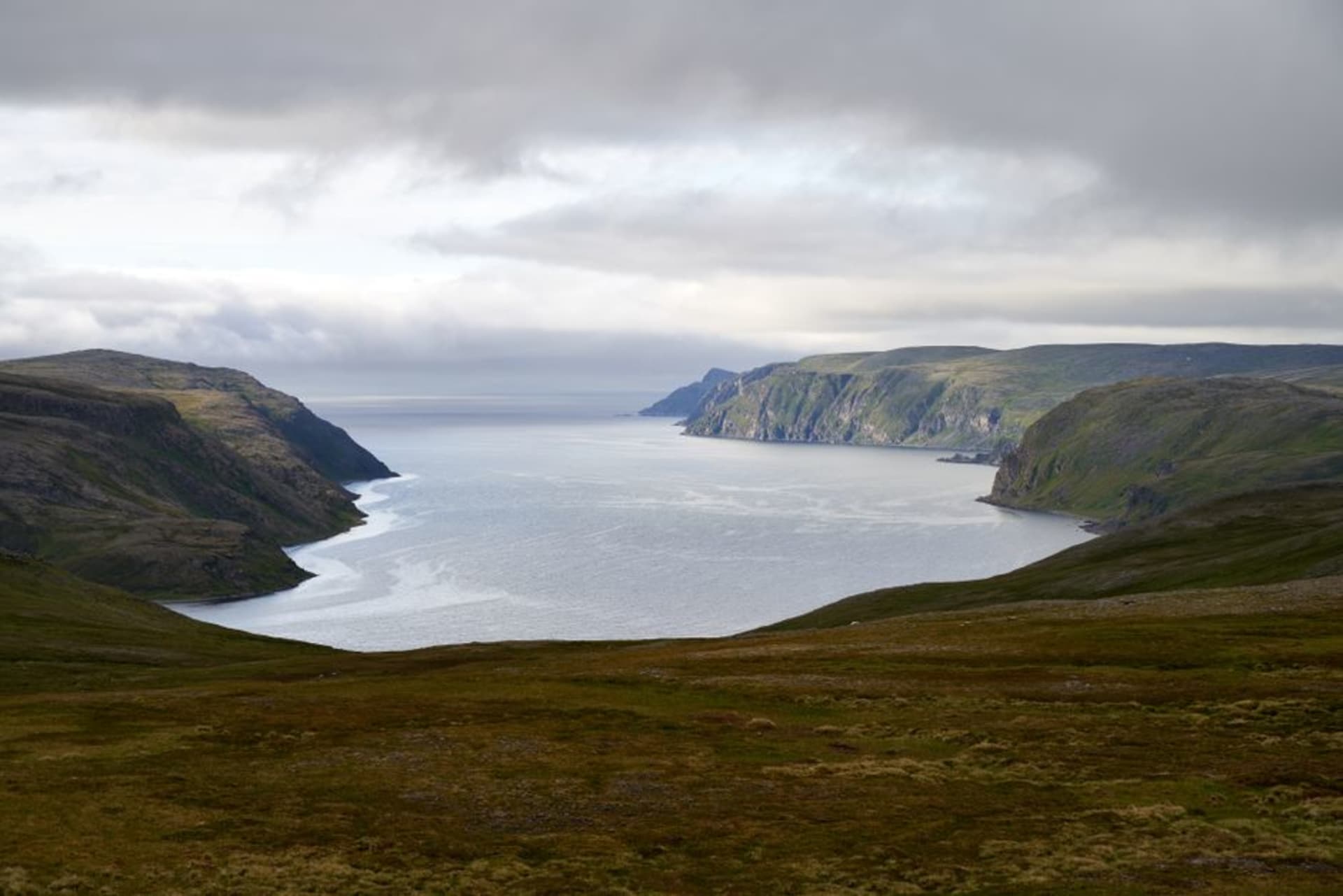
Cape Soya
"You drive north until the road simply stops — Cape Soya is the closest Japan gets to an edge of the map."
The northernmost point of Japan, a windswept monument at the end of a long straight road where you can see Russia on a clear day and feel how far you've actually come.

The drive up from Wakkanai to Cape Soya takes maybe forty minutes, past wind farms and dairy pasture and long stretches of coastline with almost nothing on them, and there’s a specific feeling that builds as you go, the sense of running out of country. Cape Soya is the northernmost point in Japan you can actually stand on, marked by a triangular stone monument that everyone photographs from the same three angles, and on a genuinely clear day — which is not most days, since this coast pulls in fog constantly — you can see Sakhalin Island, Russian territory, sitting low on the horizon about forty kilometers away. I got lucky with the weather and stood there a long while just looking at a foreign country I had no plans to visit, feeling the specific vertigo of a border you can see but not cross.

The wind here is constant and genuinely strong — the cape sits exposed to the Sea of Okhotsk and the Sea of Japan at once, and the wind turbines lining the hills above town aren’t decorative. I’d read that Wakkanai holds Japan’s windiest reputation and believed it within about ten minutes outside the car, hood up, leaning slightly into gusts that never really let up. There’s a small monument nearby to the “Song of Hope,” a memorial connected to a Korean Air Lines flight shot down off this coast in 1983, a quietly heavy piece of history that most visitors to the cape don’t know about until they read the plaque, and it changes the mood of the place a little, adds weight to what would otherwise just be a scenic edge-of-the-map photo stop.
Wakkanai itself, the actual city, is a modest fishing and ferry port that serves as the departure point for boats to Rishiri and Rebun islands, and I ate an excellent bowl of hokke — grilled Atka mackerel, a Hokkaido specialty — at a small restaurant near the harbor the night before my ferry, watching gulls work the docks in the long, strange summer dusk this far north, where the light lingers well past nine.

When to go: June through August for the best odds of clear skies and manageable wind, and to catch ferries to Rishiri and Rebun. Winter is genuinely harsh here — high winds, heavy snow, and a good chance the cape itself is fogged in entirely.
Keep exploring
More of Hokkaidō
Keep exploring
More from Hokkaidō
 japan
japan Wakkanai
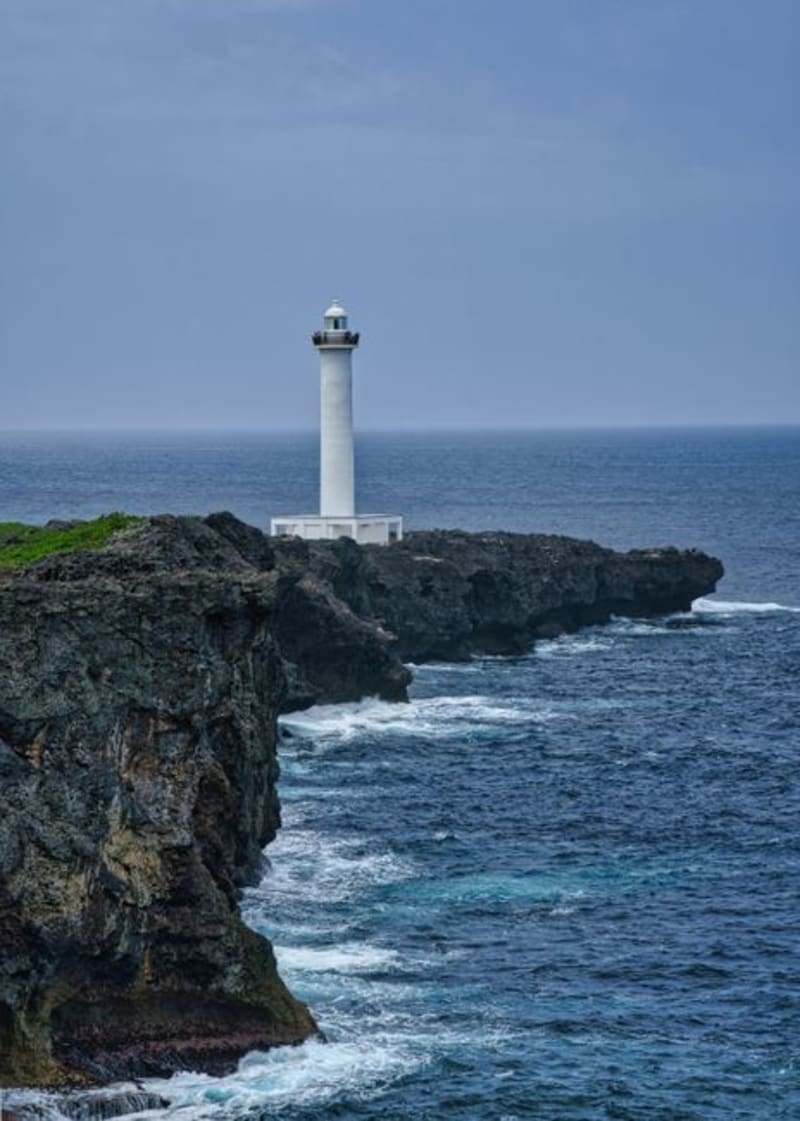
Japan's northernmost city, a windswept dairy port looking out from Cape Sōya toward the coast of Sakhalin. Treeless green capes, herds grazing under a huge sky, and the ferry pier for the wild islands of Rishiri and Rebun.
Explore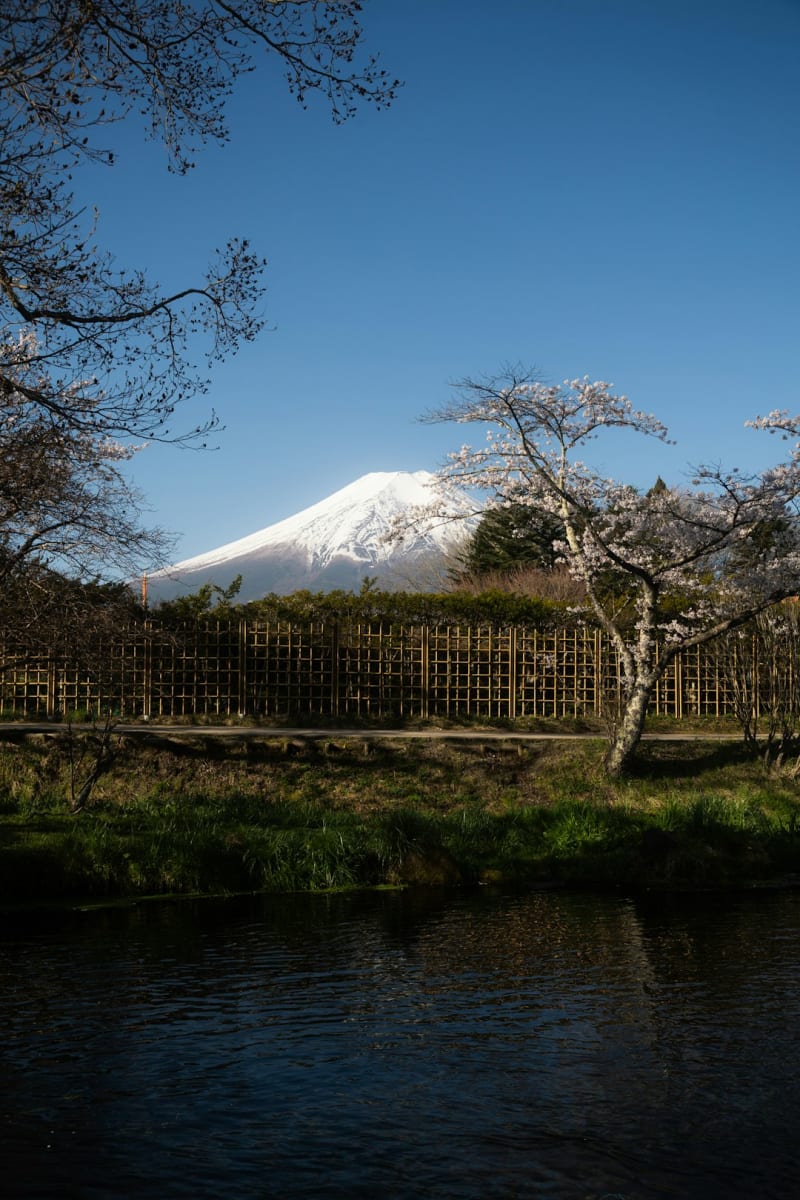 japan
japan Rishiri
A remote island off the northern tip of Hokkaidō, built almost entirely around the near-perfect cone of Mount Rishiri. Summer wildflowers, kelp drying on the shingle, prized sea urchin, and clear ponds that hold the mountain upside down.
Explore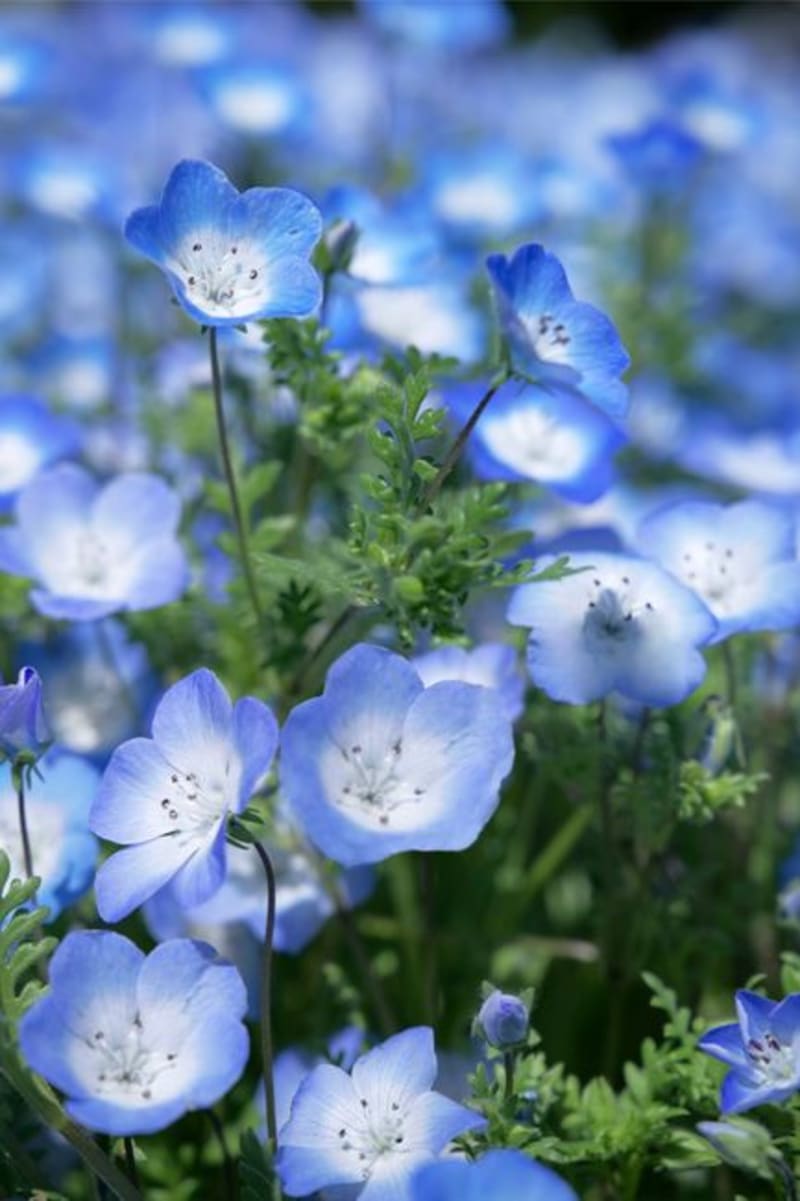 japan
japan Rebun
The flat 'island of flowers' at Japan's northern edge, lying just across the water from Rishiri. Rare alpine wildflowers bloom here almost at sea level, and a long cliff-and-meadow trail runs the wild western coast.
Explore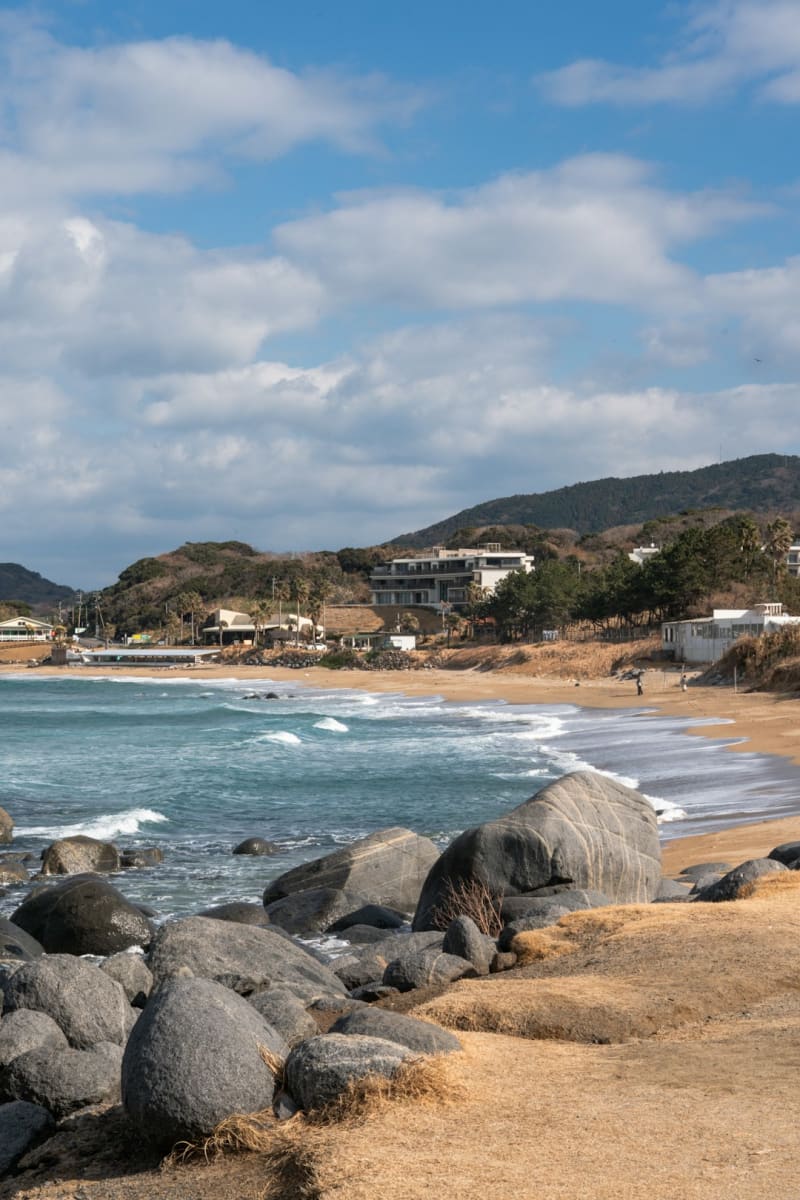 japan
japan Asahikawa
Hokkaidō's second city, a hearty inland hub buried in winter snow. A famous zoo where penguins march through the drifts, a dark and warming shoyu ramen, and a gateway to the Daisetsuzan peaks and the rolling Biei and Furano countryside.
Explore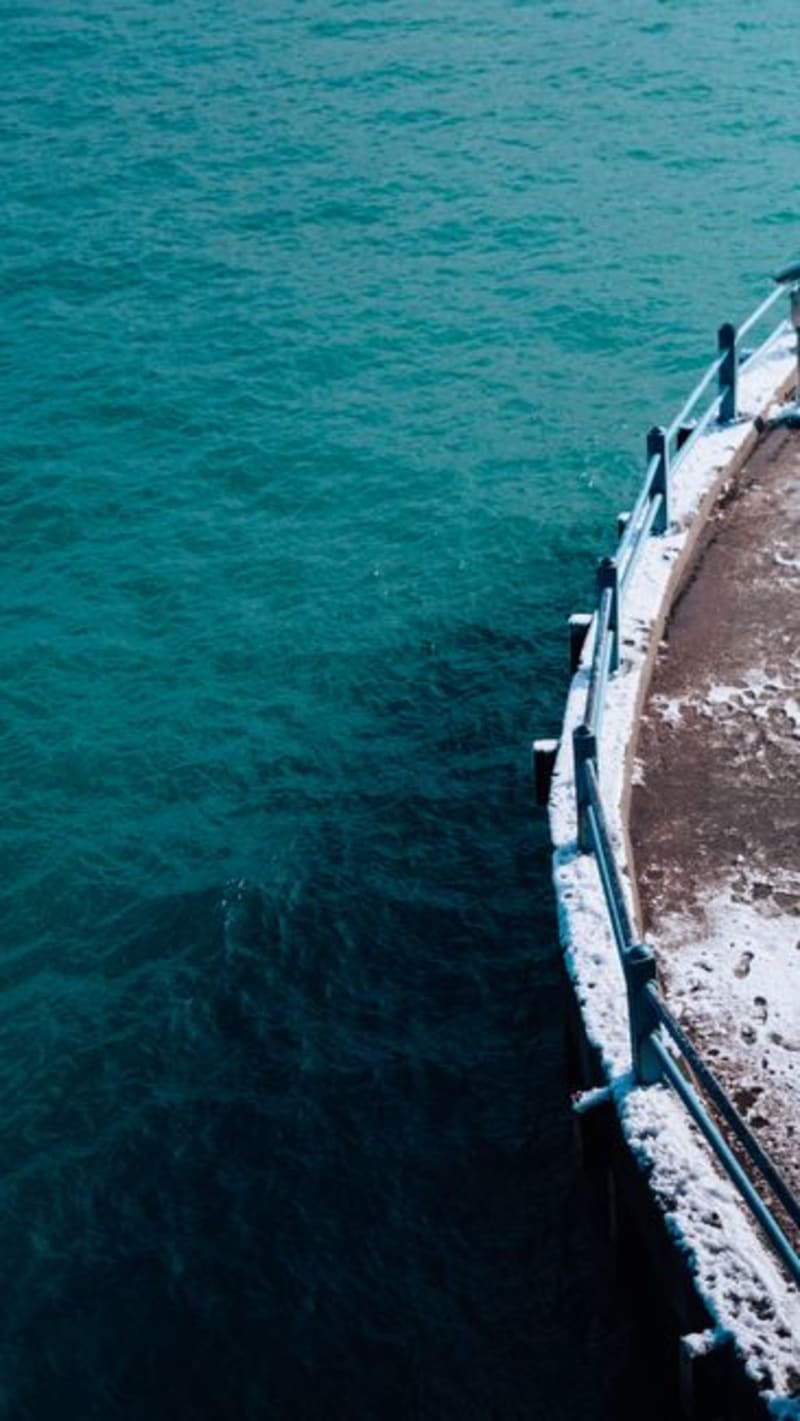 japan
japan Monbetsu
A working port on the Sea of Okhotsk where, for a few weeks each winter, the whole horizon turns to broken white ice. Monbetsu doesn't dress itself up for visitors — it lets the drift ice do the talking. We came for the Garinko icebreaker and stayed for the strange quiet of a town at the edge of a frozen sea.
Explore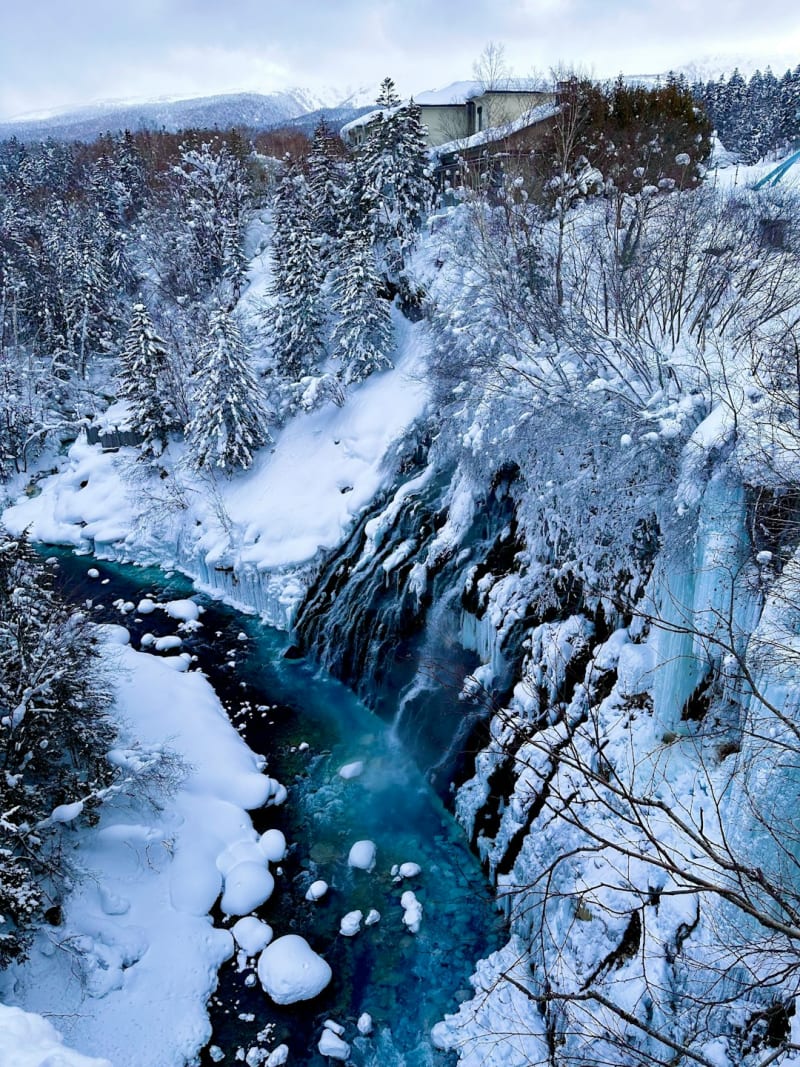 japan
japan Biei
A stretch of Hokkaidō countryside made of rolling patchwork hills, lone trees standing against the sky, and the impossible turquoise of the Blue Pond. Painterly, gentle land built for slow drives and long afternoons on a bicycle.
Explore