Yubara Onsen
"The water came straight up through the sand under our feet, no pipe, no tile, just the river."
A hot-spring town at the foot of Yubara Dam where Sunayu, a free open-air bath, bubbles up directly through the riverbed sand of the Asahi River, ranked among the top spots in Japan's national onsen rankings.

We’d been chasing onsen all through Chugoku by the time we got to Yubara, and I’ll admit a certain fatigue had set in — how many hot springs can genuinely feel different from each other. Then Lia read that this one bubbles up directly through the sand of a riverbed, no pool built around it, no tiled edge, just heat rising through stone and sediment at the foot of a dam, and her fatigue evaporated instantly. We drove up through the Maniwa hills toward the Asahi River with a level of anticipation that felt, honestly, a little disproportionate for a bath. It turned out to be entirely justified.
Bathing in the Riverbed Itself
Sunayu sits directly on the bank of the Asahi River, right below Yubara Dam, and it is exactly what its reputation promised: an open-air bath where the hot spring water doesn’t arrive through any visible plumbing, it simply rises up through the riverbed sand into a shallow pool shaped more by the stones around it than by any construction. It’s free to use, open to the sky, and consistently ranked among the very best onsen experiences in the country by the kind of national rankings that Japanese bathers take seriously. Stepping in, feeling the heat come up unevenly through the sand under my feet depending on exactly where I stood, was a different sensation than any tiled bath could offer. Lia kept moving her feet around trying to find the hottest patch like she was searching for buried treasure.

Mixed Bathing, Modern Compromise
Sunayu is a mixed-gender bath, a rarer setup these days, and the town has adapted sensibly rather than abandoning the tradition — women can rent a simple bathing suit nearby if they’d rather not bathe nude alongside men, a solution that seemed to satisfy pretty much everyone we saw there, from elderly locals clearly on a daily routine to a cluster of visibly nervous first-timers working up the courage to get in. Lia rented a suit and said afterward she was glad the option existed without her having to ask around awkwardly for it. The atmosphere itself was relaxed rather than voyeuristic, mostly quiet conversation and the sound of the dam’s spillway somewhere upstream.

A Dam Town’s Quiet Evening
Beyond Sunayu, Yubara is a small, unhurried onsen town built along the river below its namesake dam, with a scatter of ryokan, a modest shopping street, and the kind of pace that makes an evening walk feel like the main event rather than a filler activity. We ate dinner at a small restaurant serving river fish and mountain vegetables, then walked back down toward the water after dark, when the bath area empties out and the sound of the river becomes the loudest thing around. Standing there with the dam lit faintly upstream, I understood why people rank this particular spot so highly — it’s less about grandeur than about a very specific, very physical sense of place.

Getting There
Yubara Onsen is reached by bus from Okayama Station via Maniwa, with the journey taking roughly an hour and a half to two hours depending on connections. A car gives more flexibility for exploring the wider Maniwa area and reaching Sunayu itself, which sits a short walk from the town’s main cluster of ryokan. Bring a towel and, if you’d rather not bathe in the open, check locally about suit rentals before you arrive, since availability can be limited on busier days.
Keep exploring
More of Chūgoku
Keep exploring
More from Chūgoku
 japan
japan Yunotsu Onsen
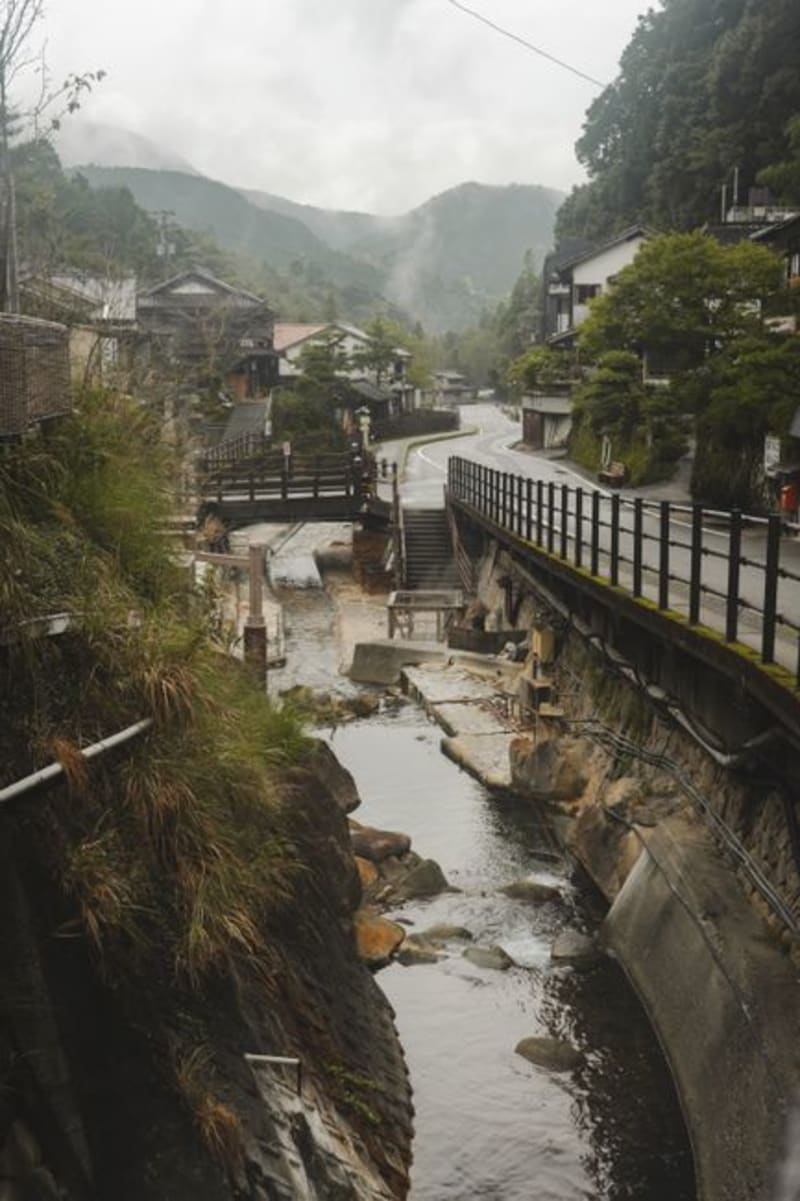
A hot-spring hamlet on the San'in coast so small its main street is just a few blocks of wooden ryokan, preserved not as a spa town but as the actual port where Iwami Ginzan's silver once left Japan.
Explore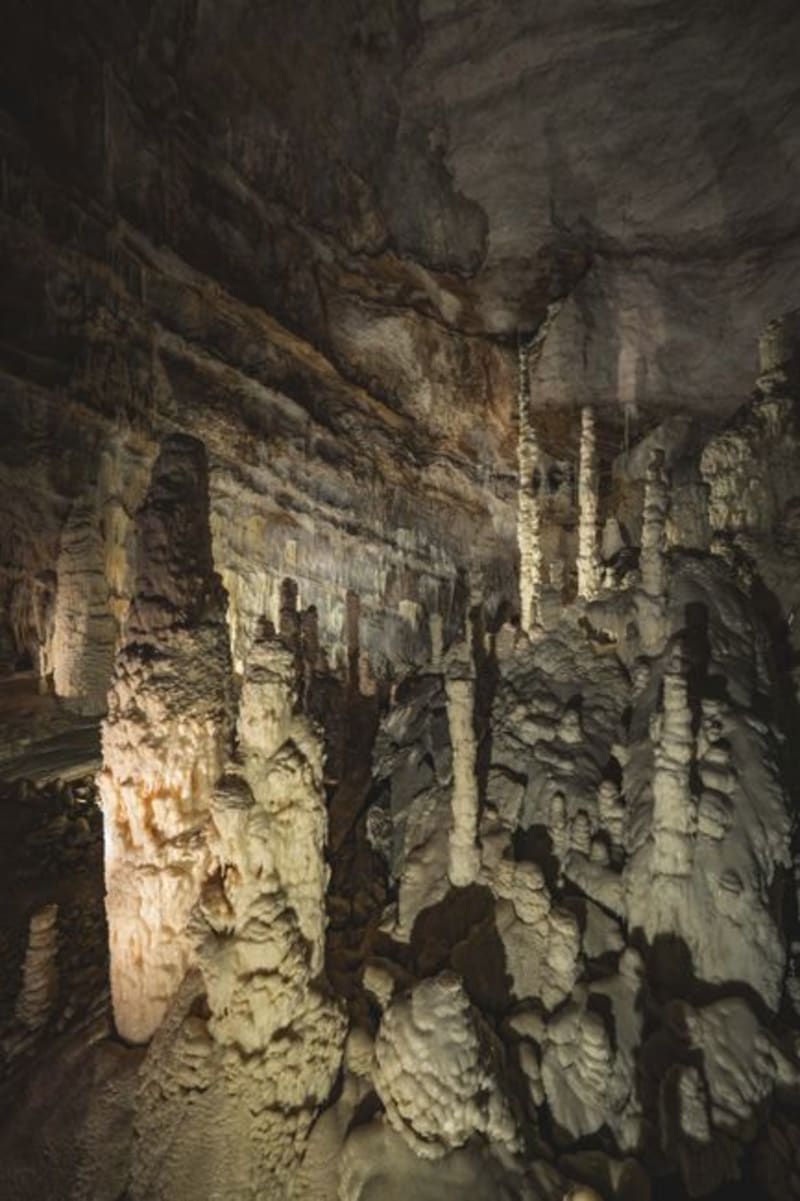 japan
japan Akiyoshidai
Japan's largest karst plateau, a rolling green grassland in Yamaguchi studded with white limestone teeth, and beneath it a vast cave threaded by an underground river. We walked the high grass in sun and then dropped into the cool dark below. Few places switch worlds so completely.
Explore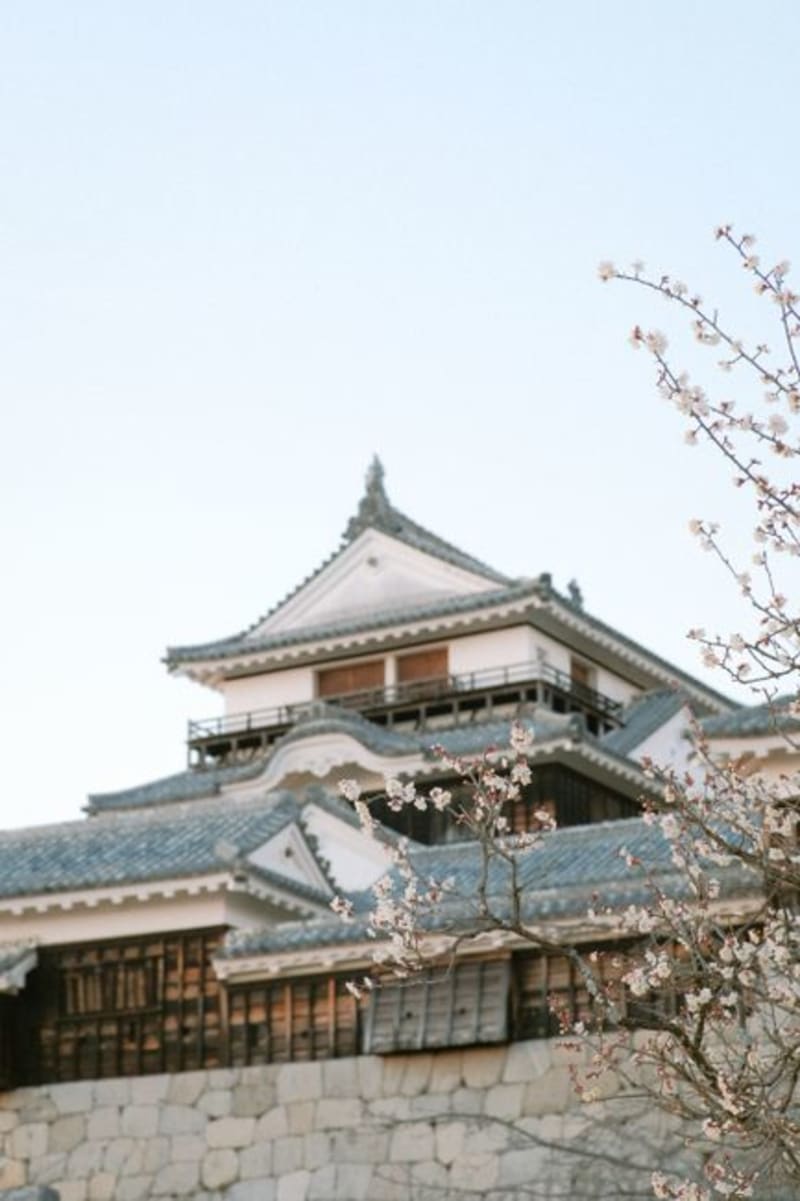 japan
japan Bitchū-Takahashi
A small mountain town in the folds of inland Okayama, crowned by the highest original castle in Japan. In autumn, the keep floats on a lake of morning cloud, and below it a samurai street and a stone-garden temple keep their quiet.
Explore japan
japan Mount Daisen
The great sacred mountain of Tottori, nicknamed the Hoki Fuji for the near-perfect cone it shows from the coast. Its lower slopes hide an ancient temple and a beech forest that turns molten in autumn, while the summit ridge crumbles into something wilder and more precarious than the postcards admit. We came to look at it and ended up walking into it.
Explore japan
japan Fukuyama
A workmanlike Hiroshima castle city that hides a softer heart of roses and a keep rebuilt stone by stone. Come for the fast-train convenience, stay for the slow ferry out to Tomonoura. Fukuyama is the door you almost walk straight through, until it makes you stop.
Explore japan
japan Hagi
A beautifully preserved former castle town on the remote Yamaguchi coast, where white-walled samurai streets run down to the sea. We came for the pottery and the quiet and left having stumbled into the small town that helped topple the shogunate and remake modern Japan.
Explore