Akiyoshidai
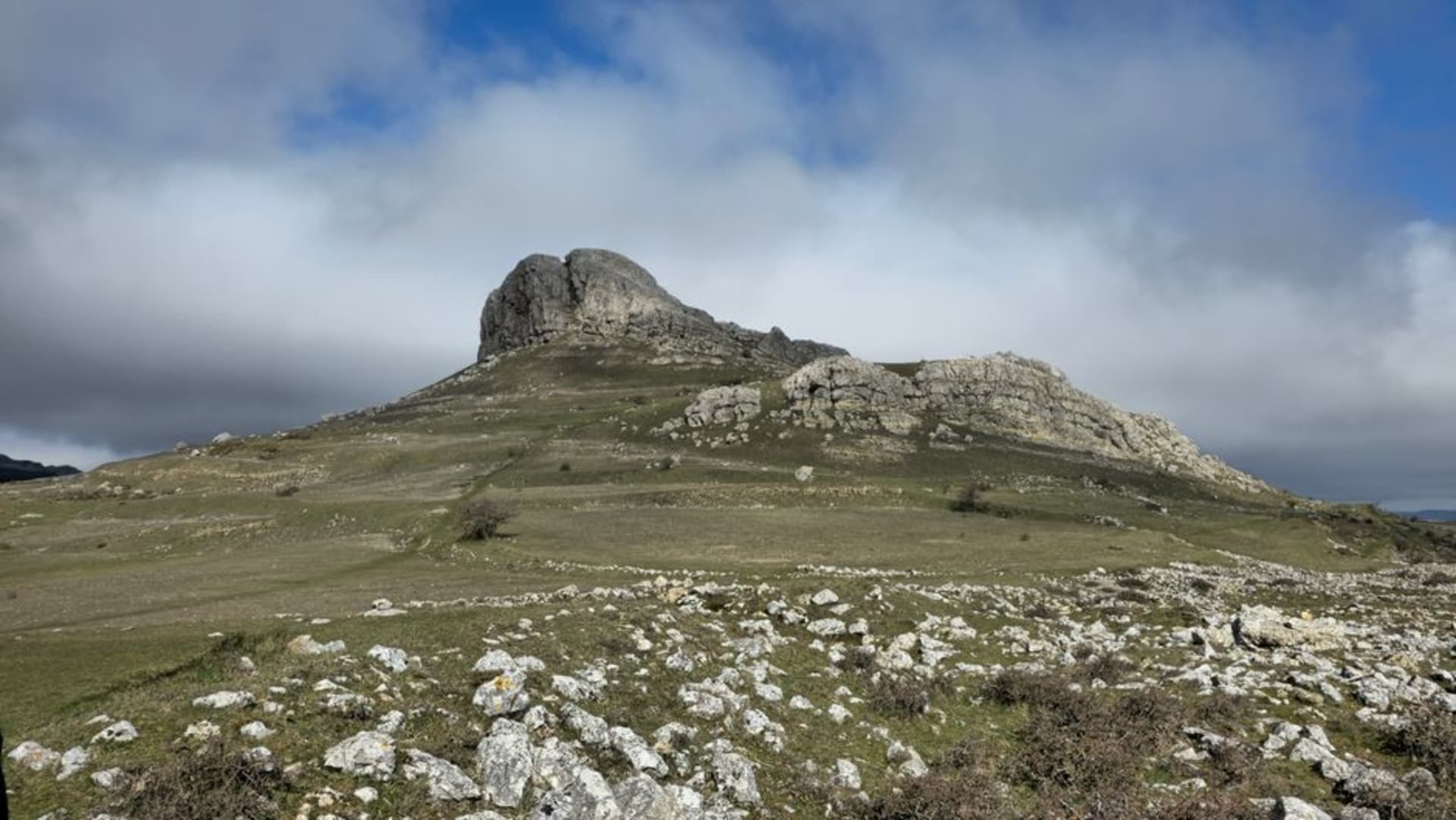
"Green hills poking with white stone above, and a river running through the dark below. Same place, two worlds."
Japan's largest karst plateau, a rolling green grassland in Yamaguchi studded with white limestone teeth, and beneath it a vast cave threaded by an underground river. We walked the high grass in sun and then dropped into the cool dark below. Few places switch worlds so completely.

The bus climbed out of the valley and the landscape simply changed. One moment we were in ordinary rural Yamaguchi, the next the world opened into a great rolling upland of green grass speckled all over with jagged white rocks, like a herd of pale animals grazing forever. Lia pressed her face to the window. Neither of us had seen anything quite like it in Japan — this open, treeless, wind-combed plateau where you could see for kilometres. And the strangest part, which we only fully grasped later, was standing there in the sun knowing that directly beneath our feet, hollowed into the same limestone, ran one of the largest caves in the country. Akiyoshidai is really two landscapes stacked on top of each other, and you get to visit both.
The Karst Plateau
Up top, Akiyoshidai is the biggest karst grassland in Japan, formed from an ancient coral reef lifted and weathered over millions of years, the white limestone pushing up through the turf in countless outcrops. Walking trails thread across it, and we took one that wound between the rocks with the wind bending the grass and skylarks somewhere overhead. There’s a marvellous plainness to it — no temples, no crowds, just an enormous sky and the pale stones and the sound of the wind. In autumn they burn the grasslands to keep the forest from reclaiming them, a tradition centuries old, and even in summer you sense the land is managed by an old rhythm. We found a high point, sat on a warm rock, and ate the rice balls we’d carried up, entirely alone with the view.

Into Akiyoshidō Cave
Then you go down. Akiyoshidō is the vast limestone cave beneath the plateau, and the descent into it is genuinely theatrical — from bright grassland into a cool, echoing underworld where an underground river runs through chambers on a scale that keeps making you say the word “huge” out loud. A lit path follows the water deep inside, past formations with names like the Hundred Plates, a series of rimstone pools terraced like rice paddies, and towering columns where mineral-laden water has built stone over unthinkable spans of time. The temperature holds steady and cool all year, a relief on a hot day, and the sound is all dripping and the rush of the river. Lia trailed her fingers in the water and said it felt like the inside of the earth breathing. It rather did.

The Whole Green Quiet
What I loved about Akiyoshidai was how far it sits from the usual Japan of neon and shrines and queues. This is deep Yamaguchi, the far western tip of Honshū, and it feels it — rural, unhurried, gloriously under-visited. Above ground there’s an observation platform where you can take in the sweep of the whole plateau at once, and we lingered there as the afternoon light went long and gold across the grass. It’s the kind of place where you find yourself talking more quietly and walking more slowly without deciding to. We’d come a long way to reach it, and standing on that platform with the wind and the white stones and the great green emptiness, I was certain the distance had been worth every minute.

Getting There
Akiyoshidai is in central Yamaguchi and takes some effort, which keeps it blissfully quiet. The usual approach is by bus: from Shin-Yamaguchi shinkansen station it’s roughly forty-five minutes to an hour to the Akiyoshidō area, with connections also possible from Yamaguchi city and Higashi-Hagi on the coast. The cave entrance and the plateau viewpoints are linked by local buses and walking paths, and renting a bicycle up top is a fine way to roam the grassland. Give it most of a day, bring layers for the cool of the cave, and don’t rush the plateau — the openness is the whole point.
Keep exploring
More of Chūgoku
Keep exploring
More from Chūgoku
 japan
japan Hagi
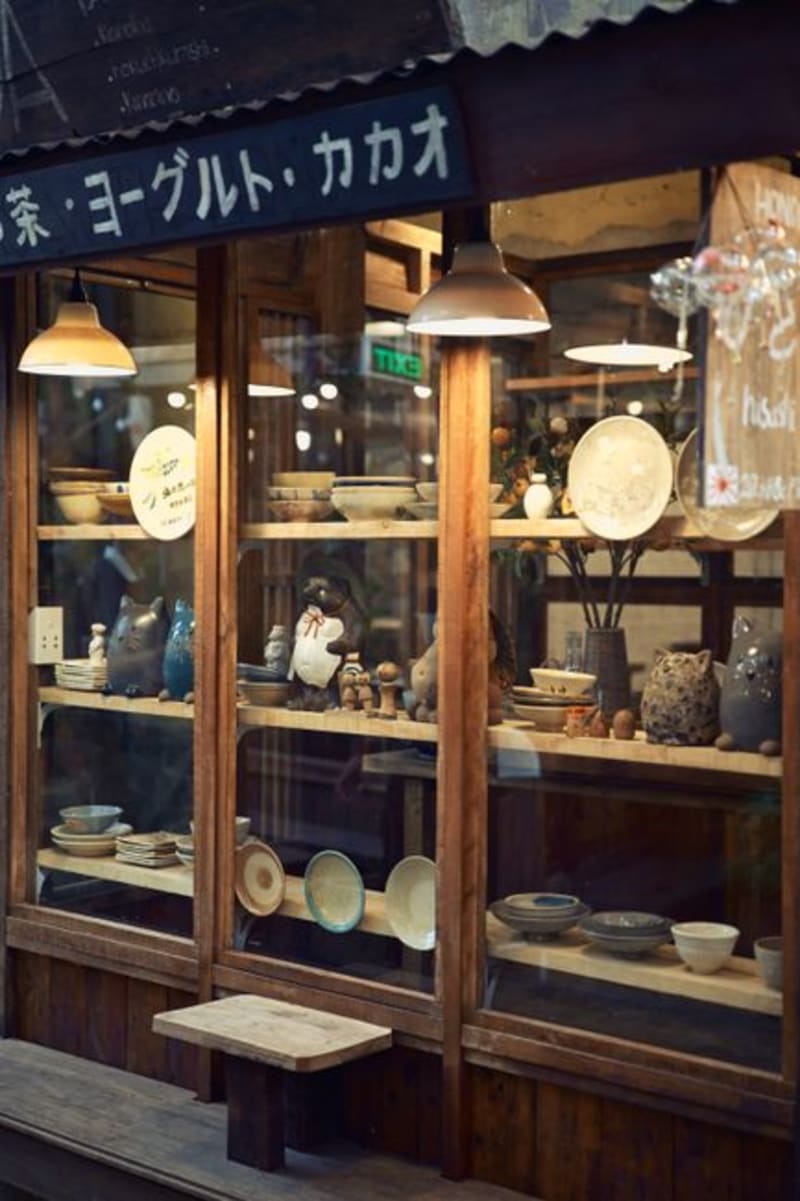
A beautifully preserved former castle town on the remote Yamaguchi coast, where white-walled samurai streets run down to the sea. We came for the pottery and the quiet and left having stumbled into the small town that helped topple the shogunate and remake modern Japan.
Explore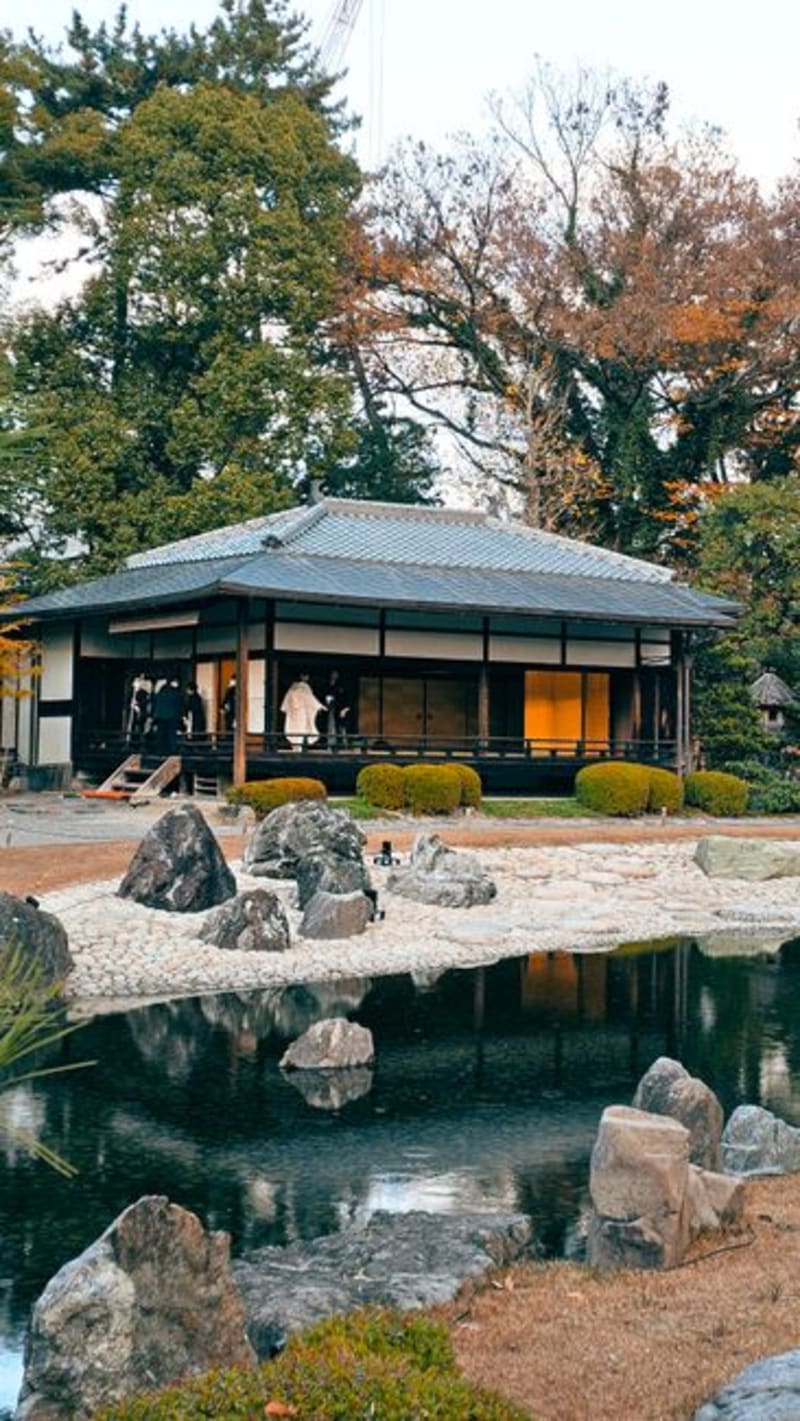 japan
japan Yamaguchi
A quietly refined city they once called the Kyoto of the West, where a five-storey pagoda stands reflected in a temple pond and history sits lightly on wide, walkable streets. A place that rewards slowness and asks nothing of you.
Explore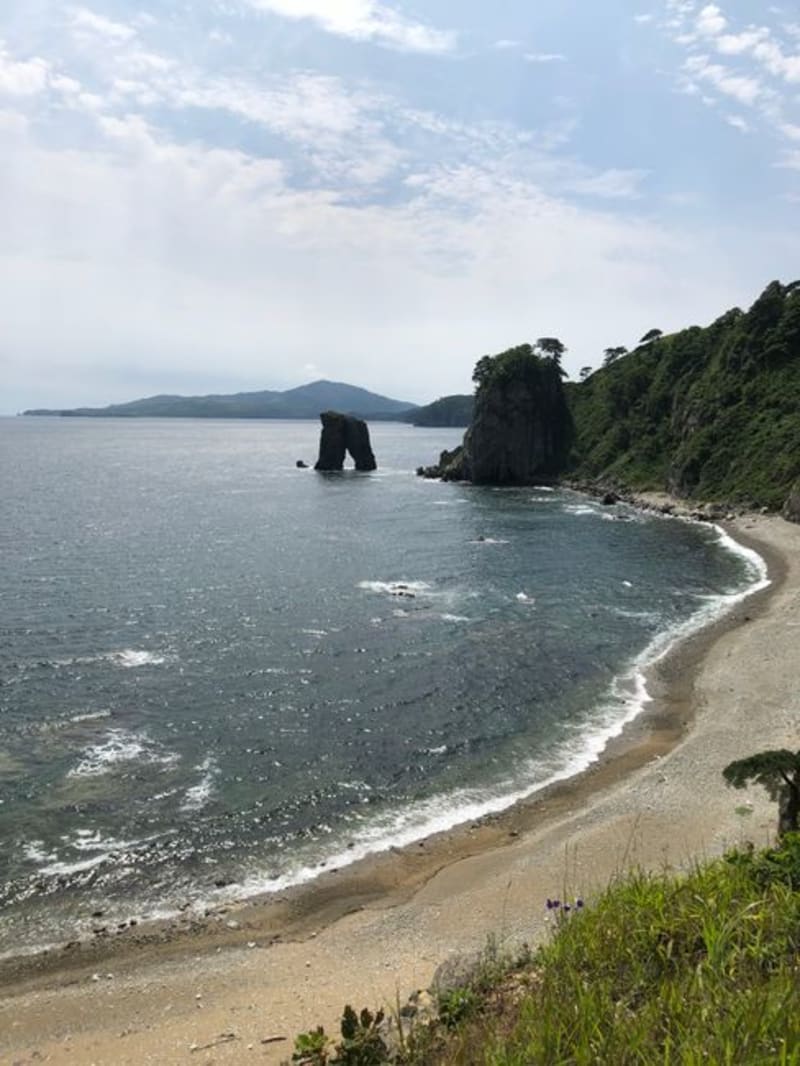 japan
japan Motonosumi
A stretch of the northern Yamaguchi coast where 123 vermilion torii gates spill down a green headland toward a churning blue sea. One of Japan's most photographed shrine walks, and yet somehow still wild at the edges, wind and spray and colour all at once.
Explore japan
japan Hofu
A modest Yamaguchi town that carries an outsized piece of history: the Hofu Tenmangu, said to be the very first shrine in Japan dedicated to Sugawara no Michizane, the scholar-god of learning. Add a serene old merchant garden and streets that feel unhurried to the point of drowsy, and Hofu becomes the kind of place travellers rush past and shouldn't. We nearly did. I'm glad we didn't.
Explore japan
japan Tsunoshima
A small island off the northern tip of Yamaguchi, reached by a bridge that arcs low across water so improbably emerald it looks retouched. The kind of place you drive to just for the crossing, and stay for the empty white beaches at the far end.
Explore japan
japan Tsuwano
The 'little Kyoto of the San-in' — a white-walled old street tucked in a mountain valley in western Shimane, where fat koi carp swim in the roadside canals and a tunnel of a thousand red torii climbs the hillside to Taikodani Inari shrine.
Explore