Yamaguchi
"It calls itself the Kyoto of the West, and for once the boast felt like an understatement, not a stretch."
A quietly refined city they once called the Kyoto of the West, where a five-storey pagoda stands reflected in a temple pond and history sits lightly on wide, walkable streets. A place that rewards slowness and asks nothing of you.

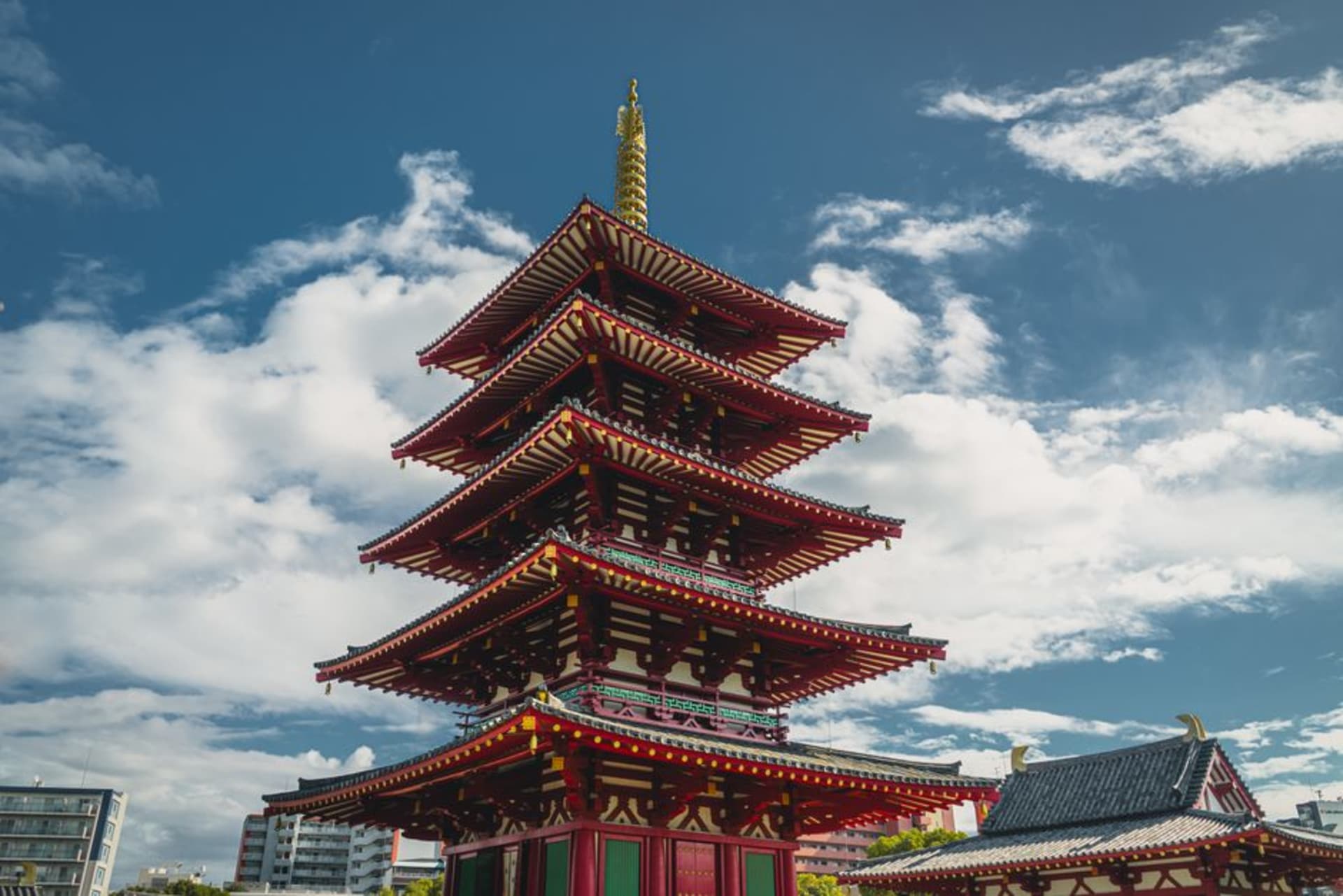
I’ll admit we came to Yamaguchi almost by accident — it was a place to break the journey west, a name on the map between bigger things. So neither of us was prepared for the pagoda. We walked up to Rurikoji temple in the low gold light of late afternoon, turned a corner past a hedge, and there it was: a five-storey wooden pagoda from 1442, black-timbered and perfectly proportioned, standing over a still pond that held its whole reflection. Lia actually stopped talking, which if you know her is the highest form of praise. We sat on a bench and just watched it for half an hour as the light moved. It’s counted among Japan’s three finest pagodas, and I’d argue for first.
Rurikoji and the pond that holds it
The Rurikoji pagoda is the sort of thing that reorders your sense of a place. Up close the joinery is astonishing — five centuries of typhoons and it hasn’t so much as leaned. What makes it, though, is the setting: no ticket booth crowding it, no crush of tour groups, just a garden, a pond, and a few locals walking dogs at dusk. We came back the next morning to find it wrapped in mist, the top storey dissolving into grey, and it was somehow even better. There’s a small museum on the grounds explaining the medieval Ouchi clan who built it — the lords who made this remote city, for a brief brilliant century, one of the richest and most cultured in all Japan. They modelled it on Kyoto. That ambition is still legible in the streets.

Xavier, and a very unexpected cathedral
Yamaguchi’s other surprise is Christian. Francis Xavier, the Jesuit missionary, preached here in 1550, and the city has never forgotten it — there’s a strikingly modern memorial cathedral on a hill, two pale concrete towers you can see from much of town, built for the 400th anniversary. We climbed up to it more out of curiosity than faith, and found the interior all coloured light and clean silence, a genuinely beautiful piece of 1990s architecture. Lia, raised Catholic and long lapsed, sat in a pew longer than she’d admit to. It’s a strange and lovely thing to find in a small Japanese city — this thread of European history running quietly alongside the temples, neither cancelling the other out.

Soak at Yuda, eat where the students eat
We slept out at Yuda Onsen, the hot-spring district a short ride from the centre, whose mascot is a white fox said to have revealed the healing water — you’ll see the fox everywhere, on manhole covers, on sake bottles, on a giant statue by the station. The water is clear and hot and unfussy, and after a day of walking it was exactly right. For dinner we went back into the city and found, on a recommendation, a counter place serving Yamaguchi’s own kawara soba — green tea noodles griddled crisp on a hot roof tile, topped with beef and egg. It sounds like a gimmick and eats like a revelation, the bottom noodles going golden and chewy against the tile. We ordered a second round. Lia, who rations praise for food, called it one of the best things she ate in Japan.
Getting There
Yamaguchi city is easy to slot into a westward journey. The Shinkansen stops at Shin-Yamaguchi station, about 40 minutes from Hiroshima or two hours from Osaka; from there the local JR Yamaguchi line runs into the city centre in around 25 minutes. Yuda Onsen has its own station one stop before. Everything worth seeing — Rurikoji, the cathedral, the old streets — is walkable or a short bus ride, so leave the car. If you can, time it for a weekday: the pagoda is at its best with almost no one else there.
Keep exploring
More of Chūgoku
Keep exploring
More from Chūgoku
 japan
japan Hofu
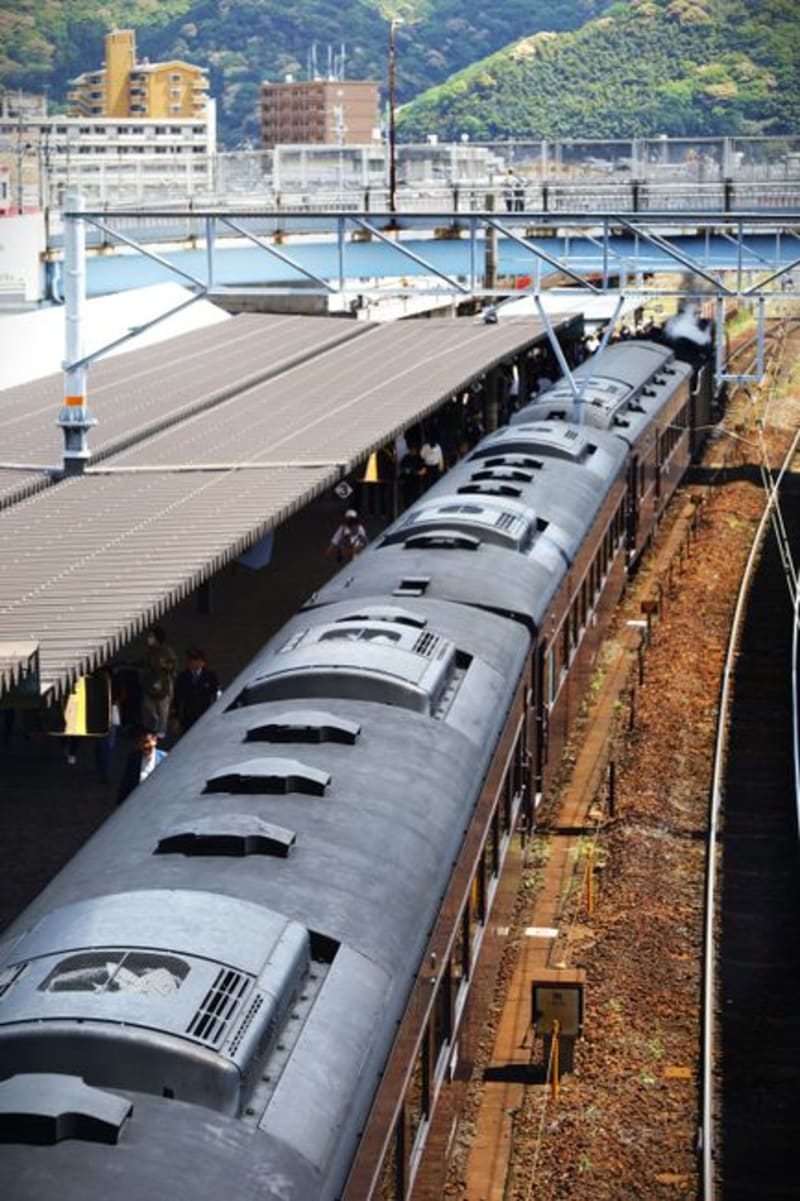
A modest Yamaguchi town that carries an outsized piece of history: the Hofu Tenmangu, said to be the very first shrine in Japan dedicated to Sugawara no Michizane, the scholar-god of learning. Add a serene old merchant garden and streets that feel unhurried to the point of drowsy, and Hofu becomes the kind of place travellers rush past and shouldn't. We nearly did. I'm glad we didn't.
Explore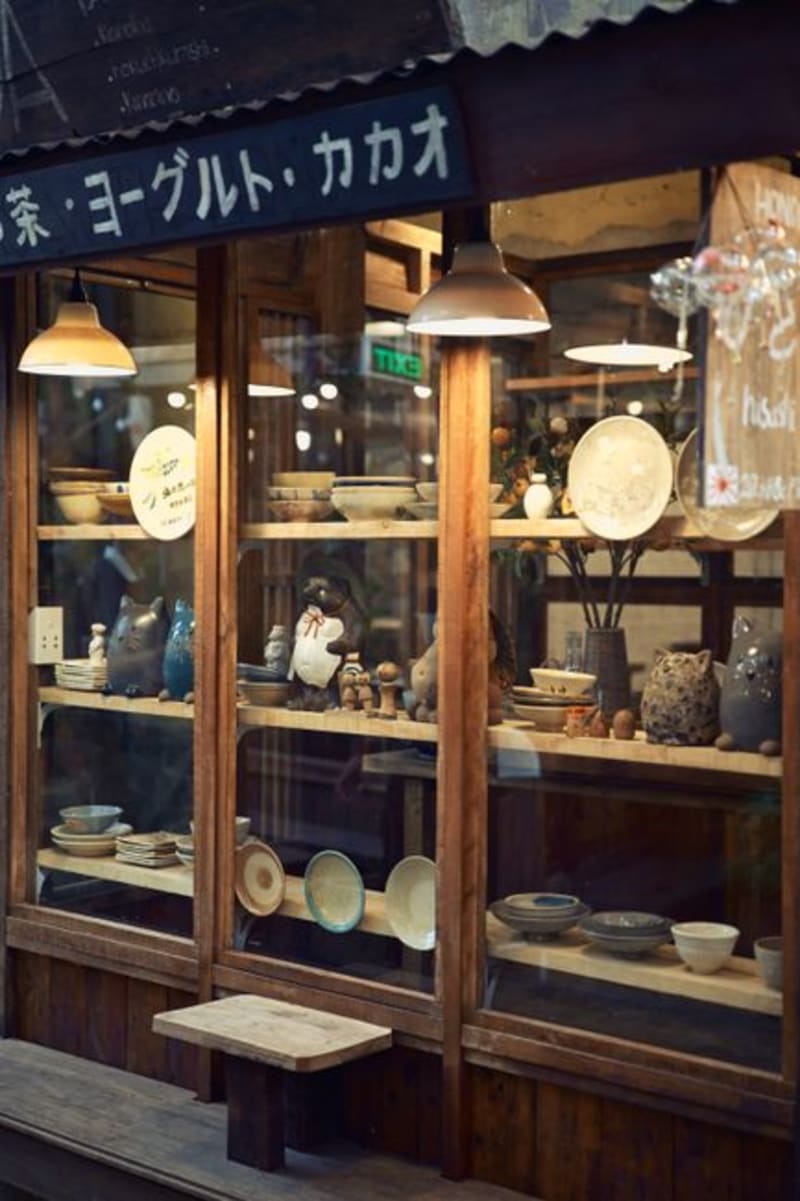 japan
japan Hagi
A beautifully preserved former castle town on the remote Yamaguchi coast, where white-walled samurai streets run down to the sea. We came for the pottery and the quiet and left having stumbled into the small town that helped topple the shogunate and remake modern Japan.
Explore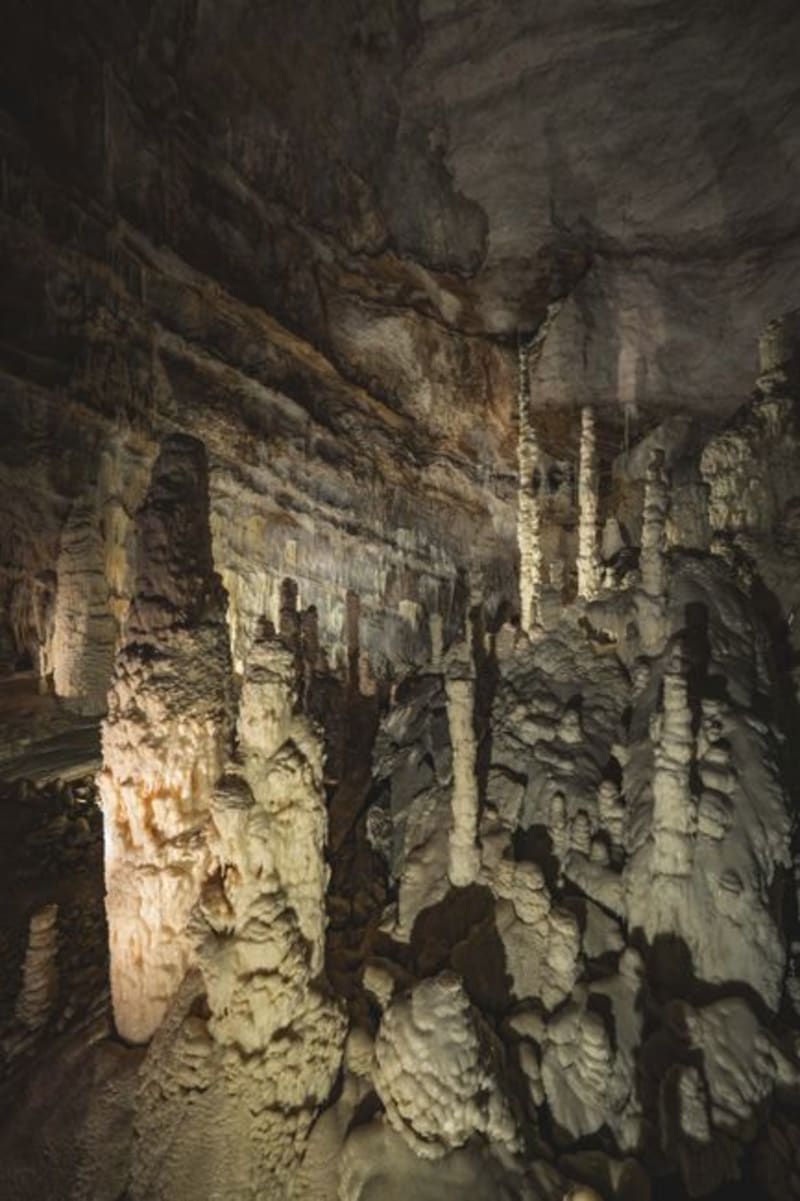 japan
japan Akiyoshidai
Japan's largest karst plateau, a rolling green grassland in Yamaguchi studded with white limestone teeth, and beneath it a vast cave threaded by an underground river. We walked the high grass in sun and then dropped into the cool dark below. Few places switch worlds so completely.
Explore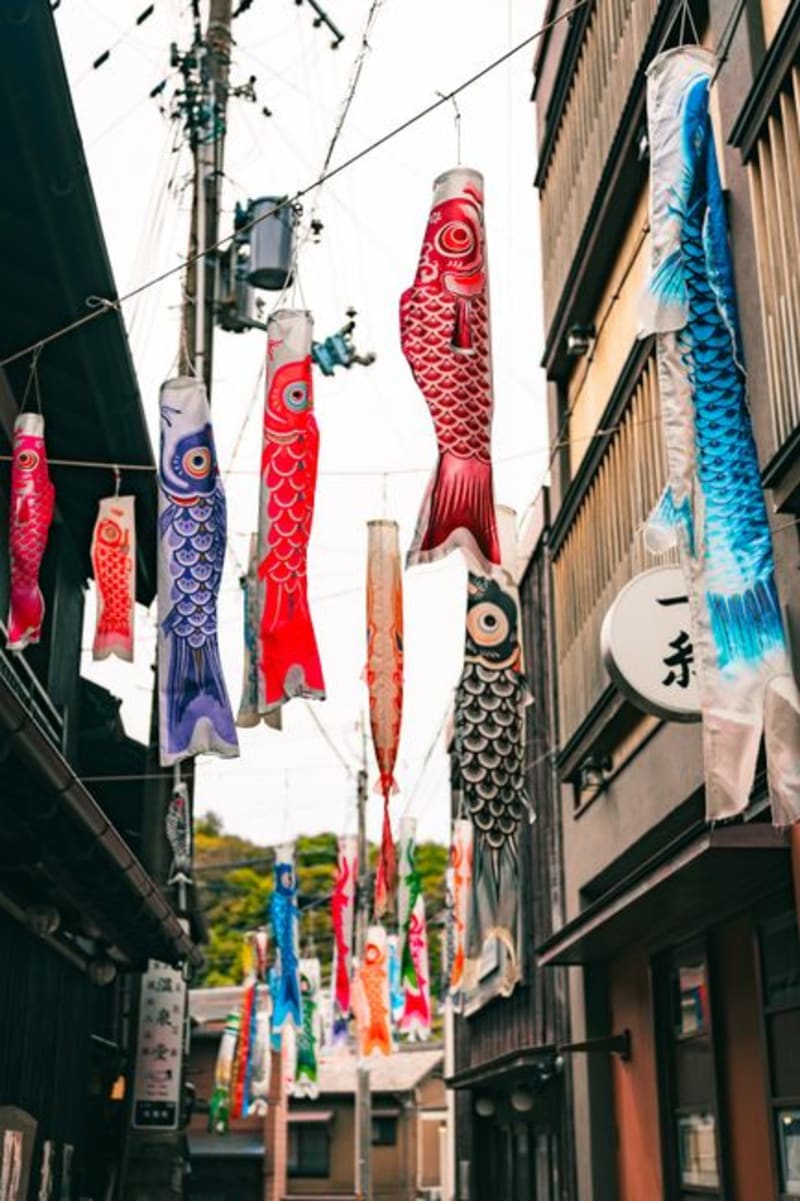 japan
japan Tsuwano
The 'little Kyoto of the San-in' — a white-walled old street tucked in a mountain valley in western Shimane, where fat koi carp swim in the roadside canals and a tunnel of a thousand red torii climbs the hillside to Taikodani Inari shrine.
Explore japan
japan Motonosumi
A stretch of the northern Yamaguchi coast where 123 vermilion torii gates spill down a green headland toward a churning blue sea. One of Japan's most photographed shrine walks, and yet somehow still wild at the edges, wind and spray and colour all at once.
Explore japan
japan Iwakuni
A Yamaguchi town where five wooden arches leap the Nishiki river in a single graceful line, and a small white castle keeps watch from the hill above. Cherry trees crowd the banks, the water runs clear over pale stones, and the whole scene looks composed rather than built.
Explore