
Yamoussoukro
"A basilica bigger than St. Peter's in the middle of the savanna — Houphouët-Boigny was not a man who thought small."
A planned capital of empty boulevards and the world's largest basilica, where sacred ibis outnumber tourists and the silence is almost Vatican-scaled.

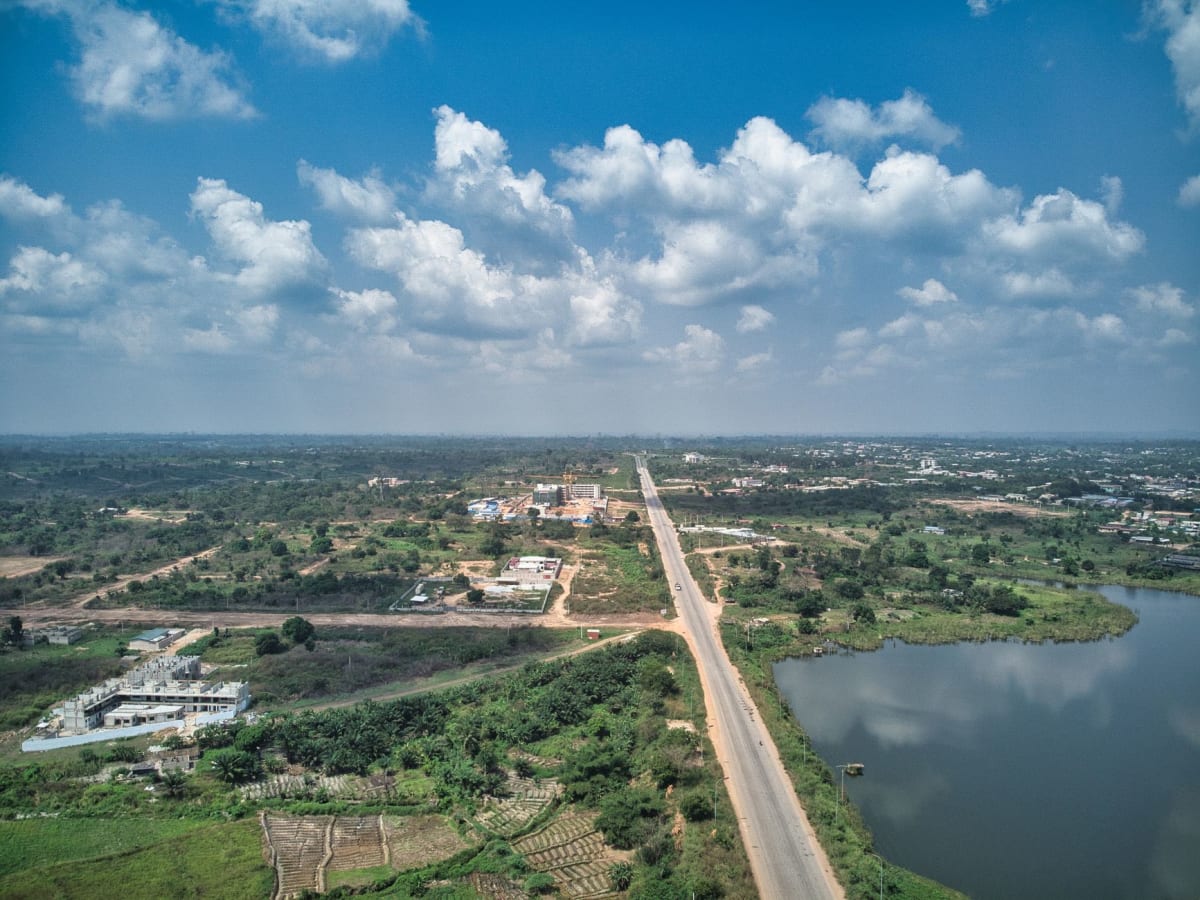
The road from Abidjan to Yamoussoukro is four hours of good tarmac cutting through palm oil plantations and secondary forest, and the arrival is deliberately disorienting. One minute you are on a two-lane road through market towns where goats cross at will. The next, you are on a six-lane boulevard with no traffic, lined with streetlights that burn all day and all night regardless, and the dome of the Basilica of Our Lady of Peace rising above everything like a geographical impossibility. Félix Houphouët-Boigny, Ivory Coast’s founding president, built his hometown into the official capital in the 1980s, importing the infrastructure of a major city into a place that didn’t quite have the population to fill it. The result is one of the most surreal urban landscapes on the continent.
The Basilica is the centerpiece and it earns every description thrown at it. Completed in 1989, it holds the Guinness record for the largest church in the world — the dome is higher than St. Peter’s in Rome, and the esplanade can hold ten thousand people without crowding. I visited on a Tuesday when I was one of perhaps twelve visitors, and the scale stopped me at the entrance. The stained glass windows — imported from France, all 7,400 square meters of them — fill the interior with a blue-gold light that feels genuinely sacred, whatever your relationship with the institution. Sacred ibis moved in unhurried groups across the marble esplanade outside. I watched them for longer than made sense.
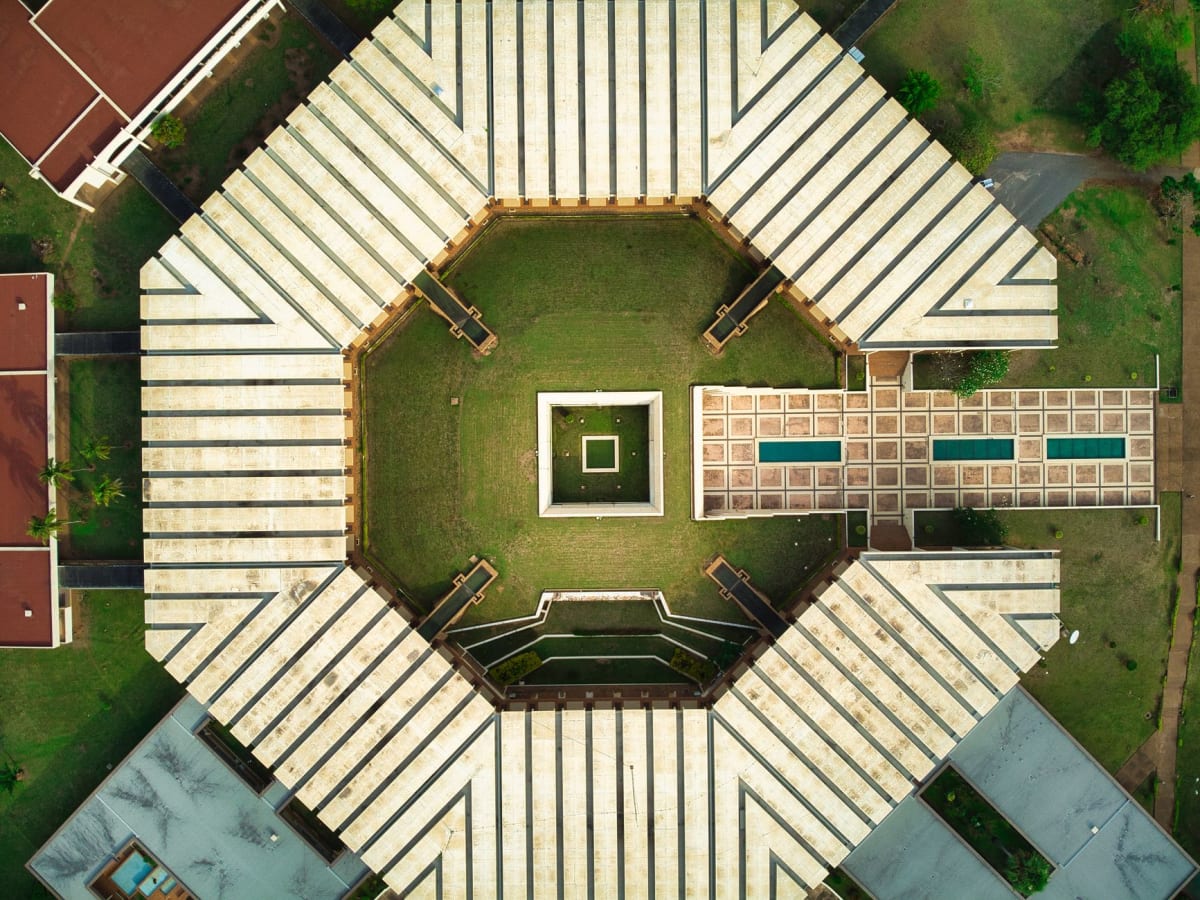
Behind the Presidential Palace — Houphouët-Boigny’s formal residence, still guarded, still used for state visits — there is a man-made lake where Nile crocodiles are fed live chickens each afternoon in a ceremony that has become, against all logic, a tourist attraction. The palace was built on the site of the president’s ancestral home and the crocodiles are considered sacred, linked to his lineage by tradition going back to before the colonial era. Watching an old crocodile emerge from greenish water to accept a chicken from a keeper while a handful of visitors took photographs with their phones felt like a very compressed version of the contradictions this city contains.
The town itself — the actual town, beyond the government infrastructure — is modest and functional, with a busy market, roadside grills turning out brochettes and alloco, and a university that keeps some energy in the streets. The wide boulevards are mostly empty but the side roads have the ordinary life of any medium-sized Ivorian city: motorbike-taxis, women selling bissap juice from plastic jerricans, tailors working under outdoor lights in the evening.
When to go: Yamoussoukro is a year-round destination in the sense that the Basilica is always there. The dry season (November–February) is more comfortable for exploring the outdoor spaces. The crocodile feeding happens daily in the late afternoon — check local timing on arrival as schedules shift.
Keep exploring
More from Ivory Coast
 ivory-coast
 Abidjan Plateau
The glass-and-steel heart of West Africa's most ambitious city, where the BCEAO tower reflects in a lagoon that cuts through everything and nobody moves slowly.
Explore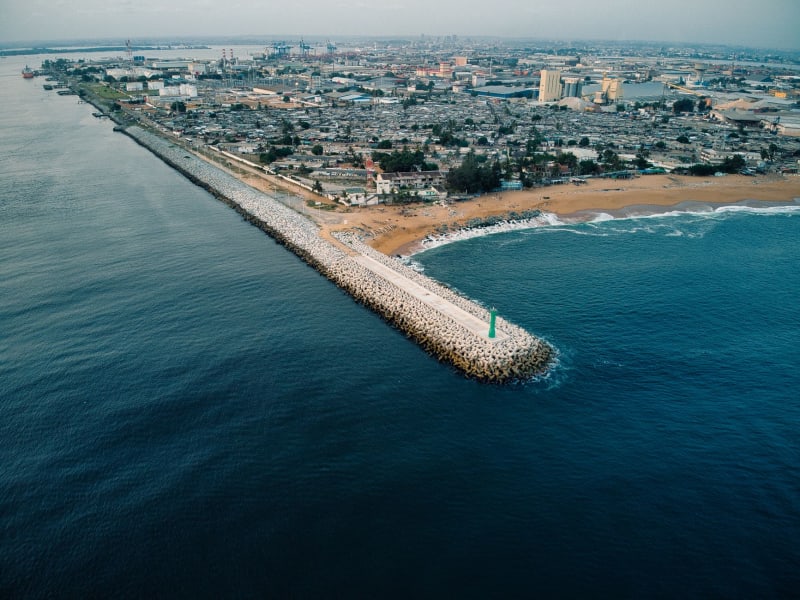 ivory-coast
 Assinie
A sliver of Atlantic coastline squeezed between lagoon and ocean where Abidjan unwinds on weekends and the coconut palms haven't made way for concrete yet.
Explore ivory-coast
 Bouaké
Ivory Coast's second city: a Dioula trading hub where the fabric market hasn't slept since independence and the street food operates twenty-four hours.
Explore ivory-coast
 Comoé National Park
A vast and almost forgotten savanna in the country's far northeast, where the Comoé River draws elephants, chimps, and hippos back to land that nearly lost them.
Explore ivory-coast
 Grand-Bassam
Ivory Coast's crumbling colonial ghost town, where ochre facades meet fishing pirogues and UNESCO designation hasn't killed the weekend energy.
Explore ivory-coast
 Grand-Lahou
A ghost town of crumbling colonial ruins on a shrinking sandbar, where the Bandama River gives itself to the Atlantic.
Explore