
Korhogo
"The cloth from Korhogo is unmistakable — black figures on cream cotton that look like they were painted by someone who dreamed the design first."
The Senufo heartland where hand-painted mud cloth and bronze casting traditions survive in working artisan villages just outside a dusty northern city.

The north of Ivory Coast is savanna country — flat, dry, the harmattan dust settling on everything by December, the mangoes coming in from Mali on trucks that stop in Korhogo for fuel and drivers sleeping under their vehicles. I arrived by overnight bus from Abidjan, which deposits you at a gare routière that is already fully operational at five in the morning: motorbike-taxis idling, women with trays of hard-boiled eggs and groundnuts, men in long boubous walking fast toward the mosque for fajr prayer. Korhogo is a Senufo city, and the Senufo have maintained an artistic tradition that is both genuinely ancient and genuinely alive — this is not a heritage museum situation. The cloth and bronze and wood coming out of the villages around the city are being made now, for use and for sale, by people who learned the techniques from their parents and grandparents.
The village of Fakaha, about twenty kilometers from the city center on a laterite track, is where the toile de Korhogo is made. The cloth — thick hand-woven cotton painted in black pigment extracted from plants — carries geometric and figurative designs specific to the Senufo visual vocabulary: antelopes, lizards, hunters, ceremonial masks. The workshops there are open, unhurried affairs where weavers work floor looms and painters apply designs with cut-reed brushes, and where visitors are shown the process without theater or performance. I watched a painter work for an hour, and the concentration involved was total: each stroke applied from memory, each figure repeated with slight variations that I gradually understood were intentional.

The bronze casters work in a compound near the central market where the heat from the furnaces is a physical thing you walk into. The lost-wax process used here is essentially unchanged from the technique that produced the bronze weights and figurines now sitting in European museums: wax model, clay mold, liquid bronze poured in. What comes out are small figures — animals, riders, hunters — that have a weight and density that no tourist reproduction has ever quite captured. The market itself is enormous and covers everything from motorcycle parts to live chickens, but the artisan section near the northwest corner has the bronze figures alongside iron amulets, calabash instruments, and masks from various traditions.
The bush around Korhogo — flat savanna with scattered shea butter trees and the occasional baobab — rewards early-morning walks when the light is gold and flat and you can see the termite mounds casting long shadows. The Poro sacred forest, where Senufo male initiation ceremonies take place, is closed to outsiders, and the entry prohibition is taken seriously. This is not a curiosity — it is an active religious space, and the boundary is appropriate.

When to go: November through February is the most comfortable period in the north — dry, with cool nights and manageable daytime temperatures. The mango season from March to May brings a different energy to the market. Avoid June through September when the rains soften the laterite roads to the artisan villages.
Keep exploring
More from Ivory Coast
 ivory-coast
 Man
A mountain town in Ivory Coast's forested west where fog clings to the Dents de Man and the weekly market belongs entirely to the Yacouba people.
Explore ivory-coast
 Odienné
A dusty, proud Malinké capital in the far northwest, where savanna hills remember a kingdom that never fully bowed to the French.
Explore ivory-coast
 San Pedro
Ivory Coast's second port hums with cacao and timber money, rough maritime energy, and seafood that tastes like it arrived this morning because it did.
Explore ivory-coast
 Sassandra
A drowsy colonial port at the mouth of a wide river where time moves at the speed of a fishing pirogue and the beaches to the west remain magnificently unbuilt.
Explore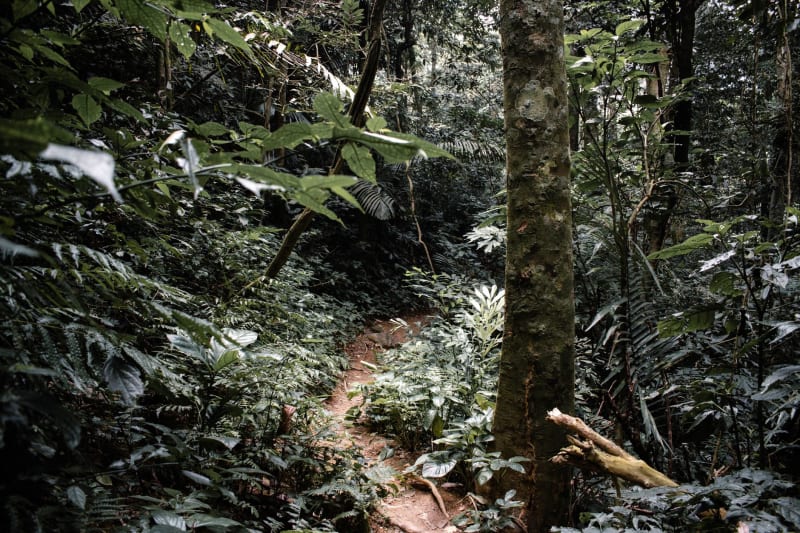 ivory-coast
 Taï National Park
One of the last intact Upper Guinea rainforests on Earth, where habituated chimpanzees move through a darkness so complete it makes you understand what we have already lost.
Explore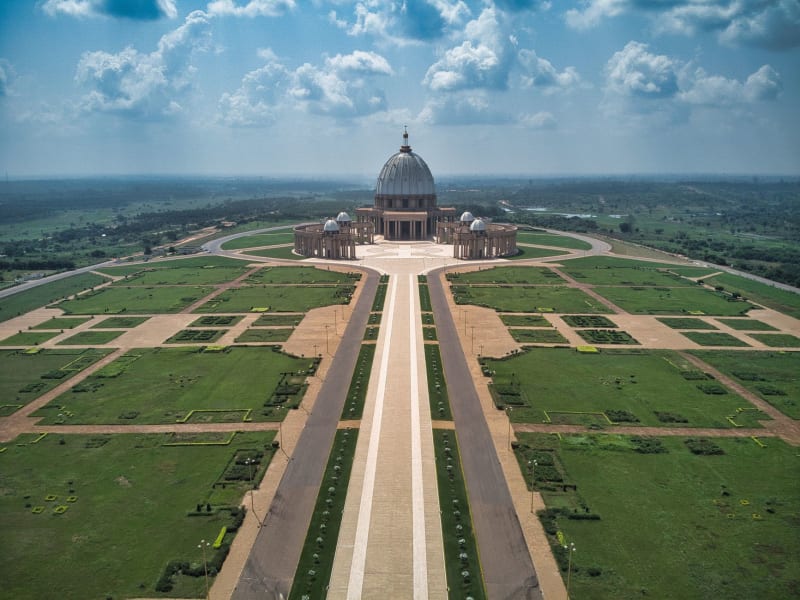 ivory-coast
 Yamoussoukro
A planned capital of empty boulevards and the world's largest basilica, where sacred ibis outnumber tourists and the silence is almost Vatican-scaled.
Explore