A ghost town of crumbling colonial ruins on a shrinking sandbar, where the Bandama River gives itself to the Atlantic.
I almost didn’t make it to Grand-Lahou. We’d been island-hopping between lagoon villages south of Abidjan for a few days, and everyone we asked gave us a different reason not to bother — too far, too hot, nothing left to see. Lia found one line in an old French colonial gazetteer that mentioned it used to be an administrative post before Bingerville took over, and that was enough to convince us. We hired a pirogue at dawn from a fishing camp whose name I never caught, and an hour later the boatman cut the engine and just pointed. That’s when I understood what “nothing left to see” actually meant.
Vieux Lahou sits on a sliver of sand between the lagoon and the ocean, and the ocean is winning. Whole streets of the old colonial village have simply vanished into the water over the decades — coastal erosion here isn’t a slow abstract threat, it’s a visible, ongoing event. We waded past a church tower standing alone in the surf, half its base already gone, and a row of colonnaded trading-house facades leaning at angles that no engineer would sign off on. Lia kept saying it felt like walking through a photograph someone had left out in the rain too long.
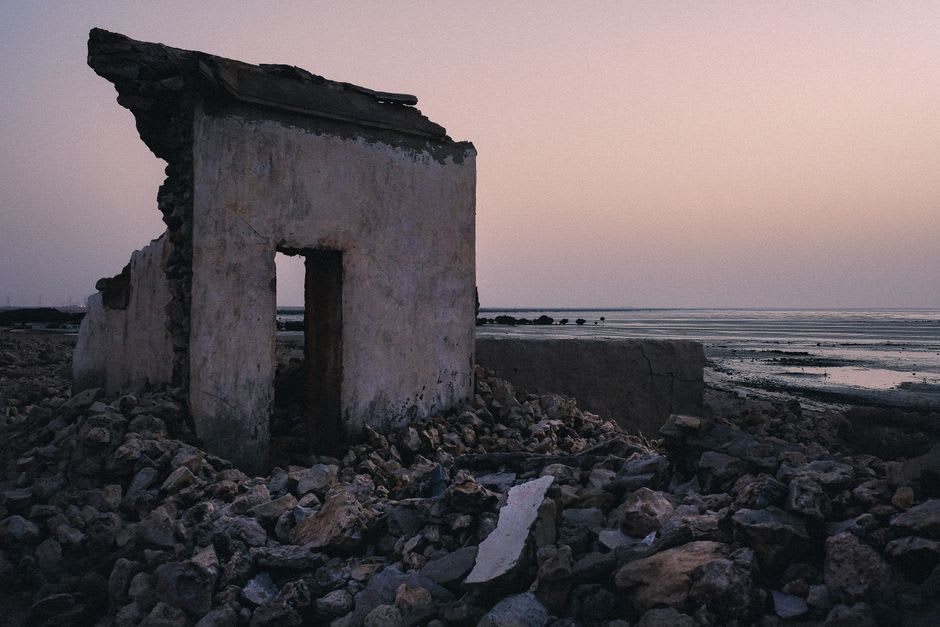
What struck me most wasn’t the ruin itself but the life still folded into it. Fishing families work the brackish estuary where the Bandama meets the sea, and their nets, drying on stakes between the crumbling walls, gave the whole scene a strange dignity — this wasn’t an abandoned museum, it was a working shoreline that happened to have a ghost town attached. We ate grilled captain fish with a family who’d set up a small cooking fire near what used to be the old customs house, and the woman running it told us her grandmother remembered when the water was still a proper walk from the front step.
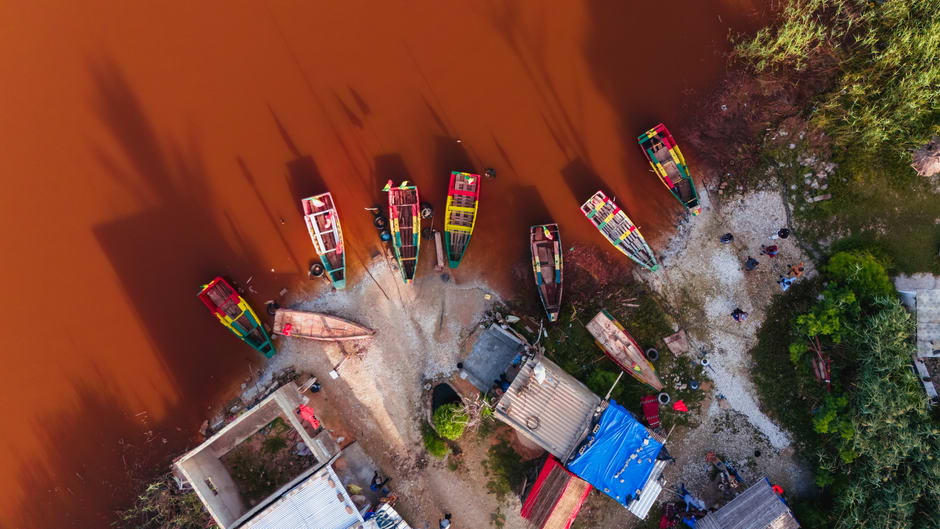
We spent the late afternoon just sitting on what was left of a stone jetty, watching the lagoon go glassy and pink as the light dropped, egrets stitching low across the water toward the mangroves. It’s one of those places that doesn’t try to sell itself to you — it just quietly insists on being witnessed before it disappears completely, and I found that harder to shake than any postcard-perfect beach we’d seen all trip.
When to go: We went in February and were glad for it — the dry season, roughly December through March, is when the lagoon stays calm enough for the pirogue crossing, and I wouldn’t attempt it otherwise.
Keep exploring
More from Ivory Coast
 ivory-coast
 Korhogo
The Senufo heartland where hand-painted mud cloth and bronze casting traditions survive in working artisan villages just outside a dusty northern city.
Explore ivory-coast
 Man
A mountain town in Ivory Coast's forested west where fog clings to the Dents de Man and the weekly market belongs entirely to the Yacouba people.
Explore ivory-coast
 Odienné
A dusty, proud Malinké capital in the far northwest, where savanna hills remember a kingdom that never fully bowed to the French.
Explore ivory-coast
 San Pedro
Ivory Coast's second port hums with cacao and timber money, rough maritime energy, and seafood that tastes like it arrived this morning because it did.
Explore ivory-coast
 Sassandra
A drowsy colonial port at the mouth of a wide river where time moves at the speed of a fishing pirogue and the beaches to the west remain magnificently unbuilt.
Explore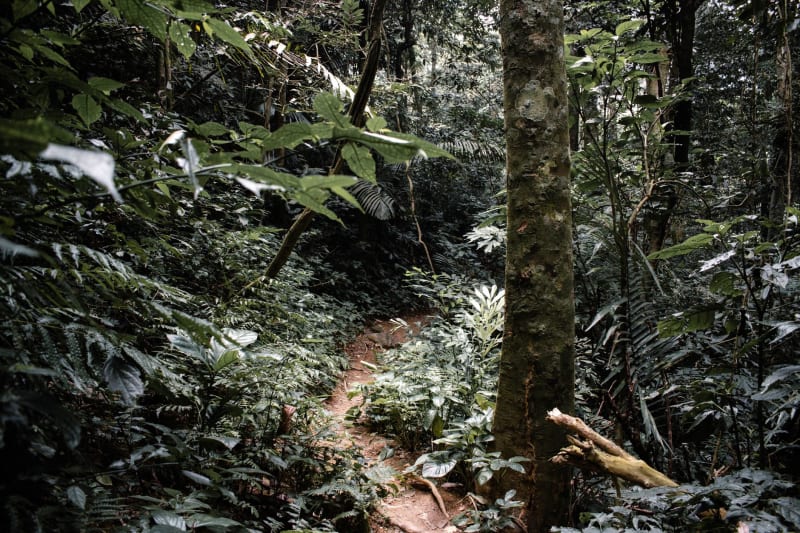 ivory-coast
 Taï National Park
One of the last intact Upper Guinea rainforests on Earth, where habituated chimpanzees move through a darkness so complete it makes you understand what we have already lost.
Explore