
A working fishing port with a Leonardo da Vinci-designed canal running straight through its heart — the Adriatic at its most unpretentious.

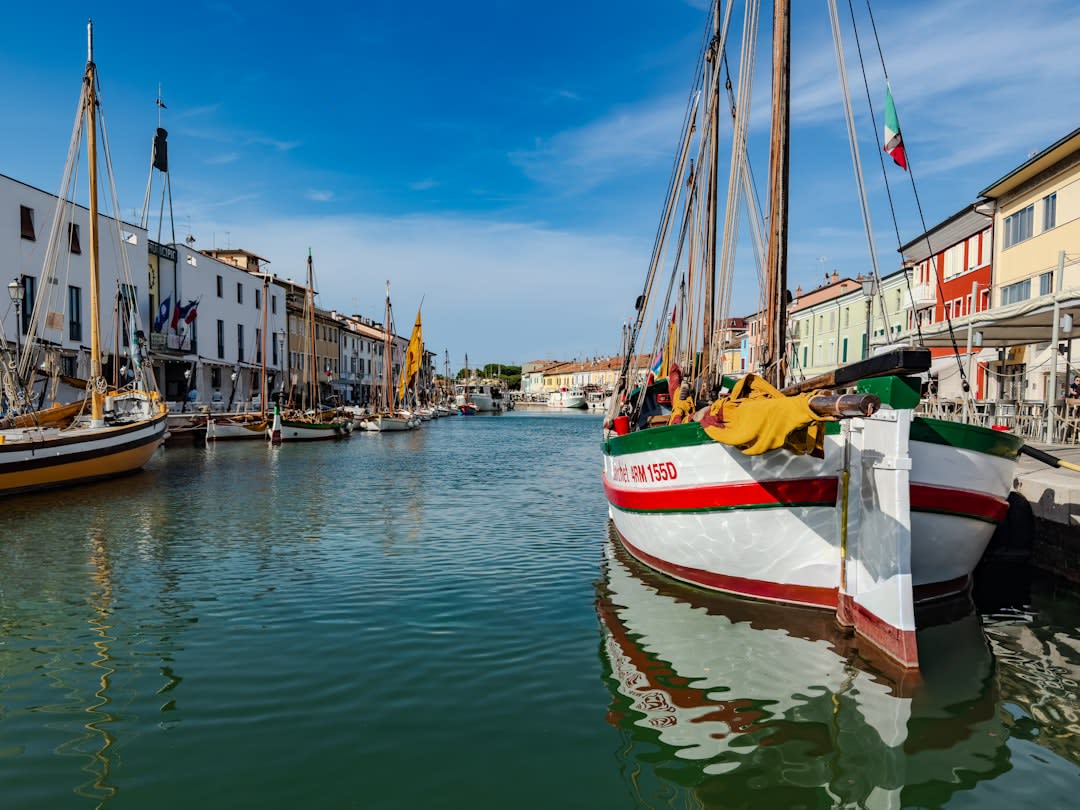
Cesenatico is the kind of place I stumbled into almost by accident, driving up the coast from Rimini looking for lunch, and ended up staying for two days. It’s a small fishing town on the Adriatic, less polished than its bigger neighbors, and its centerpiece is a canal port that runs directly through the middle of town — not decorative, not touristic in origin, but a real working harbor still lined with fishing boats.
What makes the Porto Canale genuinely remarkable is that Leonardo da Vinci himself designed it. In 1502, working for Cesare Borgia as a military engineer, Leonardo surveyed the Romagna coast and drew up plans to fortify and improve the port at Cesenatico — his original sketches, held today in the Royal Library at Windsor, show the canal essentially as it still exists. Standing on the swing bridge at the harbor mouth, watching a fishing boat chug in past the old lighthouse with gulls wheeling overhead, I found it strange and wonderful that this working-class fishing town has a five-hundred-year-old engineering pedigree that most tourists sail right past.
The Floating Fleet Museum
Moored permanently along a stretch of the canal is the Museo della Marineria, an open-air maritime museum where restored traditional bragozzi and trabaccoli — flat-bottomed sailing boats once used across the northern Adriatic, each painted in loud, specific colors and patterns that functioned as a kind of family signature — float at their docks as if still in use. On the first and third Sunday of the month volunteers actually hoist the sails, and the canal fills with a wash of red, ochre, and blue canvas against the water. I happened to catch one of those Sundays entirely by luck and stood on the bridge for far longer than I meant to.
Fish Straight Off the Boat
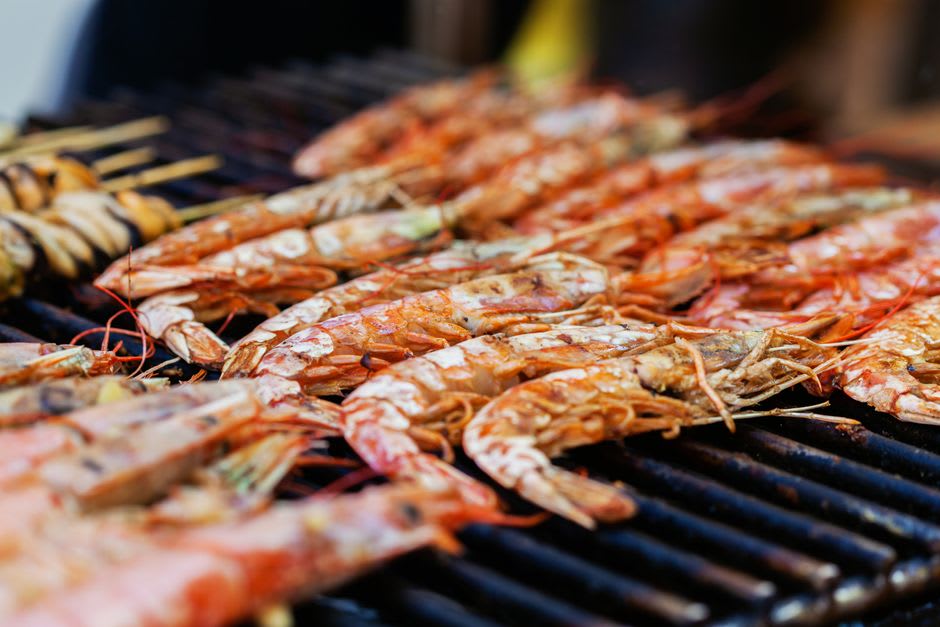
This is not a place for elaborate dining — it’s a place for grilled fish so fresh it barely needed the fire. Along the canal, small trattorie serve the day’s catch: grilled sardines, fried calamaretti, brodetto (the local Adriatic fish stew, thick with tomato and a dozen varieties of small fish and shellfish depending on what came in that morning). I ate at a plastic table two meters from the water, watching the same boats that had supplied my dinner tie up for the night, and it was one of the simplest, best meals I had in Emilia-Romagna.
When to go: Late June through early September for beach weather, but try to time a visit to a first-or-third Sunday for the Museo della Marineria’s sail-hoisting — it’s worth building the trip around.
Keep exploring
More from Italy
 italy
Chioggia
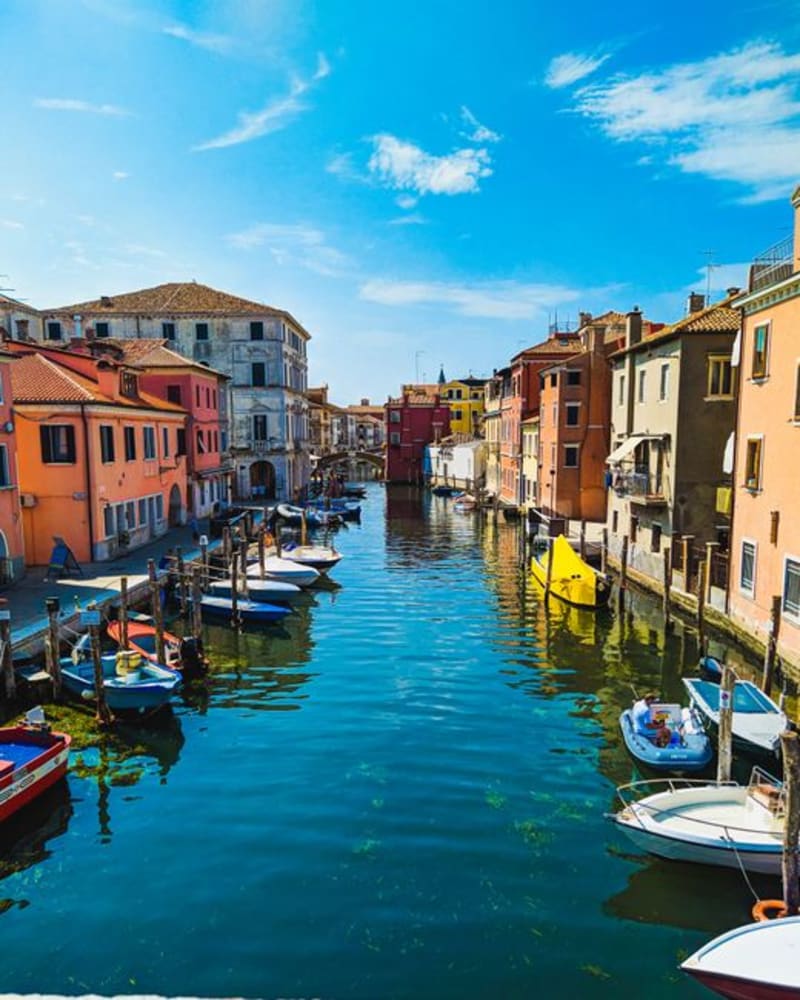
Venice's working little sister, all fishing boats and laundry lines, where the lagoon smells like the actual sea instead of a museum.
Explore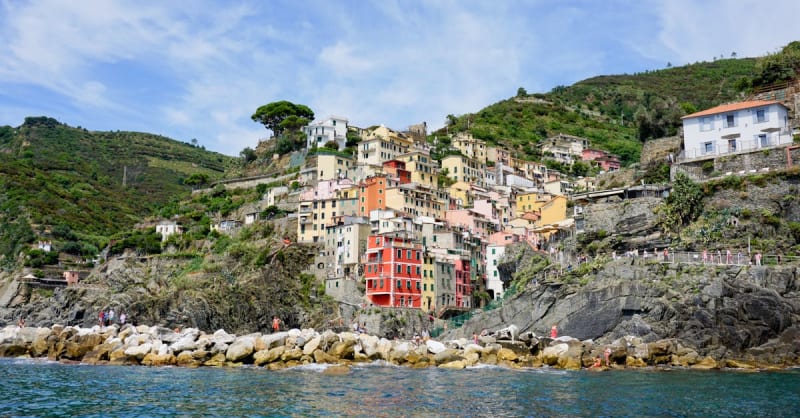 italy
Cinque Terre
Five fishing villages painted onto the cliffs of the Ligurian coast, connected by trails and train tunnels.
Explore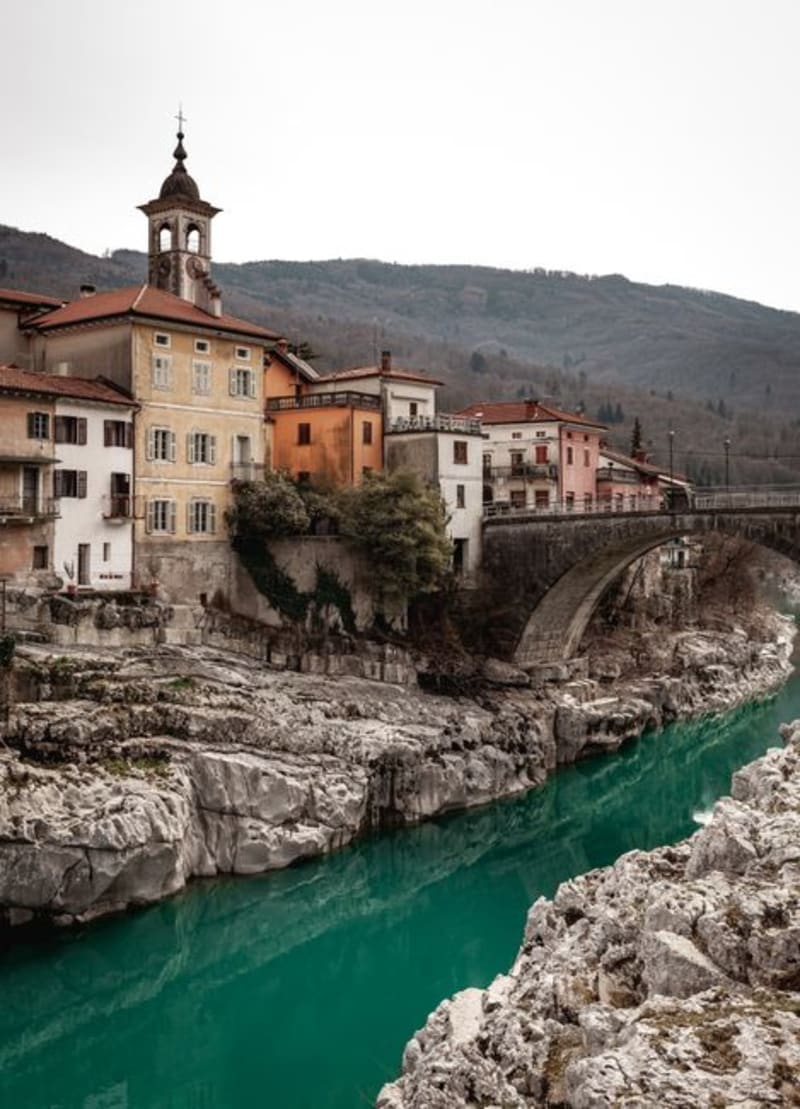 italy
Cividale del Friuli
A Lombard capital wedged into a gorge, where a bridge called 'of the devil' guards the last real trace of an entire lost people.
Explore italy
Civita di Bagnoregio
The dying city — a medieval village on an eroding tufa cliff linked to the world by a single pedestrian bridge.
Explore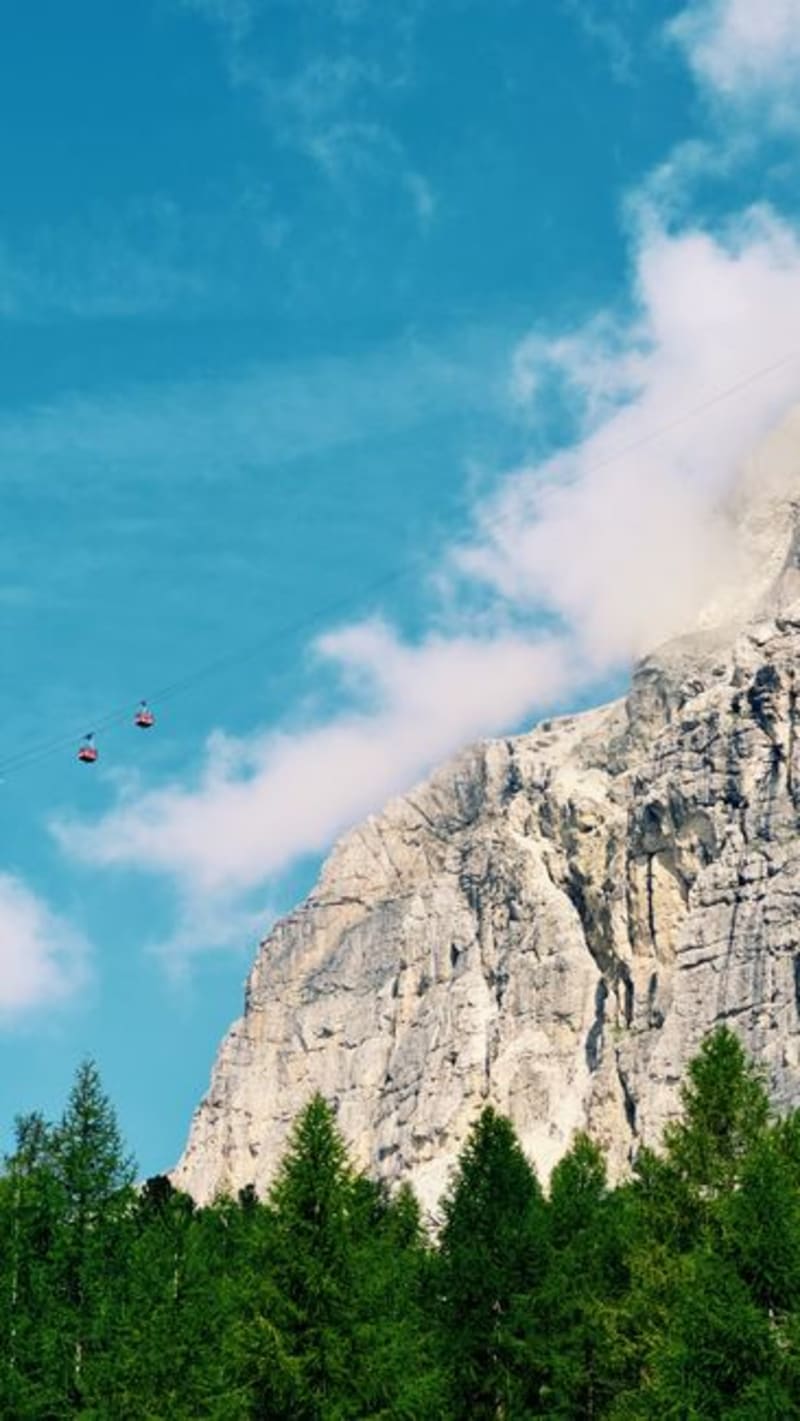 italy
Cortina d'Ampezzo
The 'Queen of the Dolomites,' where fur coats and hiking boots have shared the same cobblestones since the 1950s, and both still fit.
Explore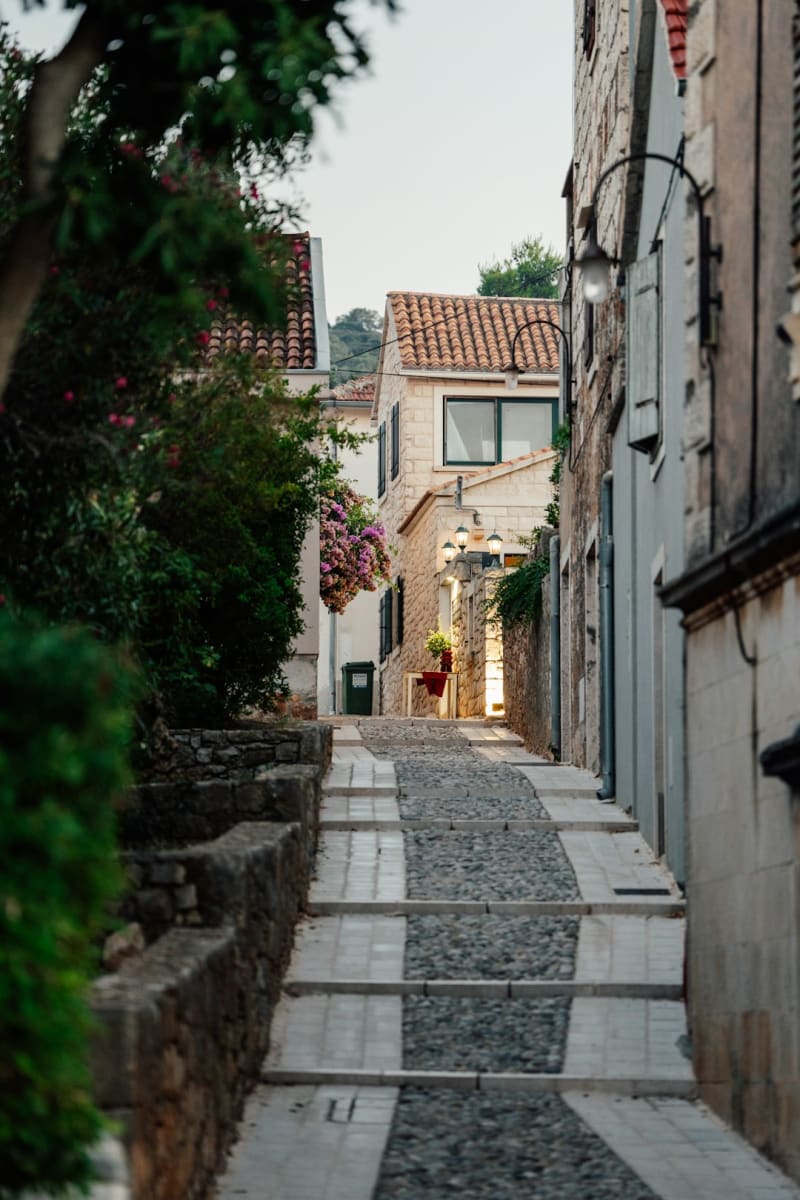 italy
Cortona
A hill town so steep it seems to be climbing away from you, where every alley ends in a view of the Val di Chiana laid out like a painting.
Explore