Ramon Crater
"There's no impact here, no meteor, just water and wind patiently taking a chunk out of the desert for millions of years. Somehow that's more impressive."
The world's largest erosion crater cuts a forty-kilometer gash through the Negev Desert, its striped rock walls revealing 200 million years of geology and its skies dark enough for an official night-sky reserve.
I drove down to Mitzpe Ramon expecting a viewpoint and a gift shop, and instead found myself standing at the edge of something so large I had trouble processing its scale through a camera lens. The Ramon Crater — Makhtesh Ramon in Hebrew — isn’t actually a crater in the meteor-impact sense; it’s what geologists call an erosion cirque, a landform found almost nowhere else on Earth outside the Negev and Sinai, carved out over hundreds of millions of years as ancient seas retreated and rivers cut through layers of exposed rock. Whatever the technical term, standing on the rim looking down at a valley floor forty kilometers long and up to five hundred meters below me, none of that mattered. It just looked enormous.
I spent a full day hiking one of the trails that descends into the crater floor, and the geology show gets better with every switchback. The rock bands shift color as you drop in elevation — deep red and rust, then pale cream, then a startling black formation locals call the “carpentry shop,” ancient volcanic dikes that cooled into perfect geometric columns that genuinely look machine-cut, though nothing built them but time and pressure. Ammonite fossils are scattered in the rock in places, remnants of the shallow sea that covered this entire region 200 million years ago, which is a strange thing to find casually lying in Negev desert dust.
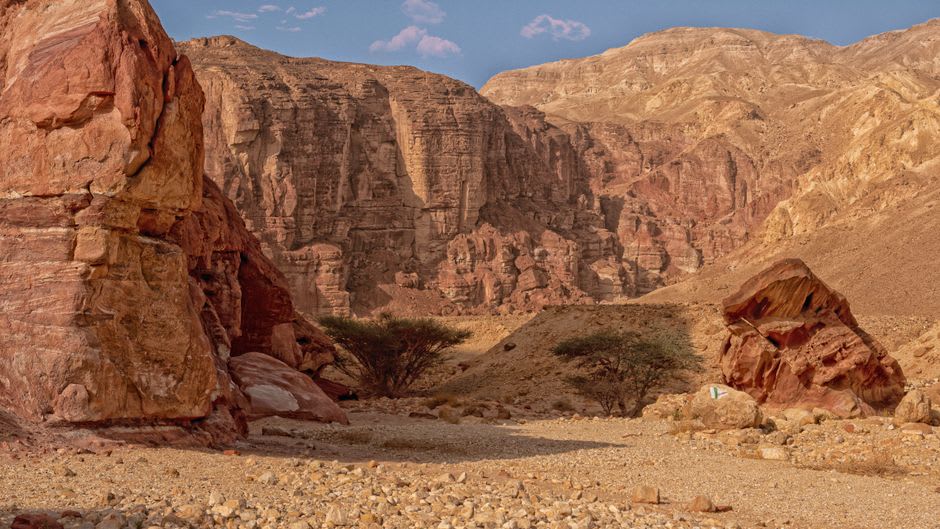
Ibex and gazelle move through the crater floor in numbers, and at dusk I watched a small herd cross a dry riverbed a few hundred meters from where I’d set up camp, utterly indifferent to the handful of us watching. But it’s the night sky that made the visit unforgettable. Mitzpe Ramon is Israel’s designated dark-sky reserve, and with almost zero light pollution for tens of kilometers in every direction, the Milky Way appeared with a density and clarity I hadn’t seen since a desert trip in Chile years earlier. I lay on a rock still warm from the day’s sun and picked out satellites crossing overhead for a solid hour before the cold finally drove me back to the tent.
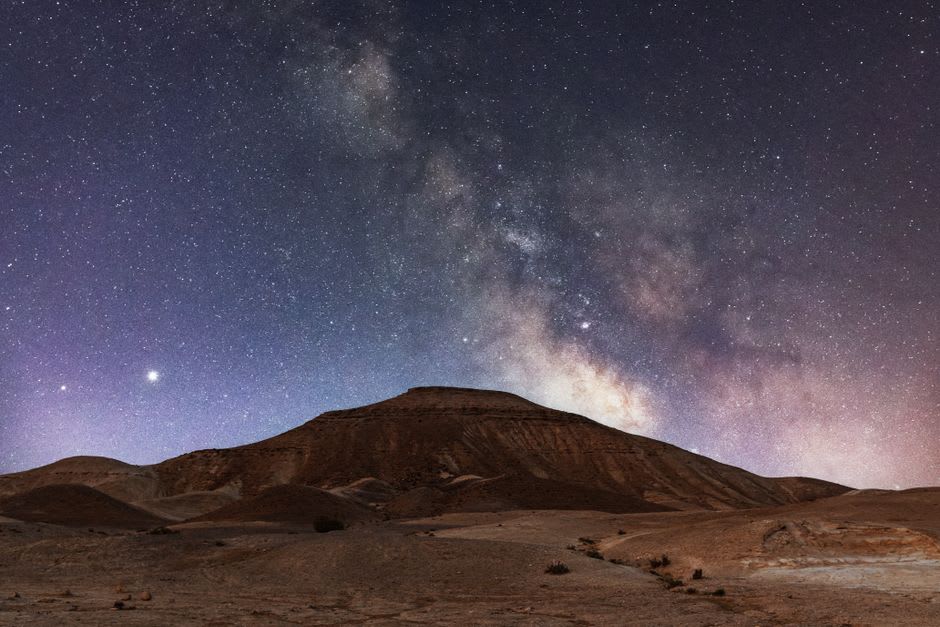
When to go: October through April avoids the brutal Negev summer heat, which regularly exceeds 40°C on exposed crater trails with no shade whatsoever. Whatever season you choose, stay at least one night — the stargazing alone justifies the trip.
Keep exploring
More from Israel
 israel
 Rosh Hanikra
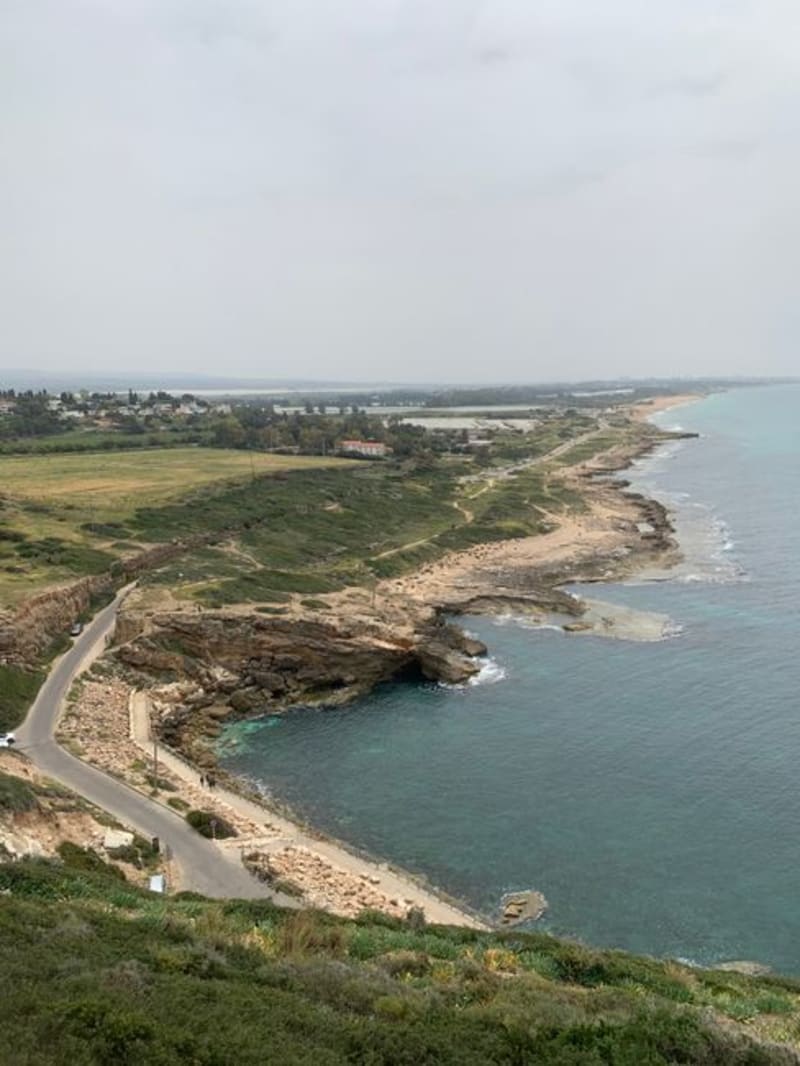
Chalk-white cliffs at Israel's northern border hide sea grottoes carved by two million years of Mediterranean waves, reached by the steepest cable car I've ridden anywhere.
Explore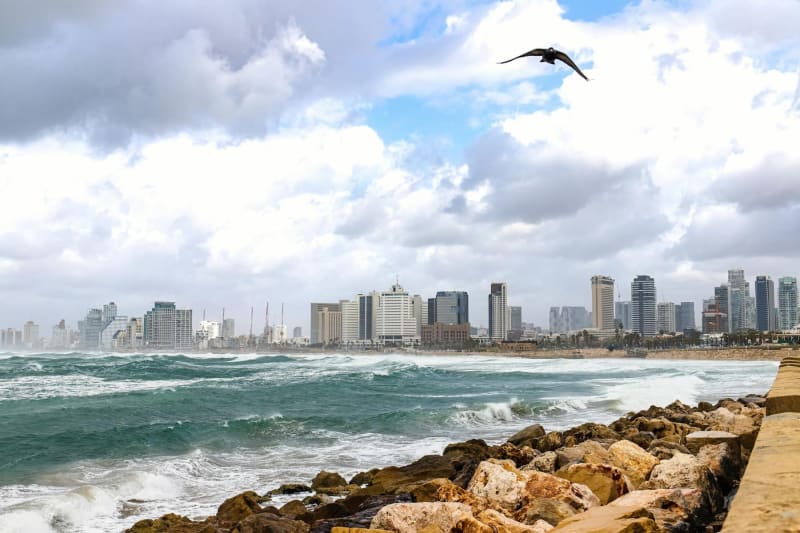 israel
 Tel Aviv Beach
Fourteen kilometres of sandy Mediterranean shoreline, backed by Bauhaus architecture and non-stop energy.
Explore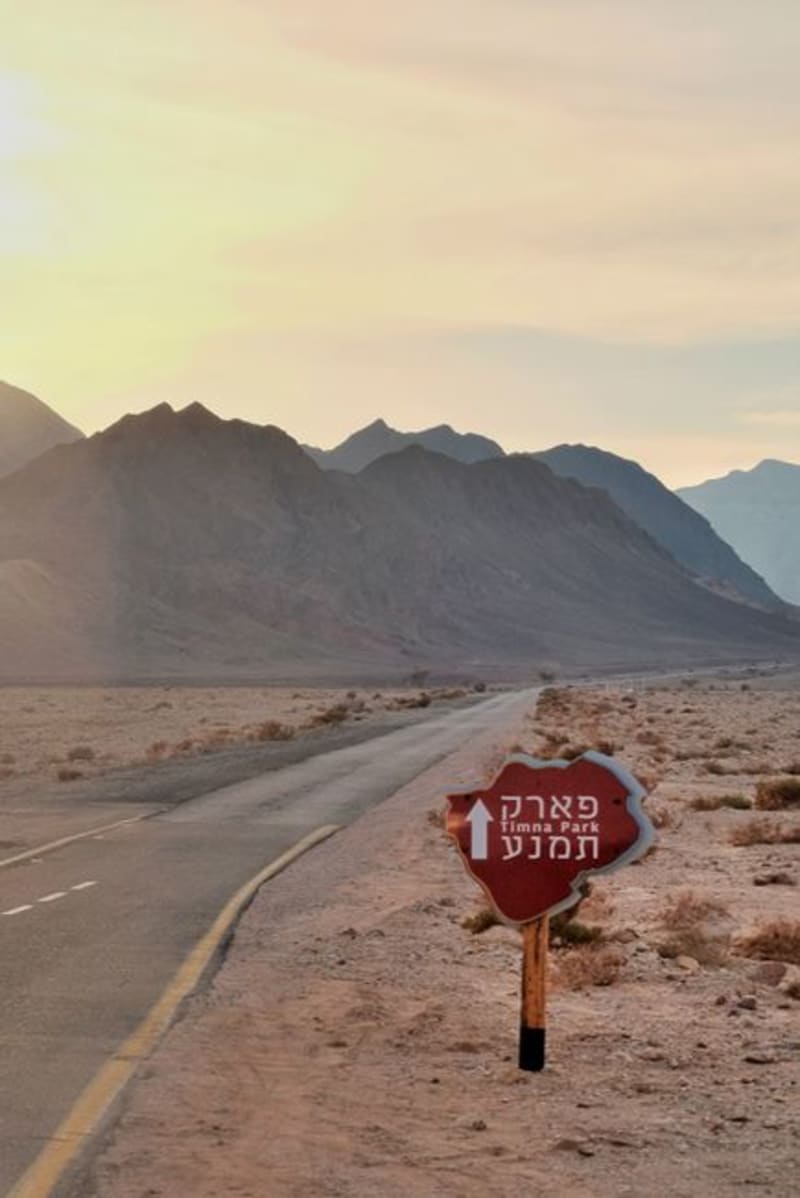 israel
 Timna Park
A desert valley near Eilat holding the world's oldest copper mines and sandstone formations sculpted into arches and towering pillars, still carrying the name of the biblical King Solomon though he likely never mined here.
Explore israel
 Tzfat
A blue-doored mountain town in the Upper Galilee where Kabbalah was born in the sixteenth century and every alley of the old artists' quarter still feels faintly mystical.
Explore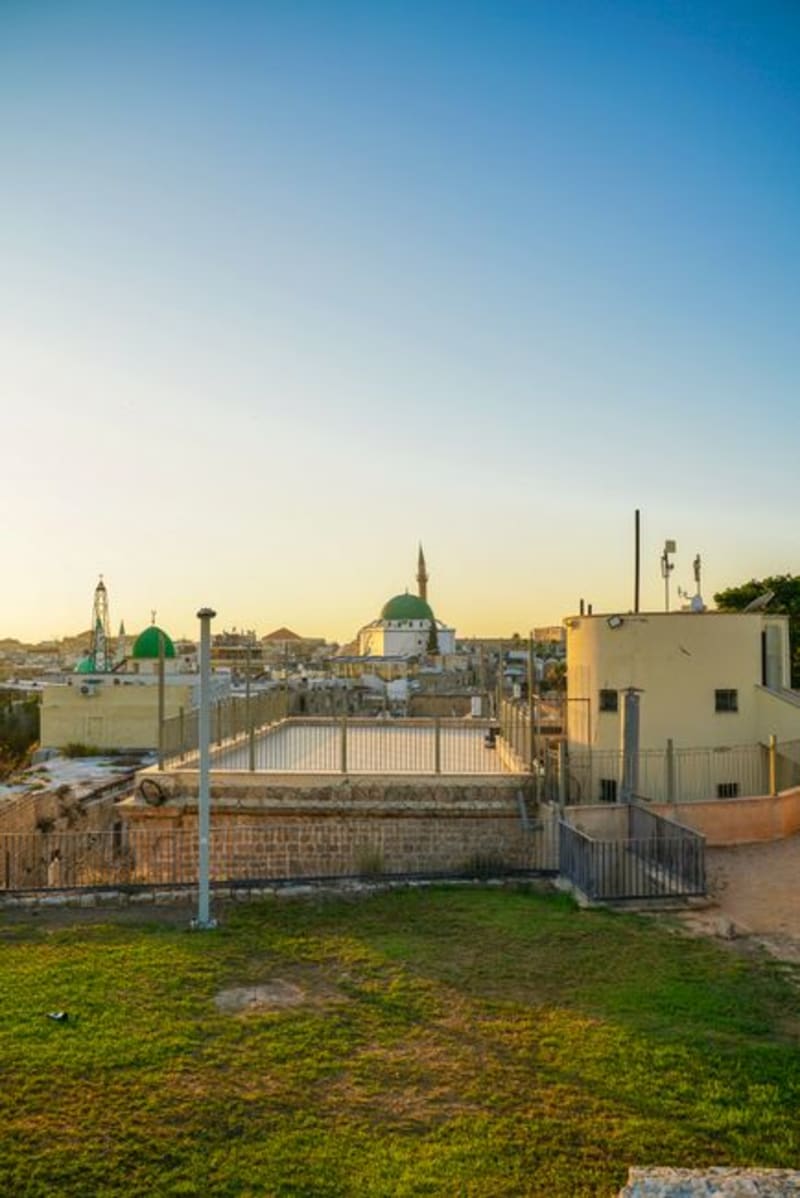 israel
 Akko
A walled Crusader port city where subterranean stone halls sit beneath a living Arab market, and the call to prayer echoes off Ottoman ramparts built on Templar bones.
Explore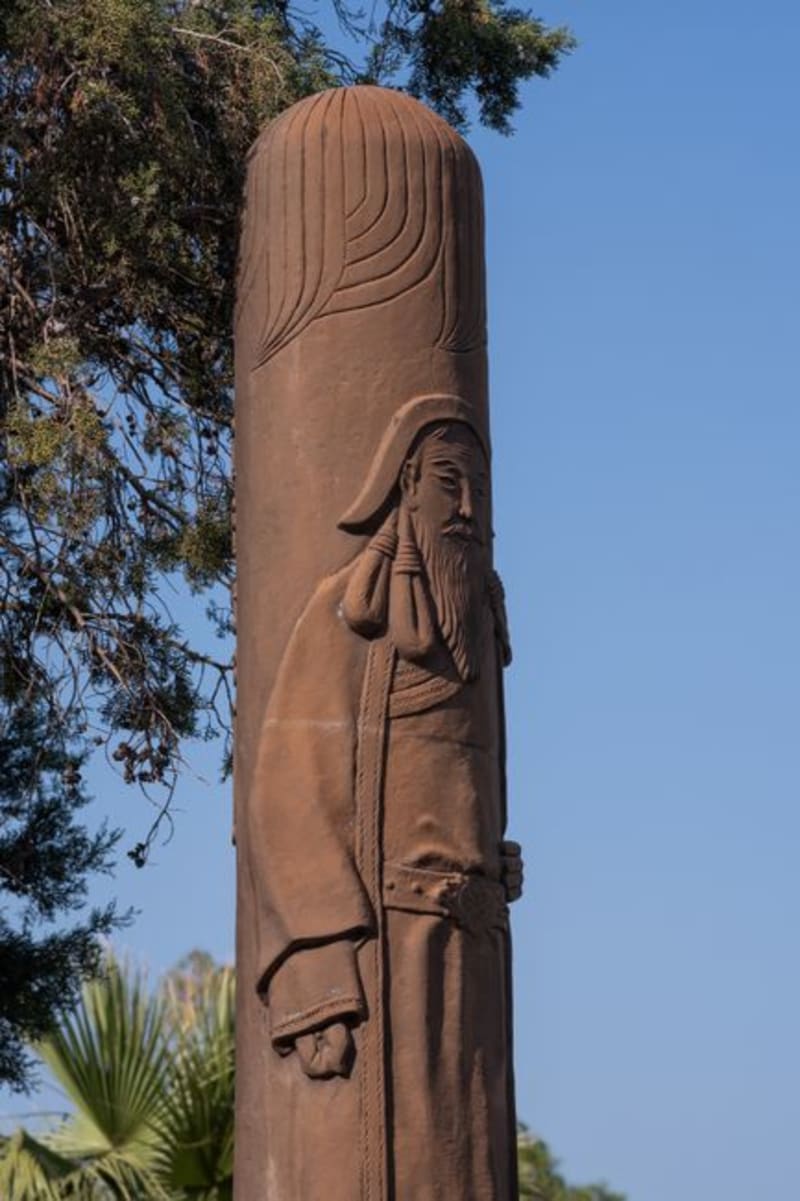 israel
 Ashkelon
A coastal park south of Tel Aviv layering Philistine ramparts, Roman columns, and a Crusader wall over a beach that's been fought over for three thousand years, now mostly used by joggers and picnicking families.
Explore