Banias
"A river this loud, this cold, and this green shouldn't exist twenty minutes from a desert country. And yet here it is, doing exactly that."
A spring-fed nature reserve at the foot of Mount Hermon where the Jordan River's largest source crashes over a waterfall past the ruined niches of an ancient shrine to the god Pan.
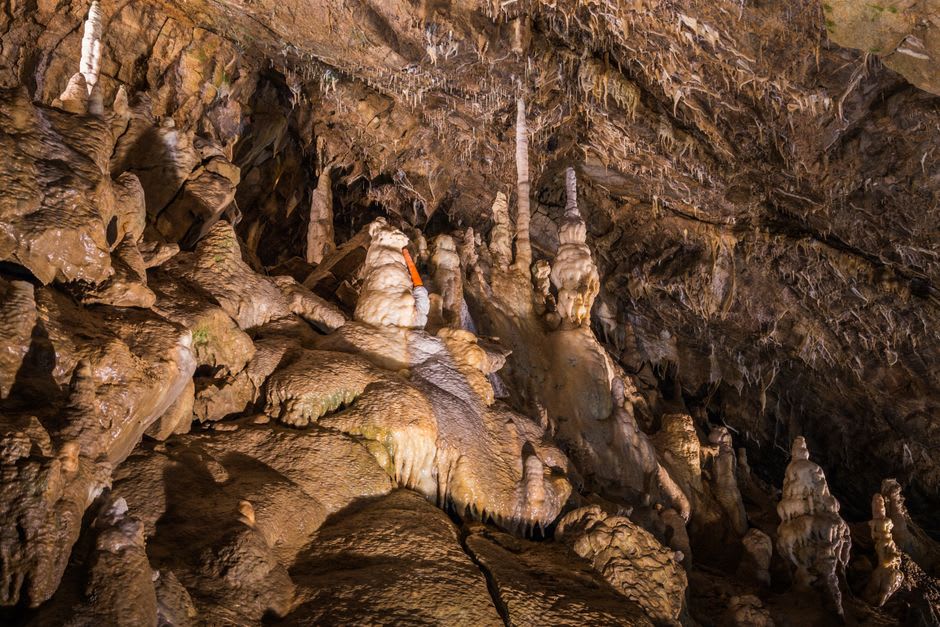
Banias sits at the far northern edge of the Golan Heights, close enough to Mount Hermon that I could still see snow on the peak above me while standing in a lush, dripping forest that felt more like the Pyrenees than the Middle East. The reserve takes its name from Pan — Banias is the Arabic rendering of Paneas, the Greek god’s sanctuary that once stood at the cave mouth where one of the Jordan River’s primary springs emerges from the base of the mountain, more water than I expected from a single source, cold and startlingly clear even after a summer of snowmelt.
The ancient shrine itself is a strange, evocative sight: carved niches cut directly into the cliff face beside the spring cave, once holding statues of Pan and the nymphs, worshipped here from the Hellenistic period straight through Roman rule, when Herod’s son Philip built a temple to Augustus nearby and renamed the city Caesarea Philippi — the same Caesarea Philippi mentioned in the Gospels as the site of Peter’s confession. Standing at the cave mouth, water audibly rushing somewhere inside the rock, it wasn’t hard to understand why ancient people picked this exact spot to worship something. There’s a presence to it that has nothing to do with the ruins and everything to do with the spring itself.
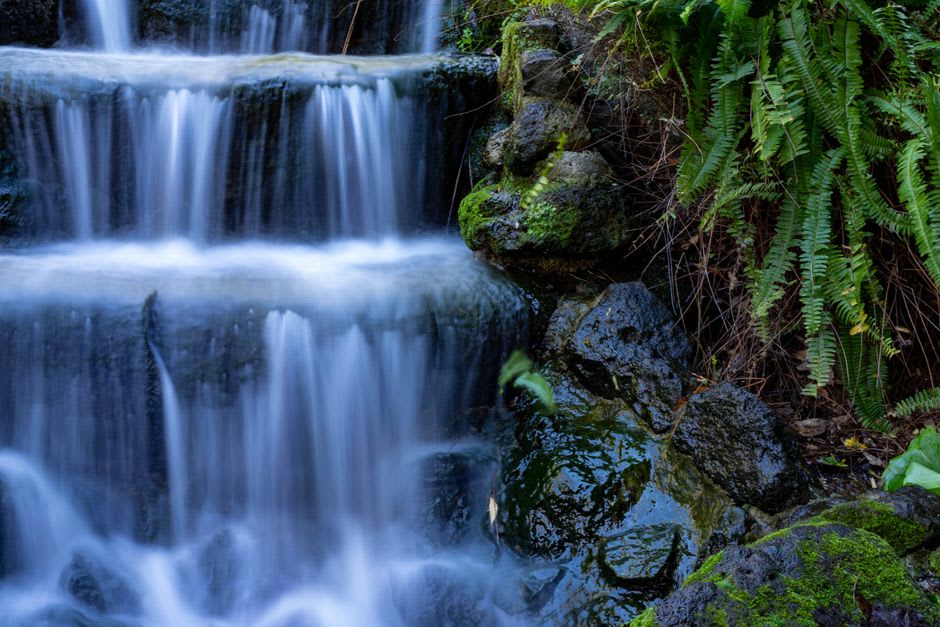
From the spring, a trail follows the river downstream through a canyon so green and shaded it felt like a different climate entirely — ferns, fig trees, the constant sound of moving water — until it opens onto the Banias waterfall, the largest in Israel, a genuinely thunderous drop of white water into a churning pool below. I stood on the wooden viewing platform getting misted by the spray, and a family next to me was having what looked like an argument about whose turn it was to hold the toddler back from the railing, which felt like the correct amount of chaos for such a spectacular piece of nature.
When to go: Late winter into spring brings the fullest flow after snowmelt from Hermon, and the surrounding canyon is at its greenest. Even in summer heat, the reserve stays noticeably cooler than the rest of the Golan thanks to the spring water and forest cover.
Keep exploring
More from Israel
 israel
 Beit She'an
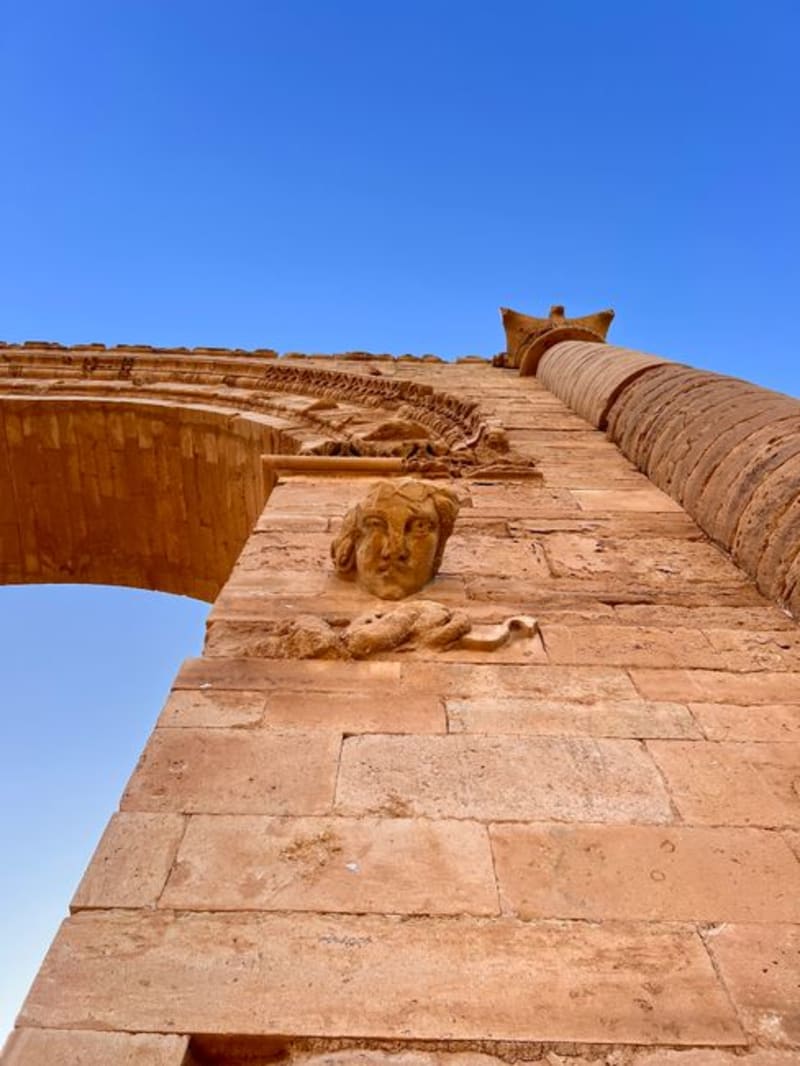
The best-preserved Roman city in Israel, its colonnaded main street and 7,000-seat theater buried intact by a single catastrophic earthquake in 749 CE and excavated back into daylight.
Explore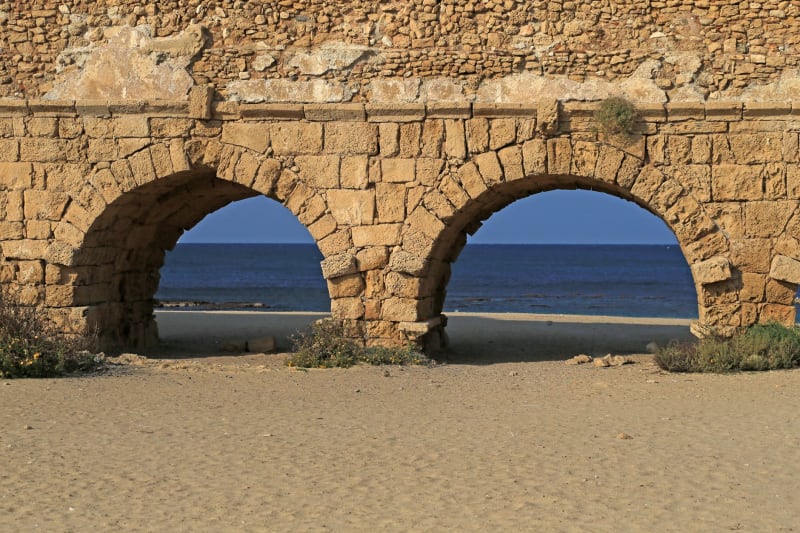 israel
 Caesarea
A Roman port city built by Herod the Great sits half-submerged in the Mediterranean, its amphitheater still hosting concerts where the acoustics are two thousand years old.
Explore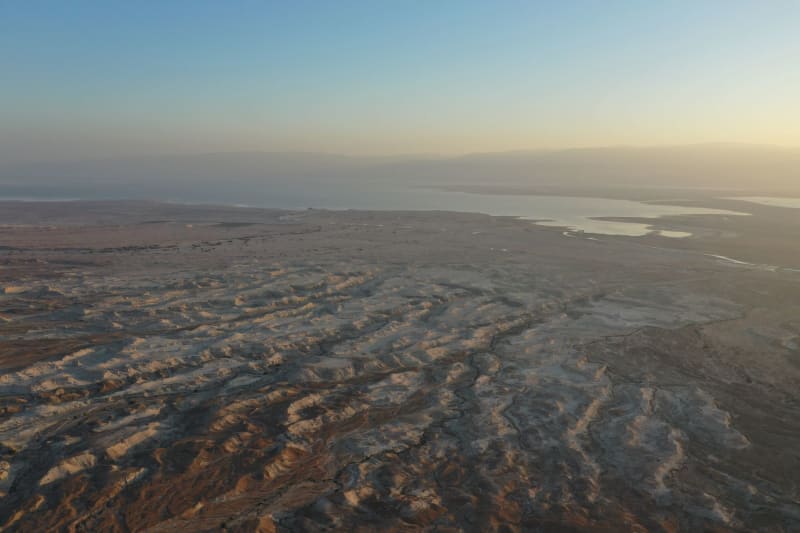 israel
 Dead Sea
The lowest point on Earth is a hyper-saline lake ringed by desert cliffs where you float without trying and slather yourself in black mud like it's perfectly normal.
Explore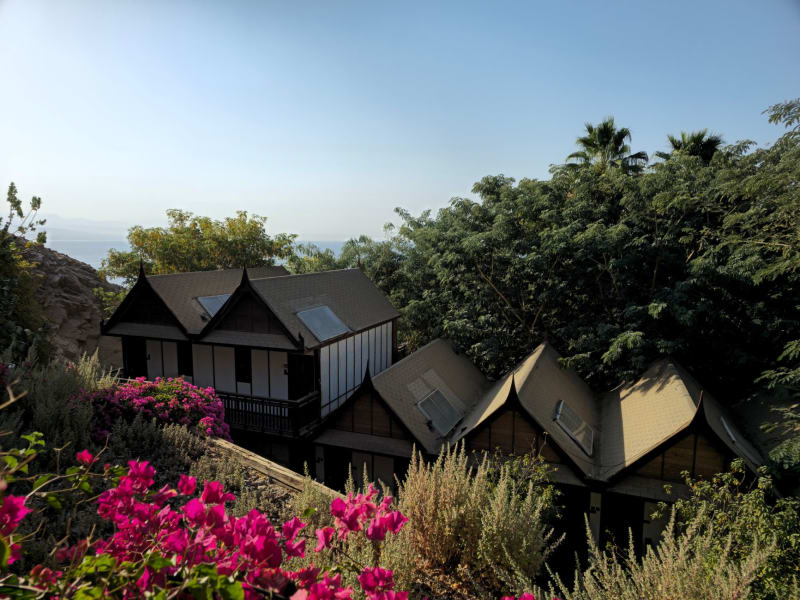 israel
 Eilat
Israel's southernmost city sits at the tip of the Negev on a finger of the Red Sea, where the coral reefs are world-class and the surrounding desert makes the turquoise water feel genuinely surreal.
Explore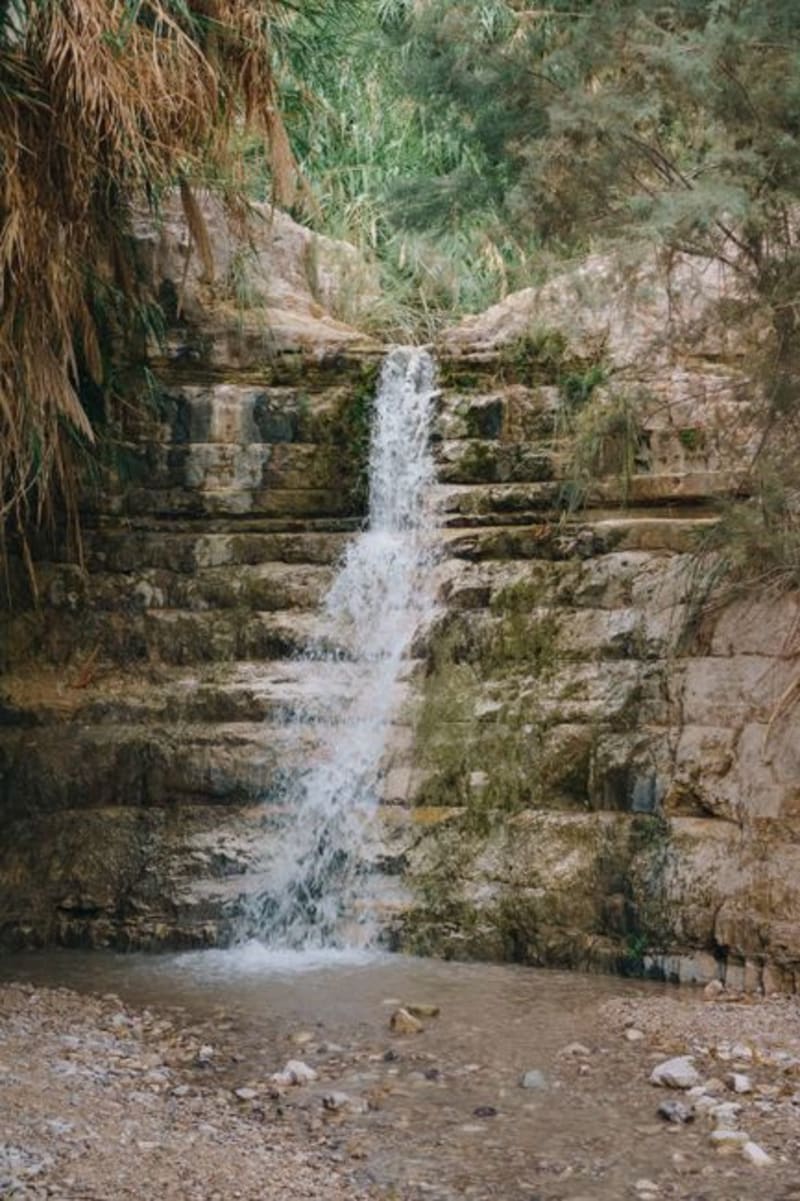 israel
 Ein Gedi
A freshwater oasis of waterfalls and ibex trails cut into the desert cliffs above the Dead Sea, where a spring-fed canyon proves the Judean Desert isn't as dead as it looks.
Explore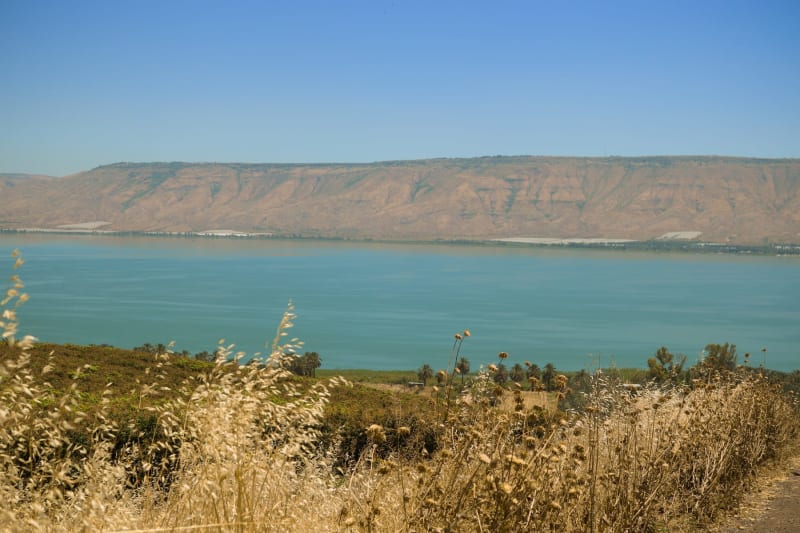 israel
 Galilee
Rolling hills, ancient synagogues, and the Sea of Galilee — where spirituality and nature are inseparable.
Explore