Ashkelon
"Families were having a barbecue about fifty meters from a three-thousand-year-old Philistine gate. Nobody seemed to think this was strange but me."
A coastal park south of Tel Aviv layering Philistine ramparts, Roman columns, and a Crusader wall over a beach that's been fought over for three thousand years, now mostly used by joggers and picnicking families.
I came to Ashkelon expecting a quiet coastal detour on the drive down from Tel Aviv toward the Negev, and instead found one of the more disorienting places I visited in Israel — not because it’s dramatic in the way Masada or Caesarea are, but because it’s so thoroughly, casually layered that the ancient and the ordinary sit right on top of each other with no separation at all.
Ashkelon National Park spreads along low grassy dunes above the beach, and within a few hundred meters you pass Canaanite ramparts, the remains of a Philistine city gate — Ashkelon was one of the five great Philistine cities of the Bible, the same civilization associated with Goliath — Roman-era columns lying where earthquakes toppled them, and a stretch of Crusader wall built to defend the port during the twelfth century. None of it is fenced off with the reverence I’d gotten used to at other sites. Locals jog past marble columns on the grass. A group of teenagers was doing burpees next to a fallen Roman capital when I walked through. It gave the whole park an unpretentious, lived-in quality that I found strangely more moving than a more carefully staged ruin might have been — history as a backdrop to ordinary life rather than a museum piece behind glass.
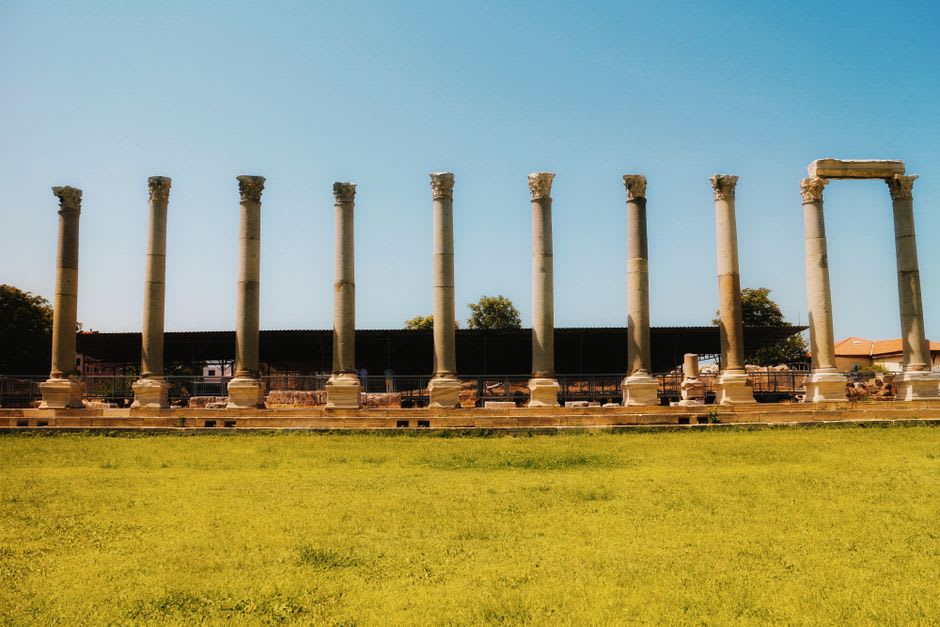
The Crusader-era wall along the cliff edge gives the best sense of scale, curved fortifications following the coastline with the Mediterranean crashing below, and from certain angles you can see all three eras of construction stacked in the same cliff face — ancient foundation stones, medieval masonry, and modern erosion barriers holding it all together. I walked the length of it at sunset, the sandstone glowing orange, families setting up beach chairs on the sand below entirely uninterested in the fortifications above them.
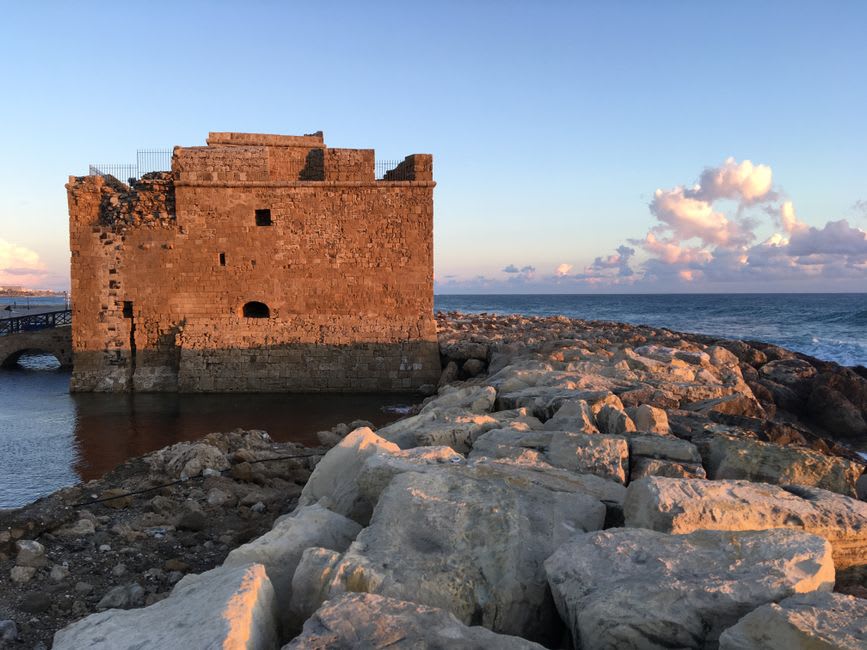
I ended the visit at a beachside kiosk eating fresh-squeezed pomegranate juice, watching kids build sandcastles roughly where Philistine ships would have once come ashore, which felt like exactly the right note to end on for a place this layered and this unbothered by its own history.
When to go: Late afternoon into evening avoids the midday sun on the exposed clifftop trails and gives the best light for the coastal ruins. Weekends bring out Israeli families in numbers, which — unusually for a historic site — is part of the charm rather than a drawback.
Keep exploring
More from Israel
 israel
 Banias
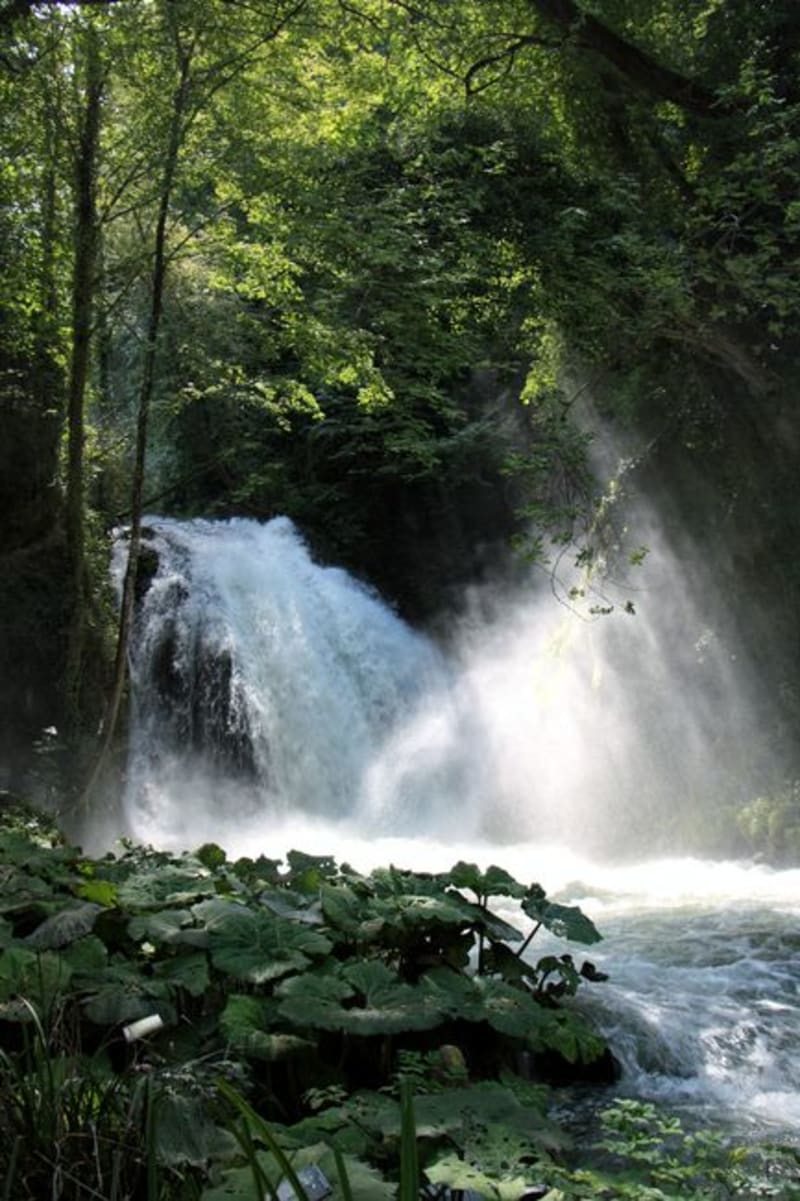
A spring-fed nature reserve at the foot of Mount Hermon where the Jordan River's largest source crashes over a waterfall past the ruined niches of an ancient shrine to the god Pan.
Explore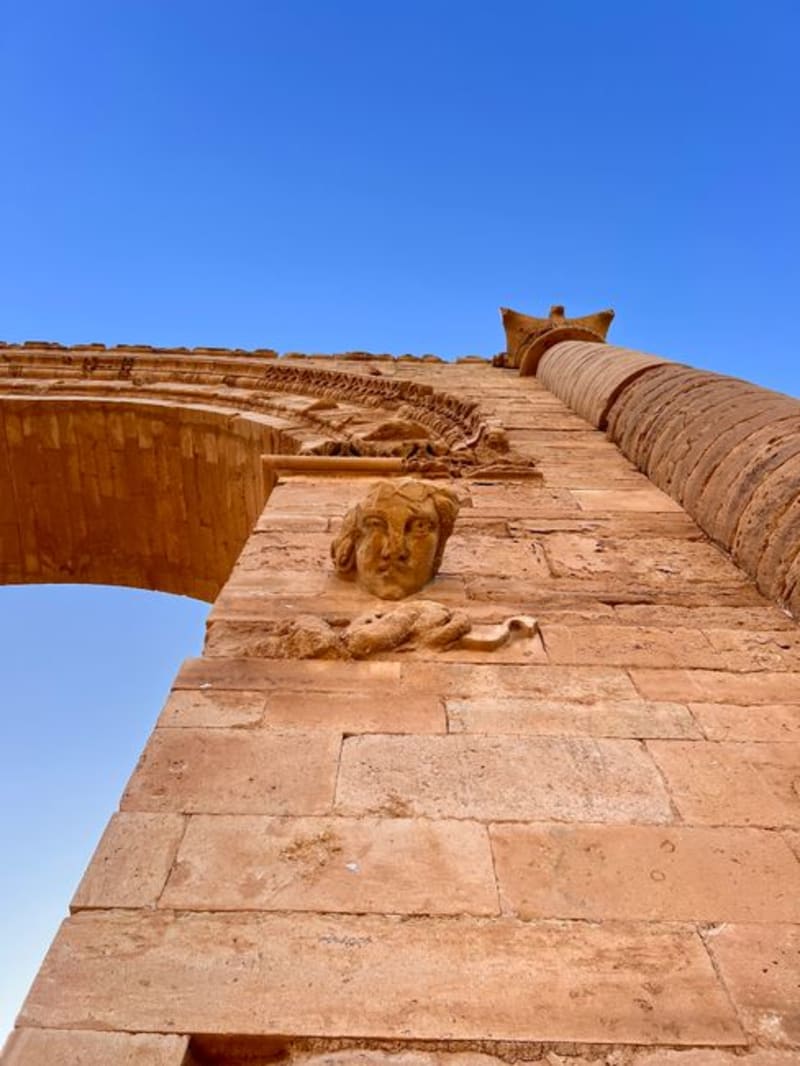 israel
 Beit She'an
The best-preserved Roman city in Israel, its colonnaded main street and 7,000-seat theater buried intact by a single catastrophic earthquake in 749 CE and excavated back into daylight.
Explore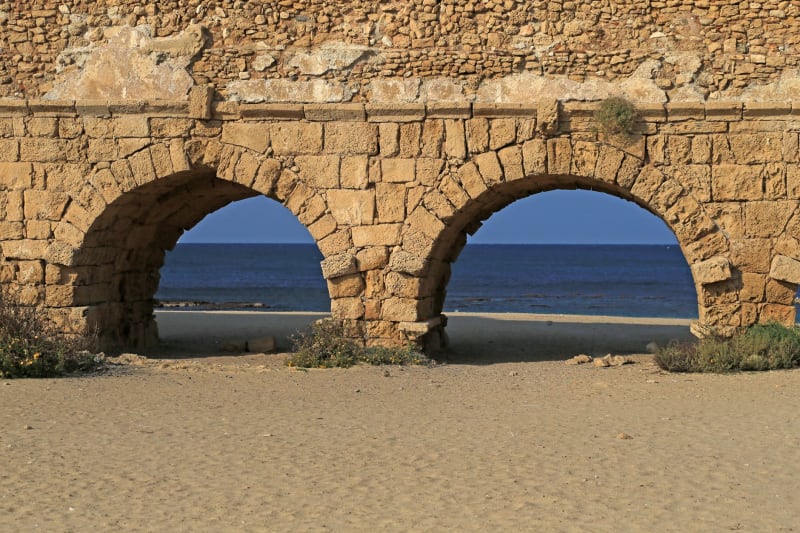 israel
 Caesarea
A Roman port city built by Herod the Great sits half-submerged in the Mediterranean, its amphitheater still hosting concerts where the acoustics are two thousand years old.
Explore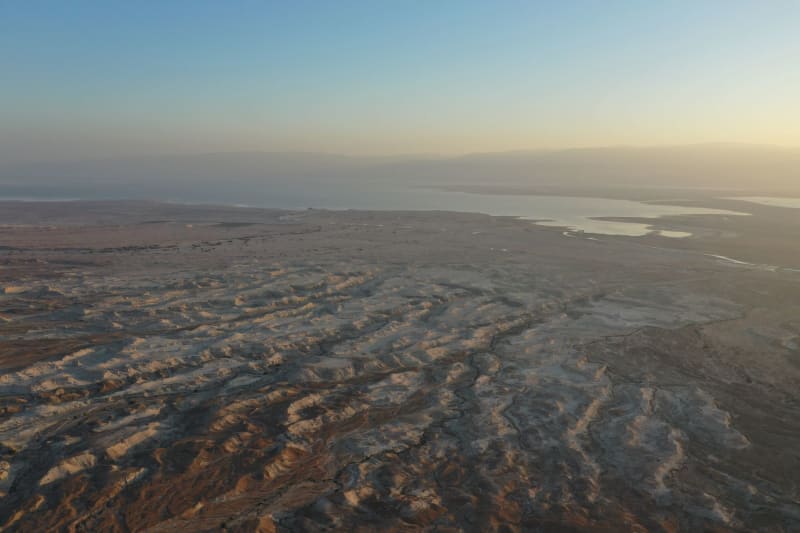 israel
 Dead Sea
The lowest point on Earth is a hyper-saline lake ringed by desert cliffs where you float without trying and slather yourself in black mud like it's perfectly normal.
Explore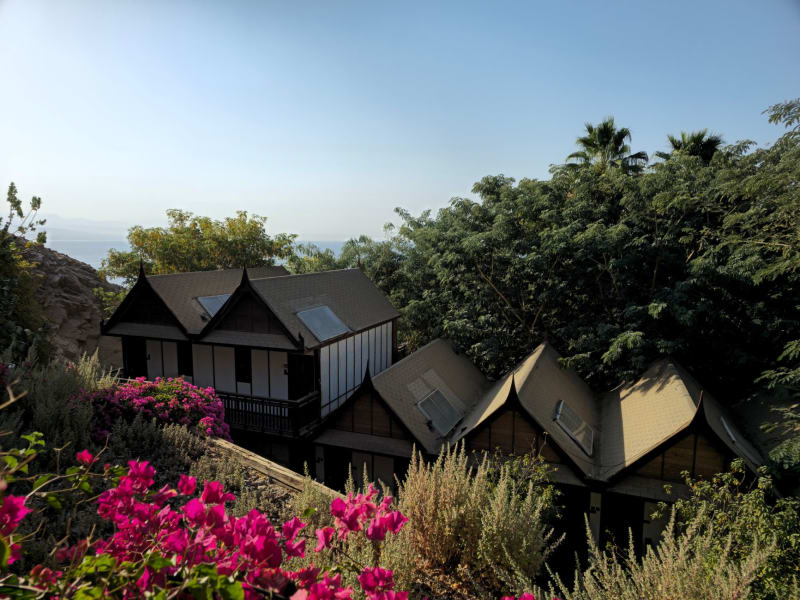 israel
 Eilat
Israel's southernmost city sits at the tip of the Negev on a finger of the Red Sea, where the coral reefs are world-class and the surrounding desert makes the turquoise water feel genuinely surreal.
Explore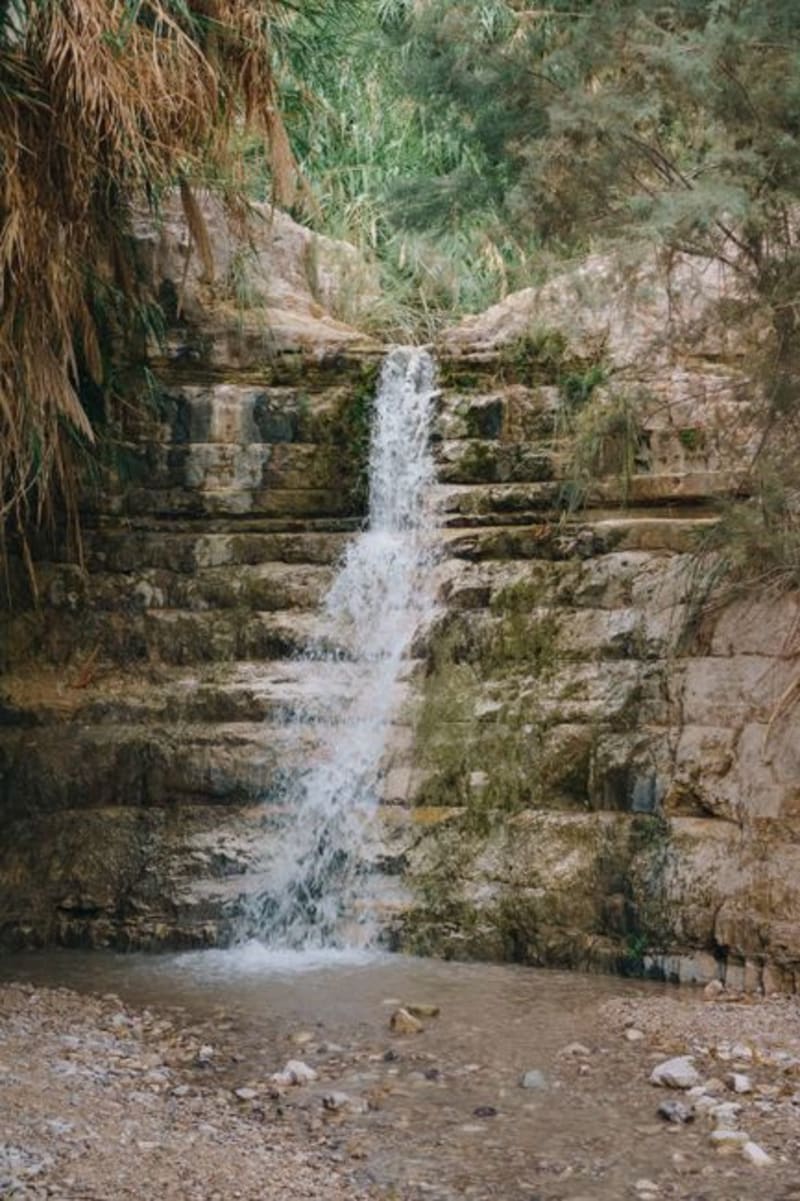 israel
 Ein Gedi
A freshwater oasis of waterfalls and ibex trails cut into the desert cliffs above the Dead Sea, where a spring-fed canyon proves the Judean Desert isn't as dead as it looks.
Explore