Akko
"The city keeps rebuilding itself directly on top of what came before. You can walk through all of it in a single afternoon."
A walled Crusader port city where subterranean stone halls sit beneath a living Arab market, and the call to prayer echoes off Ottoman ramparts built on Templar bones.
I almost skipped Akko. Everyone in Tel Aviv told me to go north for Haifa and the Baha’i Gardens and left it at that, like Akko was a footnote twenty minutes up the coast. It is not a footnote. It might be the single densest concentration of layered history I found anywhere in Israel, and I say that having spent four days getting lost in Jerusalem’s Old City.
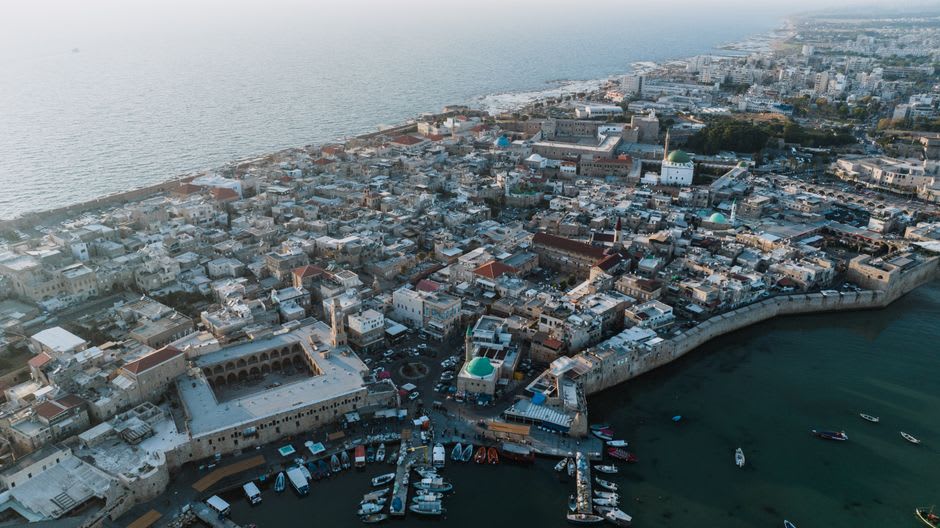
The trick to understanding Akko is that it’s basically two cities stacked vertically. What you walk through at street level is the Ottoman town — souks, a hammam, the imposing Al-Jazzar Mosque with its green dome catching the afternoon light. But underneath, literally beneath your feet, is the Crusader city that the Ottomans built over rather than demolished. The Knights’ Halls, a subterranean complex of Gothic vaults belonging to the Hospitaller Knights, were excavated only in the twentieth century after being buried under rubble and later construction for six hundred years. Walking through those cool stone corridors, low ceilings ribbed with vaulting, after standing in a sunbaked Ottoman square ten minutes earlier, gave me actual vertigo about what a city even is.
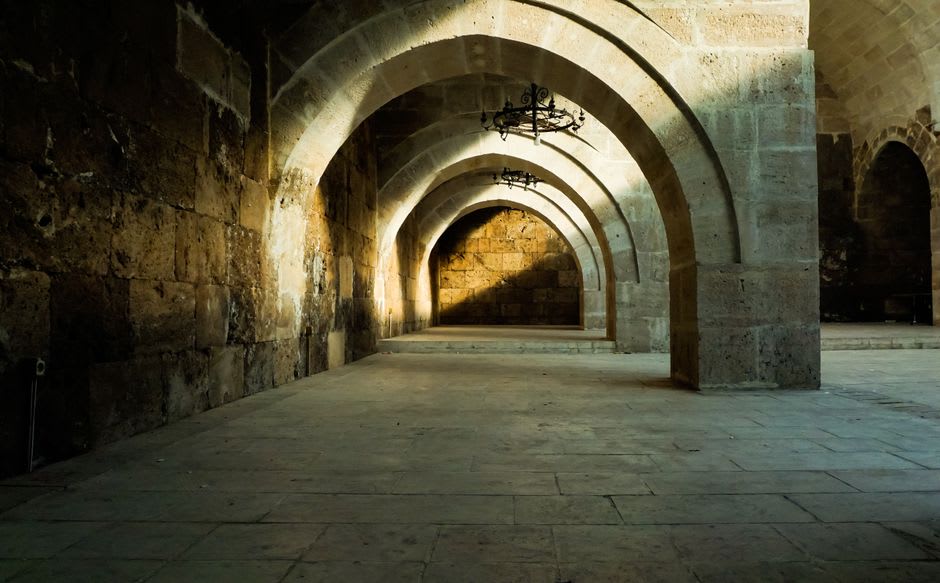
The market above ground is where I spent most of my actual time, though. Akko’s Old City is still mostly Arab, and the souk sells fish straight off the boats a few hundred meters away, along with knafeh so sweet and orange it practically glows, and spice stalls where the owners will talk your ear off about their grandfather’s shop if you show even mild interest. I bought a bag of za’atar I didn’t need because the man selling it asked me three separate times whether I’d tried his olive oil, and by the third time it felt rude to say no.
What stayed with me longest, though, was the seawall at dusk. The old fishing harbor still functions, small boats coming in as the light goes copper over the Mediterranean, and the Ottoman-era lighthouse and fortifications catch that last light in a way that made me sit on the harbor wall for far longer than I’d planned, doing nothing but watching men mend nets and kids jump off the breakwater into water that was clearly too cold for October.
When to go: Spring and autumn keep the old city’s narrow alleys bearable — summer heat pools between the stone walls with nowhere to go. Fridays bring the market to its liveliest, busiest version of itself, right before everything slows down for Shabbat.
Keep exploring
More from Israel
 israel
 Ashkelon
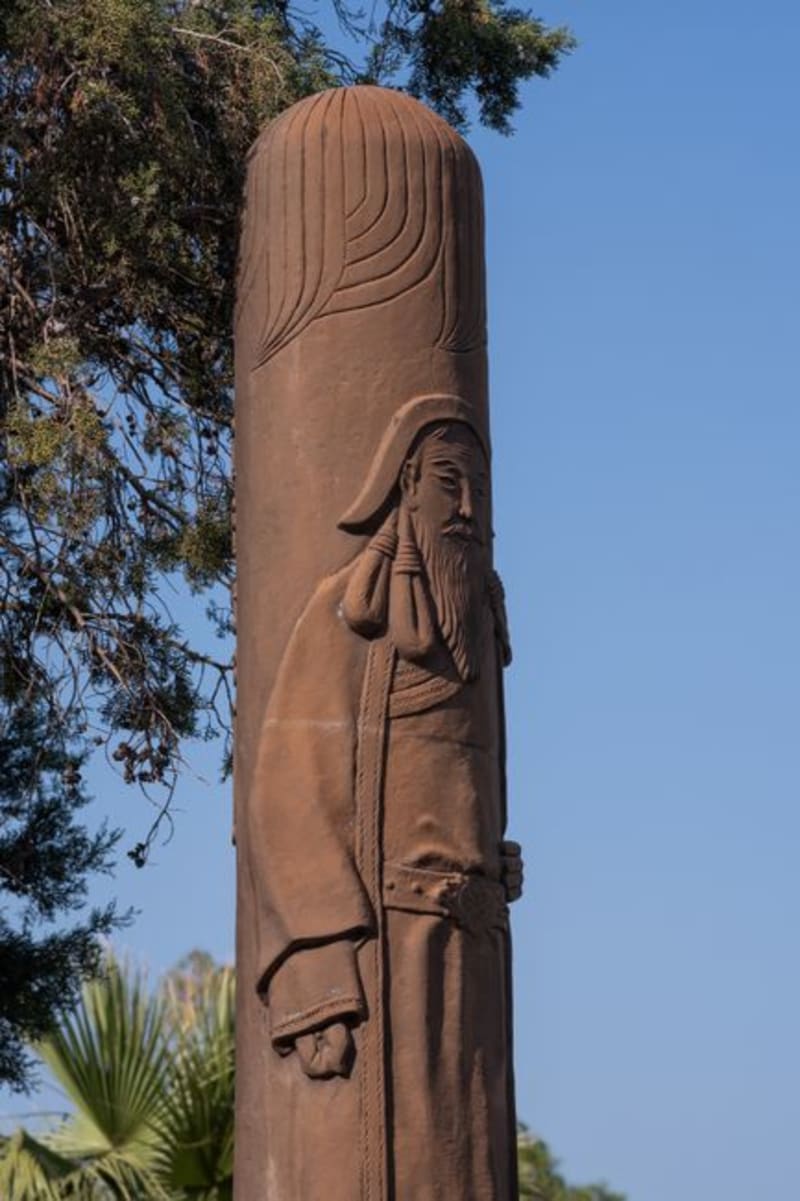
A coastal park south of Tel Aviv layering Philistine ramparts, Roman columns, and a Crusader wall over a beach that's been fought over for three thousand years, now mostly used by joggers and picnicking families.
Explore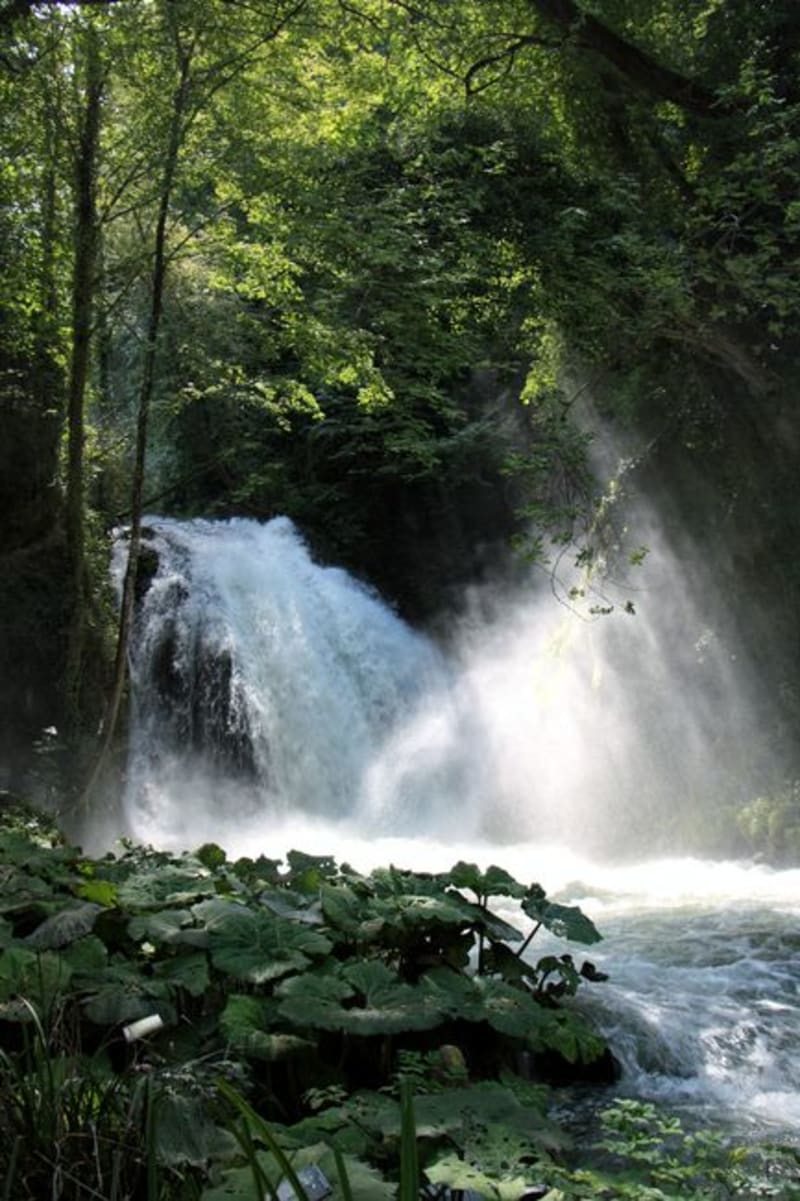 israel
 Banias
A spring-fed nature reserve at the foot of Mount Hermon where the Jordan River's largest source crashes over a waterfall past the ruined niches of an ancient shrine to the god Pan.
Explore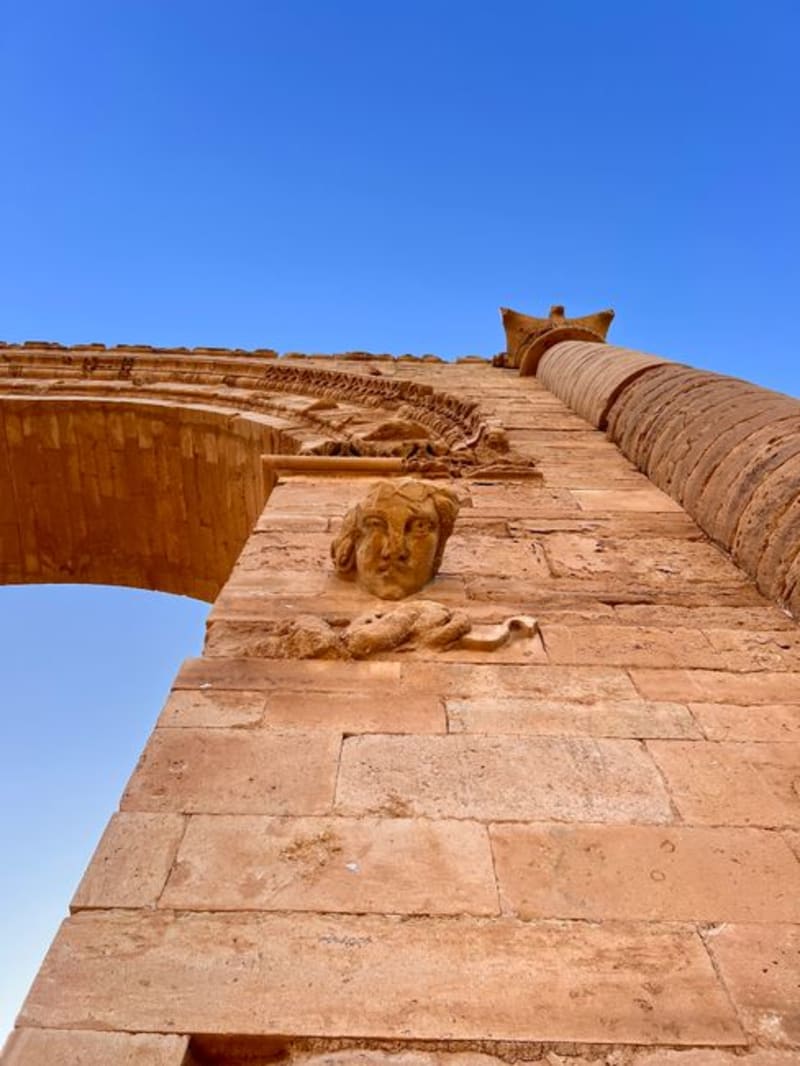 israel
 Beit She'an
The best-preserved Roman city in Israel, its colonnaded main street and 7,000-seat theater buried intact by a single catastrophic earthquake in 749 CE and excavated back into daylight.
Explore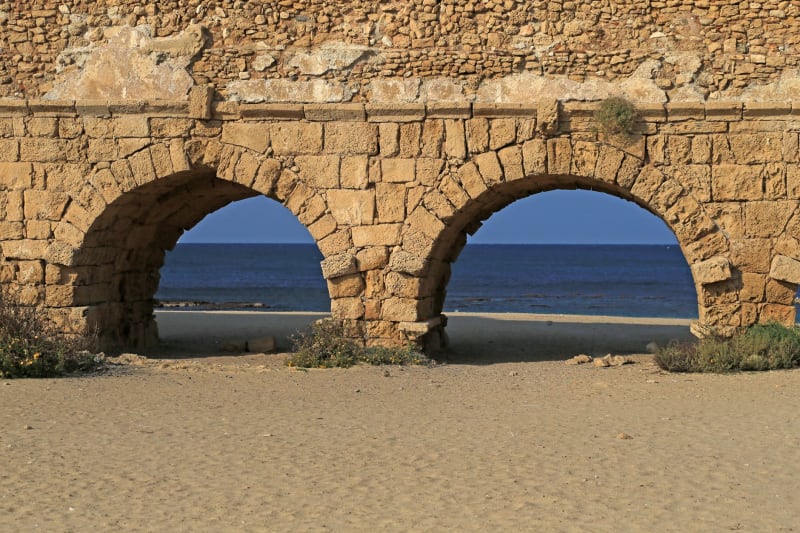 israel
 Caesarea
A Roman port city built by Herod the Great sits half-submerged in the Mediterranean, its amphitheater still hosting concerts where the acoustics are two thousand years old.
Explore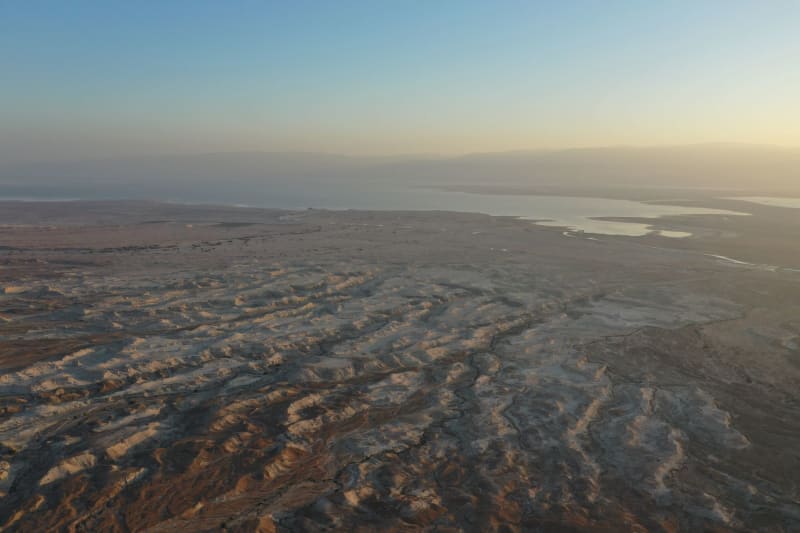 israel
 Dead Sea
The lowest point on Earth is a hyper-saline lake ringed by desert cliffs where you float without trying and slather yourself in black mud like it's perfectly normal.
Explore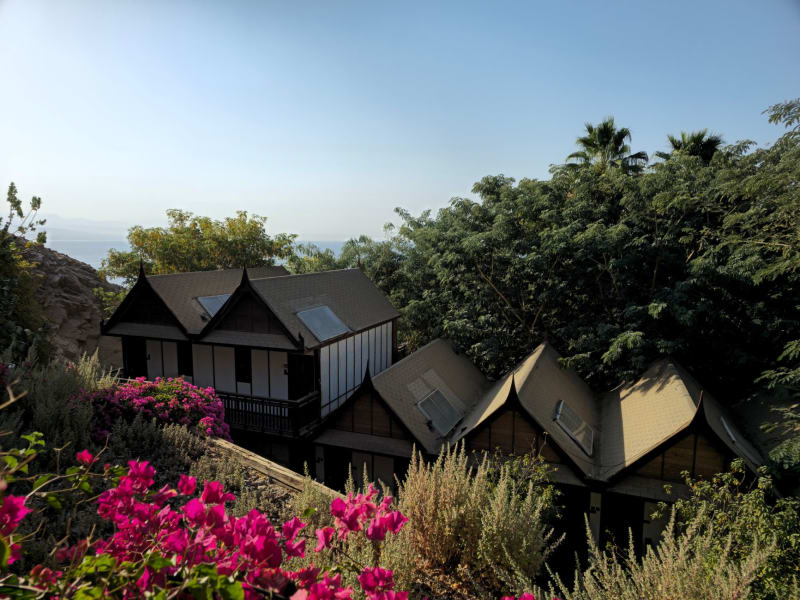 israel
 Eilat
Israel's southernmost city sits at the tip of the Negev on a finger of the Red Sea, where the coral reefs are world-class and the surrounding desert makes the turquoise water feel genuinely surreal.
Explore