A stone village built in staircases against a Zagros gorge, where the same river separates Sunni and Shia neighborhoods that share everything else.
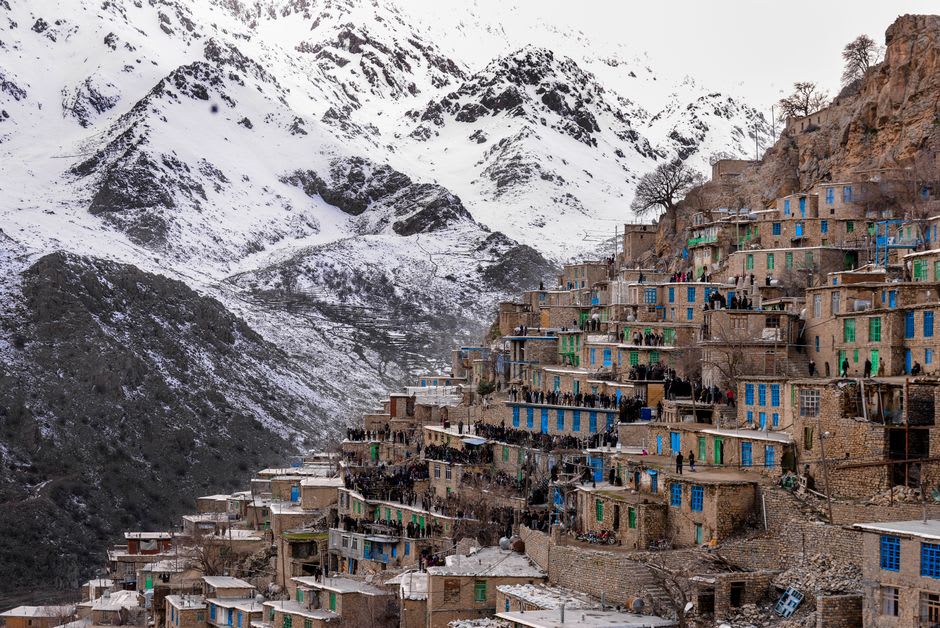
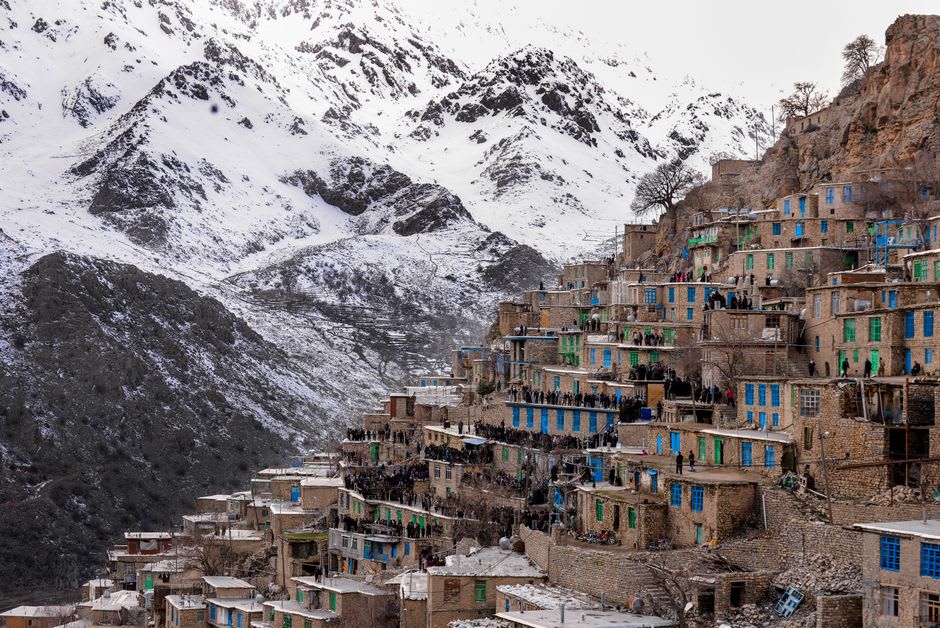
I nearly missed Palangan entirely. It’s a two-hour drive southwest of Sanandaj on roads that narrow steadily until you’re fairly sure the taxi driver has made a wrong turn, and then the gorge opens and the village appears, stacked in stone terraces so tight that the roof of one house is the front yard of the house above it.
A Village Built Like a Staircase
Palangan clings to both sides of a river gorge, its ochre stone houses climbing the slope in tiers that from a distance look almost architectural on purpose, though locals will tell you it’s simply what happens when you build on a cliff with no flat ground to spare. Kids used the flat roofs as a shortcut network, hopping from one family’s terrace to the next on their way to school. I followed one boy’s route by accident and ended up drinking tea with his grandmother, who seemed entirely unsurprised by the intrusion.
Two Communities, One River
What struck me most was the village’s quiet demographic split: one bank is predominantly Sunni Kurdish, the other Shia, and the river between them functions less as a divide than as a shared resource everyone tends together — orchards, walnut groves, and small water mills line both banks without any visible distinction of who belongs where. A shopkeeper on the Sunni side told me, matter-of-factly, that his best friend since childhood lives directly across the water. Iran gets flattened into a single sectarian story from the outside; Palangan quietly refuses that flattening.
Walnuts and Quiet
The village is famous locally for its walnut orchards, and in autumn the whole gorge smells faintly of cracked green husks. I stayed one night in a family guesthouse with a terrace overlooking the river, and the only sound after dark was water moving over stone. No traffic, no generators, no phone signal worth mentioning.
When to go: Late September through October for the walnut harvest and the best light on the terraces. Spring (April–May) is green and cooler if you’d rather skip the harvest crowds. The road can be difficult after heavy winter snow, so avoid January and February.
Keep exploring
More from Iran
 iran
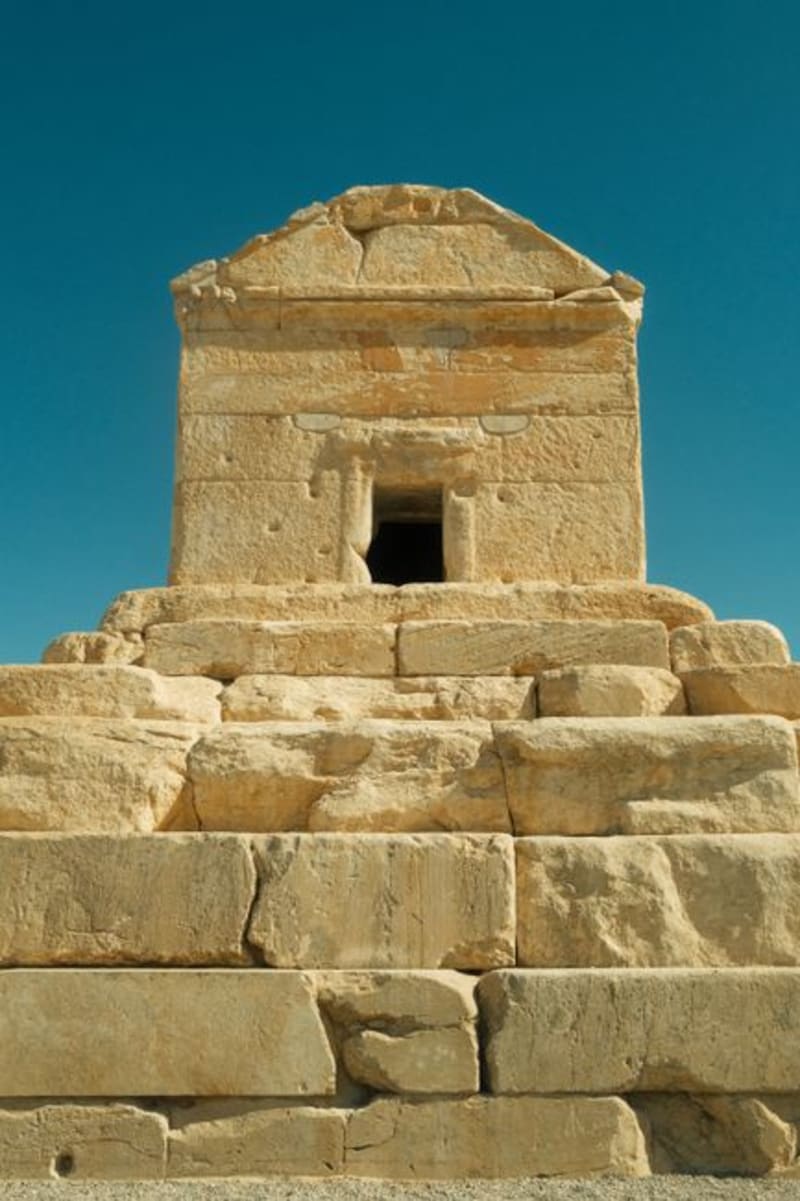
iran Pasargadae
The plain stone tomb of Cyrus the Great, sitting alone in a field — the emptiest, most powerful monument in Iran.
Explore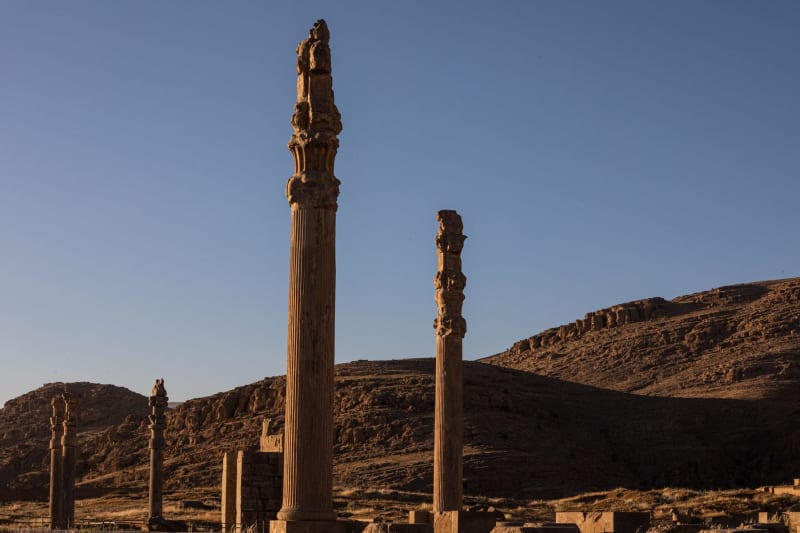 iran
iran Persepolis
The ceremonial capital of the Persian Empire — colossal stone carvings of tribute-bearers from every nation.
Explore iran
iran Qareh Kelisa (Black Church)
An Armenian pilgrimage church built from volcanic black stone in a high alpine valley near the Turkish border, where thousands still gather once a year for a festival older than the country's current borders.
Explore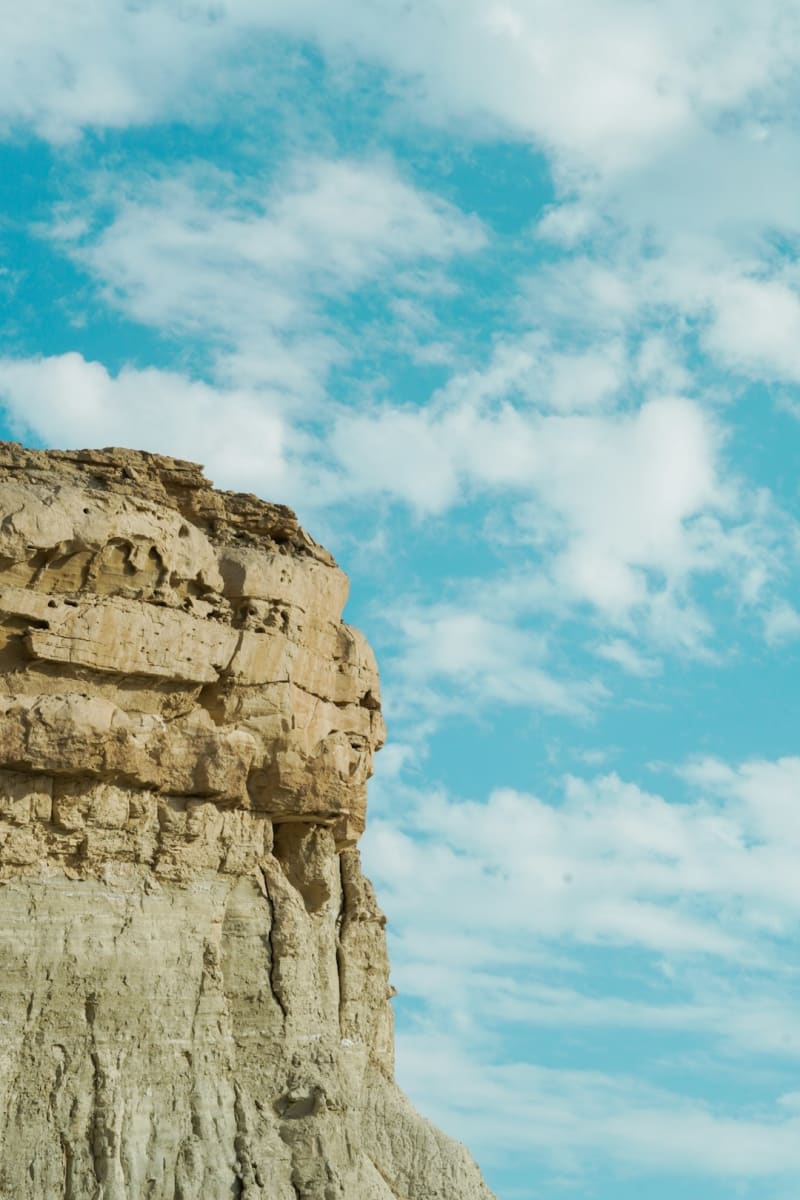 iran
iran Qeshm Island
The largest island in the Persian Gulf, where wind and rain carved a canyon out of soft rock and mangrove forests grow straight out of the tide.
Explore iran
iran Qom
Iran's holiest city and the intellectual center of Shia Islam, built around a golden-domed shrine that shapes everything from the dress code to the daily rhythm.
Explore iran
iran Ramsar
A Caspian resort town backed by rainforest and cable cars, built around a 1930s palace and a stretch of black-sand beach that Iranians have been vacationing on for a century.
Explore