A Safavid-era caravanserai stranded in a sand sea, where the dunes shift color from gold to rose depending on the hour.
Getting to Maranjab means about ninety minutes north of Kashan on paved road, followed by another twenty on a dirt track that a normal sedan should not attempt, which is how I ended up hiring a battered Toyota pickup and a driver named Reza who drove it like the desert owed him money. The landscape changes fast once the last village drops away — scrubby plain, then salt flat glare, then the dunes rising out of nowhere in long gold ridges that the wind resculpts overnight.
The Caravanserai That Refused to Disappear
The centerpiece is a Safavid-era caravanserai from the seventeenth century, a fortified rectangular structure with a domed gateway and rooms arranged around a central courtyard, built to shelter merchant caravans crossing the edge of the Dasht-e Kavir on the old route toward Khorasan. It has been restored enough to function as a basic guesthouse now, and staying the night inside its thick mudbrick walls, listening to wind move sand against the outer walls, was one of the strangest and best sleeps of the whole trip.
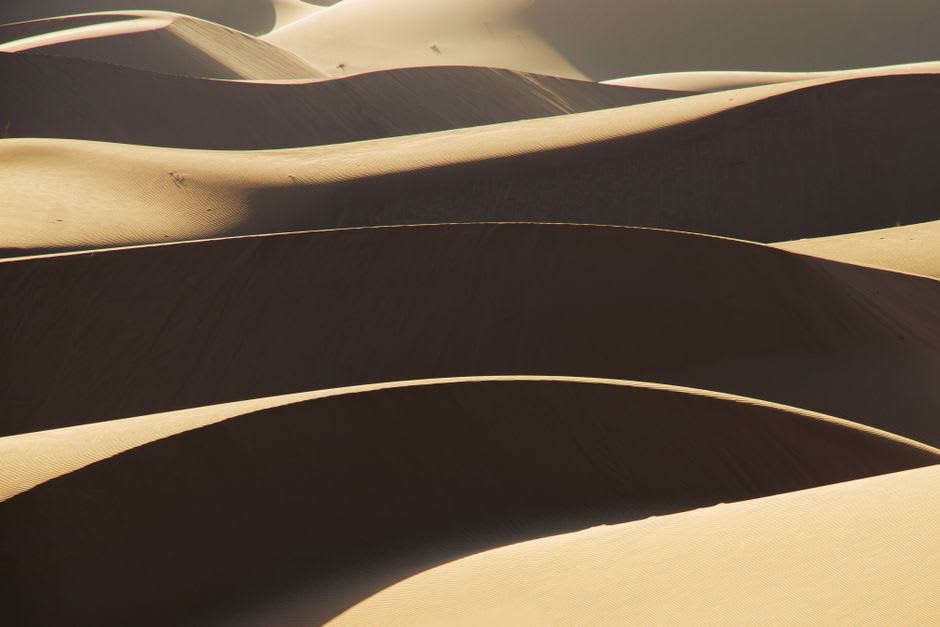
Salt Flats and a Sea That Isn’t There Anymore
A short drive past the caravanserai brings you to the edge of Namak Lake, a vast dried salt lake bed that stretches to the horizon in a white crust that cracks into hexagonal plates underfoot. Reza told me it occasionally floods a few centimeters deep after heavy rain and becomes, briefly, an actual mirror of the sky — I wasn’t lucky enough to see it, but the dry version alone, white and cracked and silent, felt otherworldly enough.
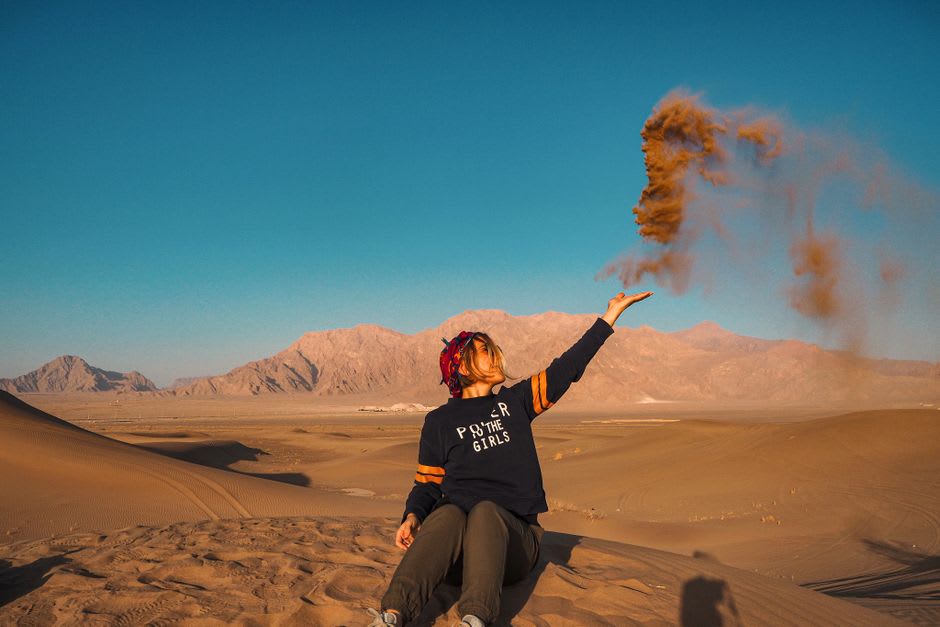
We climbed the tallest dune near camp just before sunset, and the sand went from ordinary gold to a deep rose-orange as the light dropped, with our own shadows stretching absurdly long across the ridge lines. Lia said it was the quietest place she’d ever stood. I didn’t argue.
When to go: Late October through March. The desert is genuinely dangerous in summer, with daytime temperatures well past what the caravanserai’s thick walls can offset — winter nights are cold but manageable with the right gear, and the dune light is better in the low winter sun anyway.
Keep exploring
More from Iran
 iran
iran Marivan
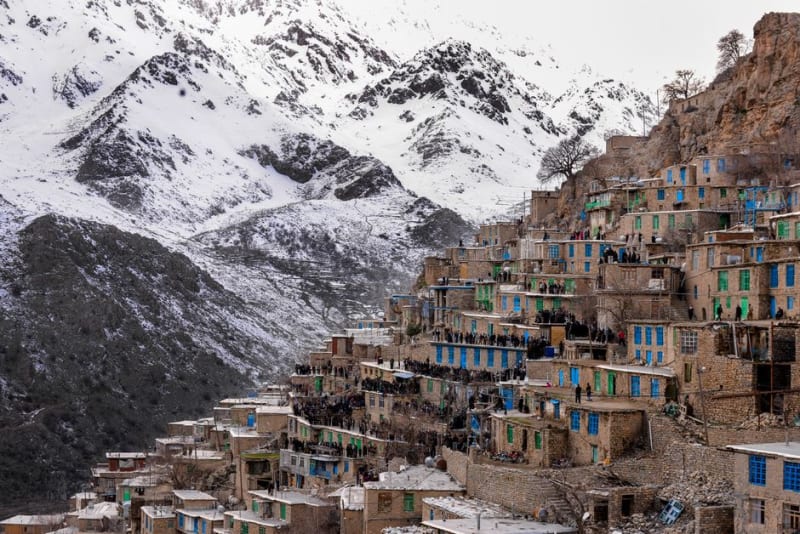
A Kurdish lake town on the Iraqi border where Zrebar Lake turns the surrounding Zagros peaks upside down.
Explore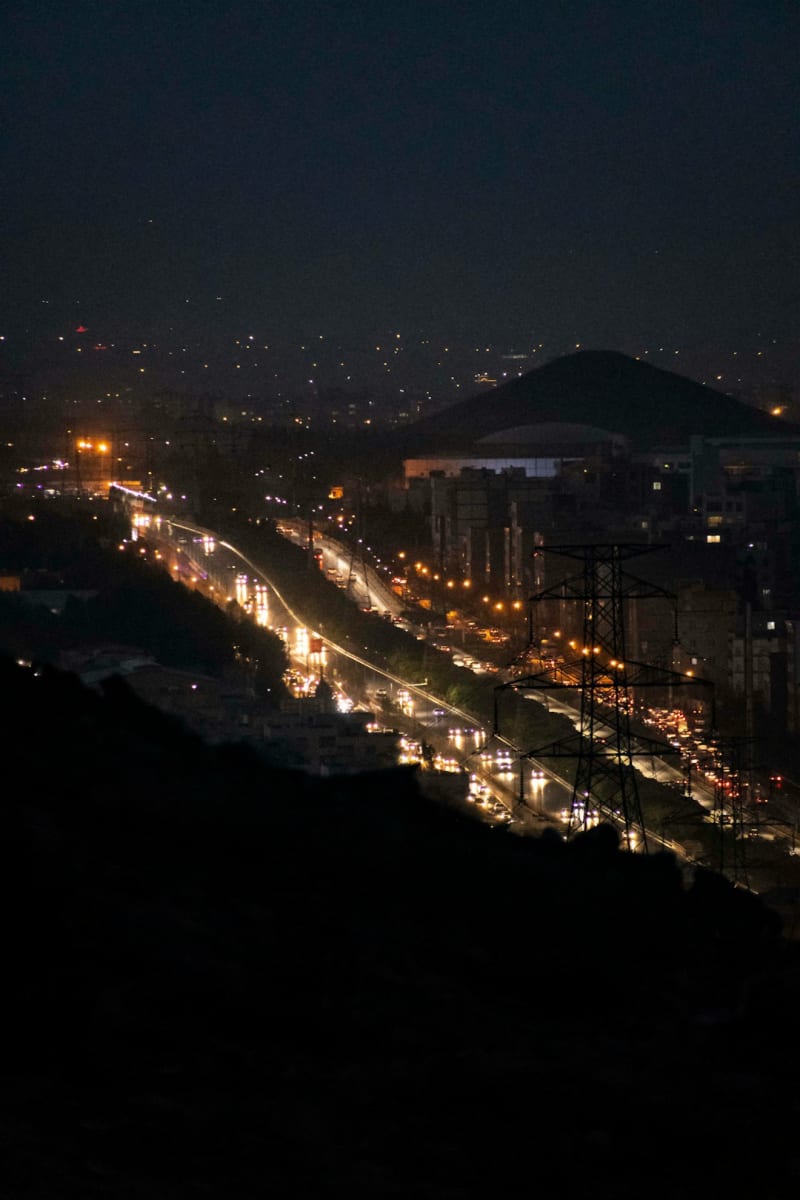 iran
iran Mashhad
Iran's second-largest city and its greatest pilgrimage destination, built around the shrine of Imam Reza and pulling in more annual visitors than Mecca.
Explore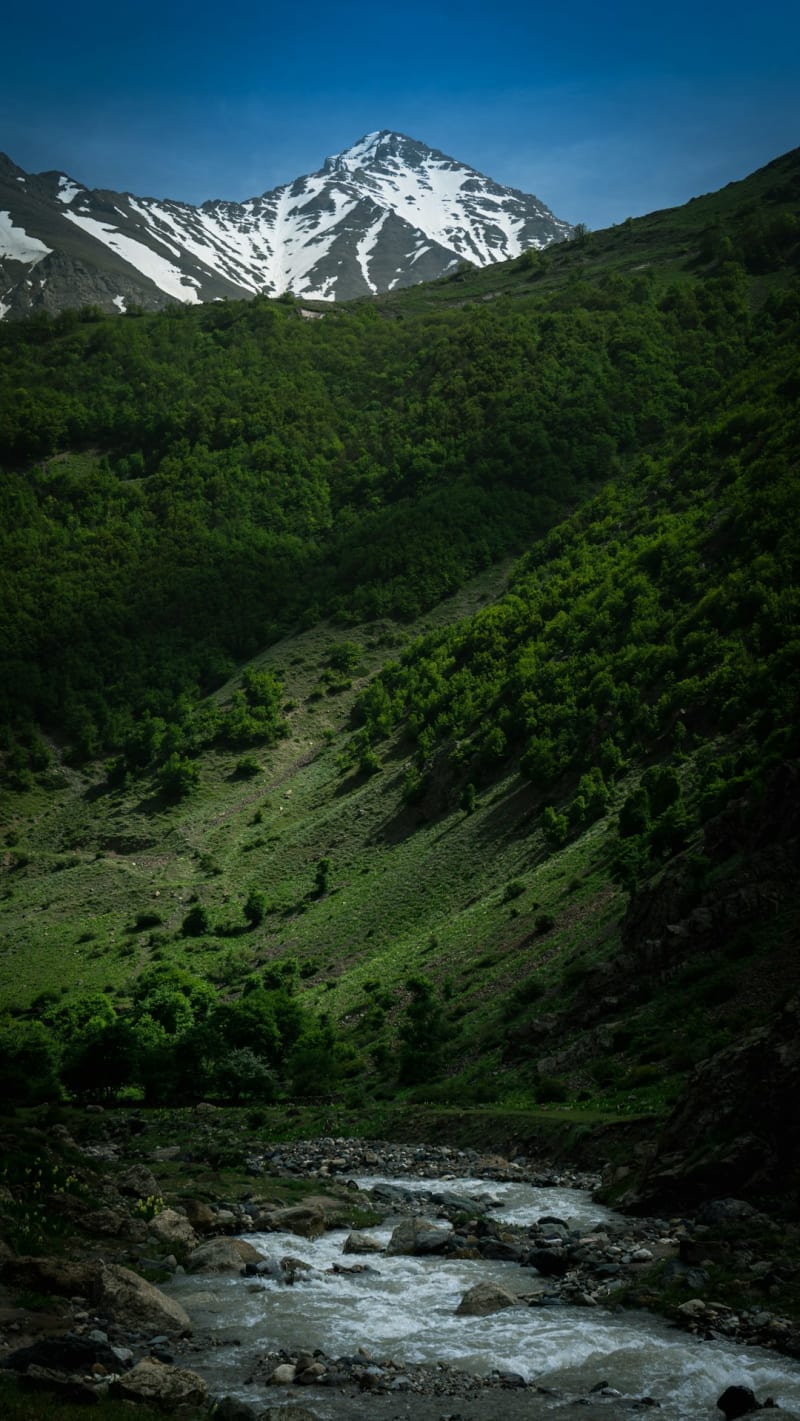 iran
iran Masuleh
A village built in steps up a cliff face in the Alborz foothills, where every roof doubles as the courtyard of the house above it, and the whole town is closed to cars.
Explore iran
iran Meybod
A desert town where a mud-brick castle, an ancient ice house, and a working pigeon tower sit within walking distance of each other.
Explore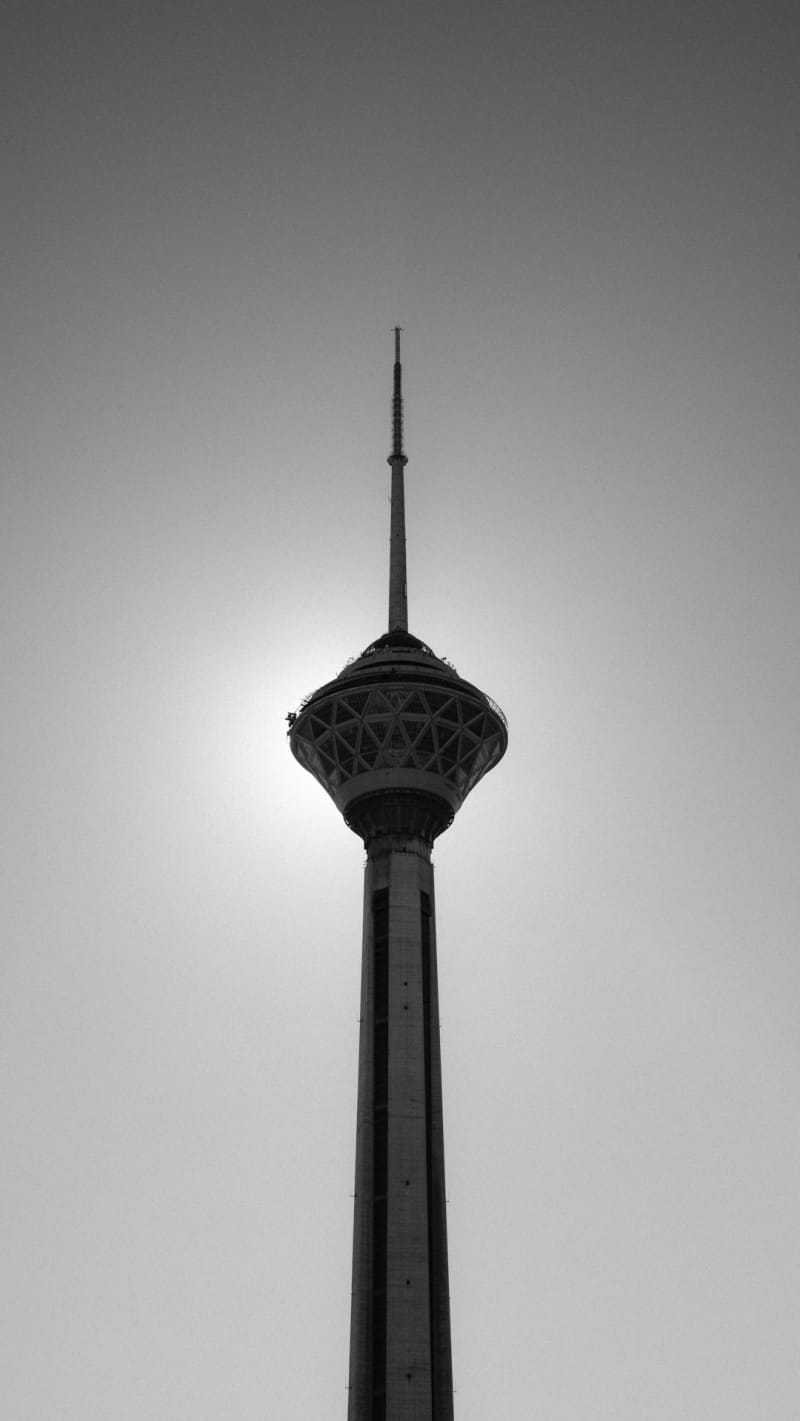 iran
iran Milad Tower
Tehran's 435-meter needle, where a revolving restaurant and an observation deck give you the one view that makes the city's scale finally make sense.
Explore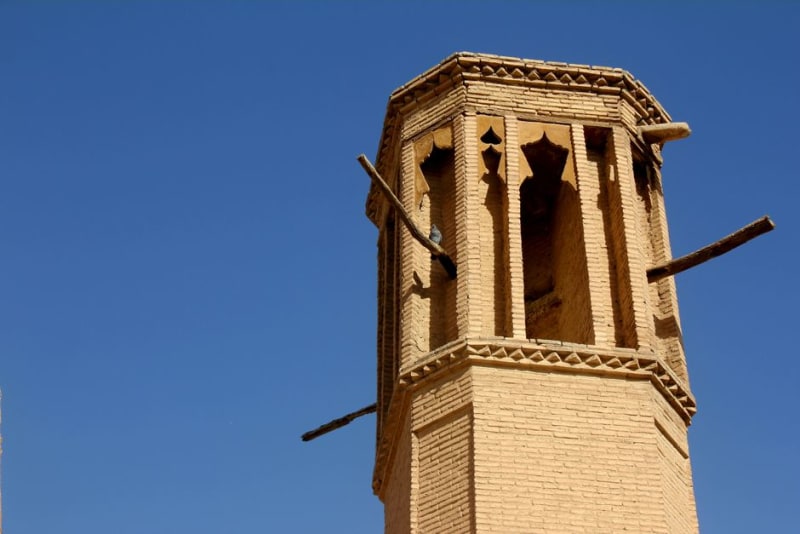 iran
iran Minab
A river-delta town near Bandar Abbas famous for its Thursday market, where Bandari women in colorful masks and embroidered dress sell spices, textiles, and livestock.
Explore