Larak Island
"The whole island has maybe a thousand people, and half of them seemed to notice us arrive."
A tiny, barely inhabited island in the Strait of Hormuz where fishing families outnumber visitors and cargo ships pass close enough to hear.
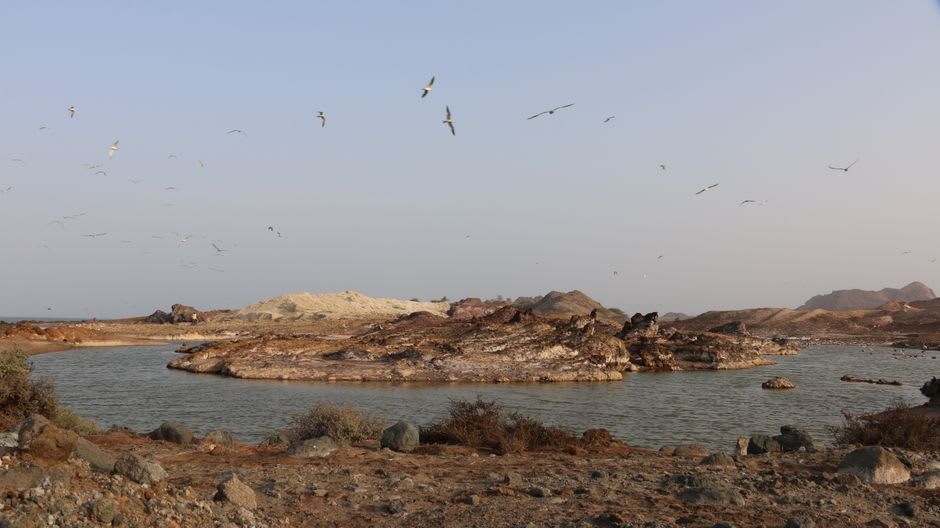
Larak sits right in the narrowest part of the Strait of Hormuz, close enough to Hormuz Island itself that on a clear day you can see it across the water, but it gets a fraction of the visitors — mostly because there’s genuinely very little infrastructure and no regular tourist ferry, just a small boat that locals arrange informally from Bandar Abbas or Qeshm if you ask around persistently enough.
Getting There Is the Story
We spent most of a morning in Bandar Abbas’s fishing harbor asking boat owners if anyone was heading to Larak, and eventually found a fisherman willing to take us along with his supply run for a modest fee. The forty-minute crossing put us directly through some of the busiest shipping lanes on the planet — enormous tankers anchored in clusters, waiting their turn through the strait, close enough that we could read the names painted on their hulls. Our fisherman, entirely unbothered by vessels a hundred times the size of his boat, wove between them without slowing down.
A Village That Isn’t Performing for Anyone
Larak’s single village is modest — simple concrete and coral-stone houses, a small mosque, boats pulled up on the beach, nets drying in the sun. There’s no restaurant, no guesthouse in any formal sense, and the handful of people who noticed us treated our presence with open curiosity rather than any practiced hospitality routine, which felt different from the more visited parts of Iran where guest-welcoming has become almost a performance art. A woman hanging laundry waved us over, gave us dates and yogurt without being asked, and seemed genuinely puzzled about why we’d bothered coming.
The Empty Interior
The island’s interior is dry, rocky, and almost entirely uninhabited — goat trails winding between low hills, the occasional herder, views back across the strait toward the tanker queues and, on the clearest days, the colored hills of Hormuz Island in the distance. We hiked up to a ridge in the late afternoon and sat watching container ships slide silently through the strait below, the whole scene lit gold, without seeing another person for almost two hours.
When to go: November through February, and only with flexible plans — there’s no scheduled transport, and reaching Larak depends entirely on finding a fisherman willing to take you along.
Keep exploring
More from Iran
 iran
iran Maku
A mountain town squeezed into a narrow gorge near the Turkish border, home to a Qajar-era palace built directly into a cliff face and some of the most dramatic scenery in all of northwestern Iran.
Explore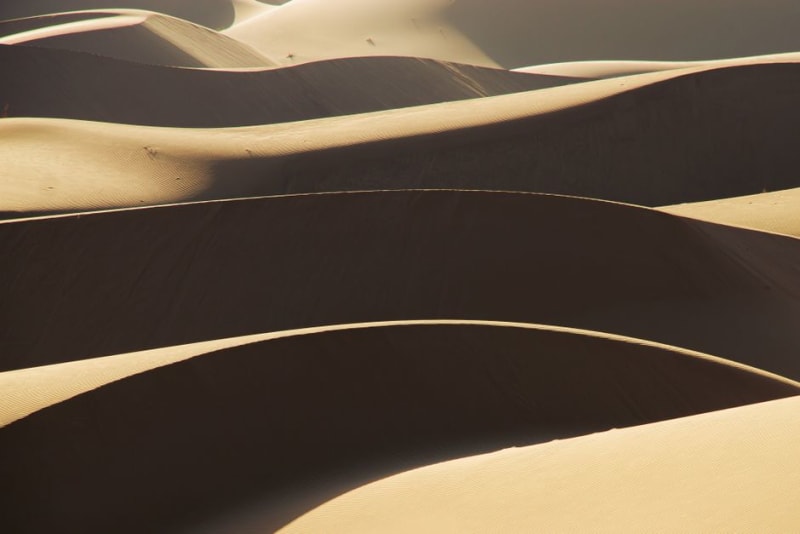 iran
iran Maranjab Desert
A Safavid-era caravanserai stranded in a sand sea, where the dunes shift color from gold to rose depending on the hour.
Explore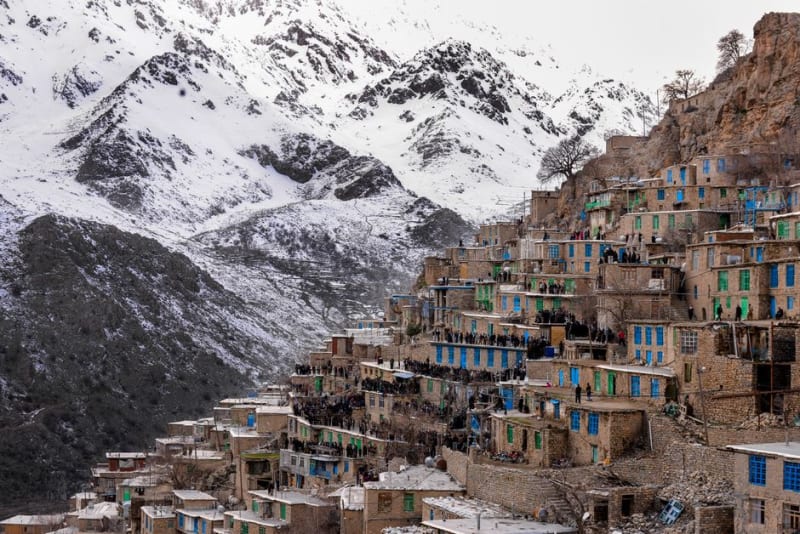 iran
iran Marivan
A Kurdish lake town on the Iraqi border where Zrebar Lake turns the surrounding Zagros peaks upside down.
Explore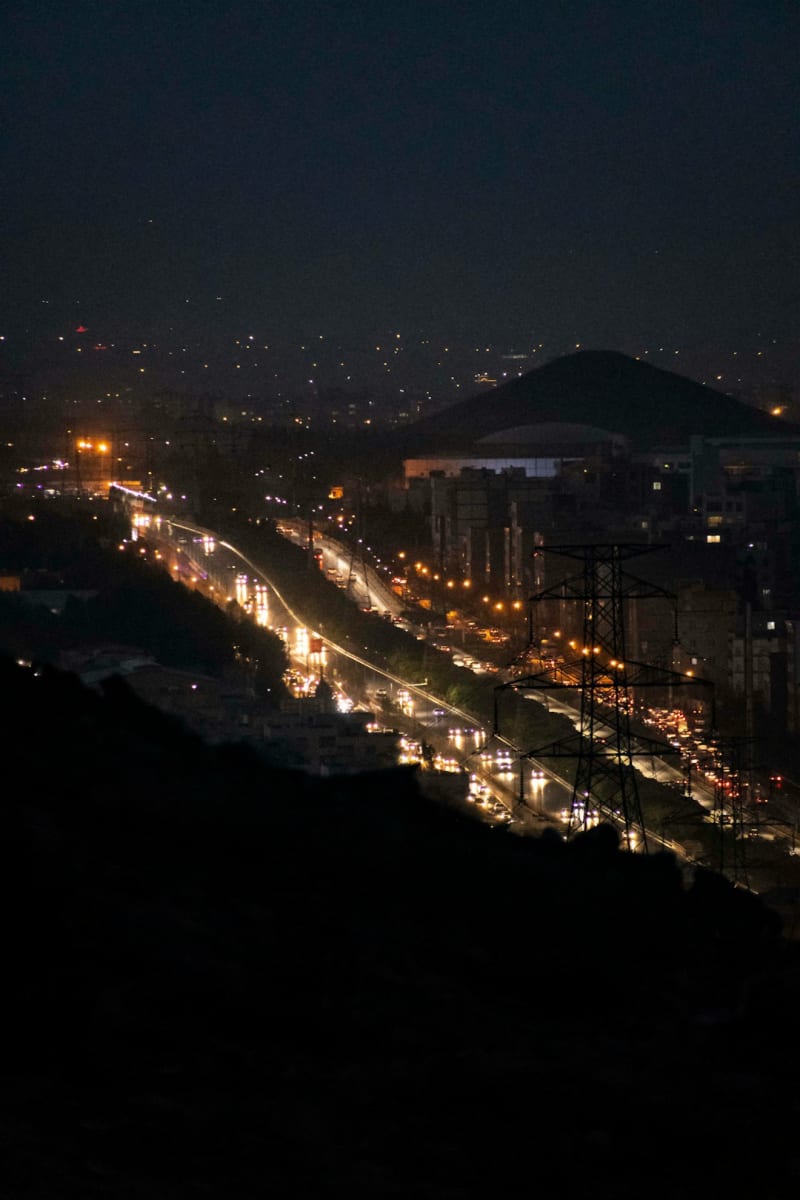 iran
iran Mashhad
Iran's second-largest city and its greatest pilgrimage destination, built around the shrine of Imam Reza and pulling in more annual visitors than Mecca.
Explore iran
iran Masuleh
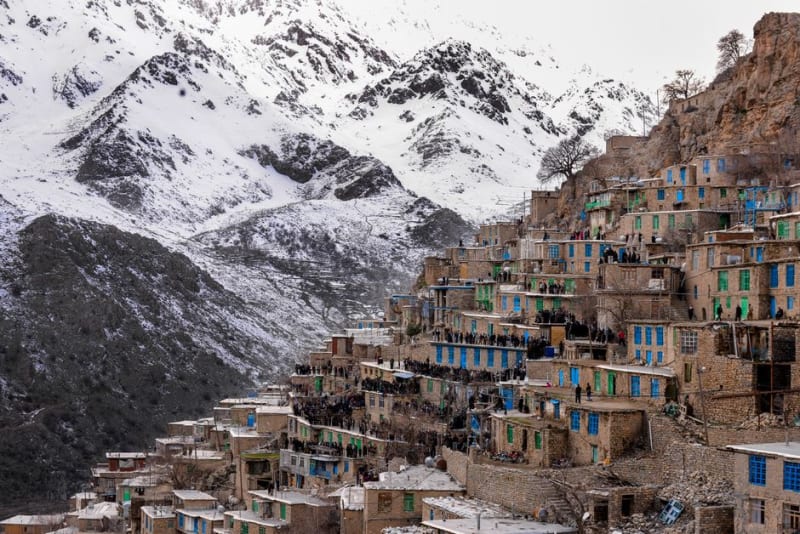
A village built in steps up a cliff face in the Alborz foothills, where every roof doubles as the courtyard of the house above it, and the whole town is closed to cars.
Explore iran
iran Meybod
A desert town where a mud-brick castle, an ancient ice house, and a working pigeon tower sit within walking distance of each other.
Explore