Lahijan
"I drank more tea in three days here than I had in the previous three months, and never once got tired of it."
Iran's tea capital, where hillsides of trimmed green tea bushes surround a lakeside town that has been growing and processing the country's entire domestic tea supply since the 1900s.
Lahijan is why Iran drinks tea instead of coffee, more or less single-handedly. In the early 1900s an Iranian named Kashef Al-Saltaneh smuggled tea cuttings out of British India — the British were reportedly reluctant to let the seedlings leave, given how profitable the tea trade was — and planted them in the hills around Lahijan, whose climate turned out to suit tea production almost perfectly. Every glass of tea served anywhere in Iran today traces some lineage back to that original smuggling operation, which is the kind of origin story I did not expect to find this compelling.
Walking the Tea Hills
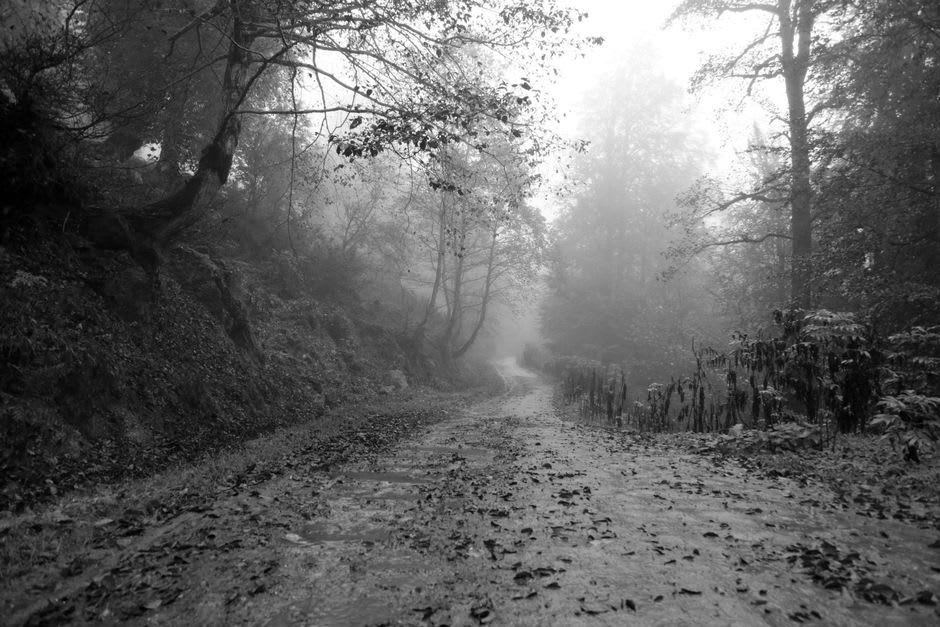
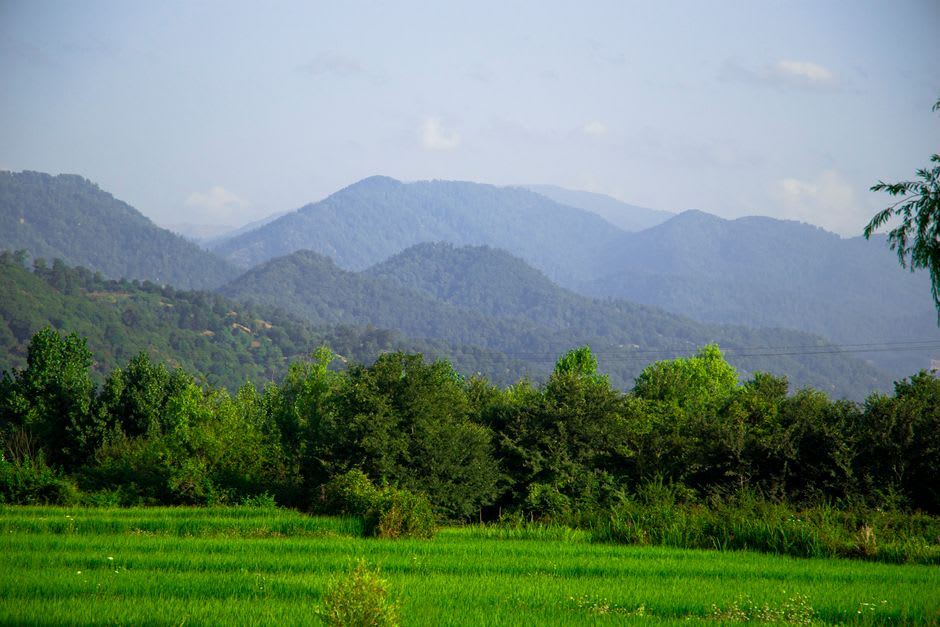
The hills surrounding the town are terraced in neat rows of trimmed tea bushes, worked mostly by women during the picking season, their bags slung across their backs as they move down the rows plucking the top leaves by hand. Wandering the terraces early in the morning, before the day’s heat sets in, the smell of cut tea leaves and damp earth is strong enough that I found myself breathing more deliberately than usual just to keep noticing it.
The National Tea Museum
Lahijan’s tea museum, housed in a converted historic building, covers the entire story — the smuggled cuttings, the early plantations, the processing techniques — with more genuine enthusiasm than most single-industry museums manage. A working section shows the withering, rolling, and drying stages that turn raw leaves into the black tea Iranians drink constantly, and the attached tea house serves the local product alongside honey and Lahijani sweets that I ended up buying an embarrassing quantity of to bring back to Lia in Rasht.
Sheikh Zahed Lake and the Town
The town itself sits beside a small lake, Sheikh Zahed, ringed by a walking path that locals use in the evenings the way other Iranian cities use a main square — for slow strolling, ice cream, and running into people they know. It’s an unhurried, low-key place, more about the surrounding tea culture and daily life than any single monument, and a good counterpoint to the intensity of Isfahan or Shiraz.
When to go: May through early July covers the main tea harvest and picking season, when the hills are busiest and most photogenic. September brings a smaller second harvest and quieter, cooler weather for walking the plantation paths.
Keep exploring
More from Iran
 iran
iran Larak Island
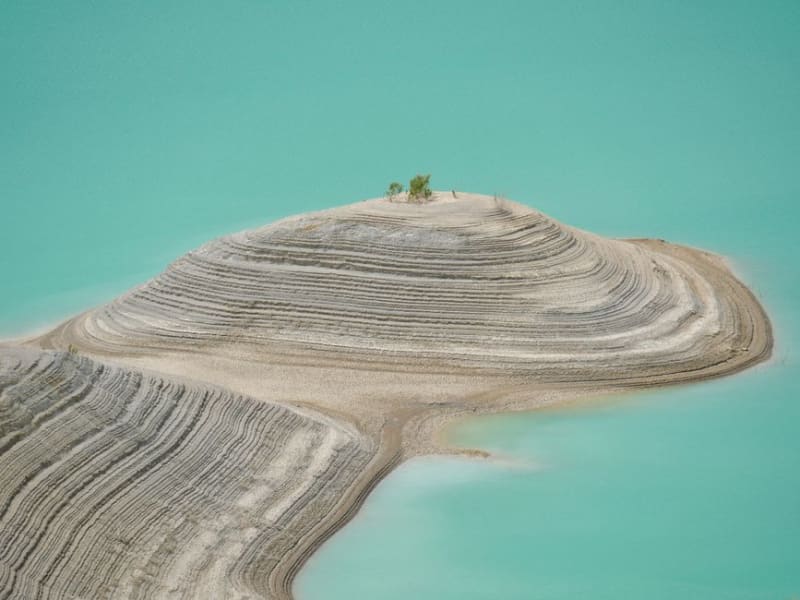
A tiny, barely inhabited island in the Strait of Hormuz where fishing families outnumber visitors and cargo ships pass close enough to hear.
Explore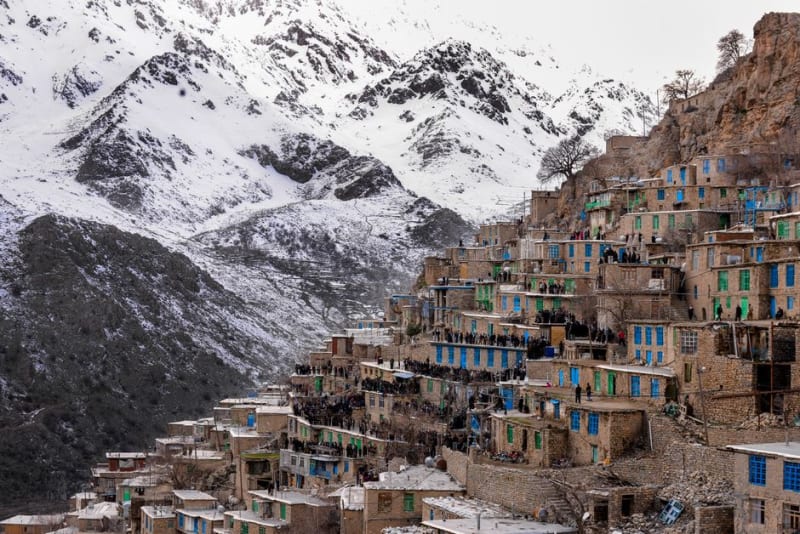 iran
iran Maku
A mountain town squeezed into a narrow gorge near the Turkish border, home to a Qajar-era palace built directly into a cliff face and some of the most dramatic scenery in all of northwestern Iran.
Explore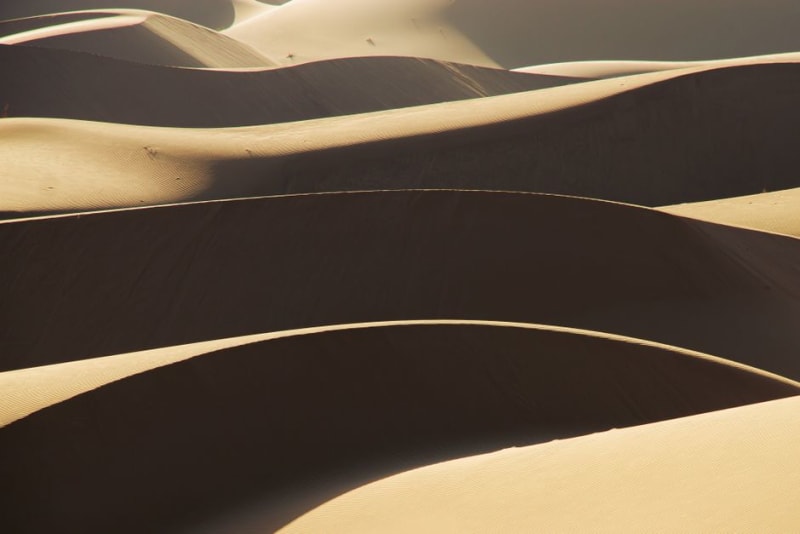 iran
iran Maranjab Desert
A Safavid-era caravanserai stranded in a sand sea, where the dunes shift color from gold to rose depending on the hour.
Explore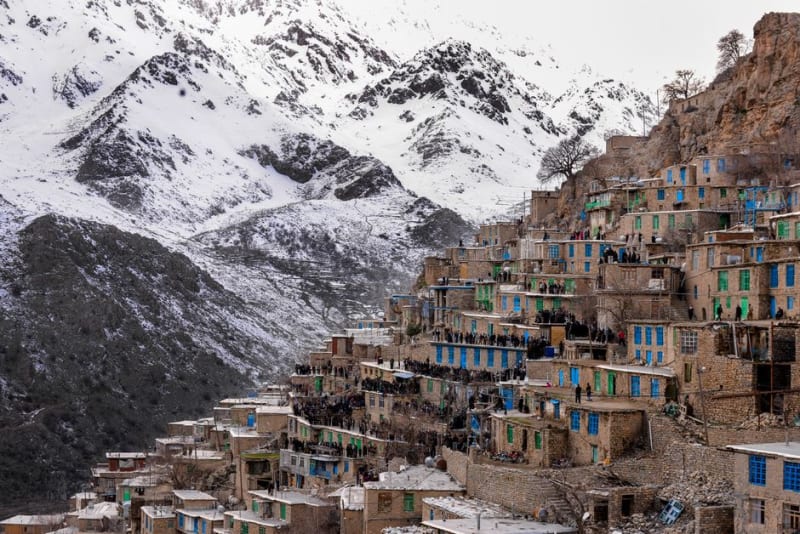 iran
iran Marivan
A Kurdish lake town on the Iraqi border where Zrebar Lake turns the surrounding Zagros peaks upside down.
Explore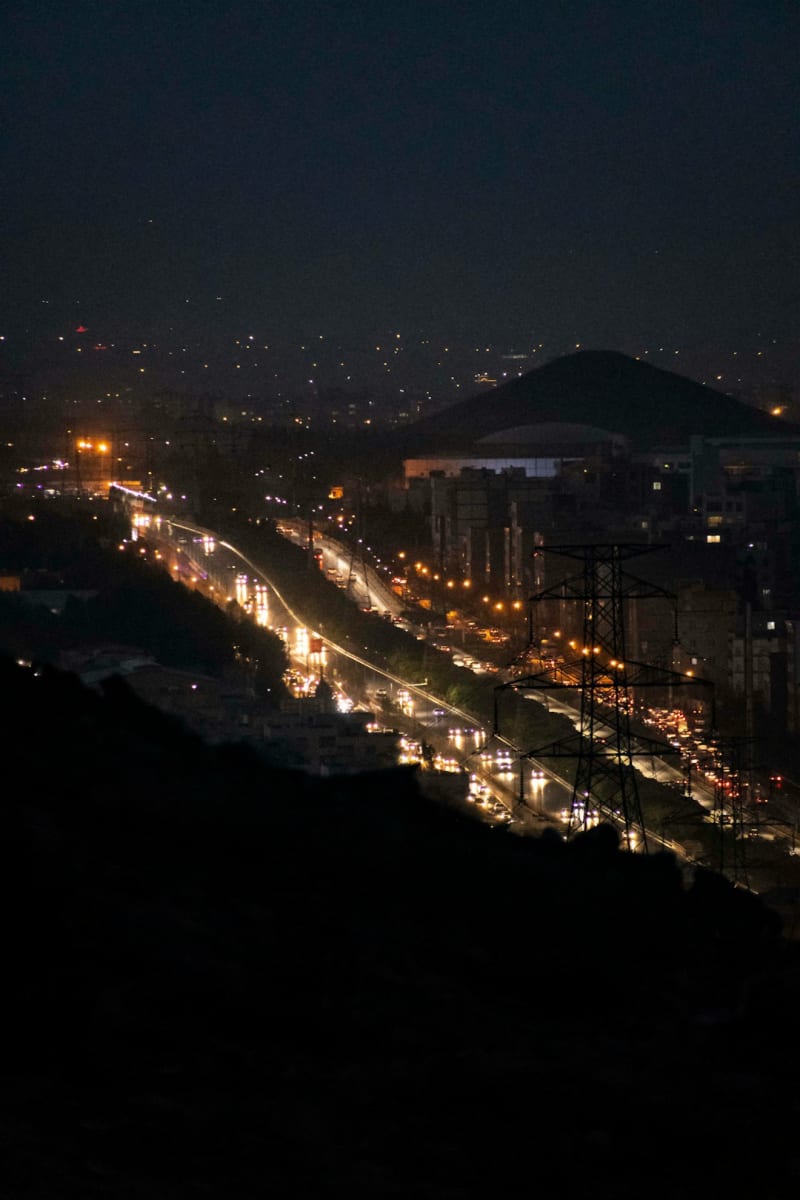 iran
iran Mashhad
Iran's second-largest city and its greatest pilgrimage destination, built around the shrine of Imam Reza and pulling in more annual visitors than Mecca.
Explore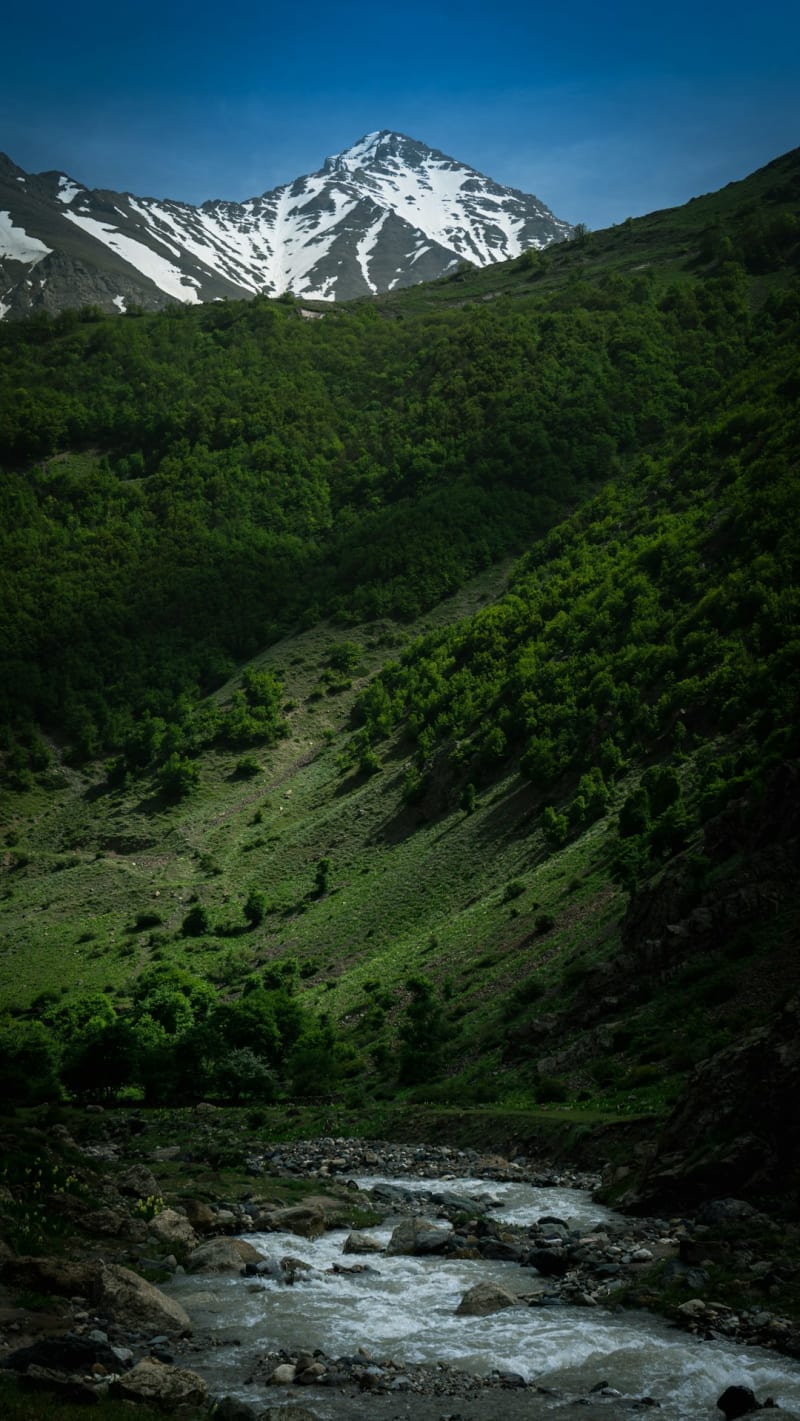 iran
iran Masuleh
A village built in steps up a cliff face in the Alborz foothills, where every roof doubles as the courtyard of the house above it, and the whole town is closed to cars.
Explore