Kelardasht
"It was the only place in Iran where I forgot, for a full afternoon, that I was more than a short drive from the sea."
A high mountain valley in Mazandaran ringed by some of the Alborz's tallest peaks, centered on a turquoise lake and dotted with orchard villages that empty out entirely once the snow starts.
Kelardasht sits in a broad, high valley in Mazandaran, ringed by some of the tallest summits in the Alborz range, including a clear sightline on a good day toward the northern approaches of Mount Damavand. The valley floor is a patchwork of orchards and small villages connected by a single winding road, sitting at an elevation high enough that the air feels noticeably thinner and cooler than the Caspian coast just an hour or so downhill.
Valasht Lake
The valley’s centerpiece is Valasht Lake, a small glacial lake with startlingly turquoise-green water sitting in a natural bowl surrounded by pine forest and grazing meadows. I’d seen photos before arriving and assumed some amount of color enhancement — it turned out the water really is that color, a mineral effect from the surrounding limestone, and it shifts noticeably in tone depending on the light and time of day. A short walking path circles the lake, and a handful of simple teahouses along the shore serve tea and grilled corn to the mostly Iranian families who make the trip.
Orchard Villages
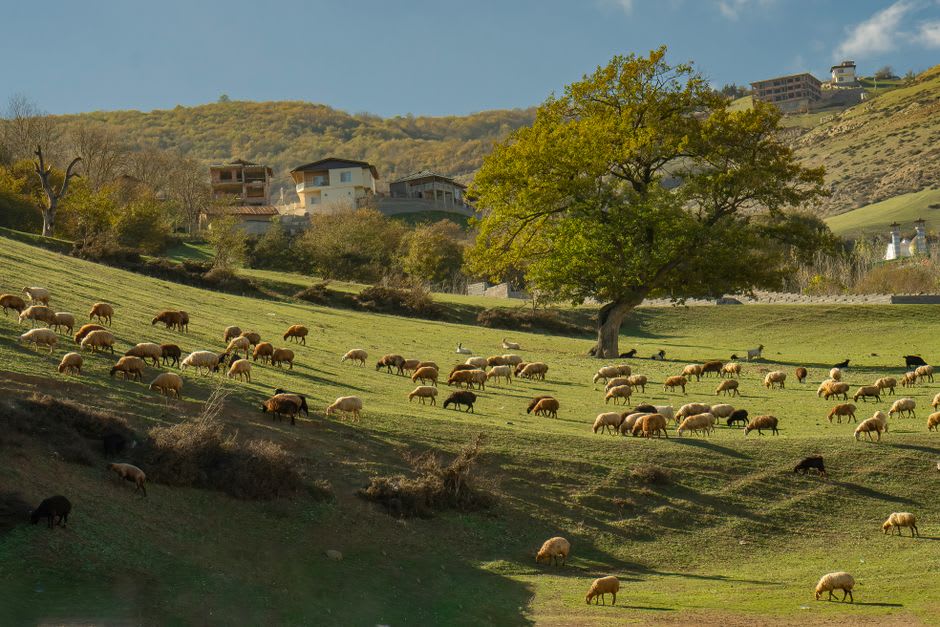
The villages scattered through the valley — Kelardasht is really an umbrella name for a cluster of them — are built low and simple, surrounded by apple and cherry orchards that bloom in a wash of white and pink in spring. We stayed a night in a family guesthouse in one of the smaller villages, where dinner was whatever had come out of the garden that day and the host’s teenage son practiced his English on us with more patience than I deserved given how slowly I answered.
A Quiet Alternative to the Coast
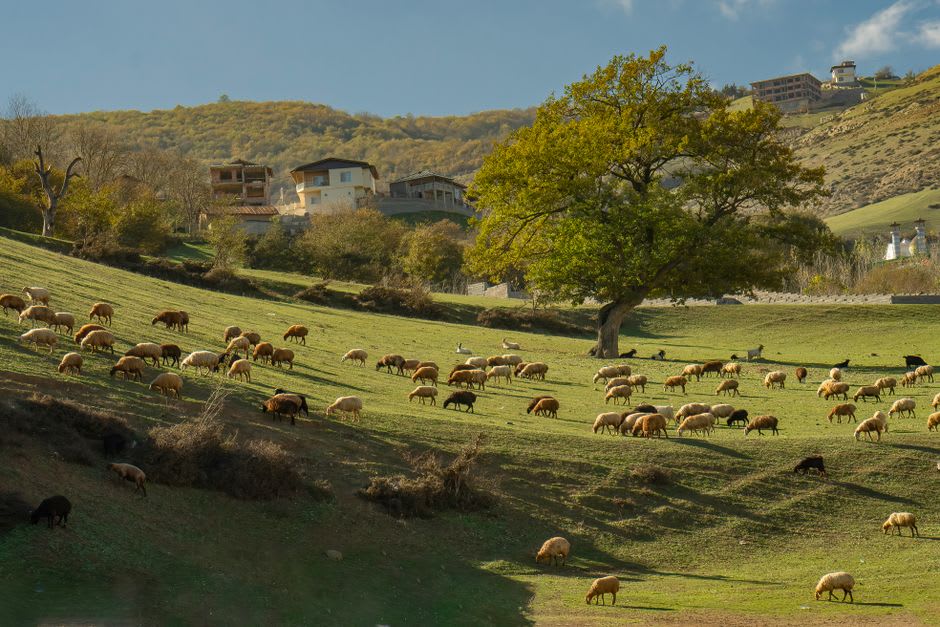
What struck me most about Kelardasht was how different its silence felt from the coast an hour away. The Caspian towns have a bustle to them even in the off-season — traffic, markets, the sea itself making noise. Up here, the loudest thing most evenings was wind moving through the orchards and, occasionally, sheep bells from somewhere on the hillside. It’s the kind of place that rewards doing very little: a walk around the lake, a long lunch, an afternoon nap in a hammock strung between two apple trees.
When to go: Late spring for the orchard bloom, or September for clear mountain air and harvest season in the villages. The valley closes down considerably once snow arrives, typically from November through March.
Keep exploring
More from Iran
 iran
iran Kerman
A desert crossroads city with an exquisite Safavid bazaar and hammam, and the gateway to the Lut Desert's otherworldly kaluts.
Explore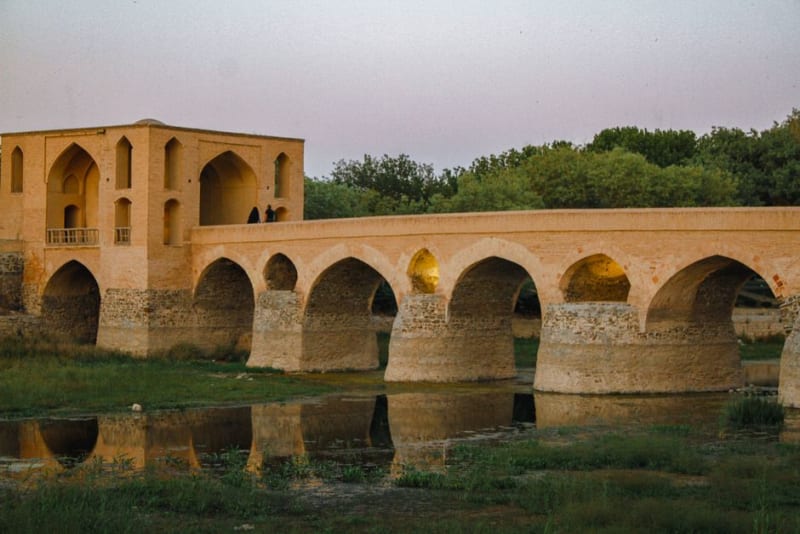 iran
iran Khaju Bridge
A two-story Safavid bridge-dam that doubles as a pavilion, a floodgate, and — after dark, when Isfahanis gather in its arches to sing — the best free concert in the country.
Explore iran
iran Kharanaq
An abandoned mud-brick village on a cliff edge, left to the wind exactly as its last residents walked out of it decades ago.
Explore iran
iran Kharg Island
A small, heavily guarded oil terminal island in the northern Persian Gulf that also holds Sassanid rock tombs and a sunken Portuguese-era church.
Explore iran
iran Khorramabad
The Lorestan capital, where a Sassanid fortress rises from a lake island and waterfalls cut straight through the edge of town.
Explore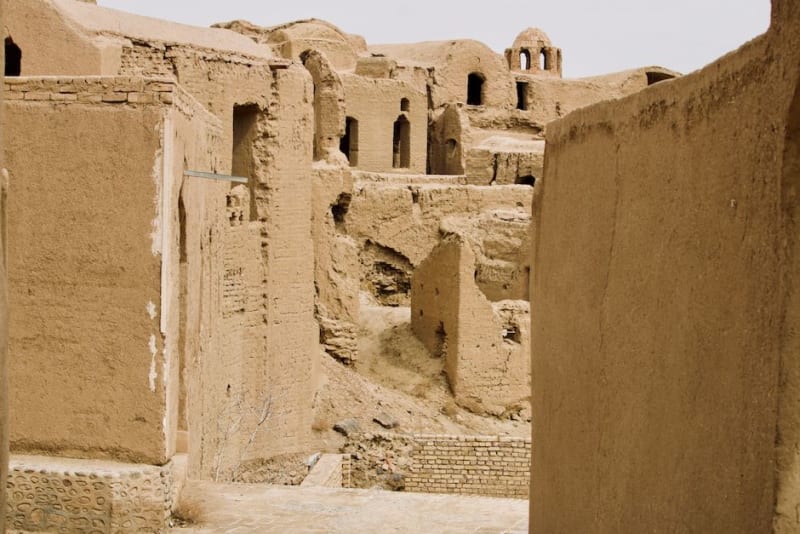 iran
iran Khoy
A weathered border-region town with a crumbling brick citadel, a bazaar that feels a century behind Tabriz's, and the kind of unhurried hospitality that only shows up once the tour buses stop coming.
Explore