Jolfa
"Three countries within sight of each other, and the quietest border crossing I've ever seen."
A quiet border town on the Aras River where Iran, Armenia, and Azerbaijan nearly touch, and where an Armenian quarter of walled gardens hints at a much larger community that vanished centuries ago.
Jolfa is not a place people plan a trip around, and that’s exactly why I liked it. It’s a small town pressed against the Aras River, the natural border with Armenia, close enough to Azerbaijan’s Nakhchivan exclave that a short drive puts you within view of two other countries at once. We stayed a single night on the way to the Armenian monasteries further into the mountains, and ended up wishing we’d budgeted two.
The River as Border
Standing on the Iranian riverbank at dusk, you can watch lights come on across the water in Armenia — an odd, quiet intimacy given how little movement actually happens across that line. A guesthouse owner explained, over tea, that his grandfather used to cross regularly for trade before the Soviet era sealed the border for decades; these days it’s mostly military and the occasional diplomatic convoy. The river itself is narrow and fast enough here that swimming isn’t really an option, but walking the embankment path at golden hour, with the Caucasus foothills rising on both sides, was one of the more contemplative half-hours of the whole trip.
Old Jolfa’s Ghost
The town’s name carries more history than its current size suggests. Old Jolfa, a few kilometers away, was once a major Armenian merchant hub — so significant that Shah Abbas I forcibly relocated its entire population to Isfahan in 1604 to found New Julfa, the Armenian quarter I’d later spend an afternoon wandering hundreds of kilometers south. What remains here is smaller: a scattering of Armenian cemeteries with elaborately carved khachkar tombstones, some dating back centuries, tucked behind low stone walls that most visitors drive straight past without noticing.
A Base, Not a Destination
Practically speaking, Jolfa functions as the logical overnight base for visiting St. Stepanos Monastery and Qareh Kelisa, both a couple of hours further into the mountains. The town itself has a modest bazaar, decent kebab houses, and guesthouses run by families who’ve clearly hosted the occasional lost foreign traveler before and know exactly how to point them toward the right taxi driver.
When to go: April to June or September to October, when the river valley is green and temperatures are mild enough for the embankment walks that make an overnight here worthwhile.
Keep exploring
More from Iran
 iran
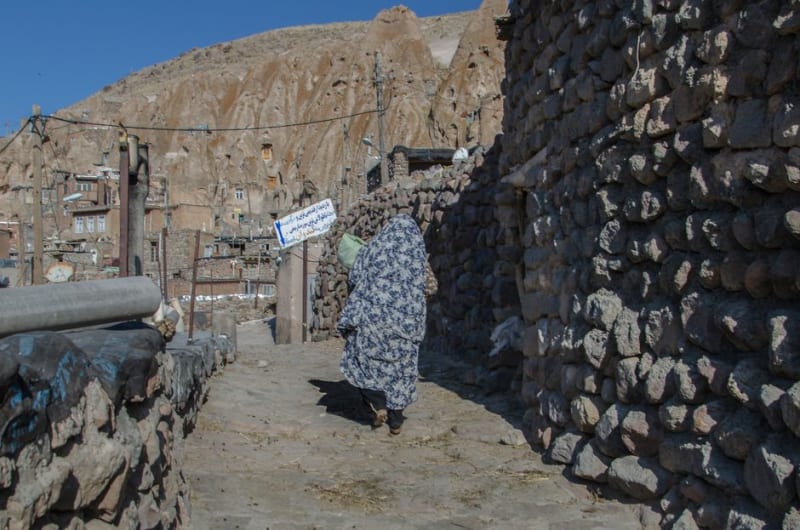
iran Kandovan
A troglodyte village of volcanic rock cones near Tabriz, still inhabited after seven centuries, that looks like Cappadocia's quieter, less-discovered cousin.
Explore iran
iran Kashan
Exquisite Qajar mansions with courtyard gardens, and the world's finest rose-water distilleries in bloom each May.
Explore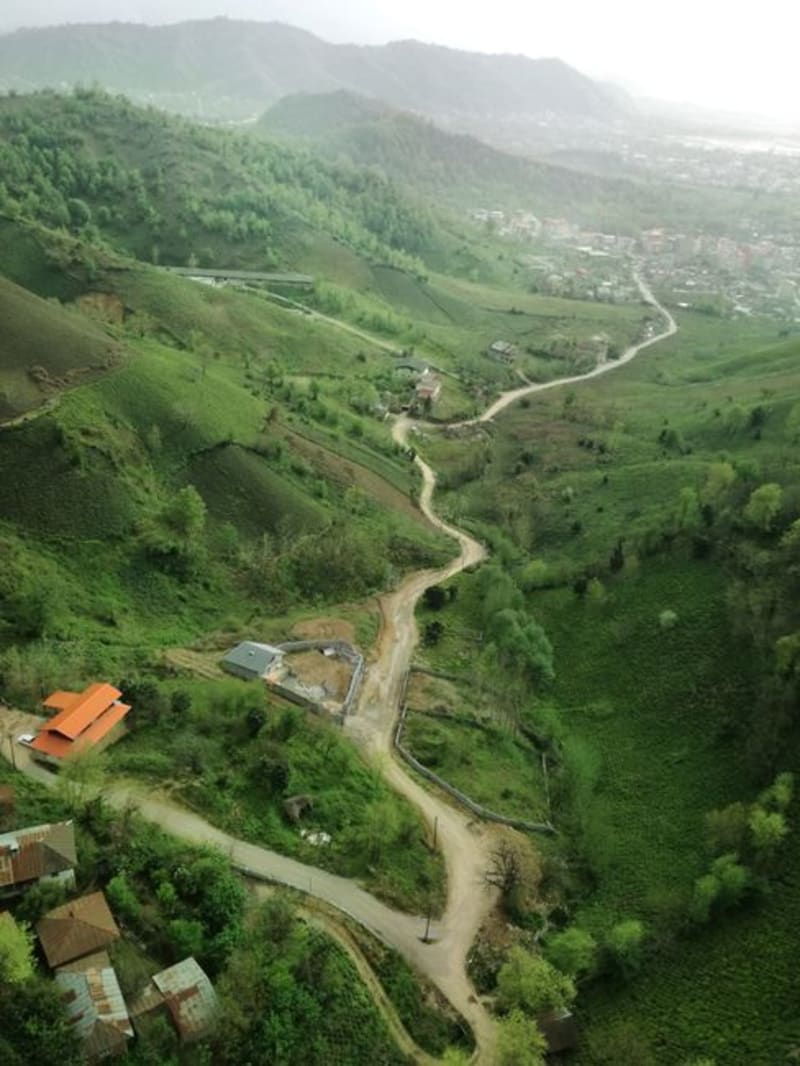 iran
iran Kelardasht
A high mountain valley in Mazandaran ringed by some of the Alborz's tallest peaks, centered on a turquoise lake and dotted with orchard villages that empty out entirely once the snow starts.
Explore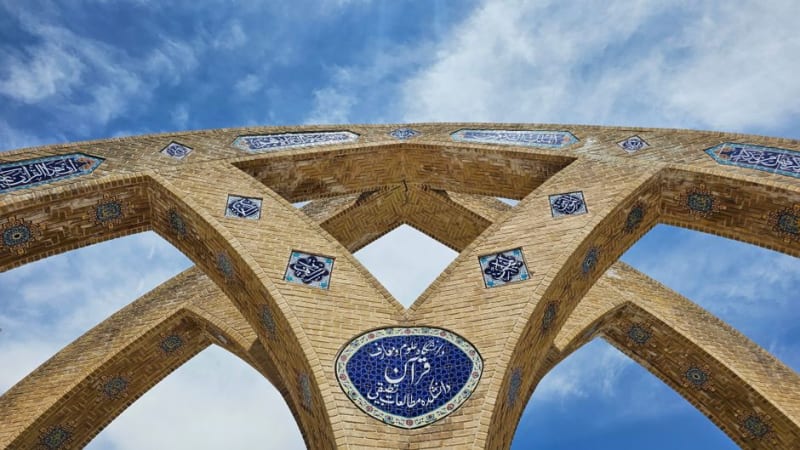 iran
iran Kerman
A desert crossroads city with an exquisite Safavid bazaar and hammam, and the gateway to the Lut Desert's otherworldly kaluts.
Explore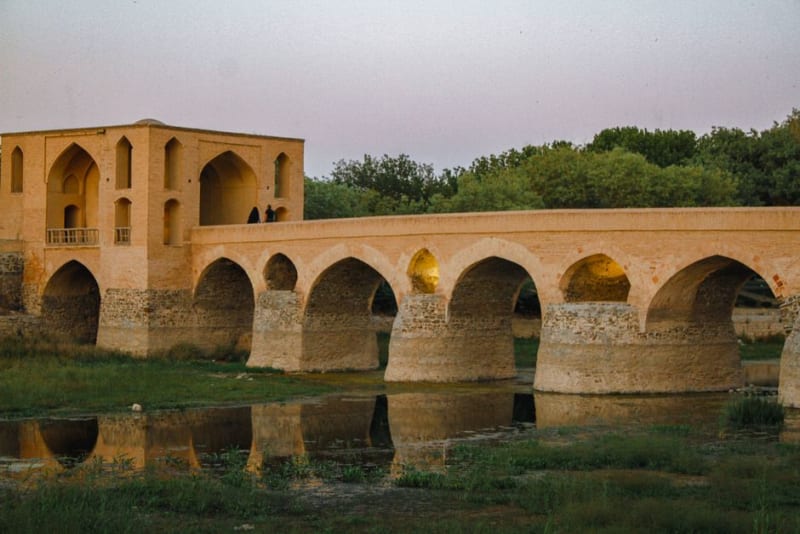 iran
iran Khaju Bridge
A two-story Safavid bridge-dam that doubles as a pavilion, a floodgate, and — after dark, when Isfahanis gather in its arches to sing — the best free concert in the country.
Explore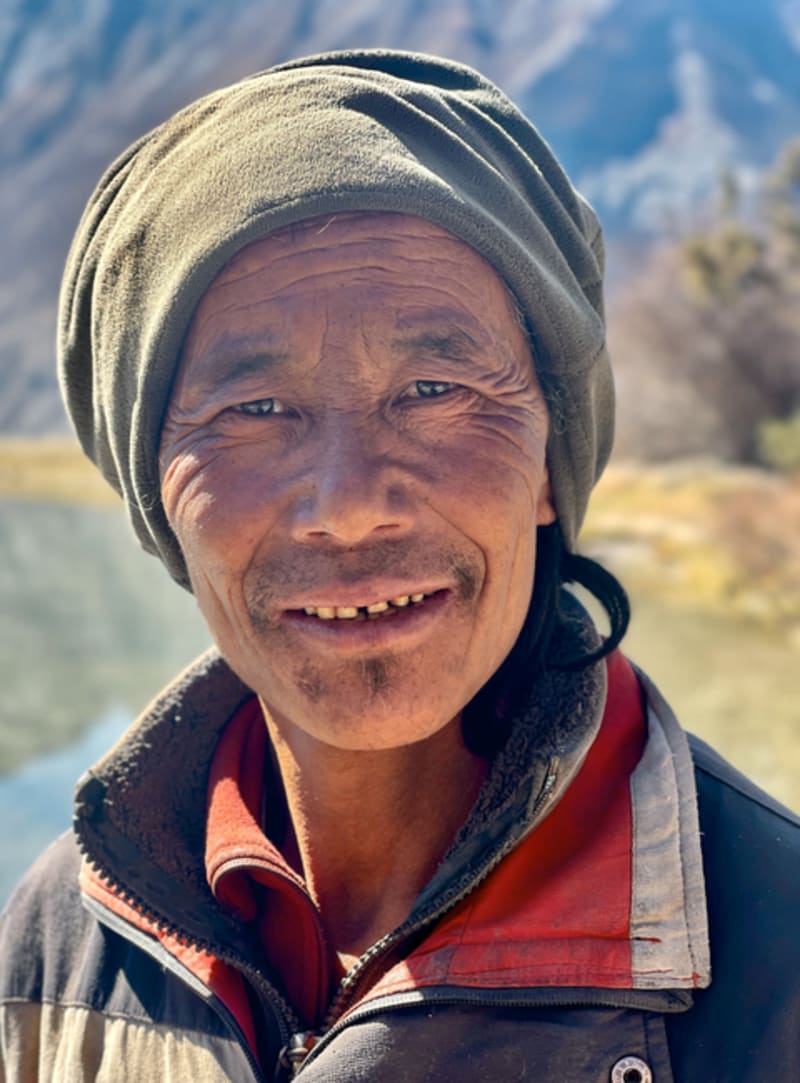 iran
iran Kharanaq
An abandoned mud-brick village on a cliff edge, left to the wind exactly as its last residents walked out of it decades ago.
Explore