A 3,300-year-old Elamite ziggurat rising out of empty Khuzestan plain, better preserved than anything comparable in Mesopotamia and visited by almost no one.
I drove two hours out of Ahvaz through a landscape so flat and featureless that I started doubting my own GPS, and then the ziggurat appeared on the horizon like something dropped from another century entirely — which, in a sense, it was. Chogha Zanbil was built around 1250 BCE by the Elamite king Untash-Napirisha as a religious complex dedicated to the god Inshushinak. It is the best-preserved ziggurat outside Mesopotamia, and when UNESCO made it Iran’s first World Heritage Site in 1979, they weren’t exaggerating its importance. What stunned me was how few people knew it existed at all, myself included until a few years ago.
Walking the Concentric Walls
The site is laid out as three concentric square walls surrounding the ziggurat itself, which originally rose in five levels to a temple at the summit — only about half of that height survives now, but even truncated it’s an overwhelming thing to stand beneath. The mudbricks are stamped with cuneiform inscriptions in Elamite, thousands of them, naming the king and describing the temple’s construction in a way that felt almost like reading a signature left on purpose for someone three thousand years later. I climbed the surviving staircases as far as the barriers allowed and looked back over the outer walls toward a horizon with nothing on it — no roads, no other buildings, just heat shimmer and scrub.
Why It Survived
Part of what makes Chogha Zanbil remarkable is the accident of its abandonment. The complex was sacked by the Assyrian king Ashurbanipal in the 7th century BCE and then largely left alone — no later city was built on top of it, no reuse of its bricks for other construction, which is what typically strips ancient sites in inhabited regions down to their foundations. It sat mostly untouched under sand until a French archaeological team began excavating it in the 1950s. Lia pointed out that this is the strange irony of a lot of the best-preserved ancient sites: the ones nobody wanted enough to build over.
Getting Oriented
There’s no town at the site itself — you’ll base yourself in Ahvaz or Shush (ancient Susa, worth combining into the same trip) and hire a driver for the day. A small on-site museum explains the Elamite context reasonably well in English. Bring water and a hat; there is essentially no shade, and Khuzestan heat is serious business for most of the year.
When to go: November through March. Khuzestan is one of the hottest regions in Iran and summer temperatures regularly exceed 45°C, which makes a shadeless archaeological site close to unbearable. Winter mornings are the sweet spot.
Keep exploring
More from Iran
 iran
iran Darakeh
A stream-side village trailhead at Tehran's northern edge, lined with riverside teahouses, where the city's serious hikers actually start their Alborz weekends.
Explore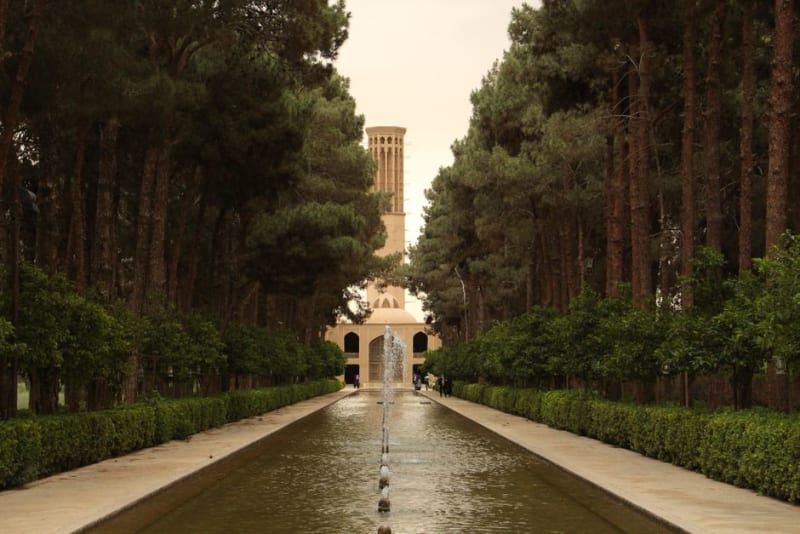 iran
iran Dowlat Abad Garden
A Persian paradise garden built around the tallest windcatcher on earth, where geometry and shade turn desert heat into something almost gentle.
Explore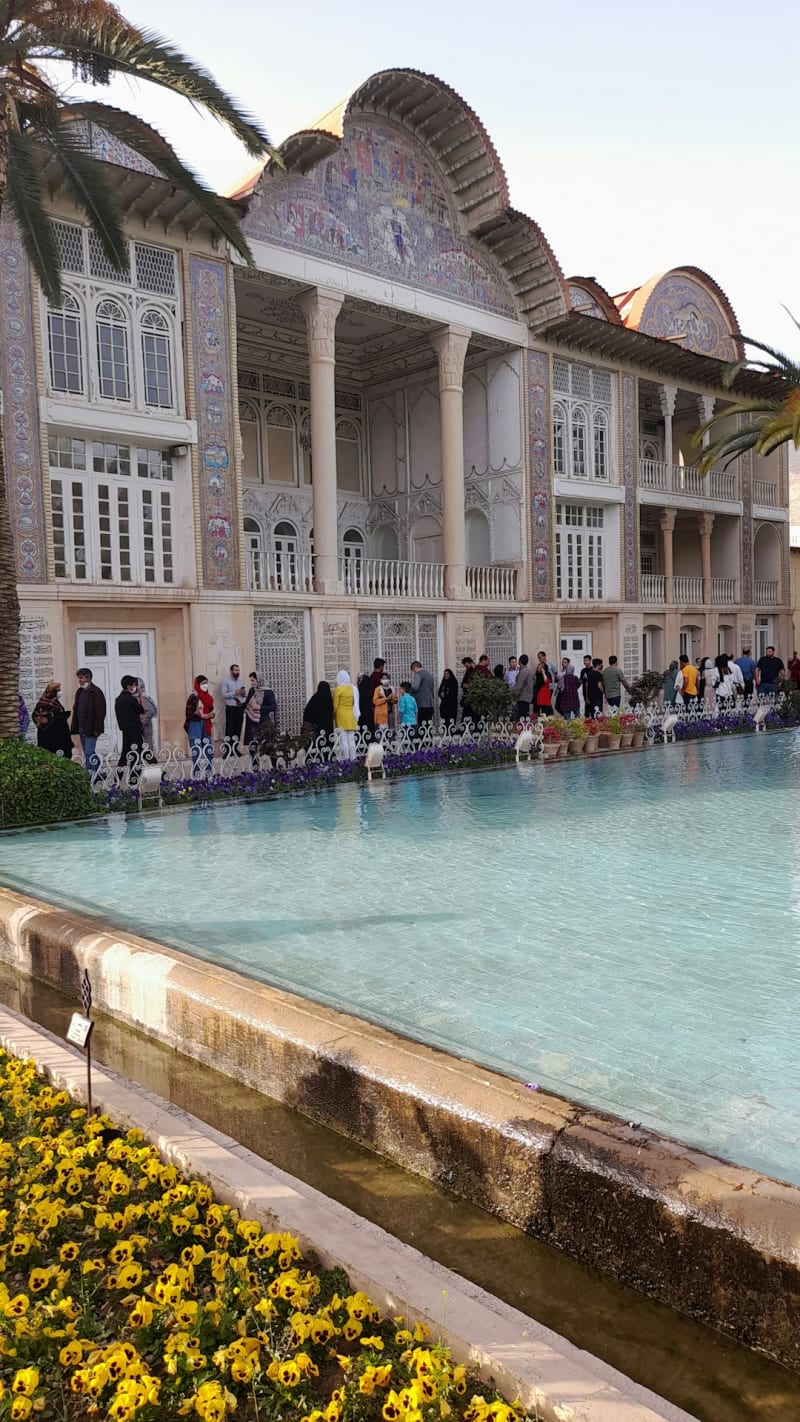 iran
iran Eram Garden
A UNESCO-listed Persian paradise garden where roses, cypress, and a Qajar mansion argue about which one is the real attraction.
Explore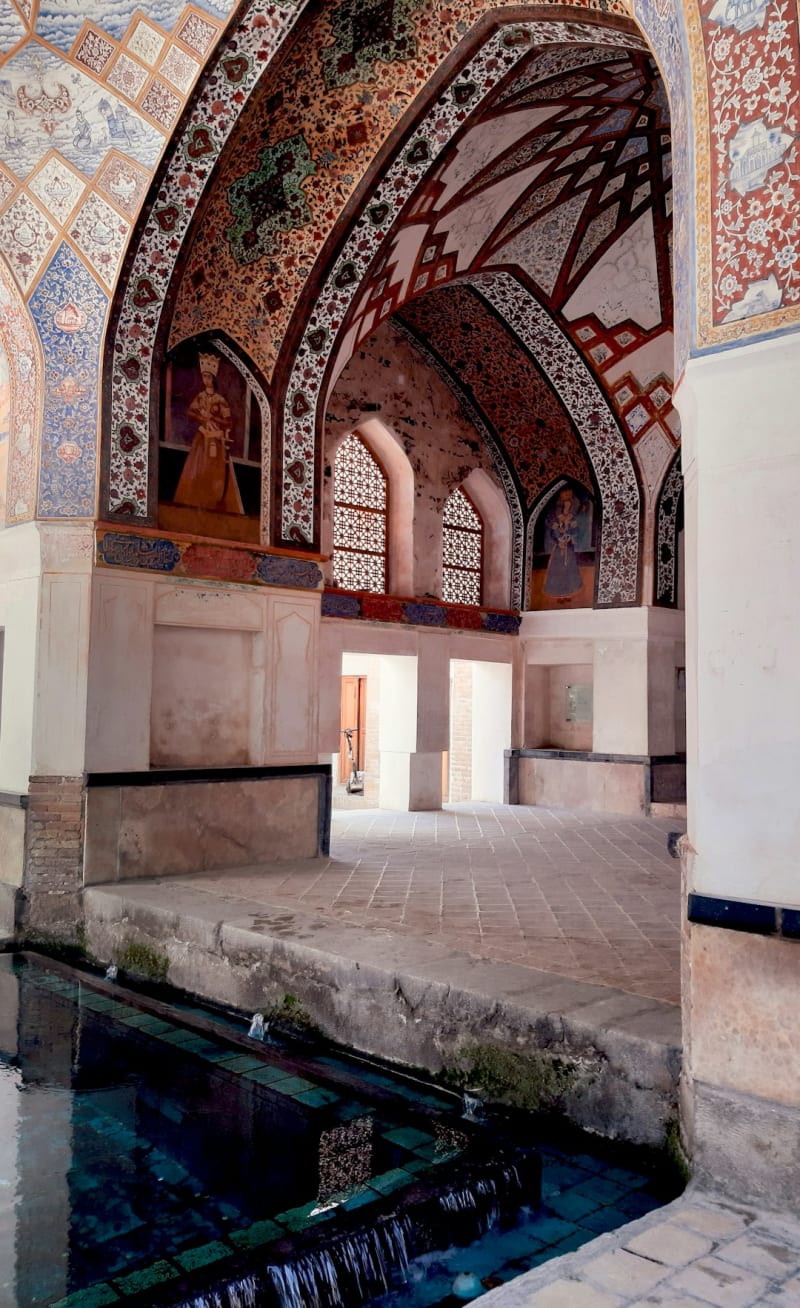 iran
iran Fin Garden
A Persian paradise garden of turquoise pools and cypress avenues, where an assassinated statesman's bathhouse still stains the marble.
Explore iran
iran Gorgan
The gateway to Turkmen Sahra at the eastern edge of the Caspian region, where Persian, Turkmen, and steppe cultures overlap in a way found nowhere else on Iran's northern coast.
Explore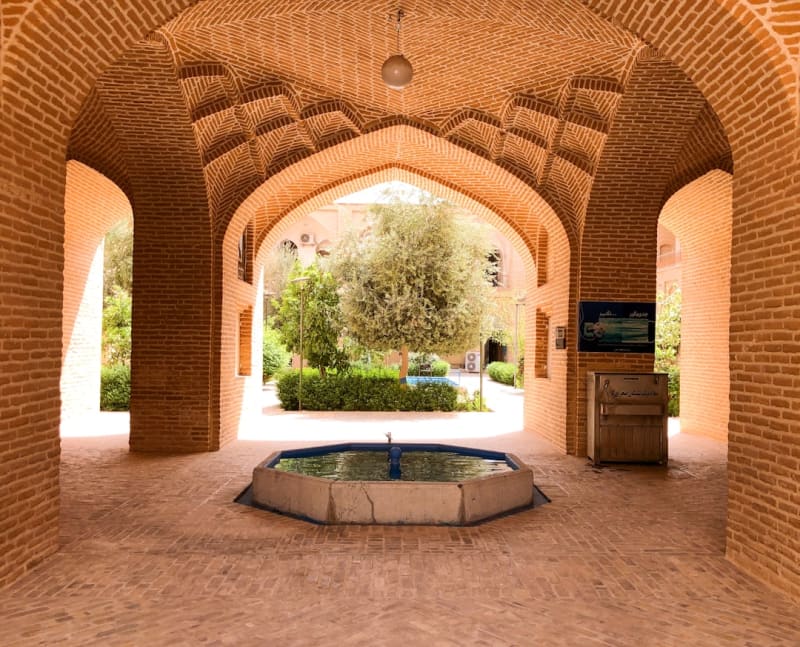 iran
iran Hasht Behesht Palace
The Eight Paradises pavilion — a small, half-forgotten Safavid summer palace hidden inside a public garden, with almost none of the square's crowds and all of its craftsmanship.
Explore