A Safavid pleasure pavilion whose twenty slender columns double to forty in its reflecting pool — and whose frescoed halls tell more honest history than any plaque.
I nearly walked past Chehel Sotoun the first time, which tells you something about how Isfahan trains your eye. After Naqsh-e Jahan Square, a garden pavilion with a wooden porch seemed modest. Then I saw the pool.
The Math of the Name
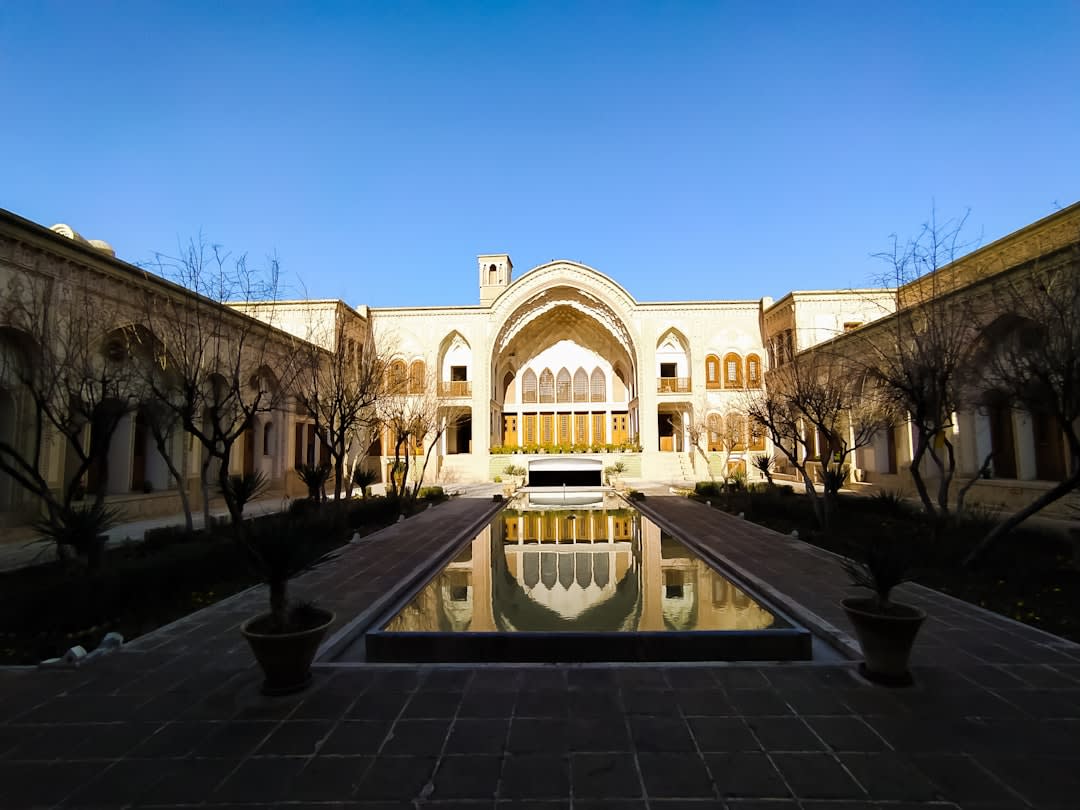
Chehel Sotoun means Forty Columns, and the palace has exactly twenty — twelve slim wooden ones holding up the entrance veranda, plus a handful more scattered further in. The other twenty exist only in the long reflecting pool that runs the length of the garden in front of it. Shah Abbas II built it in the 1640s as a reception hall for foreign dignitaries, and whoever designed that pool understood exactly how photographs work three centuries before cameras existed. Stand at the far end at midday and the doubling is so exact it looks retouched.
What the Walls Actually Say
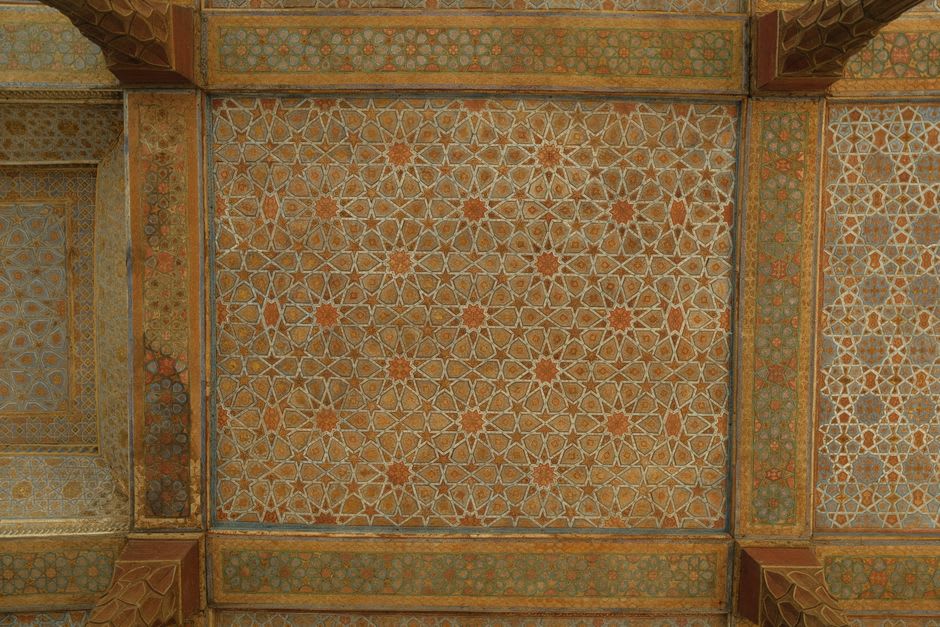
Inside, the real reason to visit isn’t the columns at all. The great hall is covered floor to ceiling in frescoes commemorating Safavid military victories and royal banquets, and unlike the abstract geometric tilework everywhere else in the city, these are figurative — battles against the Uzbeks, a reception for a Mughal envoy, dancing girls, wine cups mid-pour. Lia stood in front of one panel depicting a battle scene for a long time, pointing out how the horses were painted mid-stride with more anatomical accuracy than she expected from the 1600s. A caretaker told us, almost apologetically, that some of the wine-drinking scenes were painted over during more conservative periods and only uncovered again during restoration. History leaves fingerprints.
We sat afterward on the pool’s edge with a paper cone of roasted pistachios bought from a vendor outside the garden gate, watching a group of Isfahani teenagers stage their own photo, arranging themselves so the columns lined up behind them in the water. Some traditions never go out of style.
When to go: Late morning, when the sun sits high enough to light the frescoes through the hall’s tall windows without yet flattening the reflection in the pool. Spring and autumn keep the surrounding garden green and the water still.
Keep exploring
More from Iran
 iran
iran Chogha Zanbil
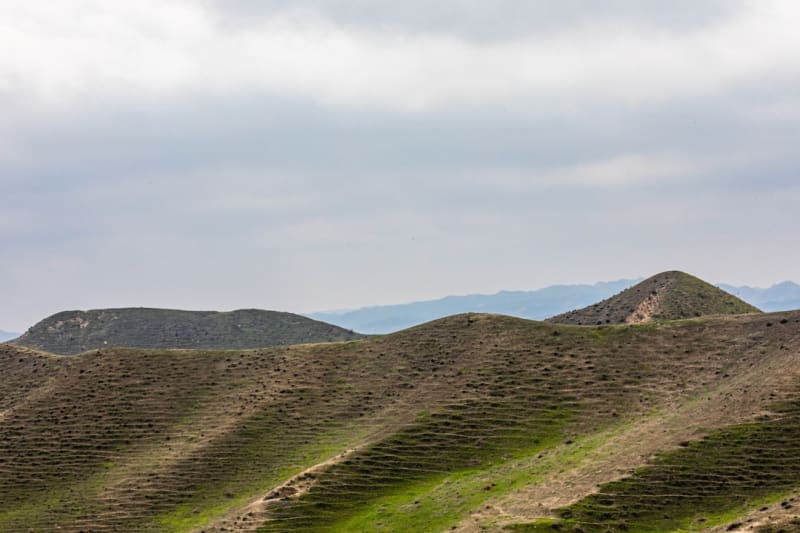
A 3,300-year-old Elamite ziggurat rising out of empty Khuzestan plain, better preserved than anything comparable in Mesopotamia and visited by almost no one.
Explore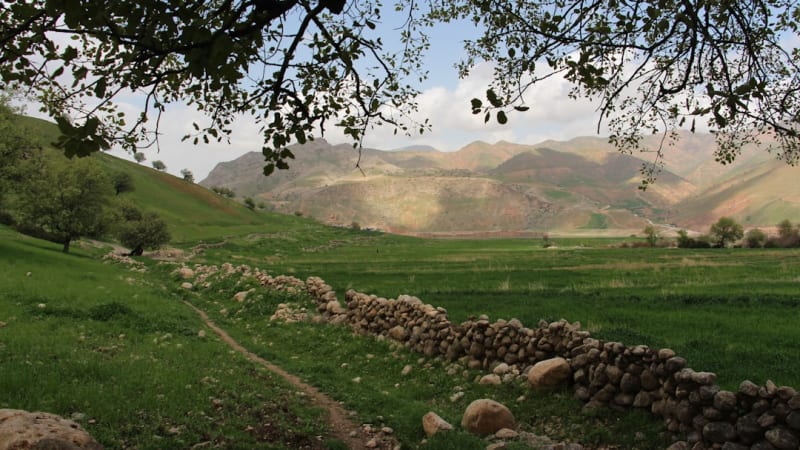 iran
iran Darakeh
A stream-side village trailhead at Tehran's northern edge, lined with riverside teahouses, where the city's serious hikers actually start their Alborz weekends.
Explore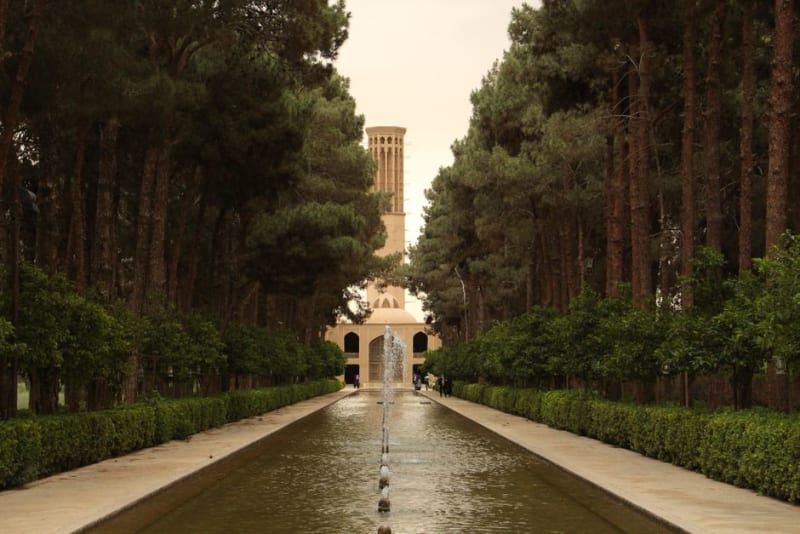 iran
iran Dowlat Abad Garden
A Persian paradise garden built around the tallest windcatcher on earth, where geometry and shade turn desert heat into something almost gentle.
Explore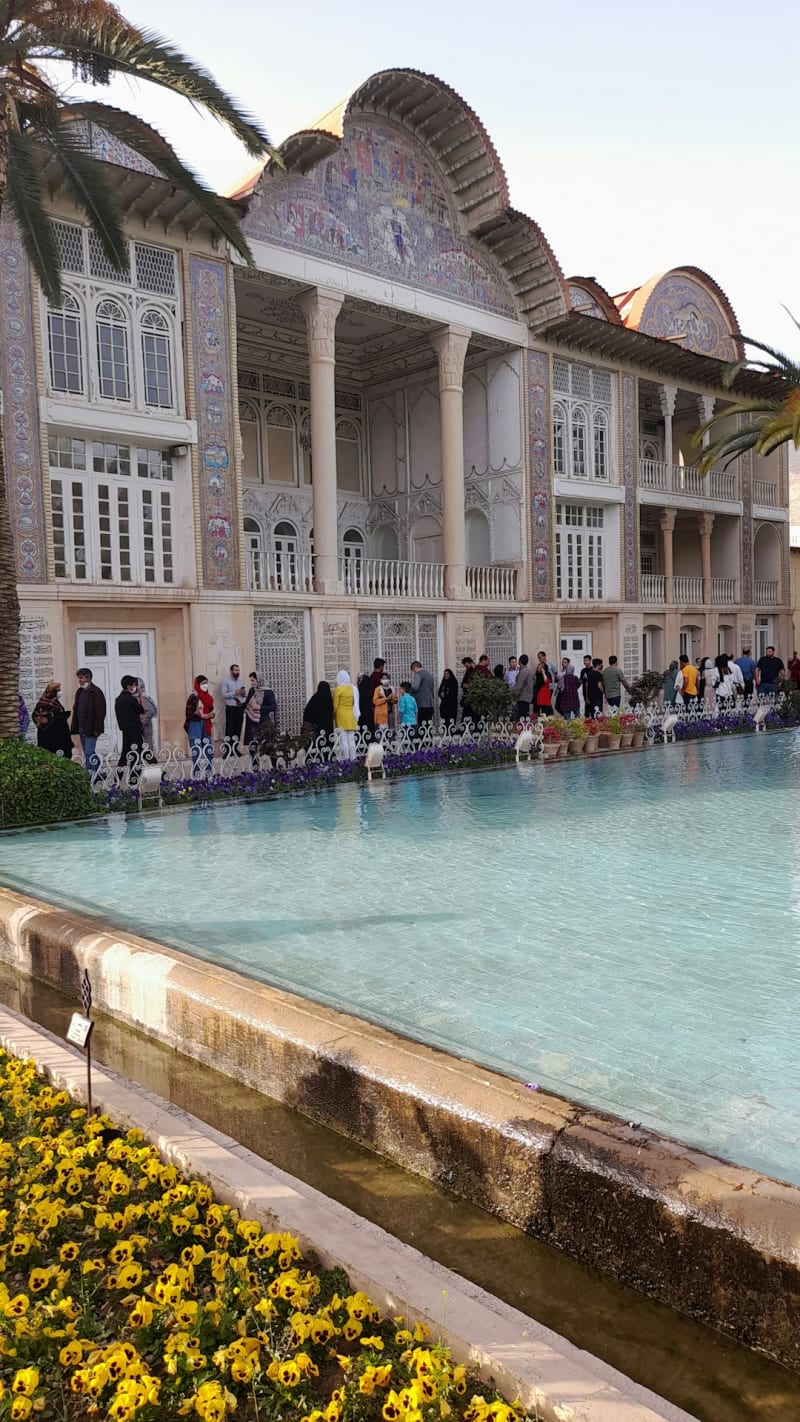 iran
iran Eram Garden
A UNESCO-listed Persian paradise garden where roses, cypress, and a Qajar mansion argue about which one is the real attraction.
Explore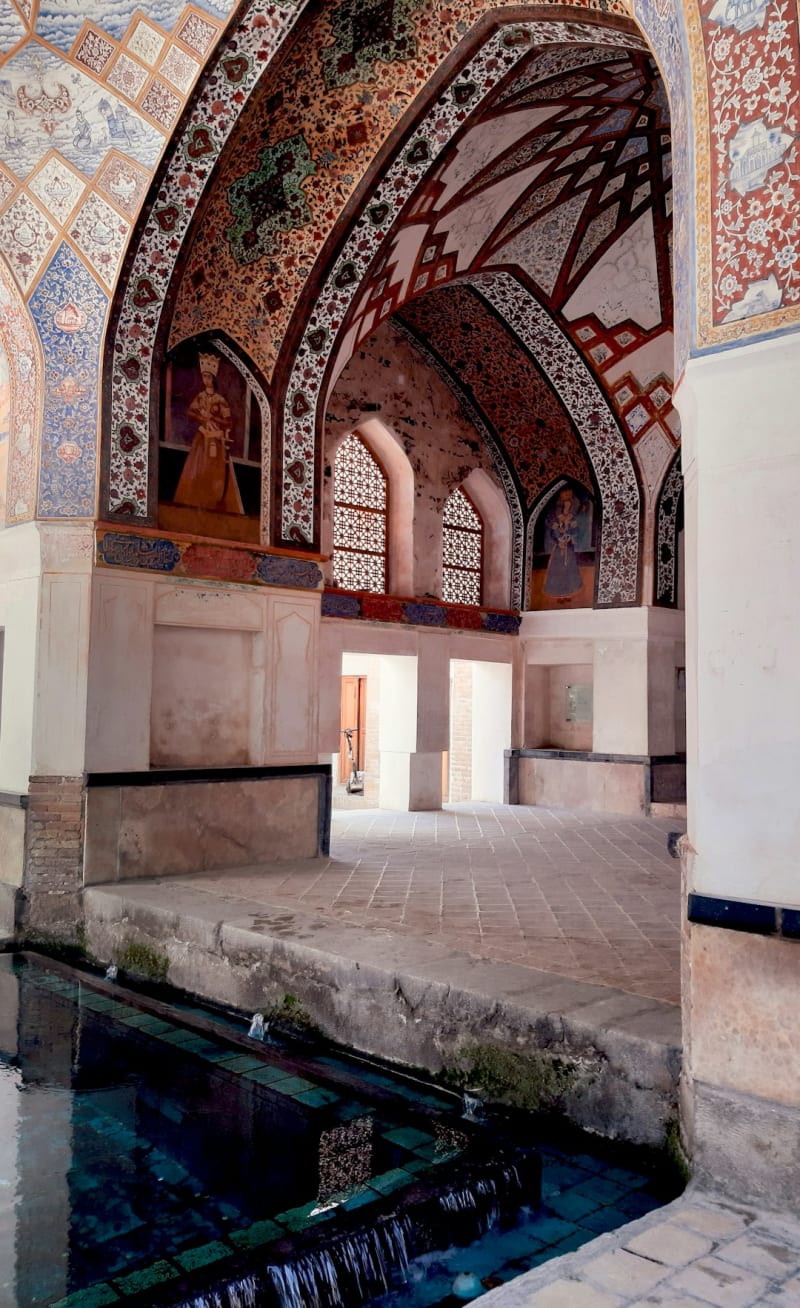 iran
iran Fin Garden
A Persian paradise garden of turquoise pools and cypress avenues, where an assassinated statesman's bathhouse still stains the marble.
Explore iran
iran Gorgan
The gateway to Turkmen Sahra at the eastern edge of the Caspian region, where Persian, Turkmen, and steppe cultures overlap in a way found nowhere else on Iran's northern coast.
Explore