Bandar-e Anzali
"I did not expect a wetland this size to exist in Iran, let alone one this alive with birds."
A lagoon port city on the Caspian where fishing boats, floating water-lily channels, and Iran's most unexpected wetland ecosystem share the same few kilometers of coastline.
Bandar-e Anzali is where the Caspian meets a lagoon so large it functions almost as an inland sea of its own, ringed by reed beds and channels that host, depending on the season, tens of thousands of migratory birds. I’d come north expecting a coastal port and mostly forgot to research the lagoon itself, which turned out to be the actual reason to stop here. The port town is workmanlike and a little rough around the edges — fishing infrastructure, caviar-processing history, Soviet-era trade ties still visible in the old warehouse architecture — but the lagoon behind it is one of the strangest, most beautiful landscapes I found anywhere in Iran.
Onto the Lagoon
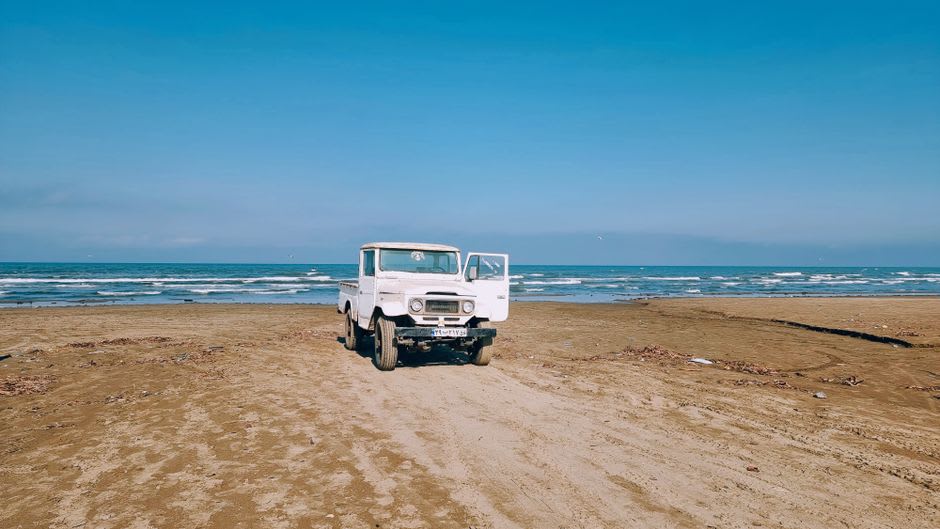
Small motorboats leave from a jetty near the town center and thread out through channels lined with reeds taller than the boat itself, opening periodically into wide stretches of open water covered edge to edge with water lilies in July and August. Our boatman cut the engine in the middle of one lily field and let us drift for a few minutes in total silence except for birds — the lagoon hosts flamingos, pelicans, herons, and enormous flocks of ducks and geese that pass through on migration, and even in summer the variety was more than I could keep track of.
The Fish Market and the Port
Back on land, the fish market near the harbor runs early and sells the day’s Caspian catch alongside smoked and salted fish prepared the traditional Gilan way — a specialty here that’s harder to find elsewhere in the country. Anzali was also historically Iran’s main caviar port before overfishing collapsed the sturgeon population, and a small museum near the harbor covers that history with more honesty about the ecological damage than I expected from an official exhibit.
Water Lily Season
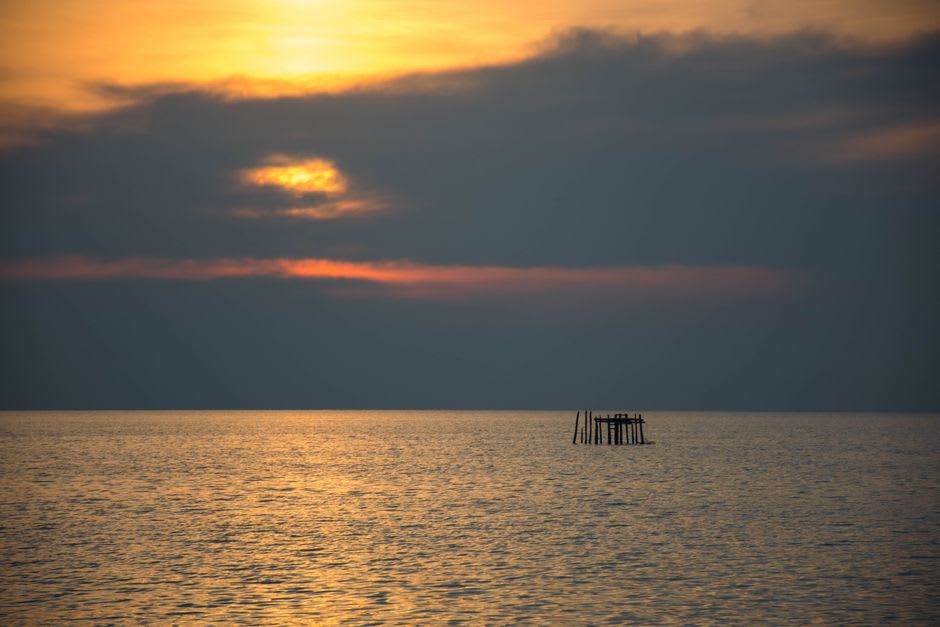
Locals were adamant that we’d timed it right — the water lily bloom peaks in July and fades by September, and the lagoon in October is a much plainer stretch of open water. Lia, who grew up near French wetlands and is generally hard to impress with reeds and reptiles, spent the whole boat ride leaning over the side taking photos of turtles sunning on half-submerged logs. That was the moment I stopped thinking of this stop as a detour on the way to somewhere else.
When to go: July and August for the water lily bloom and the fullest bird activity on the lagoon; spring and autumn migrations bring different but equally dense bird populations if you miss the lilies. Winters are cold, gray, and quiet — skip them unless you specifically want the port town without any tourists at all.
Keep exploring
More from Iran
 iran
iran Bandar Lengeh
A quiet Persian Gulf port with whitewashed wind-catcher architecture and a history as a pearling and smuggling hub tied more to the Arab shore than to Tehran.
Explore iran
iran Bisotun
A cliffside inscription that taught the world to read cuneiform, carved 100 meters up a sheer Zagros rock face by order of Darius the Great.
Explore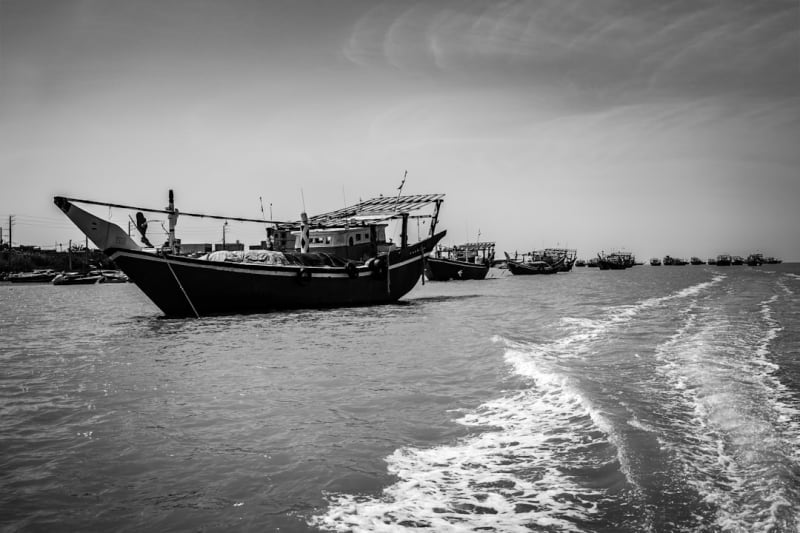 iran
iran Bushehr
A historic Persian Gulf port city with a crumbling colonial-era old quarter, strong ties to Gulf Arab and Indian trade, and food unlike anywhere else in Iran.
Explore iran
iran Chaharbagh School
A working Safavid seminary and caravanserai-turned-hotel on Isfahan's grandest avenue, its courtyard still quietly humming with actual students rather than tour groups.
Explore iran
iran Chak Chak
A Zoroastrian fire temple built into a cliff face where a spring drips continuously from bare rock, deep in the desert two hours from Yazd.
Explore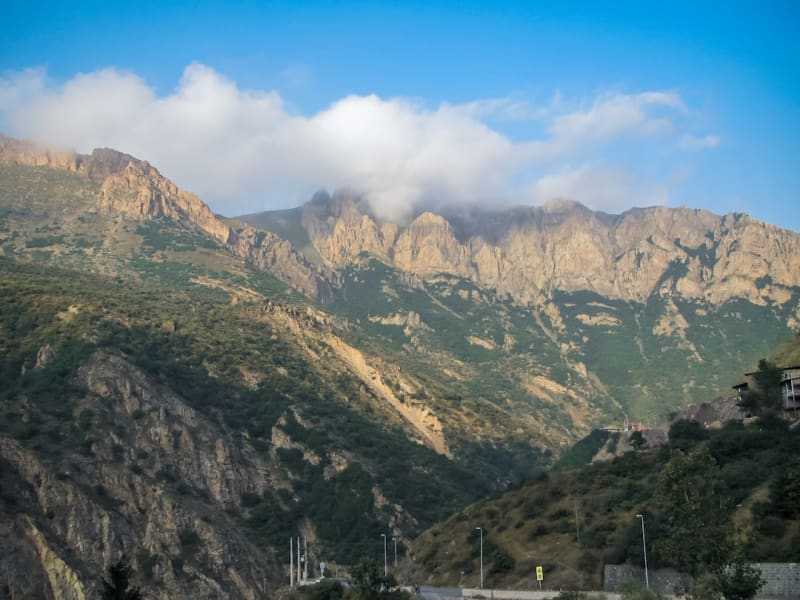 iran
iran Chalus Road
The single most dramatic road trip in Iran — a switchbacking mountain highway crossing the Alborz range from Tehran's dry plateau to the green Caspian coast in under three hours.
Explore