Ardabil
"This is where the Safavid dynasty actually began — not in a battle, but at a Sufi shrine, over generations."
A cool, mountainous city built around the shrine of a Sufi saint whose descendants founded the Safavid dynasty — the tomb complex that essentially launched modern Iran, wrapped in tile work most travelers never see.
I’ll admit I went to Ardabil mostly for the elevation — after weeks in the heat of the central plateau, the promise of a cool mountain city sounded appealing on its own. What I didn’t expect was to spend most of a day absorbed in the history of a single religious complex that quietly reshaped the entire country.
The Shrine That Built a Dynasty
The Sheikh Safi al-Din Khānegāh and Shrine Ensemble, UNESCO-listed since 2010, houses the tomb of the Sufi master Sheikh Safi al-Din, founder of the Safavid Sufi order in the fourteenth century. What makes the site extraordinary isn’t just its architecture — layered courtyards, a soaring tiled dome, a library once famous across the Islamic world — but its consequence: the Safavid family that grew out of this religious order eventually converted to Shia Islam and, two centuries later, conquered Iran outright, founding the dynasty that made Shia Islam the state religion and shaped the country’s identity to this day. Standing in the tomb chamber, under a muqarnas ceiling dense with stalactite plasterwork, it was strange to think that modern Iran’s entire religious and political trajectory traces back to this comparatively modest room.
The Porcelain House
Behind the main shrine, a chamber known as the Chini-khaneh, or porcelain house, once displayed an enormous royal collection of Chinese and Persian ceramics gifted to the shrine by Shah Abbas I — over a thousand pieces at its peak, many later dispersed to the Hermitage and the National Museum in Tehran. The wall niches, carved specifically to hold each piece, remain even where the ceramics themselves are long gone, and it’s oddly moving to see architecture built entirely around objects no longer there.
A City Built for Cool Air
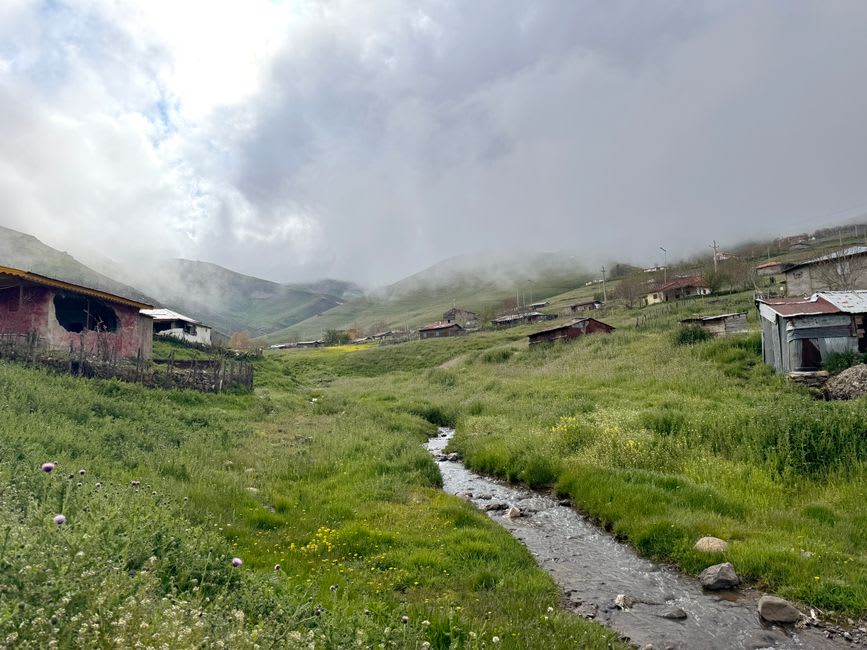
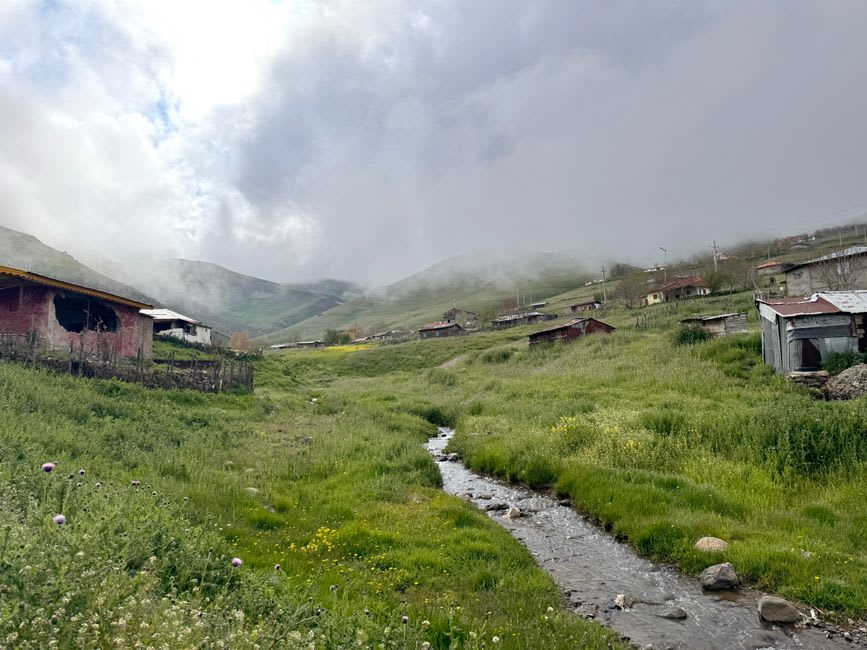
Ardabil itself sits at over 1,300 meters, and the difference from Tabriz or Tehran is immediate — evenings genuinely require a jacket even in summer. Lia and I found ourselves lingering in the city’s tea houses longer than planned simply because the temperature made sitting outside pleasant well past dark, something that rarely happens on the hot plateau further south.
When to go: June through September, when Ardabil’s altitude delivers relief from the national heat and the city’s parks and tea gardens are at their most pleasant. Winters bring serious snow and cold.
Keep exploring
More from Iran
 iran
iran Ardestan
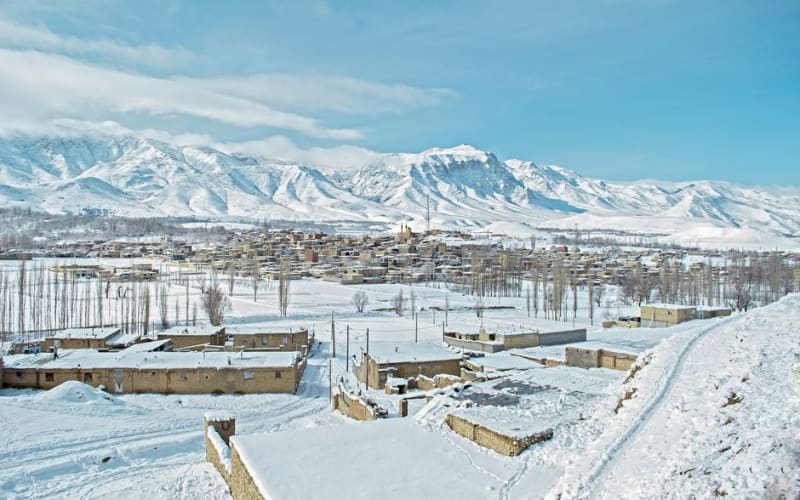
A dusty desert town with one of Iran's oldest Friday mosques, where a millennium of architectural additions are stacked in visible layers.
Explore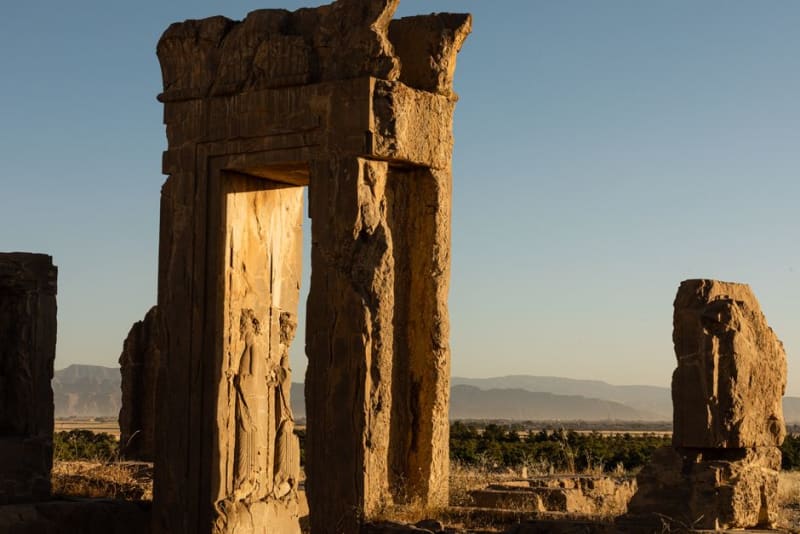 iran
iran Atashgah Fire Temple
A crumbling Zoroastrian hilltop ruin on Isfahan's western edge, older than the mosques by centuries, where a single fire once burned as a beacon across the plain.
Explore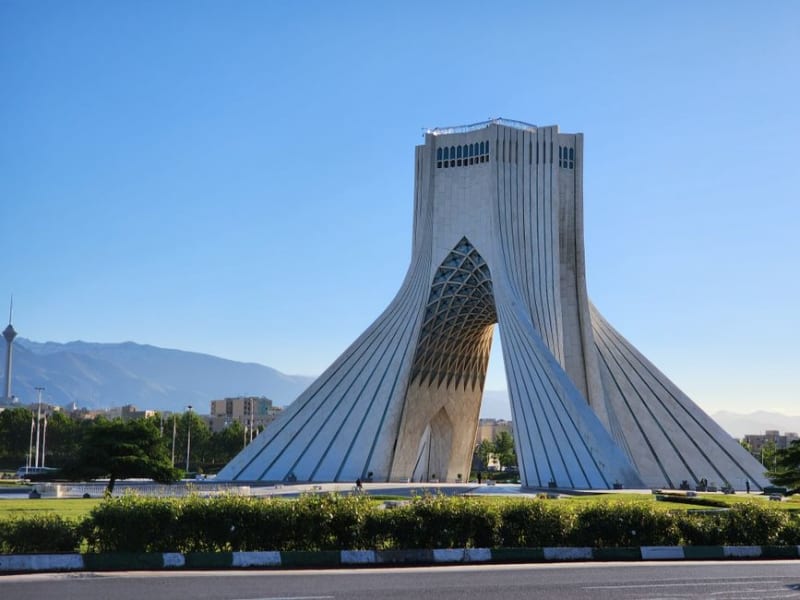 iran
iran Azadi Tower
The white marble arch that has watched over every major moment in modern Iranian history from the same traffic circle, and the underground museum most visitors never find.
Explore iran
iran Babak Fort
A crumbling fortress balanced on a knife-edge ridge above the Arasbaran forests, built by a ninth-century rebel leader who held off the Abbasid Caliphate here for years — and a hike that will leave your legs shaking.
Explore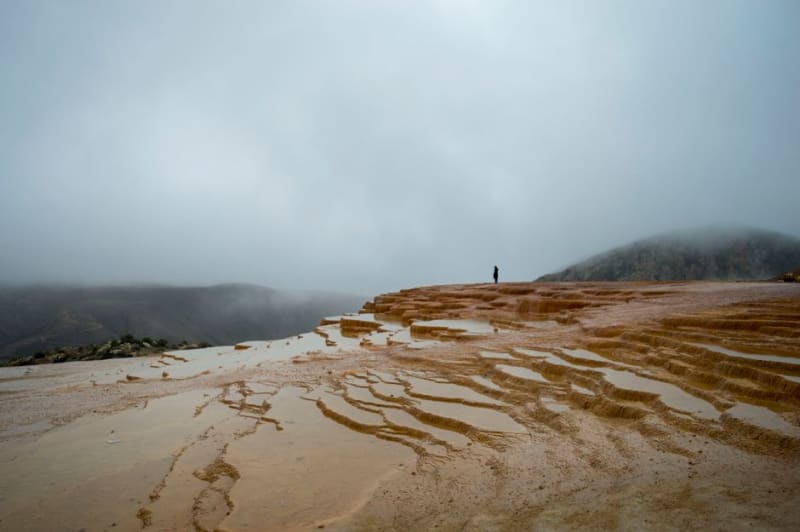 iran
iran Badab-e Surt
A staircase of orange and cream travertine terraces built by two mineral springs over thousands of years, in a remote corner of Mazandaran that most visitors to Iran never hear about.
Explore iran
iran Bam
The largest adobe citadel on earth, devastated by a 2003 earthquake and rebuilt stone by stone — a UNESCO site that is also a monument to recovery.
Explore