Aran va Bidgol
"I asked how long one carpet takes. She laughed at the question, not unkindly, and kept working."
A carpet-weaving desert town at the edge of a salt lake, where you can watch a rug take shape thread by thread and then walk out onto white crust to the horizon.
Aran va Bidgol sits about twenty minutes north of Kashan, close enough to feel like a suburb and distinct enough to be its own world — a working desert town built on carpet weaving and salt, with none of the polish that tour buses have brought to Kashan’s old quarter. I went out on a tip from our guesthouse host, expecting a quick stop, and stayed most of a day.
Watching a Rug Get Made
The town is known for hand-knotted rugs, and several family workshops still let visitors watch the process — usually women working two or three to a large vertical loom, tying knots from a pattern chart pinned above the frame, at a speed that made my eyes lose track within seconds. I asked the weaver in one workshop how long a single carpet takes and she told me, through a translator, that a fine one can take the better part of a year of daily work. She said it without complaint, the way someone describes a fact of weather. The finished rugs sold in that workshop cost a fraction of what the same quality would fetch in a European gallery, and I understood, watching her hands, exactly why that felt wrong.
The Salt Lake at the Edge of Town
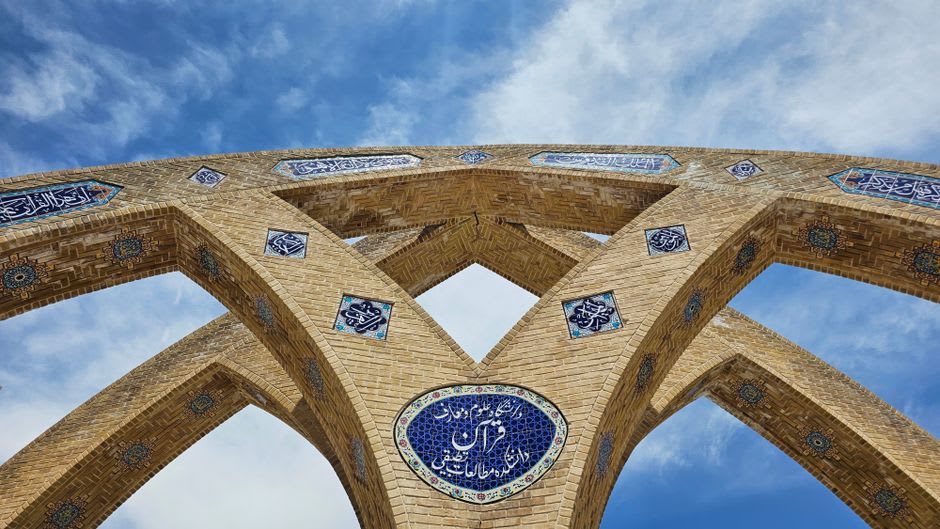
Aran va Bidgol also gives its name to the Namak Lake basin that stretches north toward Maranjab, and you don’t need a desert excursion to reach the edge of it — a short taxi ride from the town center gets you to a viewpoint where the salt crust begins, white and geometric, cracked into plates the size of dinner tables. Locals come here in the evening simply to walk on it, the way people elsewhere go to the beach.
We ate dinner at a small local place off the main square — grilled kebab and a plate of sun-dried tomatoes that the owner insisted, correctly, were better than anything we’d find back in Kashan. It’s the kind of town nobody plans a trip around, and exactly the kind I’ve learned to trust.
When to go: October through April, avoiding the fierce summer heat that settles into this stretch of the Kavir. Late afternoon is best for the salt flat, when the light turns low and gold.
Keep exploring
More from Iran
 iran
iran Ardabil
A cool, mountainous city built around the shrine of a Sufi saint whose descendants founded the Safavid dynasty — the tomb complex that essentially launched modern Iran, wrapped in tile work most travelers never see.
Explore iran
iran Ardestan
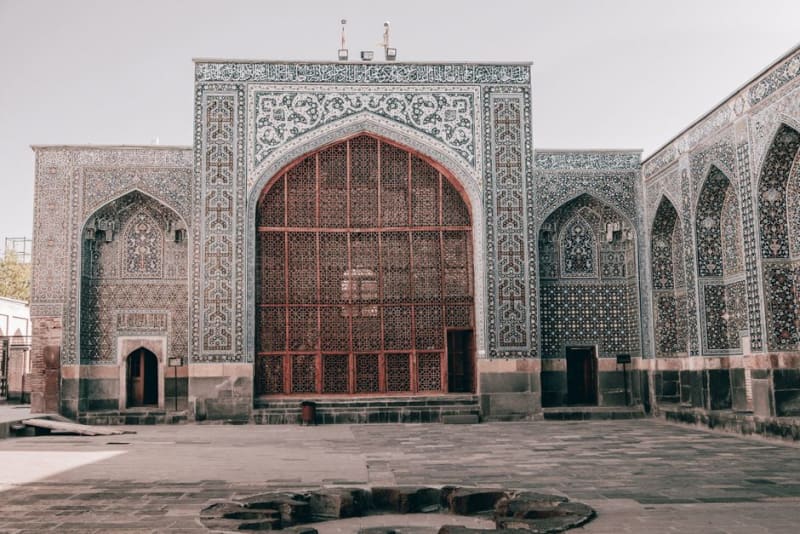
A dusty desert town with one of Iran's oldest Friday mosques, where a millennium of architectural additions are stacked in visible layers.
Explore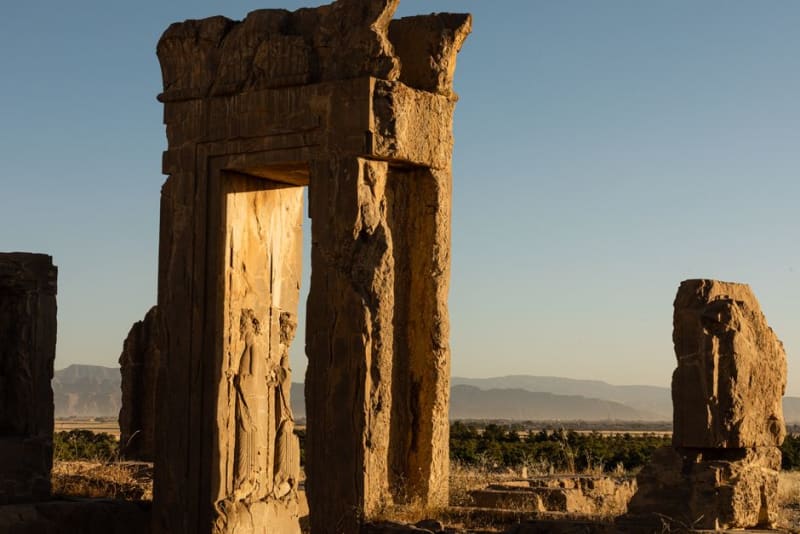 iran
iran Atashgah Fire Temple
A crumbling Zoroastrian hilltop ruin on Isfahan's western edge, older than the mosques by centuries, where a single fire once burned as a beacon across the plain.
Explore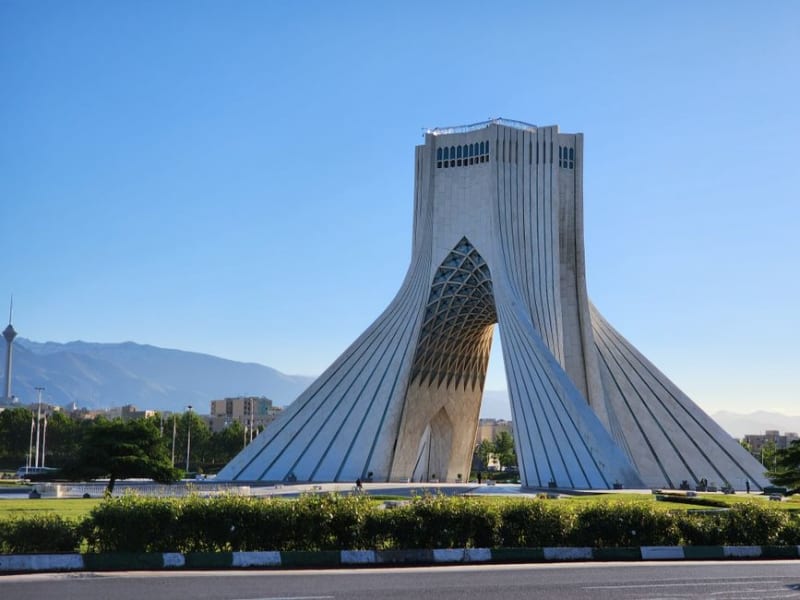 iran
iran Azadi Tower
The white marble arch that has watched over every major moment in modern Iranian history from the same traffic circle, and the underground museum most visitors never find.
Explore iran
iran Babak Fort
A crumbling fortress balanced on a knife-edge ridge above the Arasbaran forests, built by a ninth-century rebel leader who held off the Abbasid Caliphate here for years — and a hike that will leave your legs shaking.
Explore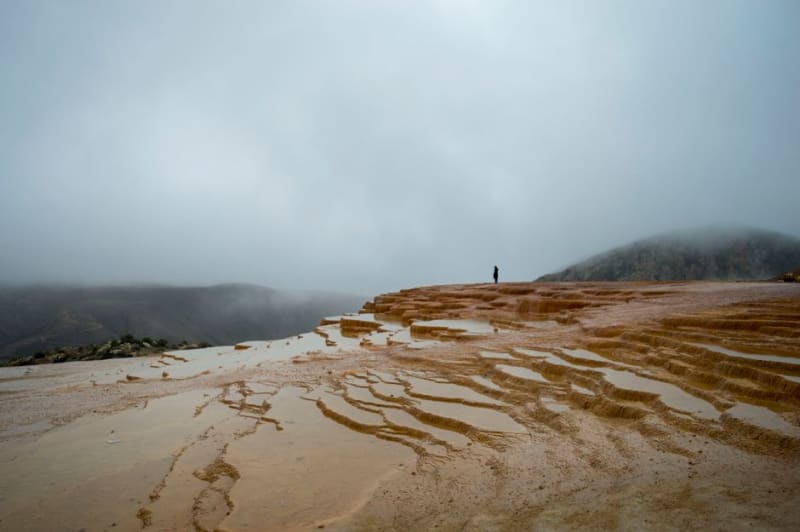 iran
iran Badab-e Surt
A staircase of orange and cream travertine terraces built by two mineral springs over thousands of years, in a remote corner of Mazandaran that most visitors to Iran never hear about.
Explore