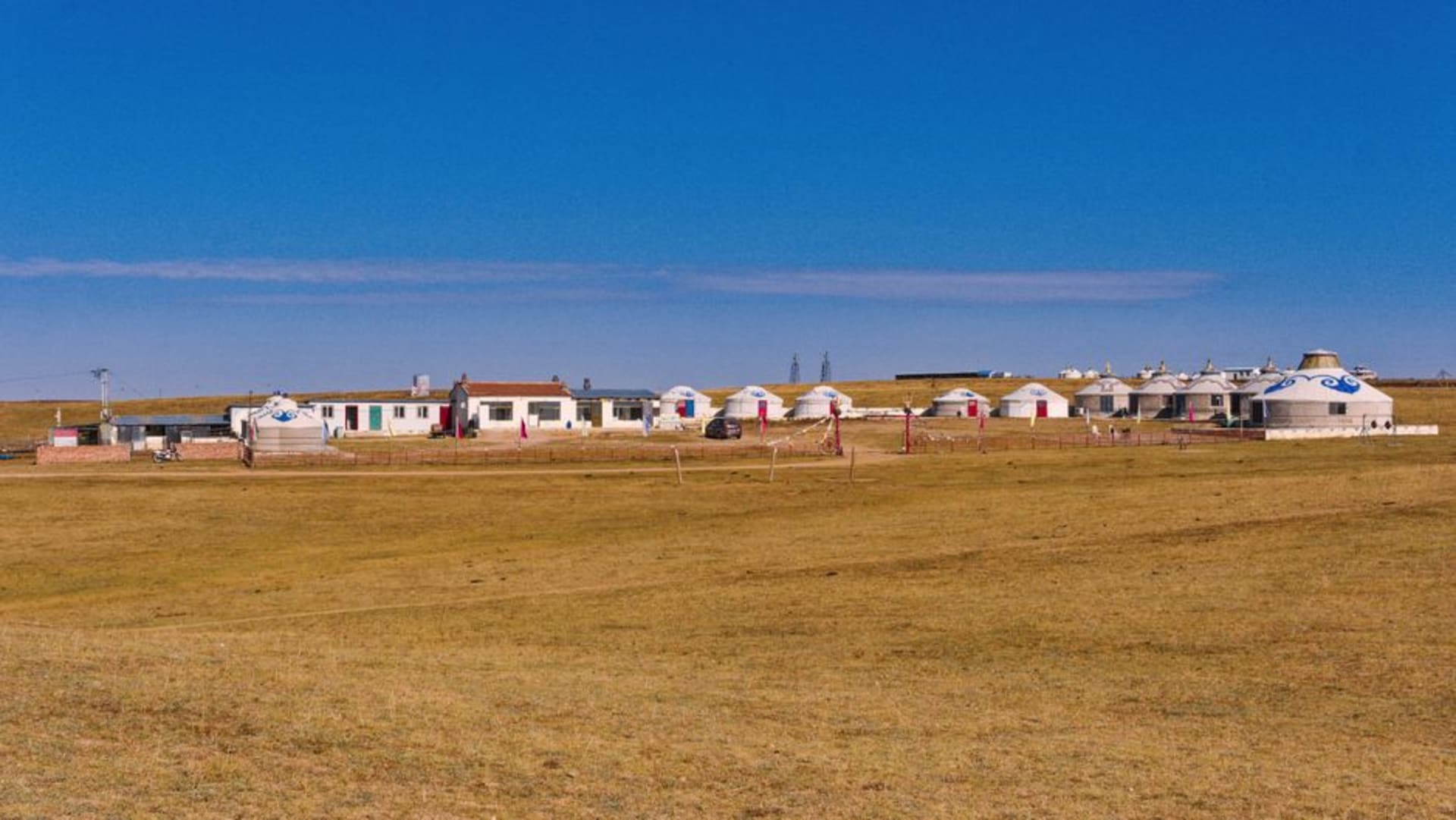
Xilinhot & Xilingol Grassland
"Lia said the sky here felt bigger than the ground. I couldn't argue with her."
A capital city that dissolves into pure steppe within minutes, where ovoo cairns and nomad tents still mark the rhythm of the grassland.
We landed in Xilinhot expecting a transit town, somewhere to sleep before the “real” grassland began further out. We were wrong within twenty minutes. The city just stops — one block you’re passing noodle shops and scooter repair stalls, the next the buildings thin out and the land opens into a green so total it looks retouched. Xilinhot is the capital of Xilingol League, but it functions more like a doorway than a destination in itself, and I mean that as the highest compliment. Lia kept turning around in the back of our hired car, like she needed to check the city was still there behind us.
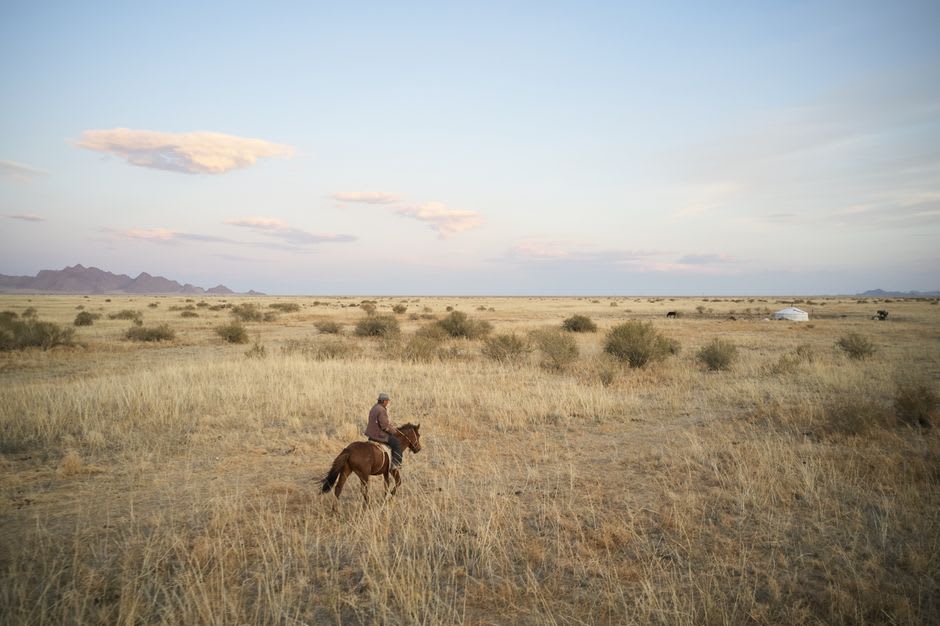
The reason the grassland stays this intact isn’t luck. The Xilingol National Nature Reserve was set up in 1985 and got UNESCO Man and Biosphere status two years later, protecting something like 10,786 square kilometers of temperate steppe — one of the last places of its kind still functioning the way it always has. We drove maybe an hour and a half before the road narrowed to a track and a family of herders waved us toward their ger for salted milk tea. Their grandson, maybe nine years old, was already on horseback moving a small group of sheep with an ease that made my own attempts at riding, an hour later, deeply humbling.
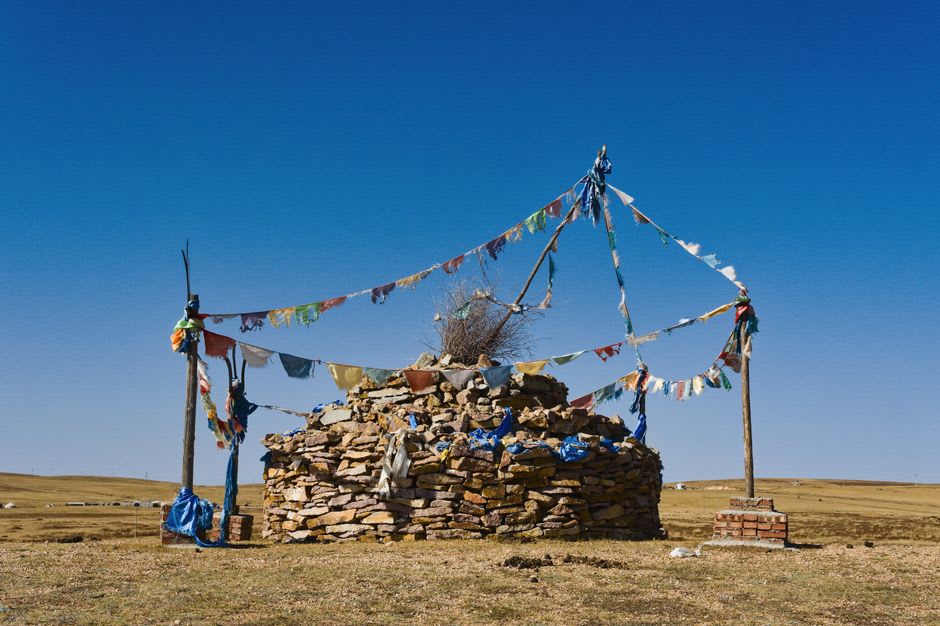
What stayed with me most were the ovoo — the stone and branch cairns scattered across the plain, usually on a rise, often wrapped in blue prayer scarves that snapped in the wind. Our host explained you walk around them clockwise three times for luck before a journey; I did it self-consciously the first time and completely sincerely by the third. Not far from one cluster of ovoo we found low mounds in the grass that our guide identified as remnants of a Yuan-dynasty settlement, just there, unmarked, sinking slowly back into the same earth that’s supported herders for centuries.
We stayed three nights, two of them in a ger with a wood stove that our host’s wife kept feeding through the night, and I slept better out there than I had in months of city noise back in Mexico. On our last morning I walked out alone before Lia woke up, just to stand in the grass while the light came up sideways across the plain, and I understood, finally, why people describe this steppe as something closer to an ocean than a field.
When to go: Come between June and September, when the steppe turns fully green and the Naadam festivities — wrestling, archery, horse racing — bring the whole grassland to life.
Keep exploring
More from Inner Mongolia
 inner-mongolia
 Arxan
A volcanic landscape in the northeast where hot springs steam beside larch forests and crater lakes hold a stillness that feels almost ceremonial.
Explore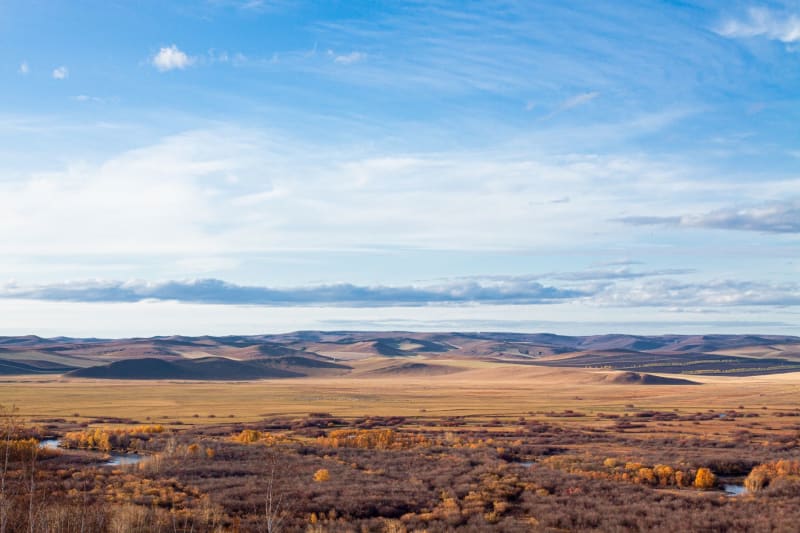 inner-mongolia
 Badain Jaran Desert
Some of the world's tallest stationary dunes rise 500 metres here, with freshwater lakes pooled impossibly at their feet.
Explore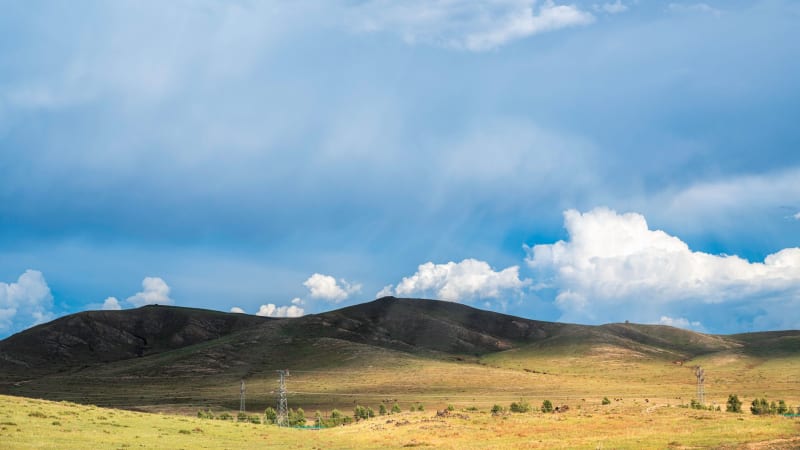 inner-mongolia
 Baotou
Inner Mongolia's largest city earns your patience by hiding one of the region's finest Buddhist monasteries just west of its steel mills.
Explore inner-mongolia
 Ejin Banner
A remote corner of western Inner Mongolia where ten million poplars turn gold each October in one of Asia's great overlooked seasonal spectacles.
Explore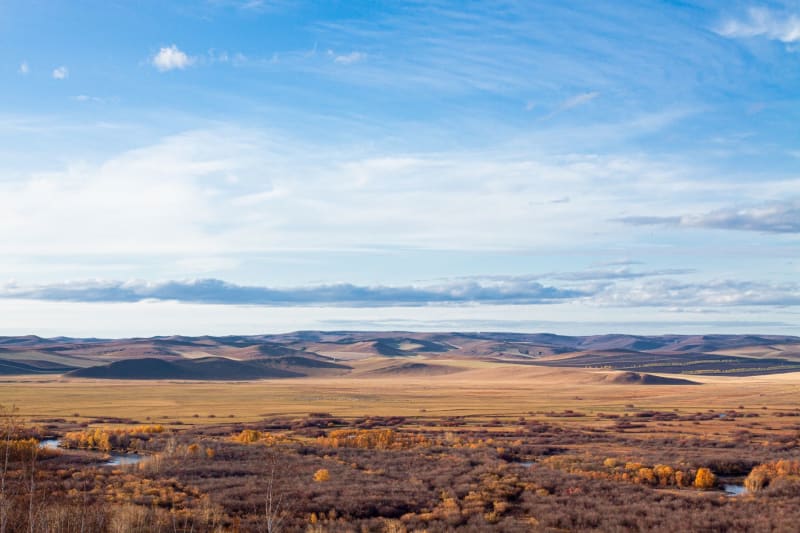 inner-mongolia
 Gegentala Grassland
The closest grassland camp experience to Hohhot, where Mongolian families host evenings of music, mutton, and milk vodka under a sky that earns its reputation.
Explore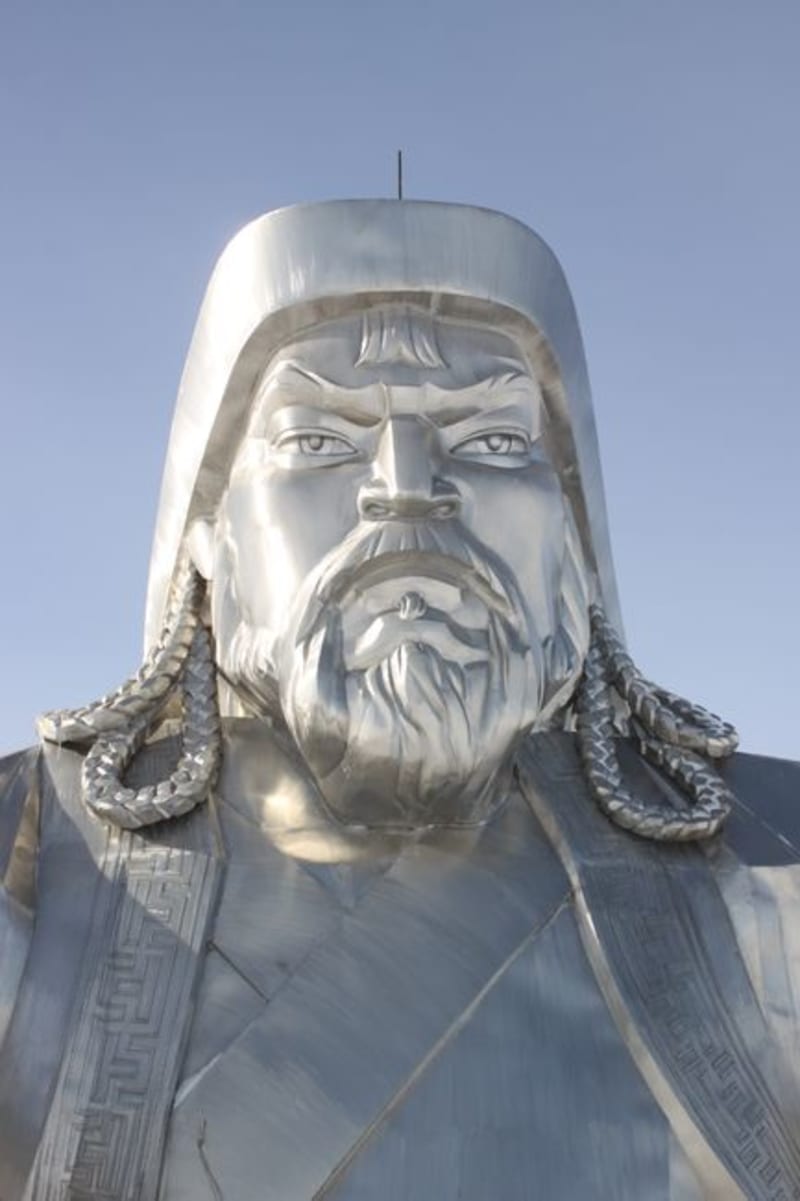 inner-mongolia
 Genghis Khan Mausoleum
A white-domed memorial on the Ordos grasslands where Mongols have honored their Khan's spirit for eight centuries.
Explore